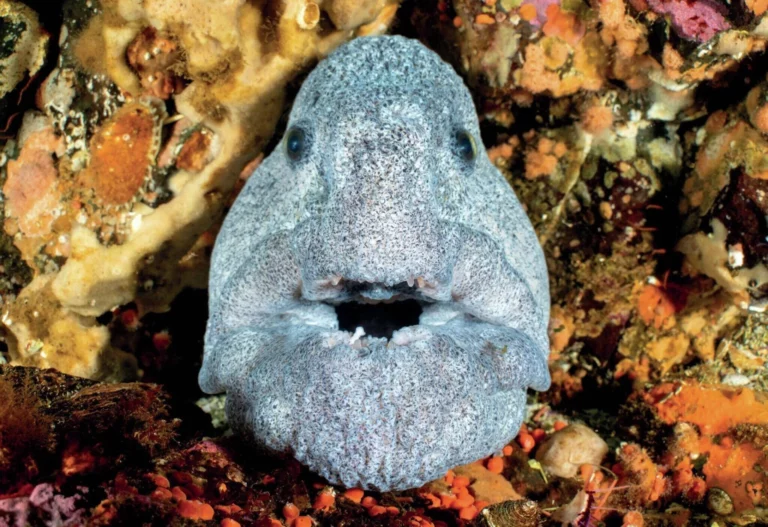
Cold water underwater photography places a high demand on the diver, so Alex Mustard offers some hints and advice about the appropriate exposure protection to use when you are diving in colder waters.

Intro: Cold water underwater photography
The days are getting noticeably shorter now and for those that dive in temperate waters that means it is time to break out those bulkier undersuits and thicker gloves. Divers have long debated how best to stay warm and comfortable in cold waters, but rarely do these ‘heated’ discussions extend to the photographic implications. Cold diving places more emphasis on preparation and passing on these tips is the focus of this month’s column.
Warmer and colder are relative terms and are based on the divergence from your diving norm. If you visit the Maldives at spring and the Caribbean in the summer, then any time you have to wear even 3mm of neoprene, or god-forbid a hood, it feels like serious bulking up. Similarly, those that dive on the South Coast of England in summer consider themselves cold water divers, but it is a very different level of chilly to that found on a spring dive on the east coast of Scotland. Or the short flight to Silfra in Iceland.
Diving is often divided simply into warm water and cold water – I guess roughly equivalent to the requirement of less than or more than a 5mm wetsuit. However, my experience is that this broad brushstroke misses the details. We need more divisions because from a photographic perspective shooting in a 3mm suit and in a 7mm semi-dry are far more different than a semi-dry and drysuit. And shooting in a drysuit in summer with just a baselayer underneath is very different to being layered up for diving in those low single digits. At the very least, each layer we add restricts our ability to contort for the perfect compositional angle and the addition of gloves (and cold hands) changes our ergonomic relationship with our cameras.
The Essentials of Cold Water Underwater Photography
I use the following classification to help me prepare for the unique demands of cold water underwater photography based on how far away from the norm I will be operating!
- Above 27-30˚C is Tropical Diving, where a 3mm or less is totally fine for multiple days of diving.
- 24-26˚C is Sub-Tropical, where 5mm hood and vests come into the mix.
- 19-23˚C is Warm-Temperate, where 7mm suits dominate, although some will already be reaching for a drysuits if out on a windy boat between dives.
- 18˚C and below is the realm of Drysuits, but it is mistake to lump this all together because we’re talking about a larger range than the three divisions we’re already made. I divide drysuit diving into four temperature categories:
- Easy 15-18˚C
- Cool 10-14˚C
- Cold 5-9˚C
- And below 5˚C – Really Tough.
As we descend through the levels, we require more layers of protection and feel more disconnection from the camera.
The chill we feel is the product of the water temperature and the exposure time. For example, a week of RIB diving at 12˚C is likely to require more thermals than a 45-minute winter dip in a 5˚C Stoney Cove with a hot bacon buttie and changing room waiting for you when you surface! So if you are heading for the cold, it is valuable to factor this in as you prepare and consider the implications for your techniques, approach and gear.
Let’s start at the top, with our heads! Once a diver is cold and thinking about being cold, then they aren’t going to take memorable pictures. Also photographers tend to swim about less than other divers. For both these reasons I recommend slightly overdressing for the conditions. It is valuable to be time efficient when it is cold, so I will think about the types of shots I am hoping to take and mentally rehearse the techniques I’ll be using. If I am coming from tropical diving I will adjust my expectations, setting more manageable photographic goals.

For example, when it comes to cold water underwater photography, I will usually commit to using one specific tool, like a snoot, for an entire dive. This is rather than taking it in all dives and putting it on and off as necessary. Adjusting cameras settings, navigating menus, moving strobe arms, flicking switches etc are all much more challenging in the cold. So I’ll plan to find just one or two goods subject, rather than trying to take a bunch of different shots. And once my camera is set up for shooting, say pleasing vertical wide-angle compositions, I will keep shooting verticals on that dive until a subject really demands I re-jig my rig.

Managing Camera Dexterity in Low Temperatures
Hands are next. Underwater cameras are sold in shops and at dive shows and usually judged on how they feel in your bare hands. If you always dive in gloves, especially thick ones, I’d suggest taking them with you next time you are evaluating photo gear. That said, however well designed your housing, gloves and cold hands will make it harder to use. My first step is to always dial in all my settings pre-dive (without gloves) and turn on my camera and strobes to get those jobs out of the way.
Photographers often ask whether they should use wet or dry gloves. This mostly depends on personal preference and how cold your typical diving is. Wet gloves give better dexterity, particularly for twirling dials and pushing buttons. But they also lead to colder, numb hands, which then negates that very advantage. Dry gloves often have oversized sausage fingers, which make it tricky to click small lever or accurately press closely spaced buttons or multi-selectors. Quite a lot of photographers favour odd gloves, wearing thinner ones on the right hand, which will do the bulk of the camera operation. More will add enticingly named knob-extenders to key controls, particularly to the fiddly switches on strobes, making them easier to use in thick gloves. These home-made have proliferated in recent years with as more people have access to 3D printers.

Overcoming Mobility Issues with Drysuits and Hoods
And that brings us to bodies and suits. The colder the water, the more layers we have to wear and this restricts movement. Many experienced divers comment that wearing a drysuit makes it easier to maintain correct trim because it gives buoyancy along the length of your body. The problem for photography is that it is unlikely that the most-compelling composition is the one that can be taken in perfect trim! Furthermore, neck seals and thick hoods limit our head movement.
Consider buying a 45-degree viewfinder or even an external monitor, both of which allow us to shoot those upward angles from a more-comfortable position. And finally remember when you do return to warmer waters and thinner suits make use of freedom to push your photography further!

By mastering your gear and staying warm, you will find that cold water underwater photography can yield stunning, world-class results.
FAQs
What is the biggest challenge in cold water underwater photography?
Cold water requires thicker exposure protection, such as 7mm wetsuits or drysuits. This “bulking up” can restrict your range of motion and dexterity, making it harder to adjust camera settings and find creative composition angles.
Should I use wet gloves or dry gloves for underwater photography?
Wet gloves offer better dexterity for twirling dials, but can lead to numb fingers. Dry gloves keep hands warmer but are often bulkier. Many photographers use a thinner glove on their “trigger” hand or add knob extenders to strobe switches for better control.
Why is a 45-degree viewfinder helpful in cold water?
When wearing a thick hood and a drysuit, head and neck movement is restricted. A 45-degree viewfinder or external monitor allows you to capture upward angles and low-perspective shots without needing to contort your body into uncomfortable positions.
How should I prepare my camera for a cold water dive?
To minimize fumbling with thick gloves, dial in your primary settings and power on your camera and strobes before you get in the water. Planning to stick to one lens or lighting setup (like a snoot) for the duration of the dive reduces the need for complex manual adjustments.
What are the temperature classifications for diving gear?
Does temperature affect image quality?
Indirectly, yes. If a photographer is cold, they are less likely to be patient or creative. Proper thermal protection ensures you stay focused on the art rather than the chill.
This article was originally published in Scuba Diver Magazine
Subscribe today with promo code DIVE1 — enjoy 12 months for just £1!
