What does motor-sport, rarely associated with environmentalism, have in common with coral-reef restoration? An unlikely collaboration got off the grid two years ago and its objective is to optimise coral-spawning opportunities by carrying out vital work up to nine times faster than ever before.
The link-up is between Formula 1 motor-racing engineers and marine scientists, and Britain’s McLaren Racing team and Australia’s Great Barrier Reef Foundation (GBRF) now say they have reached a major milestone in their joint mission to accelerate coral-reef recovery.
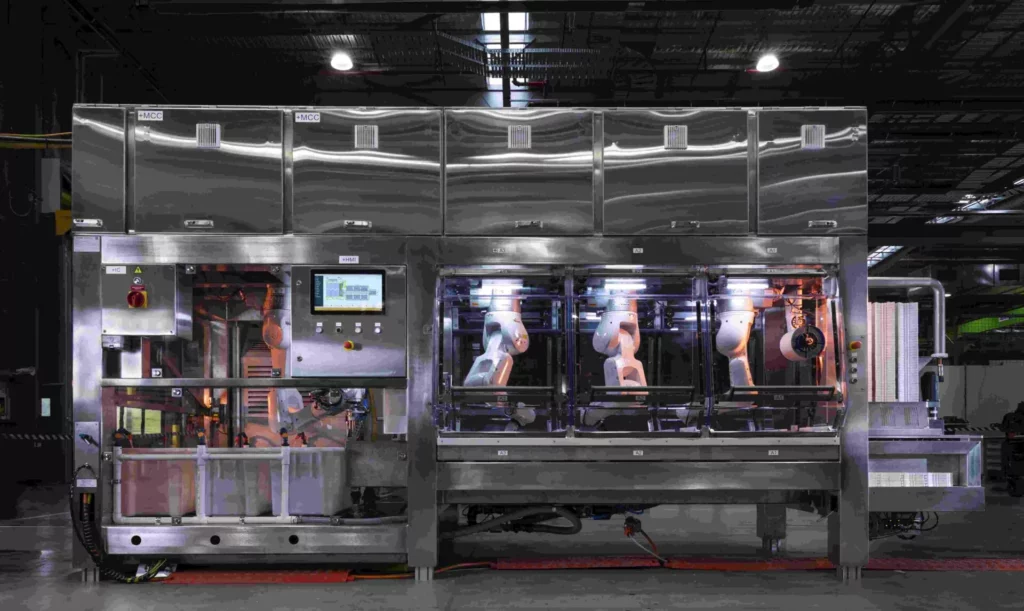
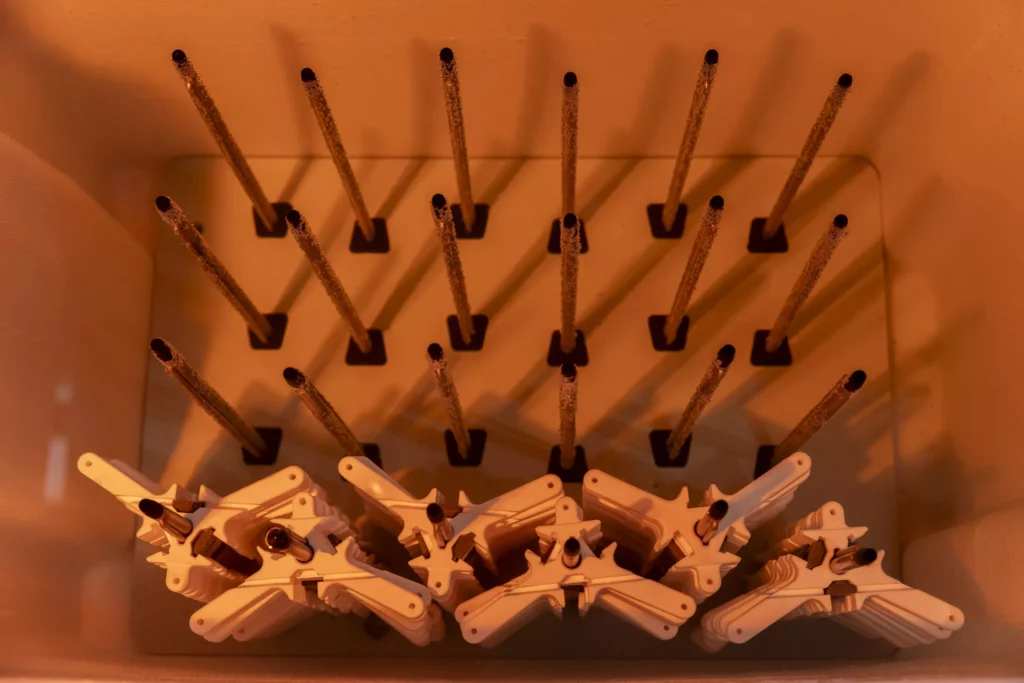
Machine One is a semi-automated coral-seeding system designed to overcome what has been one of reef-restoration’s most stubborn constraints – limited speed of delivery.

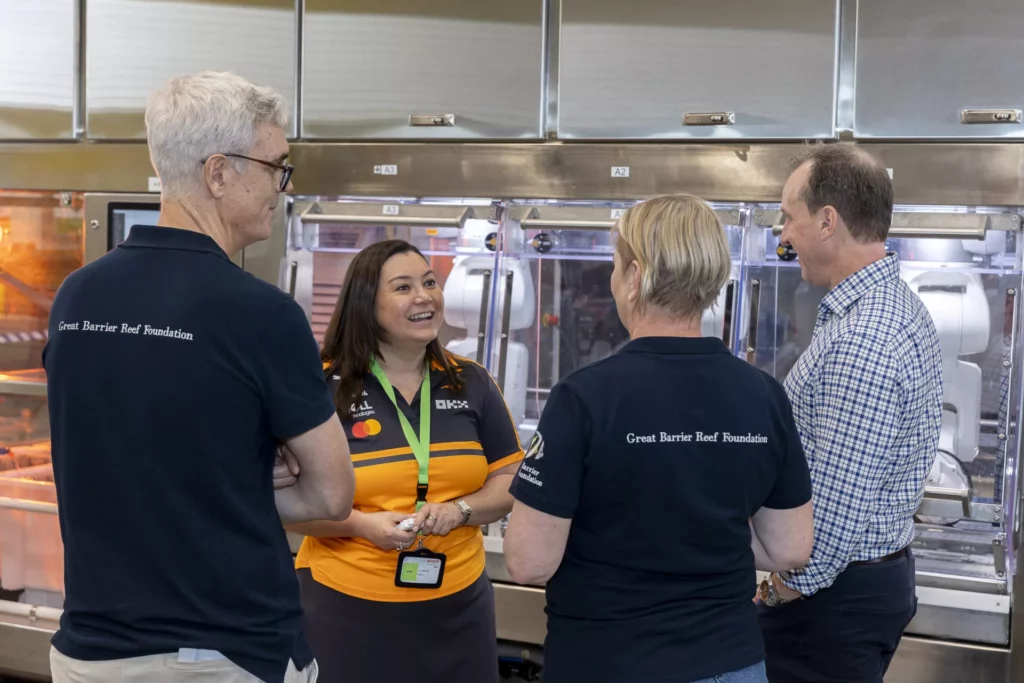
Speaking trackside at the recent Australian Grand Prix, McLaren Racing’s sustainability director Kim Wilson explained that Machine One (aka Operational System for Coral Assembly & Restoration, or OSCAR) is currently being field-tested ahead of this year’s coral-spawning season.
“In racing, marginal gains add up and drive high performance, and we’re applying that same philosophy to reef-restoration,” she said. “Here, every second saved doesn’t just increase performance but accelerates the scale, delivery and capacity for innovative engineering solutions and problem-solving to help us protect and restore this vital ecosystem.”
Need for speed
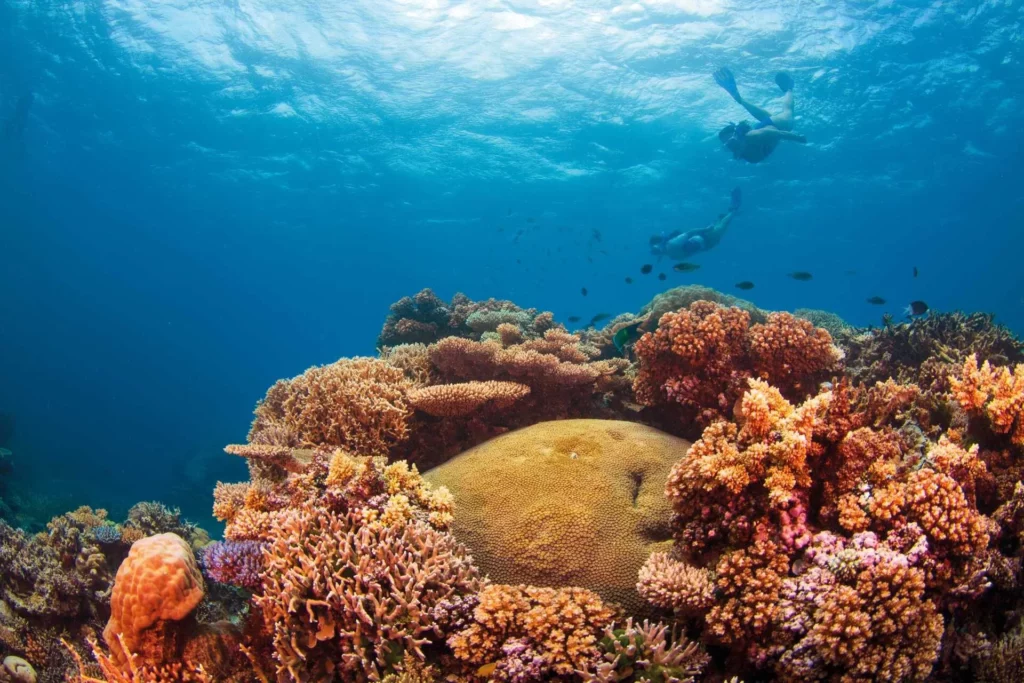
During the coral-spawning events that occur over a few nights each spring, scientists collect egg and spawn bundles or gametes from healthy reefs. These then have to be fertilised and grown into coral larvae before the baby corals are settled onto cradles and returned to damaged parts of the reef to accelerate overall recovery.
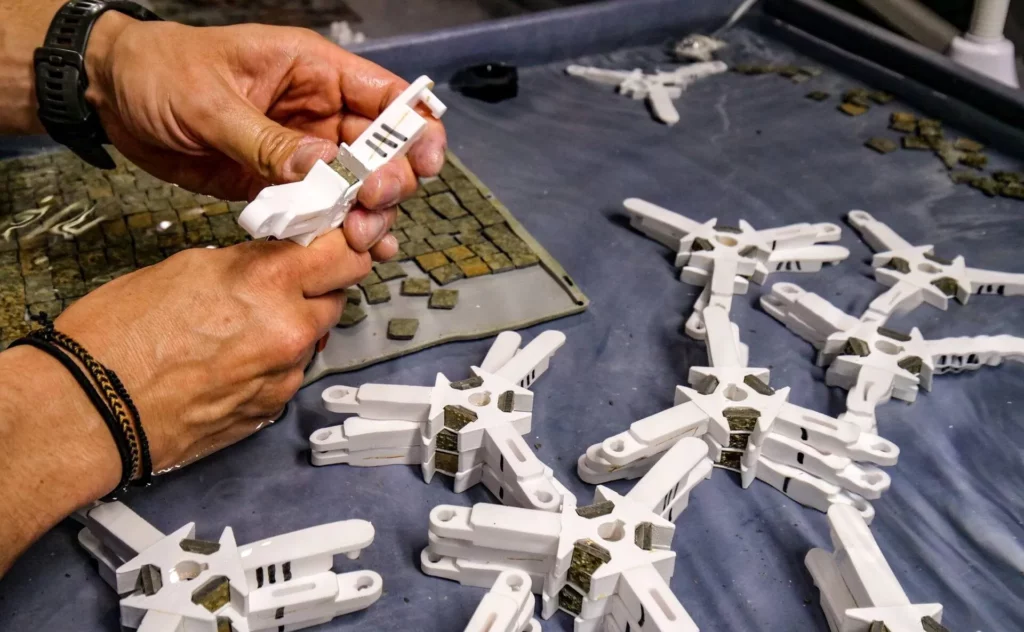
Succeeding in this undertaking at the speed and scale required amid the repeated mass-bleaching events of recent years has proved challenging, with each coral cradle normally taking up to 90 seconds to assemble by hand.
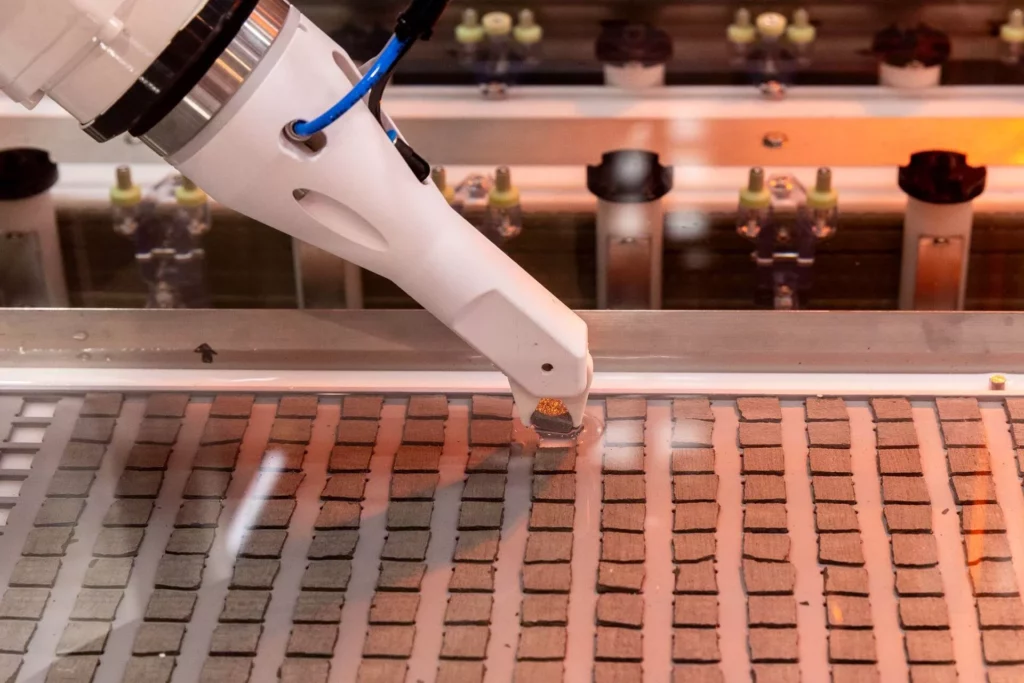
Using the semi-automated Machine One system developed under McLaren Racing’s Accelerator Programme the same task can be completed in as little as 10 seconds, providing the potential to assemble up to 100,000 coral-seeding devices a week.
This could boost out-planting from the current 100,000 corals a year to 1 million – and at a significantly reduced cost, according to McLaren and GBRF.
“We are in a race against time, working at a scale that can feel impossible,” said GBRF managing director Anna Marsden. “But this partnership is proving that world-class engineering can help close that gap, and that delivering restoration at the speed and scale the reef demands is still possible.”
Field trials
Following in-factory testing, Machine One is about to be trialled at the National Sea Simulator in Townsville ahead of this year’s spawning season.
McLaren Racing engineers within the Accelerator Programme will work with marine scientists to optimise the system through the sort of performance-testing stages they would go through at the track.
If successful, Machine One could be deployed across reefs worldwide, shifting coral-restoration from small-scale pilot efforts to a globally deployable solution capable of operating at pace.
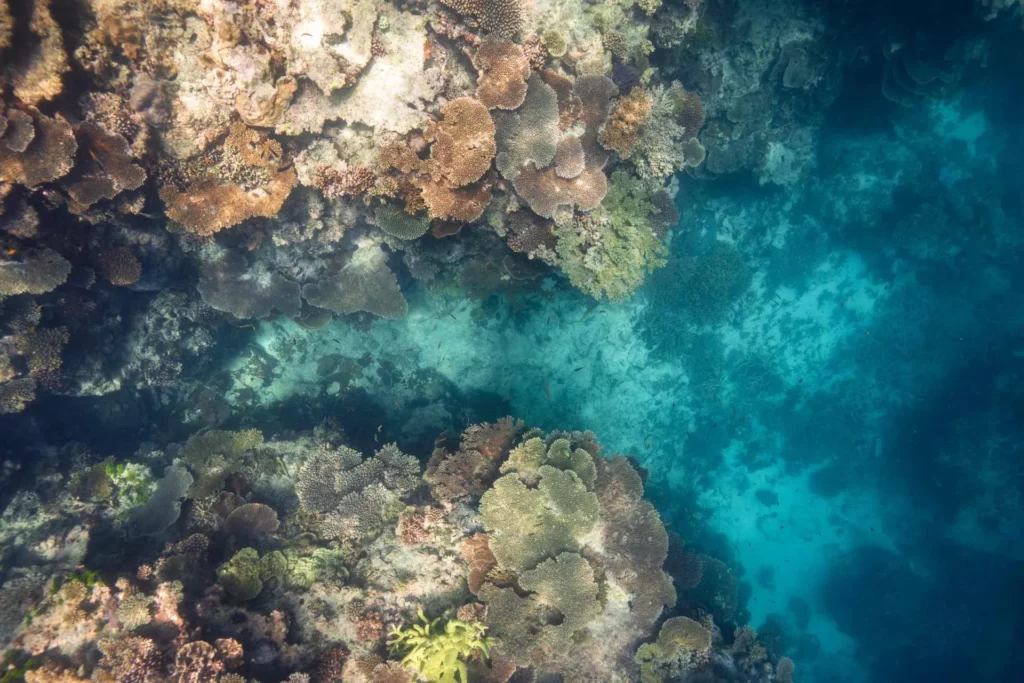
Restoration alone cannot offset the impact of climate change, says the partnership but, by improving efficiency and scale, reef resilience could be strengthened through the critical decades to come.
“These field trials will allow us to assess performance, understand limitations and refine the system before broader application,” said Dr Cedric Robillot, executive director of the Australian Institute of Marine Science’s Reef Restoration & Adaptation Program (RRAP).
“If the data supports it, this approach will represent a major step forward in how we deliver restoration globally and at scale.”
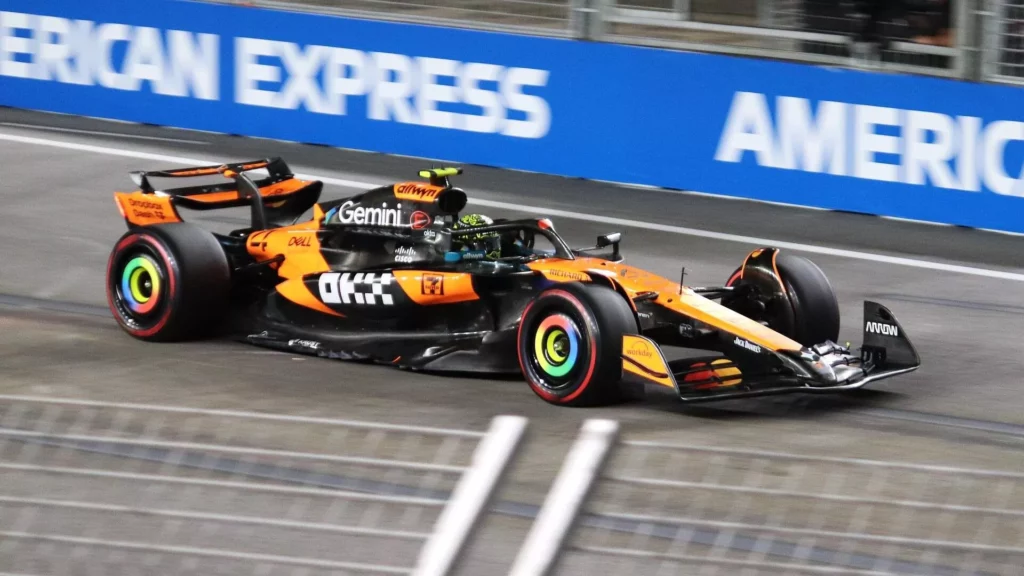
McLaren Racing was founded by New Zealand racing driver Bruce McLaren in 1963. Since entering its first F1 race in 1966, McLaren has won 23 F1 world championships, more than 200 F1 Grands Prix, the Indianapolis 500 three times and the Le Mans 24 Hours at its first attempt.
The Australian Grand Prix unfortunately proved not to be the team’s finest hour on the track, with Oscar Piastri crashing out before the race and Lando Norris finishing fifth, but the National Sea Simulator results are expected to prove considerably more positive.
Also on Divernet: Overhead reef-sensing takes guesswork out of coral restoration