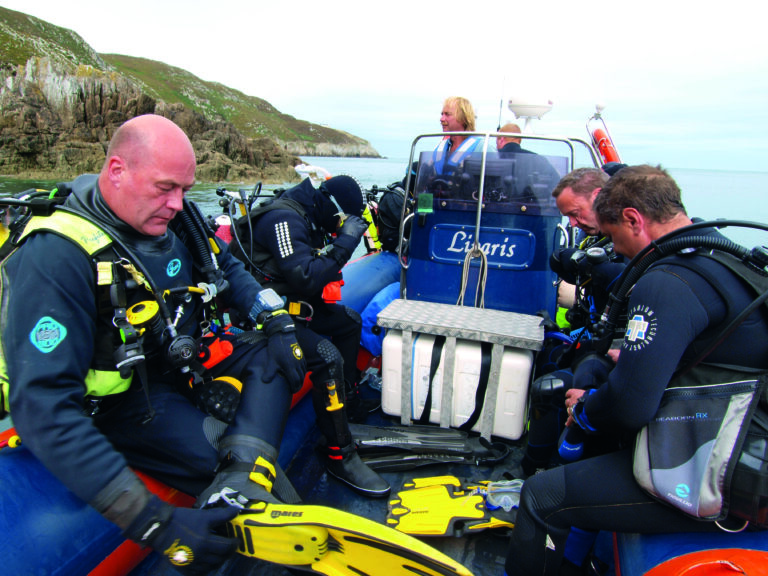
If your dive-gear isn’t up to scratch, it doesn’t matter how in shape you are – you‘re going to be risking potentially life-threatening issues. Our panel of dive-industry experts discuss the importance of checks, especially pre-season after a six-month layoff
Mary Tetley, BSAC Chief Executive: “When it comes to dive equipment, prevention is better than cure, so the first piece of advice when it comes to preparing kit for the new season is to ensure that it is packed away correctly when hanging up your fins for the winter.
“Zips cleaned and waxed, regs and BCs rinsed, drysuits stored out of the way of little critters that might have a nibble… you want no surprises when the frosts thaw and you’ a’re ready to unfurl your kit for the new season ahead.
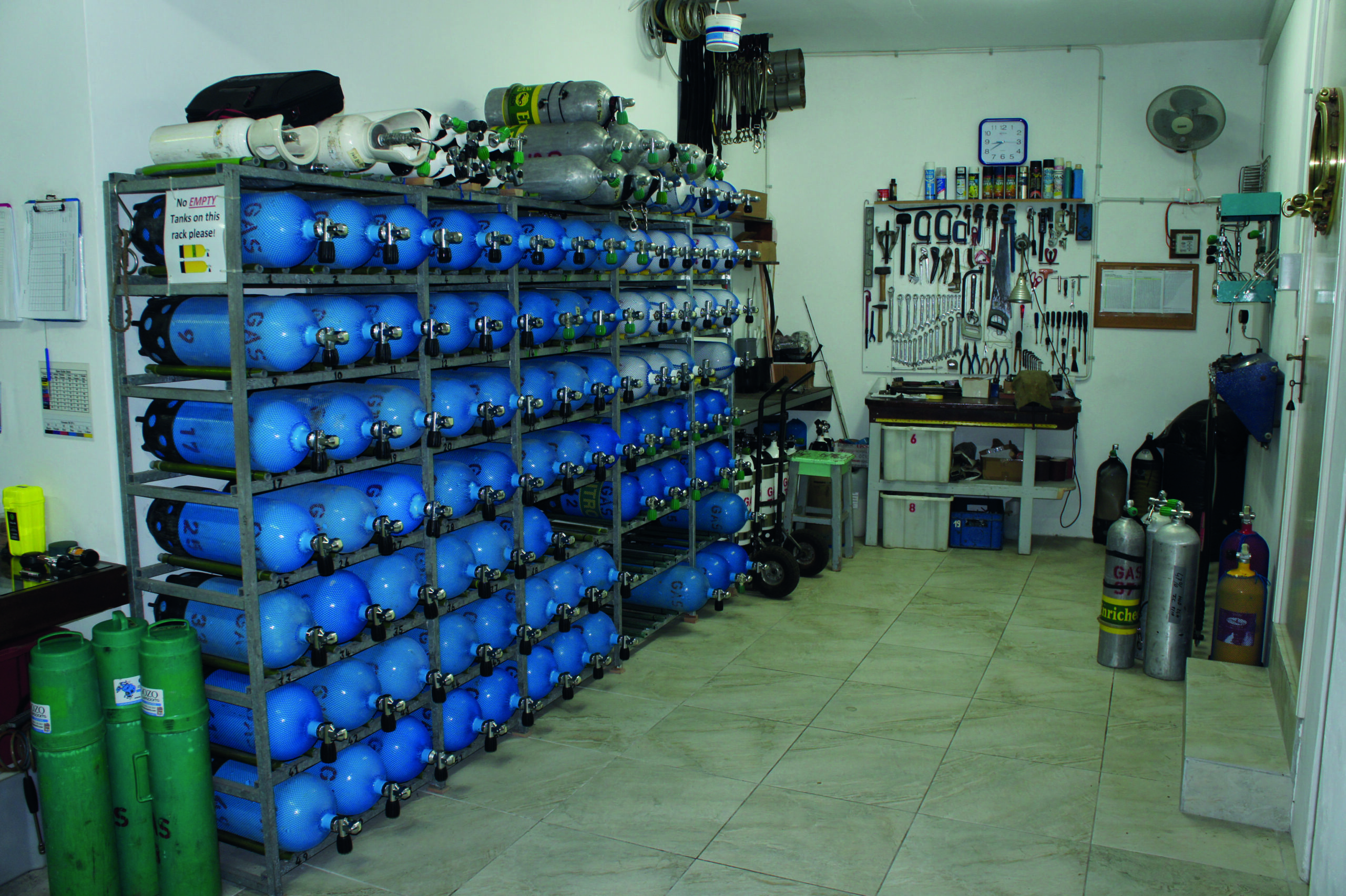
“Before you set off for the first dive of the season, a little time working through a pre-season kit checklist will then ensure that you are totally dive-ready. Are all your cylinders in test, and have your regs had their annual service? Pop these dates in your phone calendar and set a reminder so that you’re always ‘good to go’.
“Next, lay out your kit so that you can check for signs of winter deterioration. With your drysuit, look out for any holes and test for leaks, check zips to ensure that they’re not crusty and the rubber hasn’t hardened, and get repaired if needs be.
“Is your drysuit’s inflator valve operating smoothly or is it starting to stick? If so, it could do with a service, so speak to your local dive-shop. Wrist- and neck-seals – especially if they are latex – can deteriorate so check these too. An unexpected in-rush of water on your first dive is never pleasant!
“Check the inflator and dump valves on your BC to make sure they are not sticking, and that the bladders retain gas when you inflate. Check the batteries in your dive-computer and take a little time to unwind and re-spool your reel to ensure that there are no old kinks or knots that could jam when you deploy your DSMB for real.
“Also, why not take a little time to re-evaluate your kit, to see if anything is in dire need of replacing? You might have a fondness for your old hood, but it is really still fit for purpose or are you hanging on to it out of sheer nostalgia? Don’t forget to check your spares kit and replenish… this little act now could save the day when you eventually get out on the dive-boat.
“Finally, go for a test run! Get in the pool or inland site with your core kit and ensure that it all works… and works for you.”

TDI/SDI Business Development Manager Mark Powell: “Most equipment problems don’t start in the water. They start on land before the dive and we then take that problem into the water, where eventually it causes an issue. This is especially true at the start of the year.
Equipment has been unused, left in a cold garage or storage area and might not have been cleaned or maintained after its last use six months ago. This means that the first dive of the year is a common time for equipment problems to occur.
The good news is that most of these equipment problems can be avoided by some equipment maintenance and servicing.
“Now is the time to check whether your cylinders and regulators need servicing. Most manufacturers recommend that their regulators should be serviced every year. In the UK cylinders will need hydrostatic testing every five years, a visual inspection every two-and-a-half years and oxygen cleaning every 15 months.
If your cylinder didn’t get a test or inspection last year, then it will almost certainly need one this year and there is a chance it is already past its date. If you use nitrox in your cylinder then, unless you had it oxygen cleaned in the last half of last year, then it will soon need cleaning again.
Now is the time to check the dates on your cylinders and take your cylinders and regulators down to your local dive centre to get all of this done. If you take your scuba equipment to your local dive centre in February, March or April, you will get a warm smile, a cup of tea and a chat together with a quick turn around on your servicing.
The reason for this is that most people leave their servicing until the last minute, so your dive centre will be glad that you brought your equipment in with plenty of time to spare.

On the other hand, if you take your equipment in two weeks before Easter and ask for a quick turnaround on your servicing before your first dive trip at Easter then you will get a gruff response, no cup of tea and only a vague commitment on when it will be done by.
That is because you are the tenth person that morning that has brought their equipment in for urgent servicing due to leaving it until the last minute. The only thing worse than this is turning up for your first dive of the year and discovering that your cylinder has been out of test since last November and the dive centre refuses to fill it.
As soon as you have finished this article, go check your cylinders and book a trip to your local dive centre to get your cylinders tested.
“For the rest of your equipment it may not need to be serviced at your dive centre, there is plenty of maintenance you can do yourself. Check the strap and skirts of your diving mask to make sure they have not split or perished.
Also check that the glass is securely fixed. If you look inside you may see some mould or other growth so you can take the opportunity to thoroughly clean the mask. Don’t forget your back-up mark also in this process.
Fin straps should also be checked. Straps do not spontaneously break but instead they slowly start to perish over time. if you start to see any damage then change the strap now before it breaks. This is also an ideal time to check your dive computer.
If the battery is getting low then you can change it or if it is not user-changeable, you can take it to your dive centre when you get your cylinder and regulators tested and ask them to change the battery at the same time.
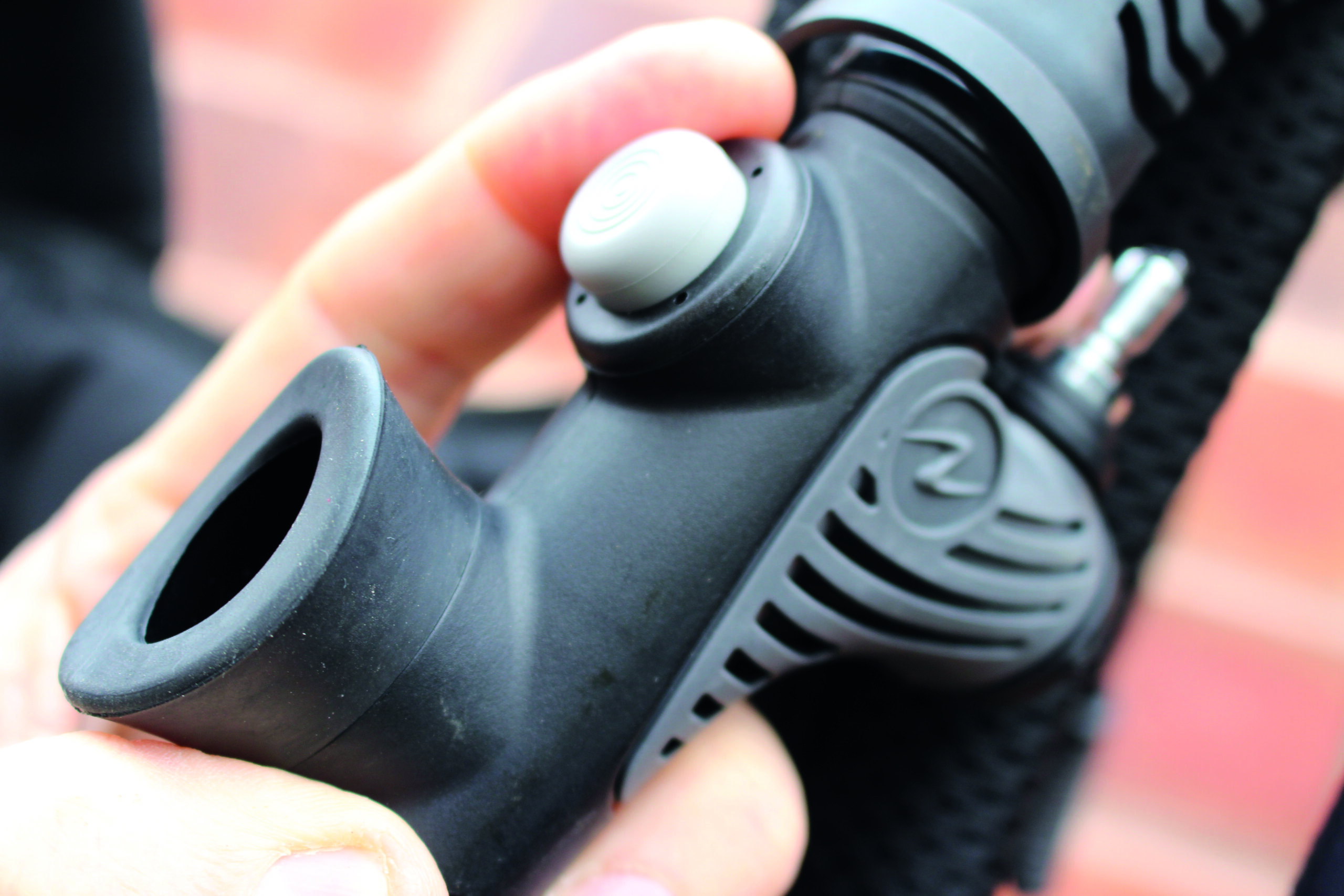
Your BCD is also a critical piece of scuba equipment. Over time, the low-pressure inflators can get a build up of salt or corrosion on them and make it harder to connect and disconnect the hose. The inflator button may get sticky and not release as easily.
The string on the dump valves can become worn or even break. If you are happy to clean and maintain these items then now is the ideal time to do this. If you are unsure how to look after your kit then many agencies run an equipment course that is designed to show you how to look after your equipment. However, servicing of regulators and life support equipment should only be done by those with the training, knowledge and experience to do it safely.
“Drysuits should also be checked at the start of the year. Have a look at the wrist and neck seals and see if there is any damage or deterioration. Make sure that the zip is well lubricated and there are no loose or missing teeth. Check also that the dump valves and low pressure inflator are working properly and can be attached a removed easily.
“After all of this has been done it is a good idea to check your equipment in a pool before jumping in for your first dive of the year. No one is perfect and even regulators or a BCD that has just been serviced may still have an issue.
Finding this out in a pool is just an inconvenience and, if you have left enough time, can be easily resolved before your first dive trip. If you have left it until the last minute or have not checked the equipment before the first dive, then any problem will result in a cancelled dive or worse.”

Tim Clements from IANTD said: “If you are the kind of diver that would check their car for an MOT by attempting a record lap of the Nurburgring, then you should stop reading now and jump into 100m without checking your gear. If, however, you have grain of common sense then there are a few sensible things you can do.
“The first is to have a visual check over all your gear and identify anything actually broken! Then assemble carefully and test – positive / negative, breathing, clipping – a full function test.
“Check what service intervals are due and service early with an accredited facility for your brand. You don’t want to be wondering if Nice Nobby who did it for nothing really has all the tools and test gear – it’s your life, make sure.
If the service interval is due in the middle of the season, get it done early – you don’t want to lose dives. Don’t be cheap, it’s expensive in the long run. CCR cells, in particular.
“Lastly, take it easy on those first few dives – maybe a practice lap before that first corner tussle…”
Emma Hewitt, PADI Regional Manager for Southern UK and Ireland and a PADI Master Instructor, said: “After having not dived for the winter season, preparing for the new diving season will mean needing to service various pieces of equipment.
To ensure safety for all upcoming dives do not skip on this servicing and ensure that the gear is taken to reputable, qualified service technicians to carry out the work. When you have all kit back and you are ready for your first dive of the year, be sure to make this a simple, shallow dive to check all kit is working well and you are feeling comfortable.”
Emily Petley-Jones, a PADI Examiner and ex-dive shop owner, said: “From the days I used to work in a dive shop, it was a surprisingly common occurrence that divers would come in to the shop with their kit and expect a service to be completed in time for their holiday… the next day.
Servicing your life supporting equipment is something which should not be rushed, and keeping in mind the huge variety of all the different regulators and BCDs out there, it certainly is no guarantee that your dive centre will always have the correct service kits in stock. You should also allow time to test your regulators and BCD after they have been serviced before you go away anywhere.”

Matt Clements, PADI Regional Manager for UK North and Malta and a PADI Master Instructor, said: “If your kit has been left over winter (or longer), then it’s worth checking it all over for damage, it might not have been completely dry or had some critters finding a home.
I would look carefully at your scuba diving suit and BCD checking the seals, zips and seams, make sure you lube/wax/grease as needed.
Check visible O-rings (first are they there still, second are they in good condition), press and depress inflators, etc – everything should move freely and feel solid.
Clips and buckles should be rust free, give your torch a good clean/lube and battery charge, mask and fin straps also should all be in good condition. If you have an in-date cylinder with a known gas, then it would be good to do a complete assembly and check. If you are in doubt, take it to your local centre for a check/service before getting near the water.”
Vikki Batten, PADI’s Training Supervisor and a keen UK diver, said: “As well as checking kit, don’t forget to check yourself. Don’t just rush into the same dives you were doing at the end of last diving season, a pool or shallow water is the best place to start and make sure you practice your skills – especially the ones you don’t like! The next step is a dive in full kit but in easy conditions and not to your full depth capacity.
Simulated dives are a very underused tool, but really prepare you for the dives you want to be doing. If you were confidently diving to 30m last year, you should work back up to that over a few dives making sure to practice the same dive plan and teamwork, just shallower and in benign conditions.
Once you are comfortable with these dives get yourself back in with a dive that is within your normal range, but not pushing anything. ‘Diving yourself up’ will make your diving more fun because you’ll be comfortable and safer because you are well rehearsed if anything does go wrong.”
Photographs by Mark Evans
FAQ
Q: Why is it important to check scuba equipment before the new season?
A: After months in storage, gear can deteriorate or seize up. Early checks help avoid potentially dangerous failures and ensure your equipment is dive-ready.
Q: How often should scuba regulators be serviced?
A: Most manufacturers recommend annual servicing. Always have them checked by an accredited technician before the season starts.
Q: How frequently should dive cylinders be tested?
A: In the UK, cylinders require a hydrostatic test every 5 years, a visual inspection every 2.5 years, and oxygen cleaning every 15 months if used with nitrox.
Q: What signs of wear should I look for on my drysuit and BCD?
A: Check zips, inflator and dump valves, and seals for deterioration. Ensure BCD bladders hold air and drysuit valves work smoothly.
Q: Can I do any equipment maintenance myself?
A: Yes. You can clean and inspect masks, straps, fins, and O-rings, and replace perished parts. However, regulators and life-support systems should only be serviced by professionals.
Q: Should I do a test dive before my first trip of the season?
A: Absolutely. A pool session or shallow check dive helps ensure your kit functions correctly and gives you confidence before open water.
This article was originally published in Scuba Diver Magazine
Subscribe today with promo code DIVE1 — enjoy 12 months for just £1!