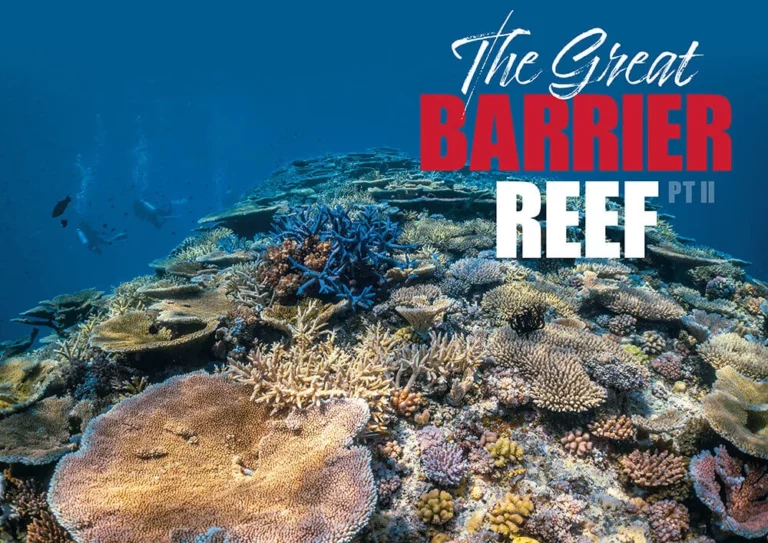
Modern protection efforts for the Great Barrier Reef are the focus of John Magee’s latest exploration, as he examines the threats facing this fragile paradise and the groundbreaking work being done to preserve it.
Photographs by John Magee & Cathie Cummins
This is Part 2 of a three-part exploration of the Great Barrier Reef by John Magee.
Part 1: Ancient Origins | Part 2: Guarding the Glasshouse | Part 3: A Sustainable Future
Around the world, organisations and governments are working tirelessly to protect our coral reefs in more ways than you could ever think of. The Great Barrier Reef is just one of many reef systems with measures in place to look after it, but have you ever really gone for an in-depth (pun most definitely intended) look into what that looks like on your reef?
A Global Precedent: The 1975 Marine Park
Here in Australia, we were lucky enough to have groups that built a marine park that covered the entirety of the Great Barrier Reef back in 1975. This was only the third marine park in the world at this time and set the precedent for protecting large areas of reef and coastal waters. Since this time, it has continued to be a world leader with a strong leadership that is copied around the globe. But what exactly lies at the heart of these modern protection efforts, and what are we trying to protect?
With the Great Barrier Reef being one of the only natural made objects that can be seen from space, it is hard to imagine, but extremely important to remember, that a reef structure spanning 2400km in length is made up of tiny creatures called coral polyps that are only millimetres in length on their own. The Great Barrier Reef is unique as it is so large that it makes up 10% of all known corals in the world and extends over 14 different degrees of latitude.
The Science of Survival: Coral Polyps and Symbiosis
Corals are a complex creature, a symbiotic relationship between zooxanthellae (a type of single cell algae) and the coral polyp itself. Zooxanthellae uses photosynthesis to survive and feeds the coral with the byproducts of this reaction. It is also what gives the majority of hard corals their colours, hence why most corals are natural in colour, as they get their colour from a type of algae.
The brighter corals have proteins in their tissue as well that give them more vivid colourations. One of the first questions an experienced diver will often ask is ‘what’s the visibility?’ as we all know that a dive with beautiful visibility is a winner. But did you know that this very factor is also what has driven the symbiotic relationship in corals to develop.
Clear water does not hold many nutrients, murky water holds lots. So, in the equivalent of a nutrient desert, corals had to evolve a different way to feed themselves and this led to the symbiotic relationship that you can see today.

Resilience and Temperature: Lessons from the Red Sea
Corals also survive in a wide variety of temperatures. It is a common story that corals are delicate and fragile animals but time and time again, they have proven their resilience. It is thanks to this resilience that they can survive in a variety of temperatures, anything from 18 to 31 degrees Celsius. However, corals that are happy at 18, are not at 31, and vice versa. They tend to have a set of temperatures that they thrive in and don’t do well outside of these ranges.
The exception to this would be corals in the Red Sea. These corals frequently experience temperatures that drop to 18 degrees C in the winter and in the summer, can reach 31 degrees C. When other corals would experience bleaching with this large range, the corals in the Red Sea take it in their stride. This is one of the many reasons why these corals are being studied extensively to see how their comfortable range works and if it can be applied to corals around the world in the face of a changing climate.
Biodiversity and Modern Protection Efforts
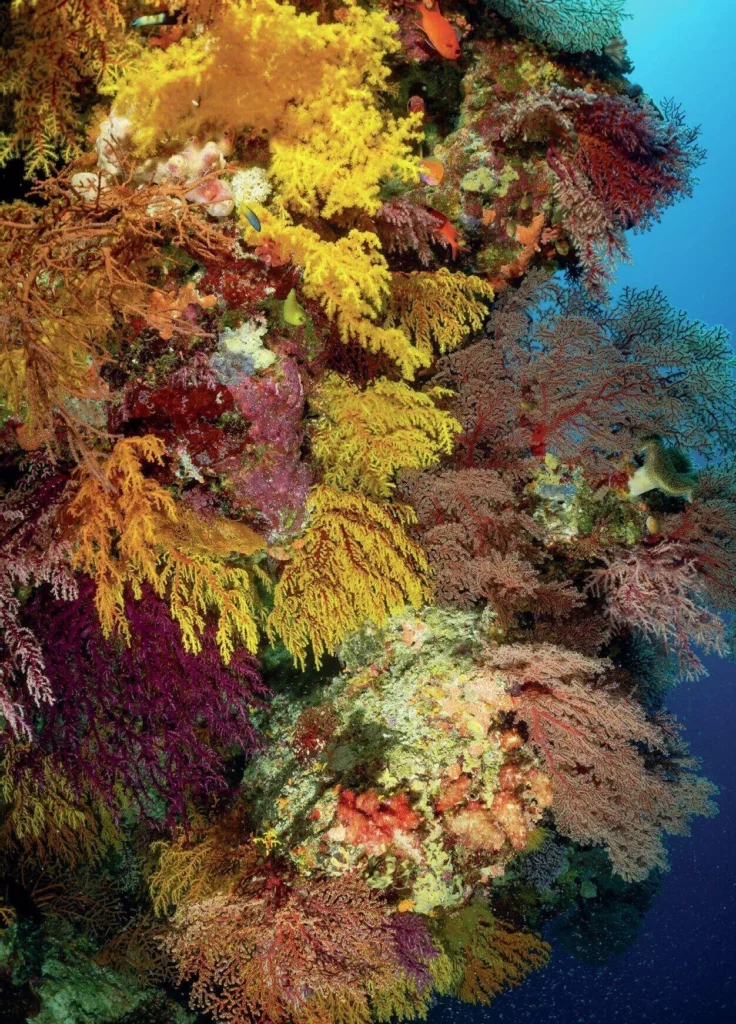
The Great Barrier Reef is complex and diverse. In part one, we described Earth as being a ‘Goldilocks’ planet, all conditions being just right in order to sustain and build life as we know it, but it turns out that the reef is a ‘Goldilocks’ zone itself. The conditions here, combined with its size, mean that our diversity is second only to the birthplace of corals, the Coral Triangle in the Indo Pacific, and its habitats include everything from shallow estuarine reefs and mangrove forests to deep oceanic waters and coral cays.
“Depending on where they are in the world, they can see things like pollution, ocean acidification, pesticide run off, shark culling or outbreaks of coral predators to name just a few”
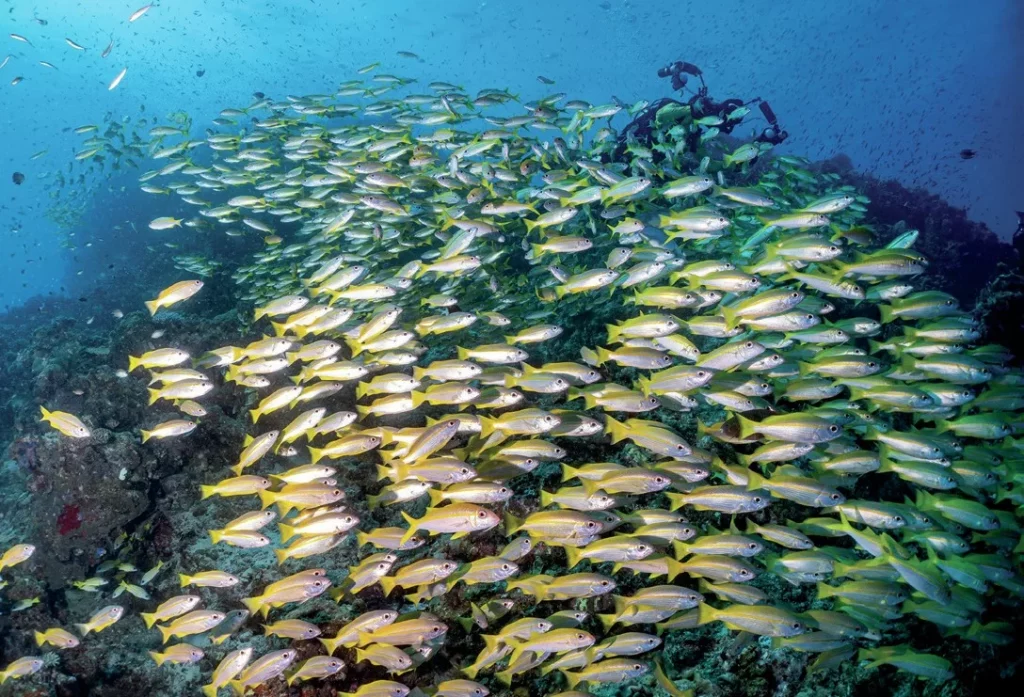
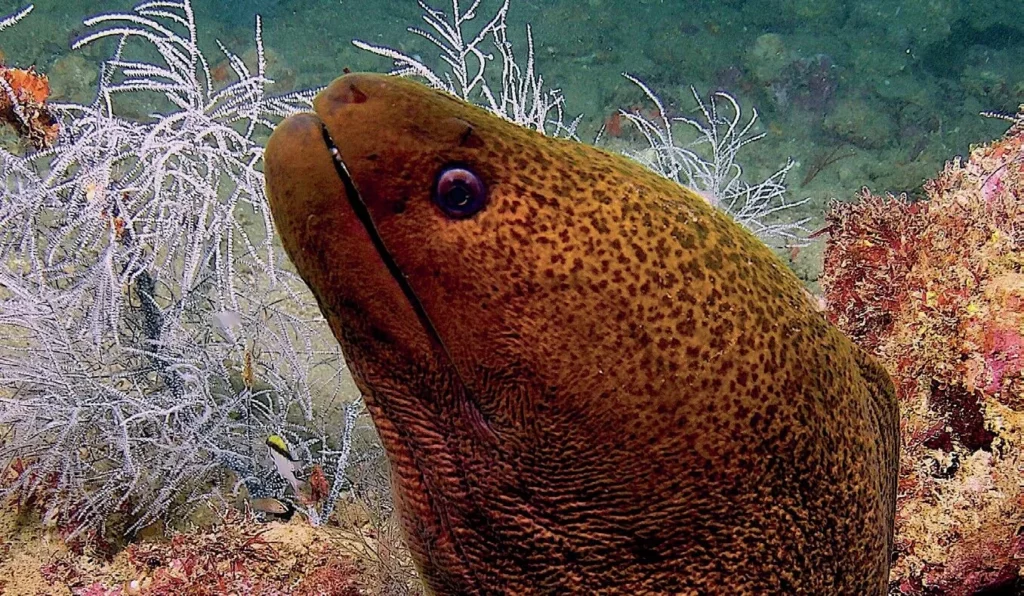
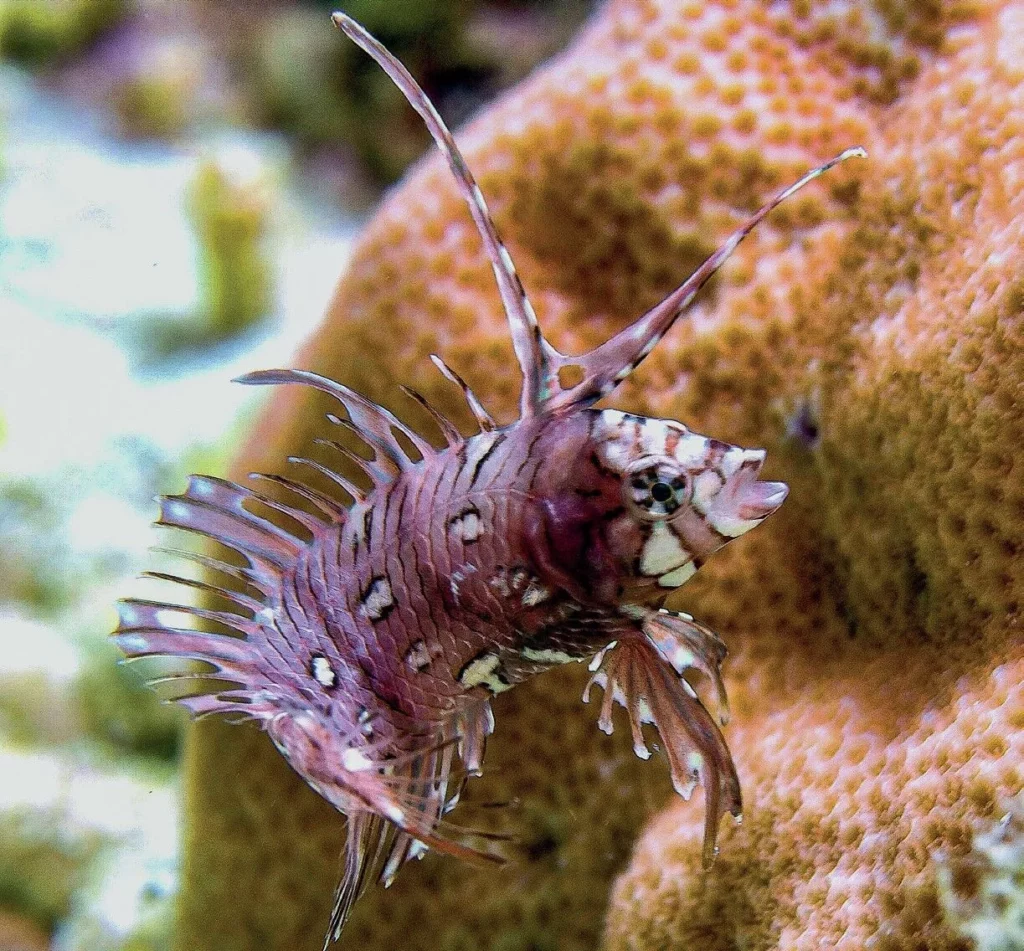
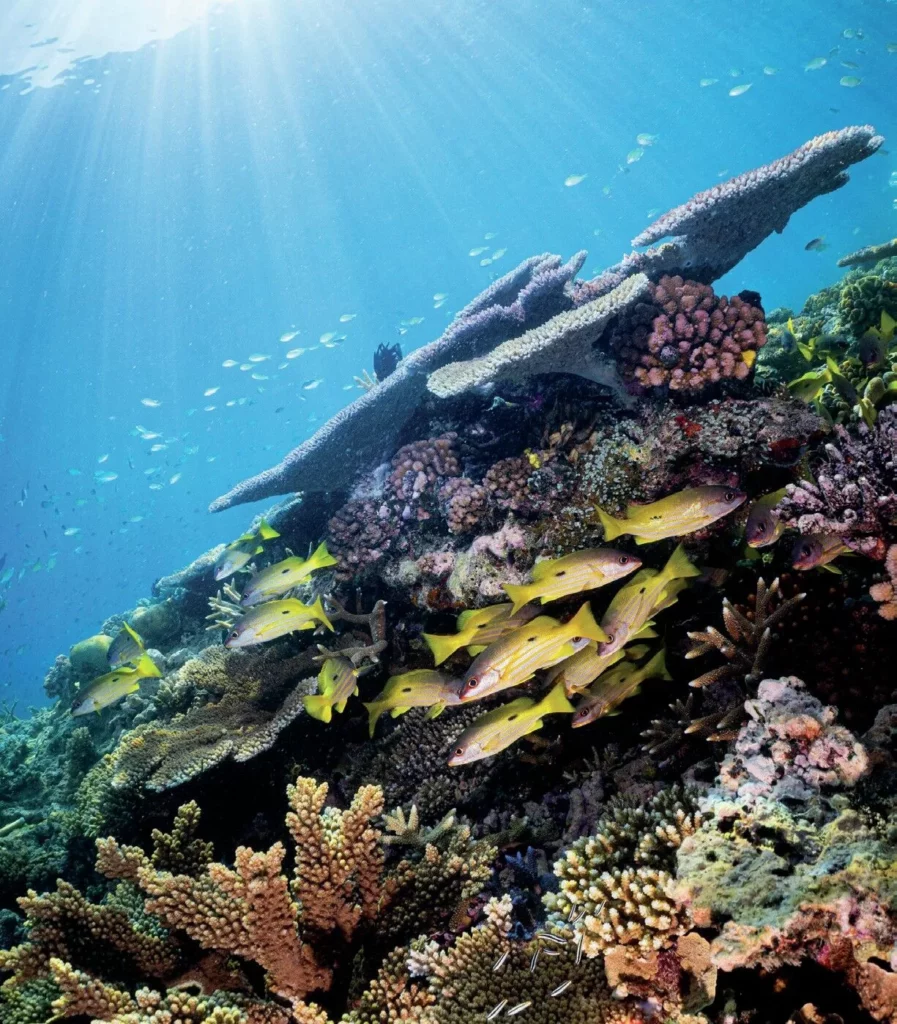
When it comes to biodiversity, the Great Barrier Reef claims over 450 types of coral, 1,625 species of fish, 130 species of sharks and ray and six out of seven of the world’s turtles nest on its beaches. The exciting part, that these are only what we have currently found, new species are being found all the time, with two new species of fish found in 2024 alone.

The Reef Authority: Leading Modern Protection Efforts
Because of this, the Reef requires a complex management system that evolves alongside modern protection efforts to stay ahead of environmental changes.! It is managed by the Great Barrier Reef Marine Park Authority (the Reef Authority), and within the large organisation, all areas and stakeholders are represented. From Traditional Owners to Scientist, Tourism operators to the Commercial Fishing industry; at any meeting to discuss the future of the Great Barrier Reef, all stakeholders come to the table to make joint decisions on the management.
Did You Know?
The Great Barrier Reef serves as a vital habitat for vulnerable and endangered species, such as the dugong and the large green turtle.
The Climate Challenge: Bleaching and UNESCO
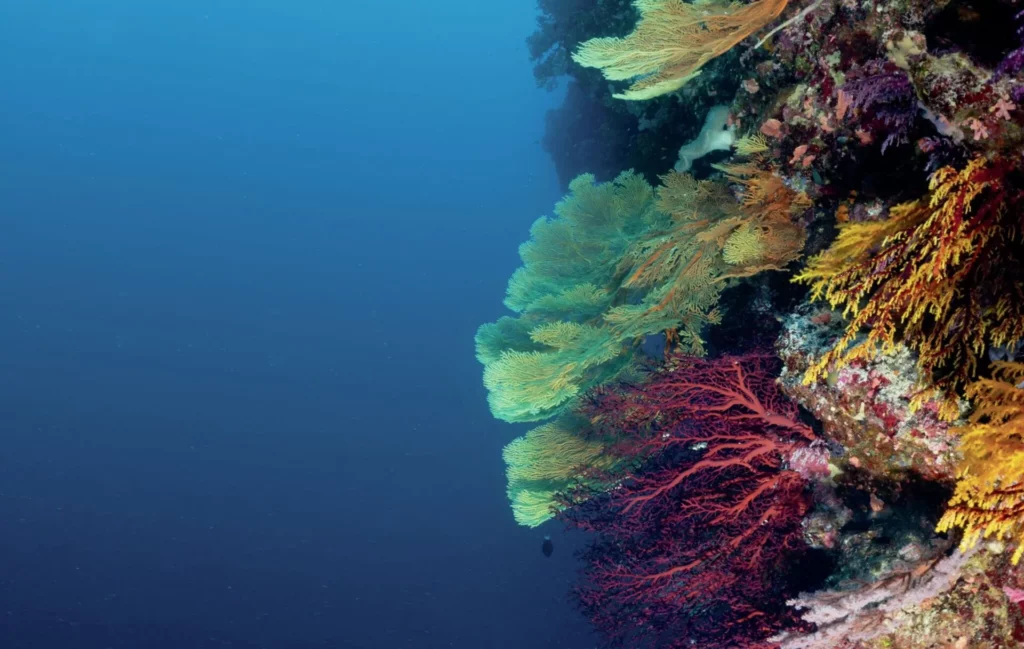
Humans have been burning coal and later oil since the Industrial Revolution, and you may have thought that with the information we all know now, we might have changed our ways. However, climate change has come for us all and is moving far faster than scientists predicted. This is affecting ecosystems around the world and none more than coral reefs.
Since 1998, the Great Barrier Reef has suffered six mass bleaching events. The events in 2016 and 2017 were so severe that they led to nearly a decrease by over half on some reefs that were surveyed. In 2023, the Caribbean reefs saw a decline of nearly 90% on some reefs. Reef systems around the world have more than just climate change to contend with however. Depending on where they are in the world, they can see things like pollution, ocean acidification, pesticide run off, shark culling or outbreaks of coral predators to name just a few.
In 2017, UNESCO expressed serious concern about the impact of climate change on the Great Barrier Reef. Since then, the reef has been watched and reported on annually by the government to the UNESCO board with them ffinally deciding in 2023 that the reef here did not need to be placed on the ‘in danger’ list, largely due to the transparency and success of Australia’s modern protection efforts.
However, UNESCO requires a report every year as to how the government is responding to the threat of climate change within the context of the Great Barrier Reef. There are many other reefs on the UNESCO World Heritage list and yet only the Great Barrier Reef has been singled out for this, despite climate change threats being seen on reefs worldwide.
The Roadmap: The Reef 2050 Plan
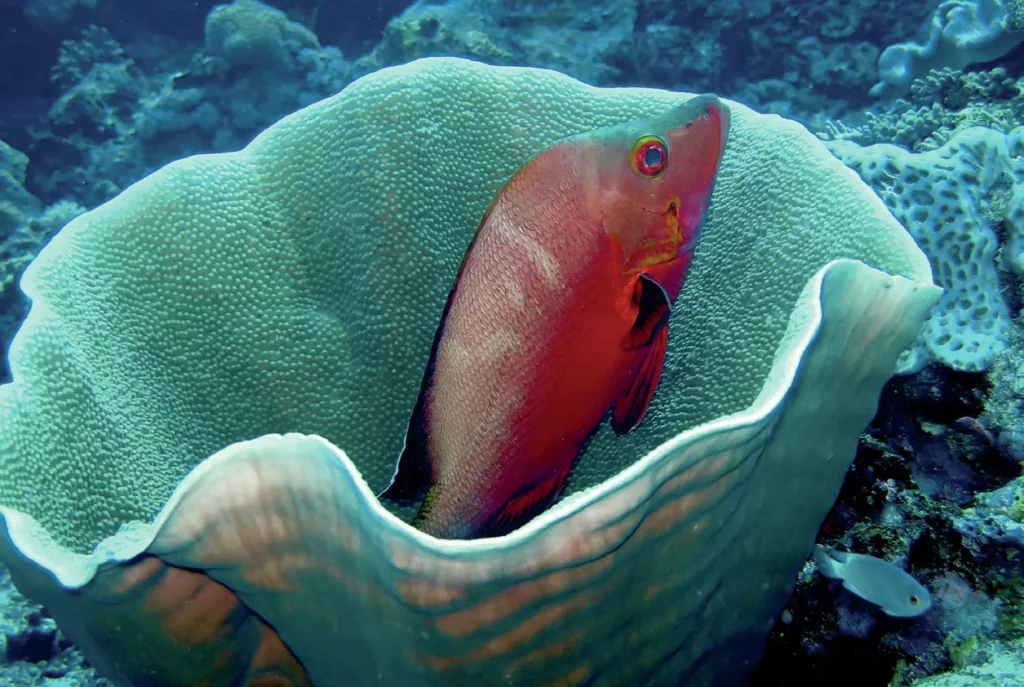
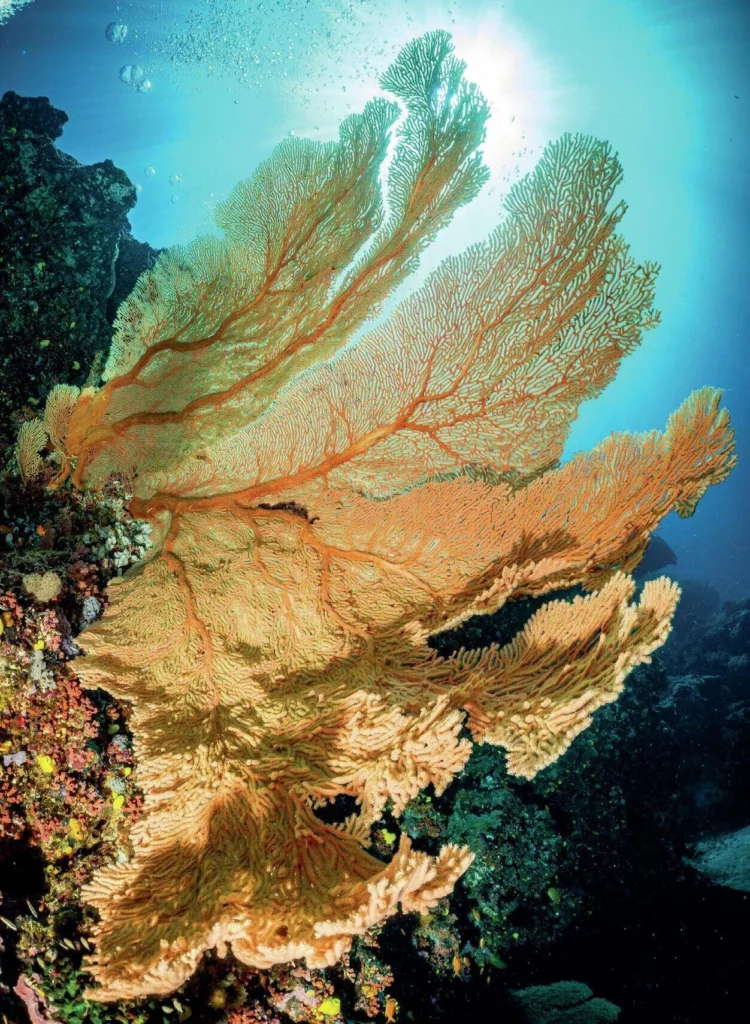
To respond to climate change and help improve the reefs chances for the future, the Reef Authority developed the Reef 2050 plan. This long-term strategy coordinates modern protection efforts across government and community sectors, to improve each decade between now and 2050 and continues to keep the reef as a natural wonder for future generations. It focuses on:
- Water Quality: Reducing land-based runoff.
- Biodiversity: Protecting habitats for species like dugongs.
- Climate Action: Supporting international efforts to reduce emissions.
- Community Engagement: Partnering with Traditional Owners and locals.
An Economic and Ecological Powerhouse
In Queensland, the reef is an economic powerhouse, contributing nearly $6.5 billion dollars each year to the Australian economy and providing 64,000 full time jobs. This, combined with its ecological importance makes it a crucial reef to protect to the highest level possible and so you can see why there are so many policies and documents! Worldwide there is outcry about the decline of coral reefs around the world.
Reefs contain a higher diversity than all other ecosystems, even including some rainforests. It has taken millions of years for the creatures found on our planet to evolve to what we see now and yet in a space of less than 100 years, we are quickly hurting any plans these animals might have for the future.
With hundreds of resilience projects and monitoring sites around the world, scientists are in the best possible position to help where they can. It is important to remember that we are seeing a world-wide change though, not just on the Great Barrier Reef and corals need protection everywhere. Australia is in a great position as a world leader in research and policy and is making waves (another pun, yes, we’re sorry) in the communities to push change and expand modern protection efforts for these amazing ecosystems..
To respond to climate change and help improve the reefs chances for the future, the Reef Authority developed the Reef 2050 plan.
The Great Barrier Reef Series
This article is Part 1 of a special three-part exploration by John Magee into the past, present, and future of the world’s greatest living structure.
- Part 1: Ancient Origins & The Fight for Survival – The geological history and the movement to save the reef from industry.
- Part 2: Guarding the Glasshouse – Modern protection efforts, park management, and the frontline defense of the reef.
- Part 3: A Sustainable Future – Groundbreaking science, coral IVF, and the environmental programs transforming our oceans.

FAQs
What is the Reef 2050 Plan?
The Reef 2050 Plan is a comprehensive framework developed by the Australian government and the Reef Authority. It outlines specific management actions to improve the health and resilience of the Great Barrier Reef every decade until 2050.
How do coral polyps get their food and color?
Corals have a symbiotic relationship with zooxanthellae (single-celled algae). The algae use photosynthesis to provide the coral with nutrients and color. In exchange, the coral polyp provides the algae with a protected environment and compounds for photosynthesis.
Why is the Great Barrier Reef often called a “Goldilocks” zone?
The reef is considered a “Goldilocks” zone because it provides the perfect balance of temperature, light, and water quality to support massive biodiversity, including 10% of the world’s known corals and over 1,600 fish species.
What causes coral bleaching on the Great Barrier Reef?
Coral bleaching occurs when corals become stressed by changes in conditions, such as rising sea temperatures. They expel the symbiotic algae (zooxanthellae) living in their tissues, causing them to turn completely white and lose their primary food source.
Is the Great Barrier Reef currently on the UNESCO ‘in danger’ list?
As of late 2023, UNESCO decided not to place the reef on the ‘in danger’ list, recognizing Australia’s management efforts. however, the government must provide annual reports on how they are addressing climate change threats.
This article was originally published in Scuba Diver Magazine
Subscribe today with promo code DIVE1 — enjoy 12 months for just £1!
