
John Magee looks at how the Great Barrier Reef came into being, and the heroic efforts that have protected this incredible living structure for future generations.
Photographs by John Magee & Cathie Cummins
This is Part 1 of a three-part exploration of the Great Barrier Reef by John Magee.
Part 1: Ancient Origins | Part 2: Guarding the Glasshouse | Part 3: A Sustainable Future
In 1990, the Voyager 1 space probe took a picture from over 6 billion km away. The subject of that picture was less than 1 pixel in size and became known as the ‘Pale Blue Dot’, but was, in fact, our planet, Earth.
Earth falls into what scientists’ call ‘the goldilocks zone’, where the temperature of the planet allows for liquid water and the potential for the existence of life. The Earth has many great ecosystems and in Australia, we have one that you can even see from space – the Great Barrier Reef.
From Antarctica to the Tropics: A Continental Journey
Some 65 million years ago, Australia looked very different and was in a totally different place. Still connected to the Antarctic, the land mass was covered in conifer forests, with ferns and cycads dominating the lower plant levels. During this time, Australia as a continent was drifting away from Antarctica, slowly at first, only a few millimetres a year, speeding up eventually to its current 7cm a year. As Australia travelled north, it started drying out, finally getting to its current geographical position around 20 million years ago.
The Evolution of Modern Coral
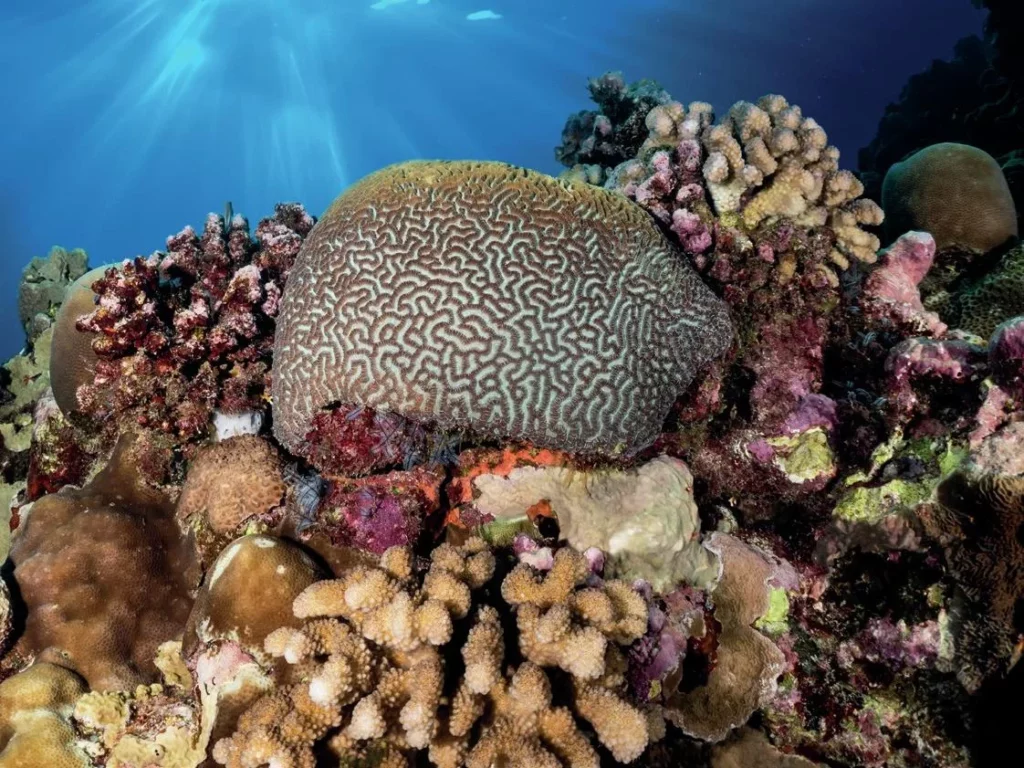
The change in latitude came with opportunities for different life to thrive. One of these life forms was the coral that we all love, however, we may not have recognised back then. To begin with, coral was very different to the ones that we know and see today. The first reef building corals emerged around 250 million years ago and although may have looked reasonably familiar to you or me, functioned very differently. Modern day corals started evolving around 100 million years ago and continued until the ancient Tethys Sea closed. The movement of land masses caused the diversity of corals due to currents constantly changing and moving.
A Young Giant: Post-Ice Age Formation
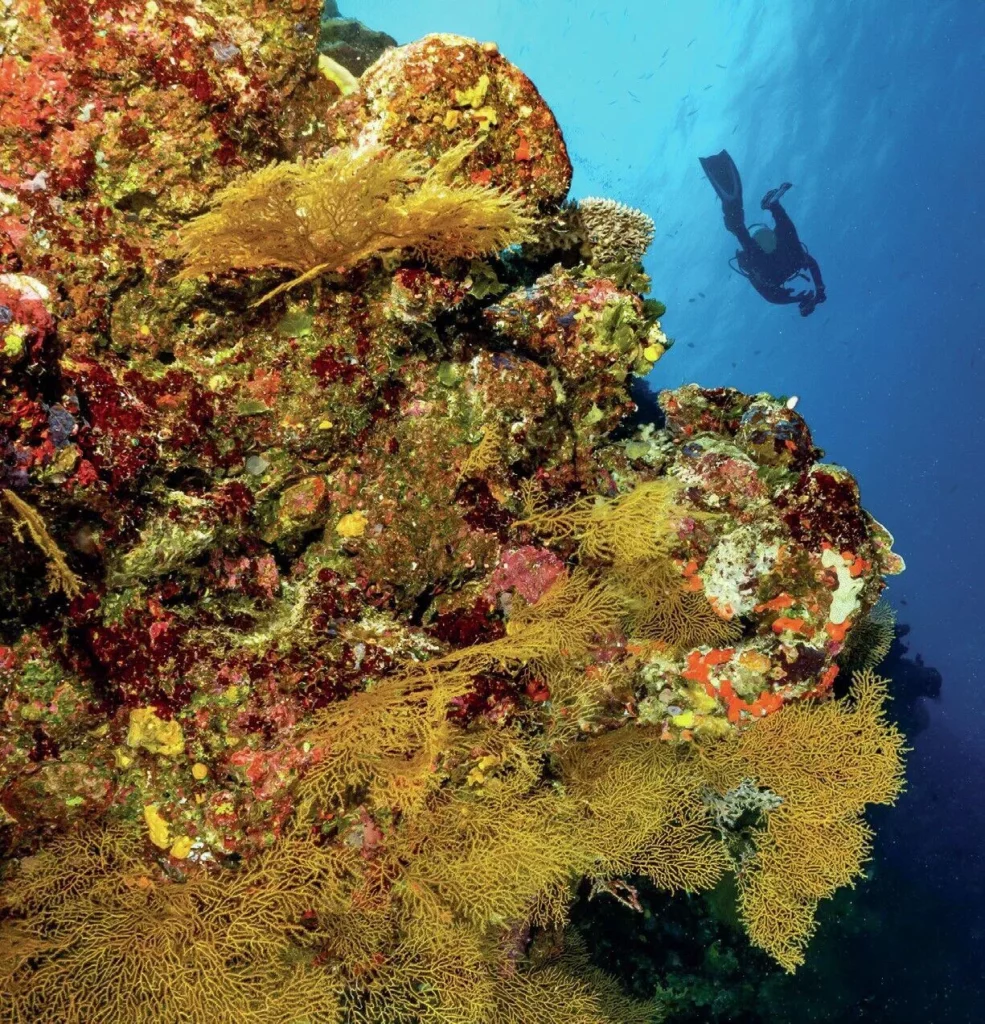
When you think of the oldest reefs around the world, due to its size, many assume that the Great Barrier Reef will be up there in age. However, this is not the case. The Great Barrier Reef is one of the youngest reefs in the world, with our modern reef only forming around 10,000 years ago. Before this time, the world was a very different place, sitting under a layer of ice and snow during the last Ice Age. During this time, the sea level dropped dramatically with all the water being taken up in icebergs. The coral that was once there died off and it was only once the sea level started rising again, that the coral started to regrow, coming in on currents from surviving reefs.
Cultural Heritage and the Dreamtime
Not only can these changes in the landscape be seen through geological records, but also in the Dreamtime stories of the Indigenous people of Australia and their history.
Did You Know?
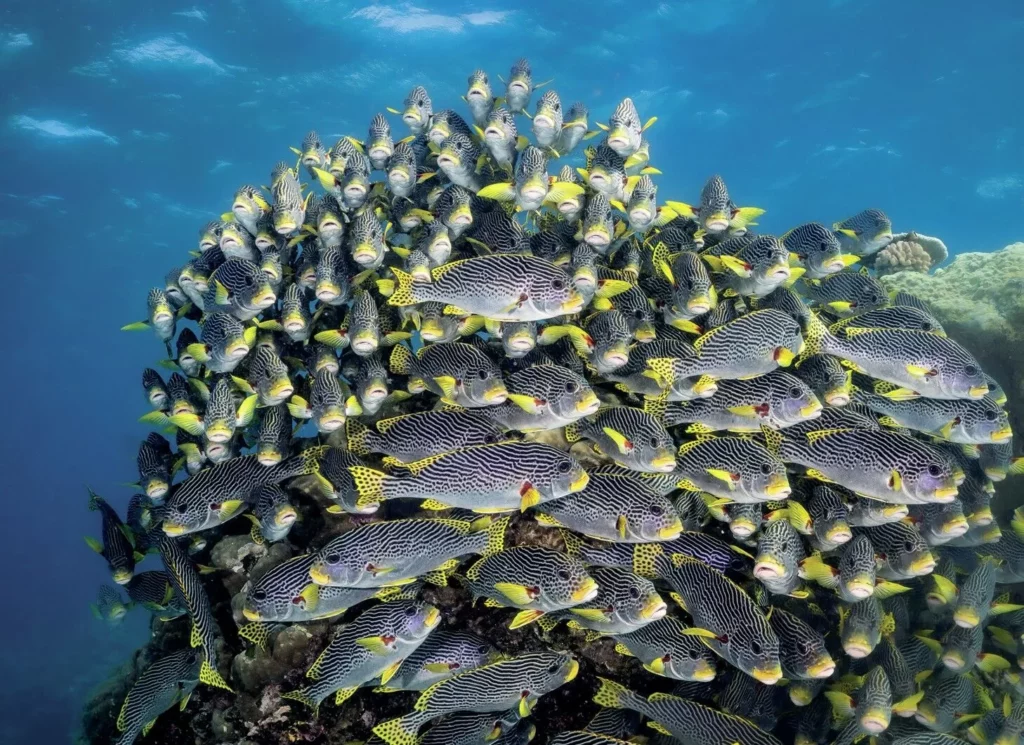
The Great Barrier Reef makes up roughly 10 per cent of the world’s coral reef ecosystems. The Reef is a Marine Park and World Heritage Area, supporting a range of commercial activities and attracting millions of visitors annually.
Ancient Voyagers and Traditional Owners
There is evidence on most islands on the Great Barrier Reef of Indigenous populations and they would often travel between the islands on dugout canoes. Islands were used for social, ceremonial and political reasons and Wunyami (Green Island), just off the coast of Cairns, was an especially important island for the Gungganji and Yidinji Traditional Owners, being used as a location for manhood ceremonies.

Early Exploration and the Naming of the Reef
The East coast of Australia saw many Europeans come and go during the ‘exploration’ period, from a Portuguese expedition in 1522 first sighting the coast, to the most famous of them, Captain Cook’s expedition in 1770. Matthew Flinders, Cook’s navigator, named the reef for what it was, thinking that it was a solid barrier between the open ocean and the coastline.
Cook had a run of bad luck on his expedition, culminating in running aground in June 1770, on a reef that we now call Endeavour Reef, named after the boat that crashed into it.
With the vast history both geological and social, you would think it would be an easy decision to protect the environment as much as possible. However, attitudes towards the environment were quite different 50 years ago, not due to lack of care, but from lack of knowledge.

Planning a trip? Learn How to Dive the Great Barrier Reef with our comprehensive guide to the best sites and experiences.
The 1960s: A Battle for the Reef’s Future
In the 1960s, two reef conservation groups started a movement to protect the reef from oil drilling and coal mining, but came up against a multitude of oppositions. In 1967, a group of farmers in the Far North of Queensland applied for a permit to mine coal on one of the reefs in the region, after claims that the reef in that area was dead after a cyclone. Concerned that the application would set a precedent for future mining on the reef, the two conservation groups joined forces to successfully oppose the proposal. Once that was passed, they quickly realised that they wouldn’t be able to fight every mining application, so they started to call on the federal government to declare the area a marine national park. It was also at this point that marine tourism started to kick off with people beginning to appreciate the reef for its natural beauty.
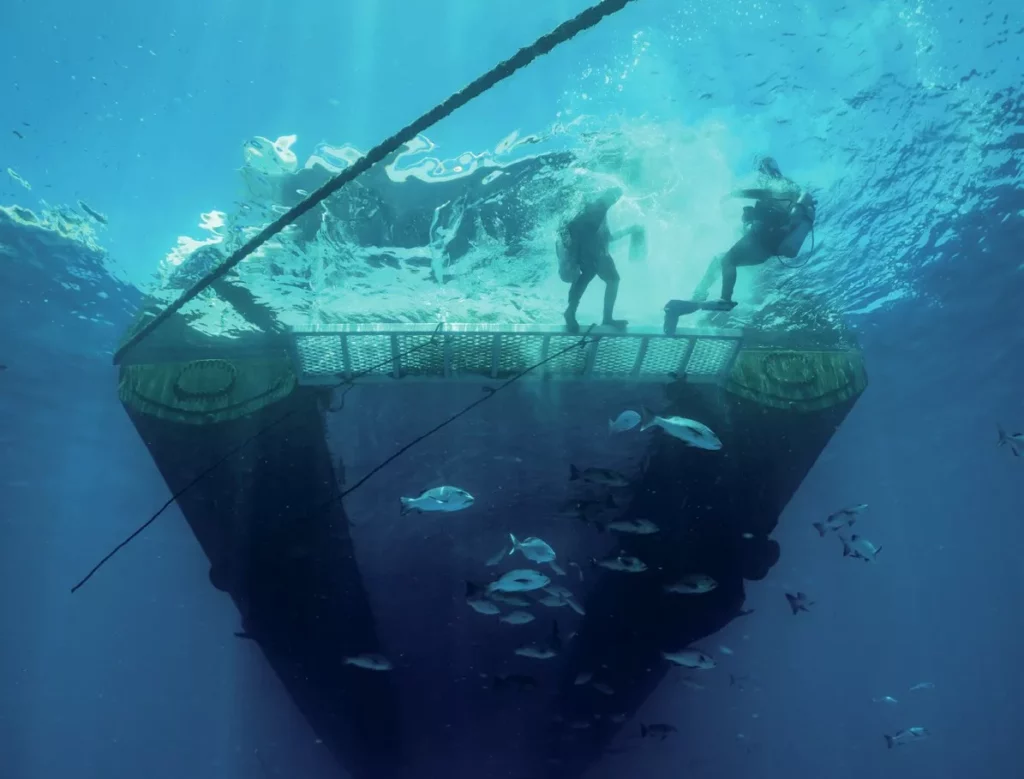
Even with an increase in mining applications and now an increase in visitors, the conservation groups were still not successful. Quite possibly because the Queensland government at the time were determined to open the entire of the Queensland coast to oil explorations. Within just two years, six different exploration holes had been drilled by different companies within the reef system and interest was through the roof about the possibilities afforded by this untapped gold (or should we say, oil) mine.
The final push from our heroic conservation groups came in 1970 when a joint venture from Australia and Japan declared they would start drilling in the Whitsundays. State councils and the public threw their support behind a ban on drilling at this point as the public opinion was beginning to turn, recognising the outstanding natural beauty of the reef as well as its importance as an ecosystem. Combine this with some international disasters involving oil tankers and you have a recipe for success for the ever-persistent conservation groups.

Did You Know?
When you think of the oldest reefs around the world, due to its size, many assume that the Great Barrier Reef will be up there in age. However, this is not the case.
The Birth of the Marine Park: A Conservation Victory
Finally, in 1974, the beginnings of a plan began to create the marine park. By 1975, the Great Barrier Reef Marine Park was formed and over the next few years, more areas would be added to it until it reached its full size of over 344 000 sq km, nearly the size of California or Germany. The conservation groups finally succeeded over the mining corporations and were instrumental in creating one of the largest marine parks in the world. David and Goliath, eat your heart out.
The Great Barrier Reef Today: A Living Legacy
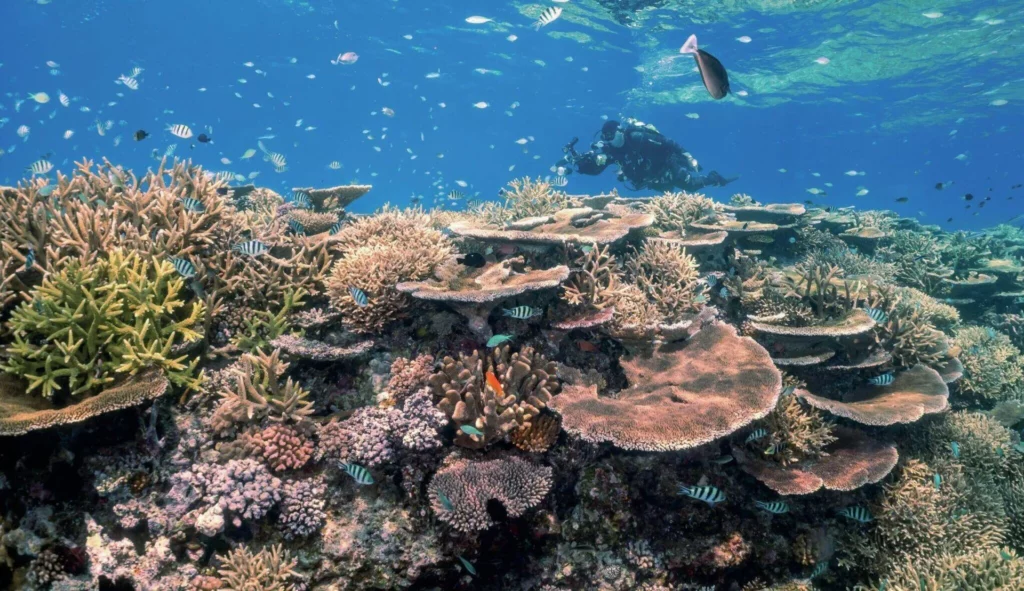
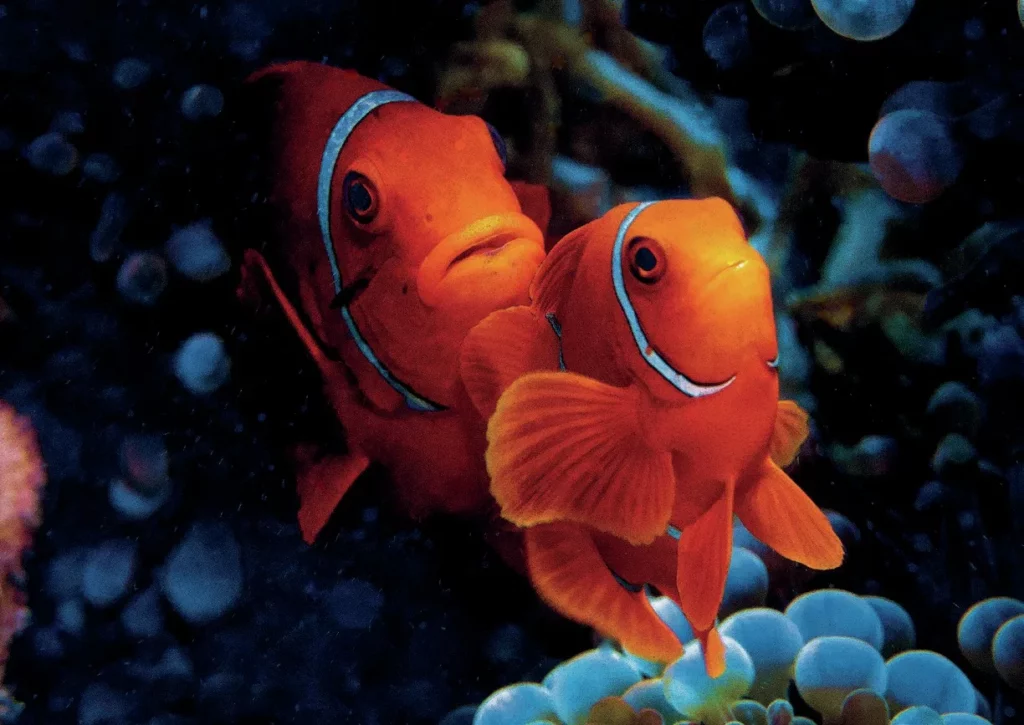
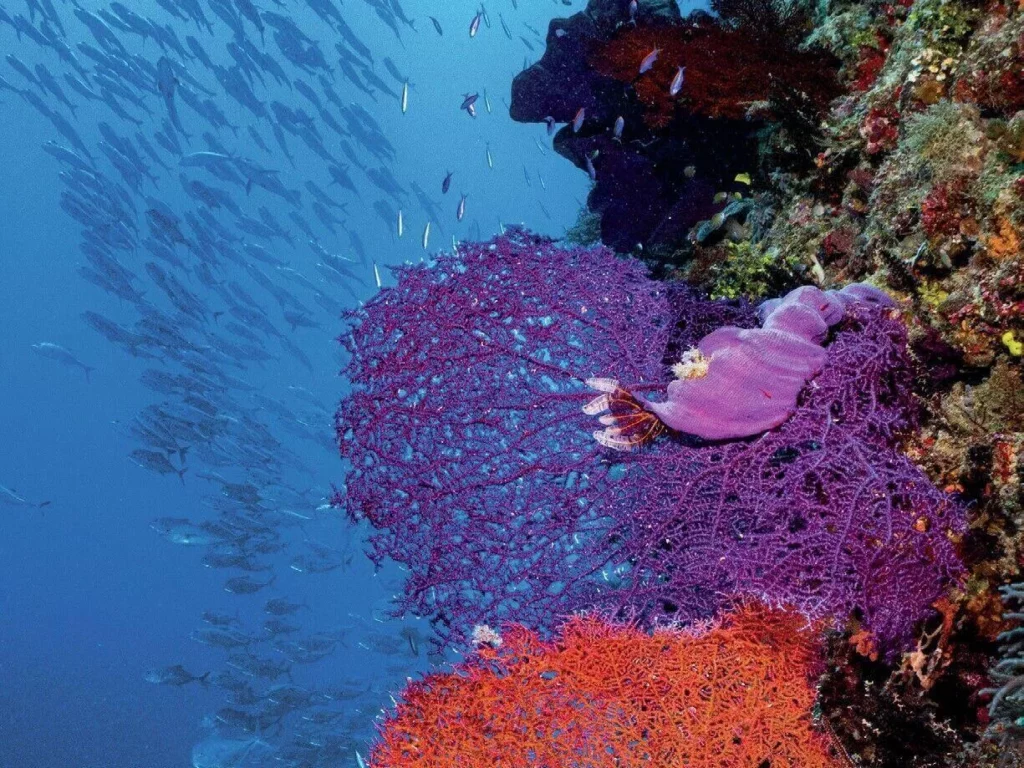
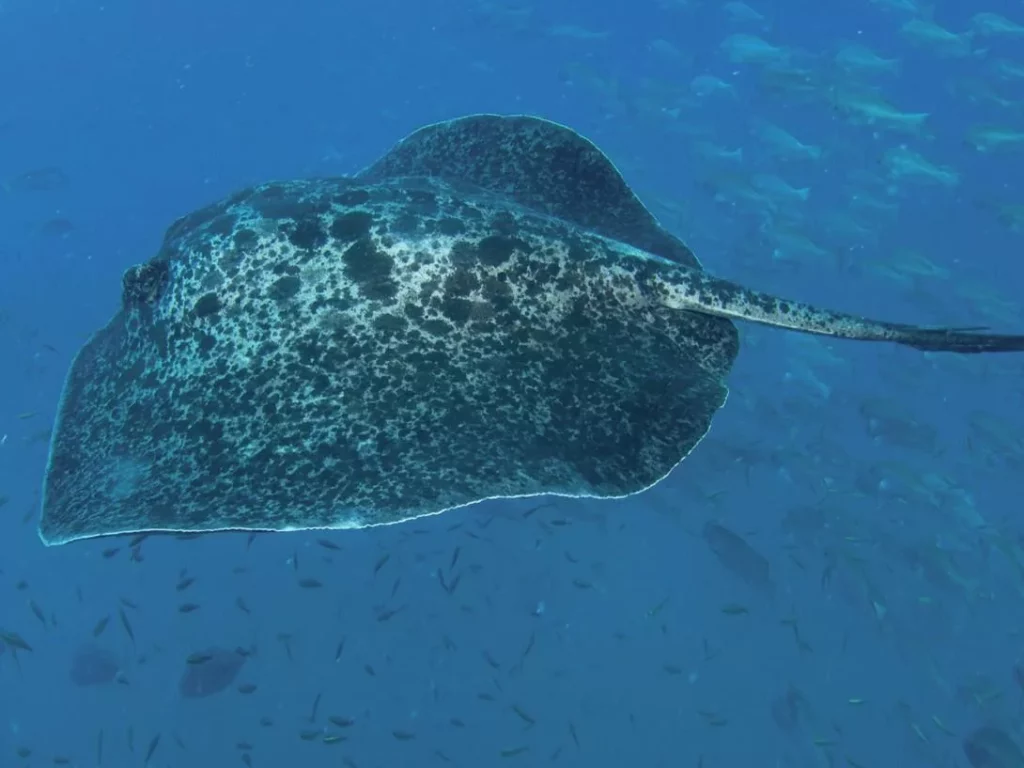
Nowadays, the marine park includes 14 different coastal ecosystems including mangrove systems, seagrass, freshwater wetlands and, of course, coral reefs. It is one of the best managed marine parks in the world and, of course, the focus is often on the star of the show and the driving force behind starting the campaign in the first place, the coral reefs.

The Great Barrier Reef Series
This article is Part 1 of a special three-part exploration by John Magee into the past, present, and future of the world’s greatest living structure.
- Part 1: Ancient Origins & The Fight for Survival – The geological history and the movement to save the reef from industry.
- Part 2: Guarding the Glasshouse – Modern protection efforts, park management, and the frontline defense of the reef.
- Part 3: A Sustainable Future – Groundbreaking science, coral IVF, and the environmental programs transforming our oceans.
FAQs
How did the Great Barrier Reef actually begin?
The reef’s journey began 65 million years ago as Australia drifted north from Antarctica. However, the modern living structure we dive today is much younger, having formed approximately 10,000 years ago after the last Ice Age.
Is the Great Barrier Reef the oldest reef in the world?
No. Despite its massive size, it is actually one of the world’s youngest reef systems. Its current growth phase began only after sea levels rose following the melting of prehistoric glaciers.
Who were the Traditional Owners of the Reef?
Indigenous Australians, including the Gungganji and Yidinji people, have spiritual and social ties to the reef dating back millennia. Islands like Wunyami (Green Island) were historically used for significant manhood ceremonies.
When was the Great Barrier Reef Marine Park established?
Following intense public pressure to stop oil drilling in the Whitsundays, the Great Barrier Reef Marine Park was officially formed in 1975, eventually growing to cover 344,000 sq km.
What was the “David and Goliath” battle mentioned in reef history?
This refers to the 1960s and 70s struggle where small conservation groups successfully fought off massive mining corporations and government plans to drill the reef for oil and coal.
This article was originally published in Scuba Diver Magazine
Subscribe today with promo code DIVE1 — enjoy 12 months for just £1!
