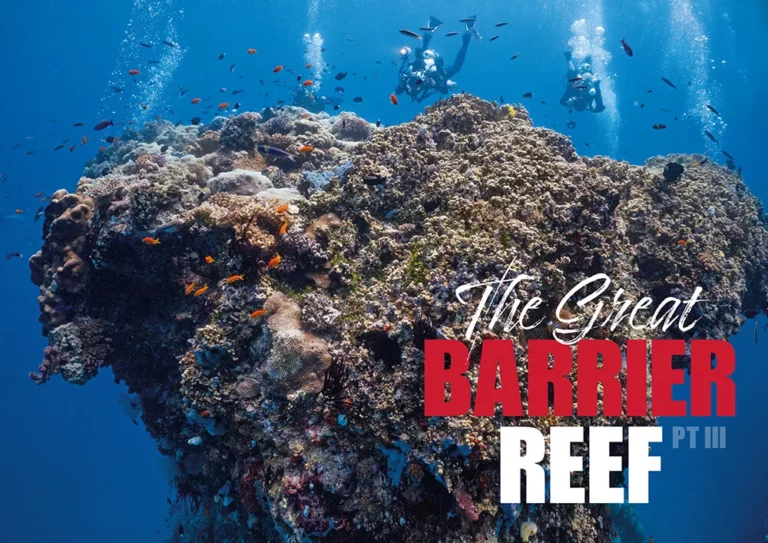
John Magee concludes his focus on the Great Barrier Reef, looking at some of the programmes that are helping to protect this natural icon for future generations.
Photographs by John Magee & Cathie Cummins
This is Part 3 of a three-part exploration of the Great Barrier Reef by John Magee.
Part 1: Ancient Origins | Part 2: Guarding the Glasshouse | Part 3: A Sustainable Future
When it comes to Great Barrier Reef conservation, if you’re anything like me, you try not to pay too much attention to the news. The world can seem like a very scary place and sometimes it really is easier and less anxiety-causing to play ostrich and put your head firmly in that sand.
However, what is very easy to forget is that good news doesn’t sell. Who wants to read a story about all the hard work that is being done for reefs around the world when a headline proclaiming an entire reef is dead captures far more clicks. Well, hopefully you’re in the first category, because that is exactly what we’re about to delve into -a bit of good news.
Coral reefs protect coastlines from storms and erosion, provide jobs for the local communities and offer many different opportunities for fun and relaxation. They are also an incredibly important source of food for people all over the world and we have even found medicinal cures for human illnesses and ailments in coral.
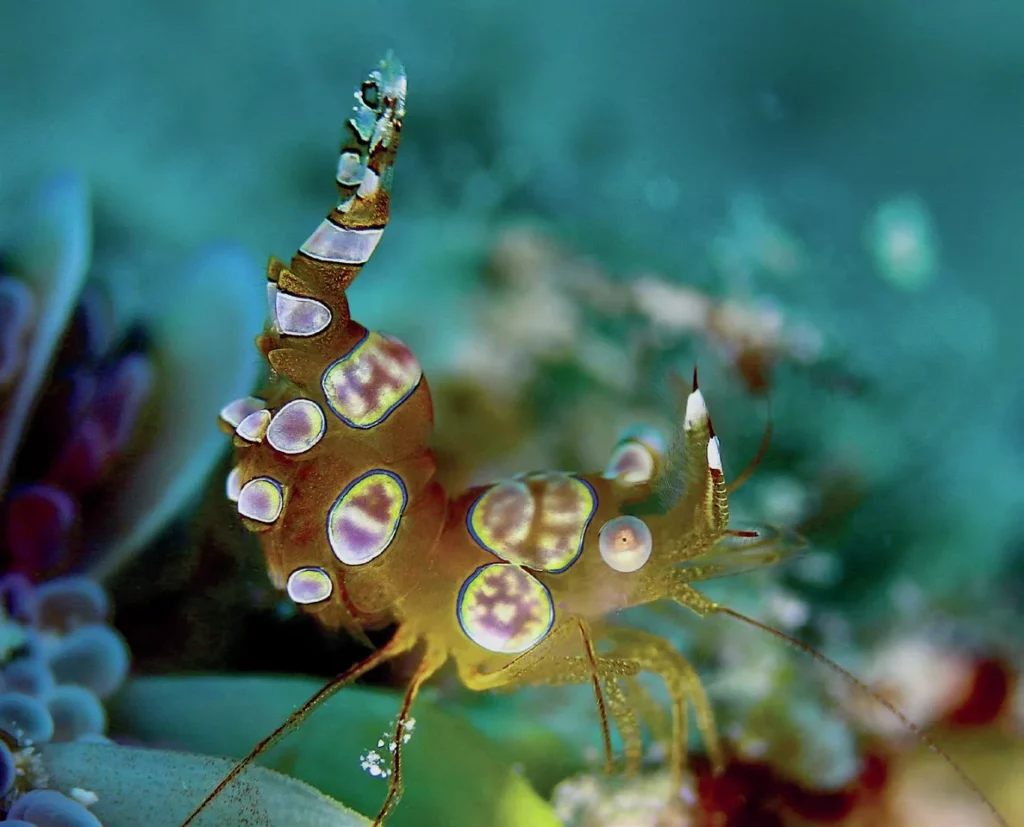
“Over half a billion people around the world depend on reefs for food income and protection from the elements during rough weather and yet sometimes, reefs tend to come quite far down the list when it comes to government priorities”
Over half a billion people around the world depend on reefs for food income and protection from the elements during rough weather and yet sometimes, reefs tend to come quite far down the list when it comes to government priorities. Despite the fluctuations in numbers, many coral reefs and seagrass meadows have seen increases over the past years, showing that many reefs do still maintain their natural resilience and that there is still hope.

Science in Action: From Seagrass Planting to Coral IVF
The Great Barrier Reef is the best-managed reef in the world. That’s a bold claim I know, but bear with me here. Some of the many initiatives supported by the Reef Authority and Australian Government include ongoing education programmes, stewardship agreements with tourism operators, plastic pollution programmes, water quality initiatives and coral predator removal schemes to name just a few.
In the past few years, the Australian Government has committed over two billion Australian dollars to improving water quality within the Great Barrier Reef catchment area. This includes everyone, from the small family farm to the mega corporations, each one having the opportunity to provide feedback and consult with scientists to improve their farming practices and embrace different techniques that could help both them and the Great Barrier Reef conservation in turn.
Did You Know?
The Great Barrier Reef is the world’s largest coral reef system, located off the coast of Queensland, Australia, and is visible from space. It is composed of over 2,900 individual reefs and 900 islands, covering an area of approximately 344,400 square kilometers.
In Australia, we live on a double-edged sword when it comes to our reef research. The Great Barrier Reef is the best-funded and most-studied reef on the planet. This means that we also get the most data from it. Combined with the fact that it is the largest and arguably the most-famous reef in the world, it gets talked about the most. Many people are unaware of the threats facing other reefs around the world as they are not as well studied and publicised as ours, yet they are suffering from the same threats and impacts as the Great Barrier Reef, some on an even-more-dramatic scale.
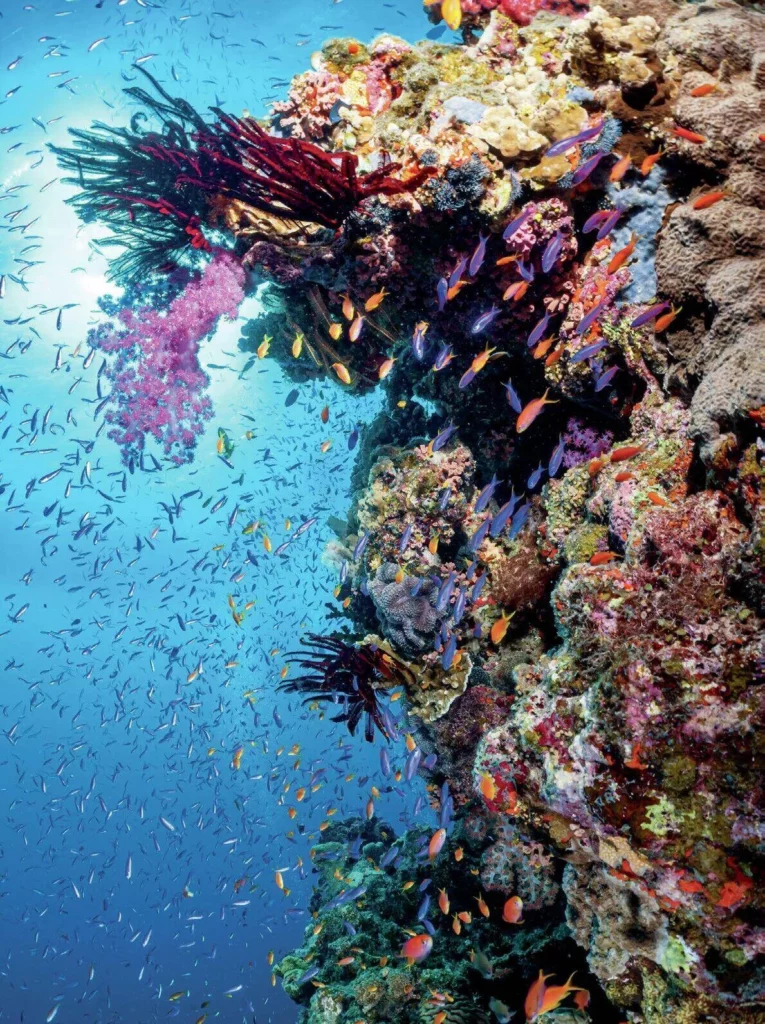
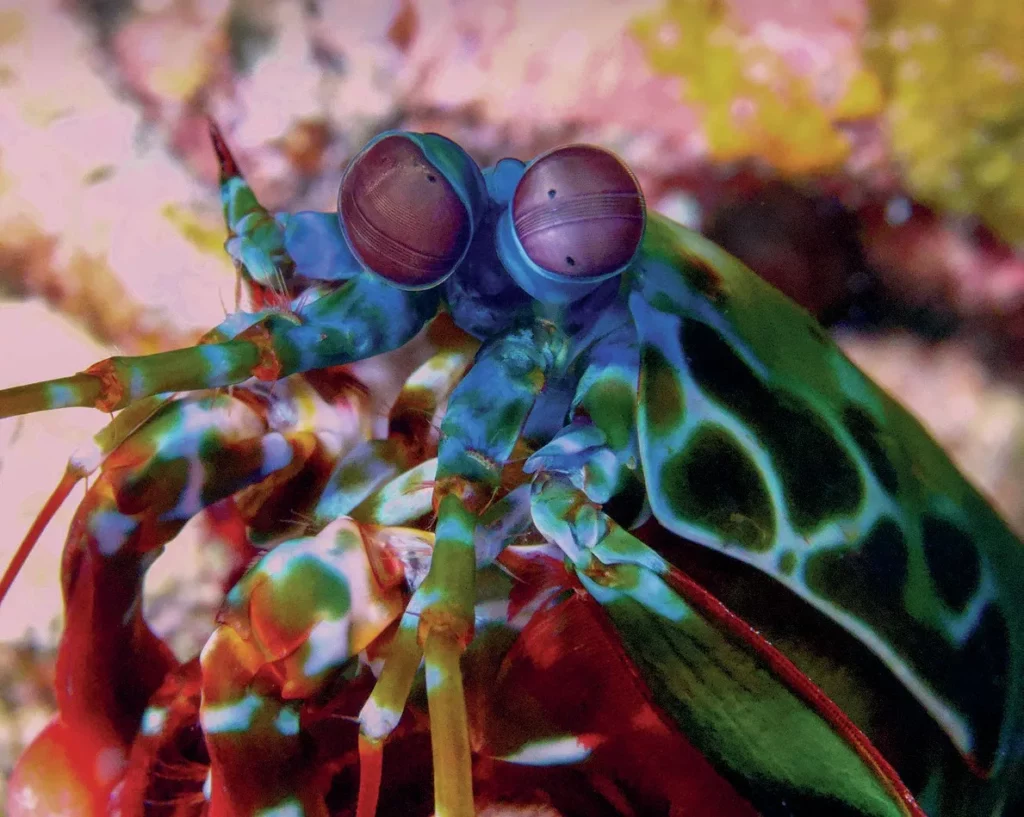

Governments and charity organisations create large grants every year for new projects here in Australia. Sometimes they are met with public scrutiny as such large amounts of money cause distrust when the public are not able to see direct results. Most of the money goes towards scientific projects, research and citizen science programmes that involve many different people from many different backgrounds.
Some of these programmes involve seagrass planting to improve seagrass meadows, a crucial habitat for the endangered and slightly dopey looking but adorable dugong, to coral IVF programmes, which are now at the forefront of Great Barrier Reef conservation. Scientists have been hard at work looking at how coral reefs are adapting to stress factors and have found that some coral species are adapting quickly and well to changes. Some are not though and need an extra helping hand if possible.

“Most of the money goes towards scientific projects, research and citizen science programmes that involve many different people from many different backgrounds”
The Australian Institute of Marine Science, in collaboration with some Australian universities, are working on many different forms of ‘helping hands’ including the equivalent of a coral IVF programme.
Many species of coral around the world breed by ‘broadcast spawning’; if you have ever seen videos or pictures of corals breeding, this would be what you have seen. Just after the full moon in November, the Great Barrier Reef puts on quite a show, with 90% of the corals releasing bundles of eggs and sperm into the water at the same time.
Researchers are taking advantage of this mass spawning event to collect the genetic material in artificial pools on the reef, giving the spawn a safe space away from predators and currents to fertilise and grow into coral larvae. They are then transplanted onto materials that are placed around the reef. This technique is still very much in its trial stage but seems to cut a lot of the risk and increase the recruitment and success rate of the reproduction cycle.
Natural Resilience: How the Reef Recovers from Disturbance
The reef has shown the ability to recover from impacts time and time again. This comes with a ‘but’ though. It has shown the ability to recover from impacts time and time again, as long as the disturbance free periods of time are long enough. In 2023, despite multiple mass bleaching events as well as massive cyclones and coral predator outbreaks, the coral percentage was at its highest in 37 years. Mitigating threats like climate change and poor water quality, combined with resilience-based management, such as the Great Barrier Reef conservation projects that Australia is already carrying out, are essential to maintaining the Great Barrier Reef’s health so that it is able to recover from future disturbances and impacts.
A Sustainable Future: Taking Your Head Out of the Sand


The most-immediate threat to our reefs is climate change, and on the reef, this is most often seen through sustained high sea surface temperatures. The strongest and fastest possible global action on climate change is critical and everyone can make a difference. There is still hope out there.
Our reefs around the world are still beautiful, most are still incredibly resilient and with the right leadership, will still be around in one way or another for future generations.
So, take your head out of the sand, slowly and carefully, it can still be a little bit scary! But look for the silver lining, look for the good. People everywhere, not just scientists, are working tirelessly to combat changes in ecosystems in every way they can. If you want to make a difference, look for something in your neighbourhood to do. It could be a simple as a tree planting group or a beach clean up, every little thing makes a difference and the next time you come for a dive, the reef will thank you for it.
“In 2023, despite multiple mass bleaching events as well as massive cyclones and coral predator outbreaks, the coral percentage was at its highest in 37 years”
FAQs
Is the Great Barrier Reef actually recovering?
Yes. Despite environmental stressors, the reef shows incredible resilience. In 2023, coral cover reached its highest levels in 37 years in several areas.
What is Coral IVF?
It is a “helping hand” where researchers collect coral eggs and sperm during mass spawning to rear larvae in safe pools before replanting them on the reef.
Who manages the Great Barrier Reef protection?
Protection is led by the Great Barrier Reef Marine Park Authority (Reef Authority) in collaboration with the Australian Institute of Marine Science (AIMS).
How is water quality being improved for the reef?
The Australian Government has committed over $2 billion to catchment area initiatives, working with farmers and corporations to reduce runoff and pollution.
Can individual actions help save the reef?
Absolutely. Engaging in local conservation like beach cleans or tree planting, and supporting sustainable tourism, directly supports global reef health.
This article was originally published in Scuba Diver Magazine
Subscribe today with promo code DIVE1 — enjoy 12 months for just £1!
