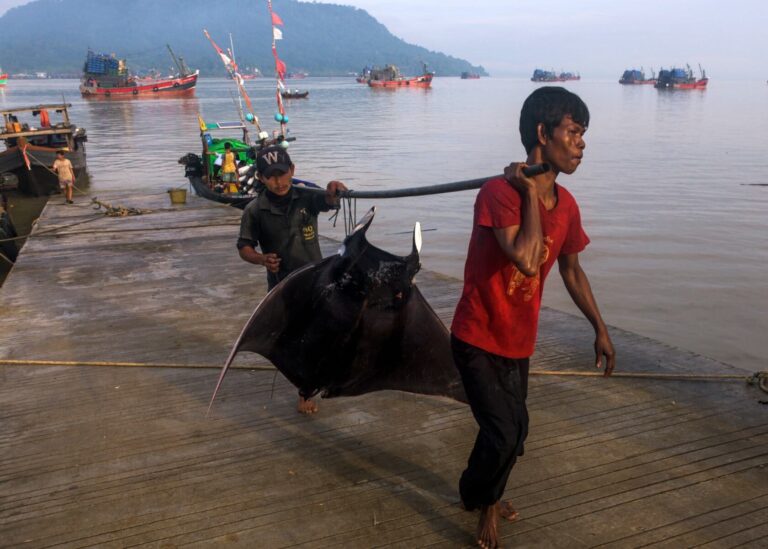
A shocking 265,000 manta and devil rays are being killed every year, according to what is said to be the first “scientifically robust” estimate of mobulid mortality worldwide.
Despite nearly a decade of international protection under CITES Appendix II and CMS Appendices I and II, as well as national measures in more than 40 countries, enforcement gaps and ongoing exploitation are continuing to push mobulids toward extinction, says the Manta Trust.


The UK-based marine-conservation charity led the new landmark study, which involved a network of international experts and is based on fisheries data, global databases, reports and interviews.
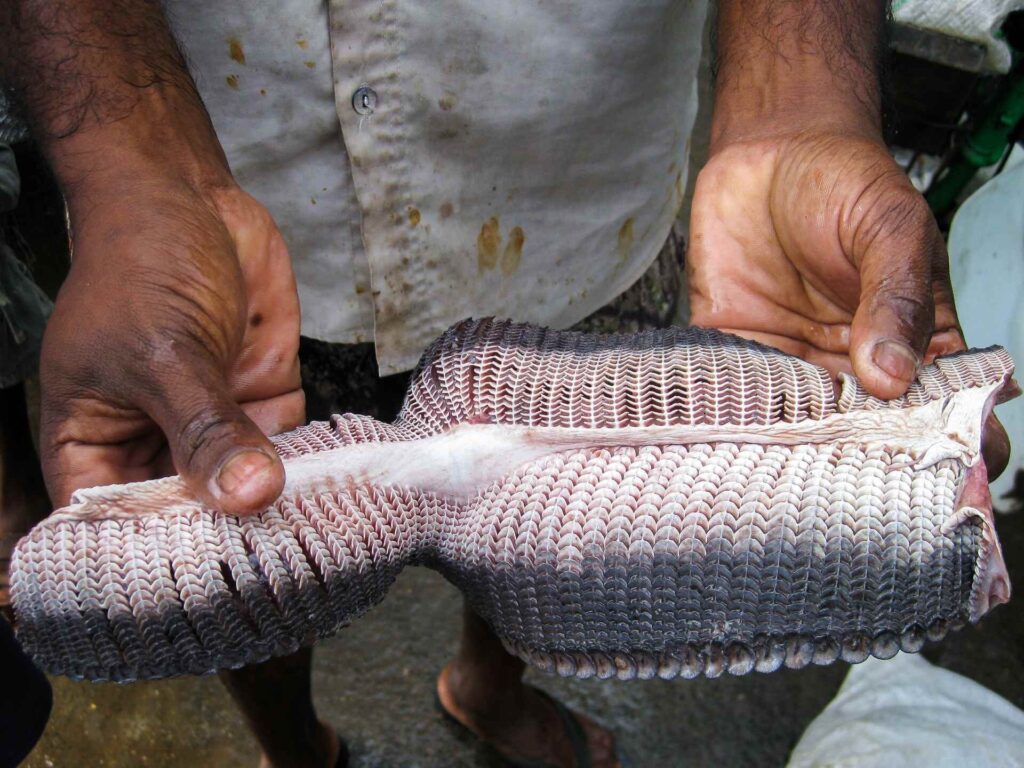
The rays’ gill-plates are valued on international markets, with their meat having a secondary value. Small-scale fisheries, defined as those using vessels less than 15m in length, are responsible for 87% of mobulid deaths, according to the comprehensive review.
India, Indonesia, Sri Lanka, Peru and Burma account for all but 2% of the deaths, using mainly non-selective drift gillnets (purse seines dominate in larger fleets). This means that 74% of mobulid catches occur in the Indian Ocean, with population declines of up to 99% documented in some regions.
Stronger protections
“This comprehensive picture of mobulid mortality shows how severe fisheries threats are and provides the context needed to prioritise conservation action,” says study lead author Betty Laglbauer. “We now have a data-driven understanding of global catch and of population declines – which underscores the urgency of stronger protections and effective management.”


The IUCN Red List recently uplisted three oceanic devil ray species to Critically Endangered, marking the last step before their extinction in the wild.
A vote on whether to uplist all mobulid species to CITES Appendix I, the highest level of international protection, is scheduled when global governments convene at CoP20 (the 20th Conference of the Parties to CITES) on 24 November. If adopted, the decision would officially prohibit all international commercial trade in mobulid products.

“This study provides the strongest evidence yet that overfishing, particularly by small-scale coastal fleets, is pushing these species toward collapse,” says Manta Trust chief executive Dr Guy Stevens. “The solutions are clear – what’s needed now is the political will to implement them.”
The study highlights the need to restrict fishing in critical habitats such as known aggregation and nursery areas, and to limit the use of drift gillnets and other high-risk fishing gear, as well as actively engaging local fishers and coastal communities.

TAKE ACTION
The Manta Trust asks divers and others to back its #SaveTheMantas campaign and sign the Only One petition. Its new study is published in the journal Science Direct.