Diving Denied: NDIS Cuts Threaten Life-Changing Scuba Therapy
By Lyndi K Leggett
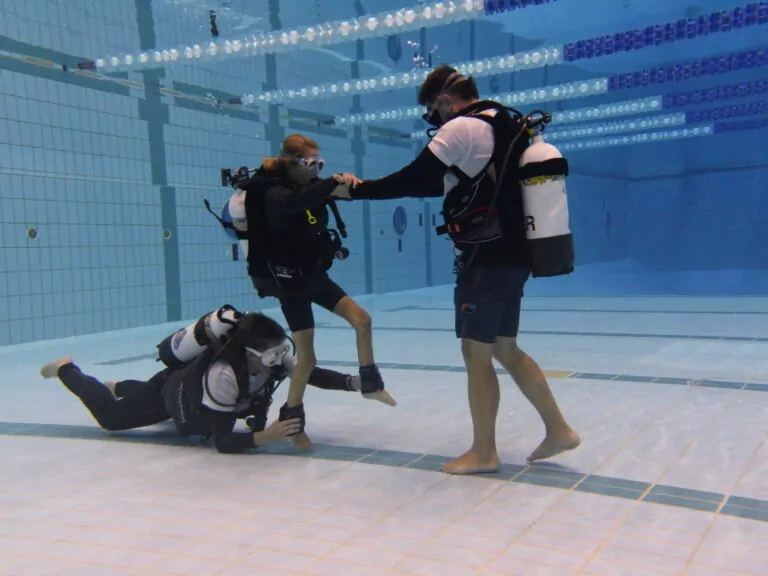
Scuba Therapy isn’t just another activity —it’s a lifeline for many people living with disability. For years, our tailored scuba therapy programs have offered more than just underwater adventure.They’ve brought mobility to paralysed limbs, confidence to anxious hearts, and purpose top people who’ve lost it all. But now, these transformative experiences are under threat.
Recent changes to the National Disability Insurance Scheme (NDIS) funding criteria have led to the removal or denial of support for scuba therapy services. This has left many of our clients devastated, stripped not just of a recreational outlet, but of a proven physical and mental health intervention.
Scuba as Therapy: More Than a Hobby
Scuba therapy may sound unconventional, but it’s grounded in science. The weightlessness of water allows people with limited mobility to move freely, often for the first time since their injury. The pressure of the water helps regulate breathing and reduce anxiety. The mental clarity that comes from diving—combined with the joy of accomplishment—is powerful.
Our program has helped clients with spinal cord injuries, PTSD, multiple sclerosis, autism, and more. For some, it’s the only physical activity they can enjoy without pain. For others, it’s been the first time they’ve felt “normal” in years.
Here’s a letter from one of our clients explaining how he benefits from exercising underwater for an hour a week :
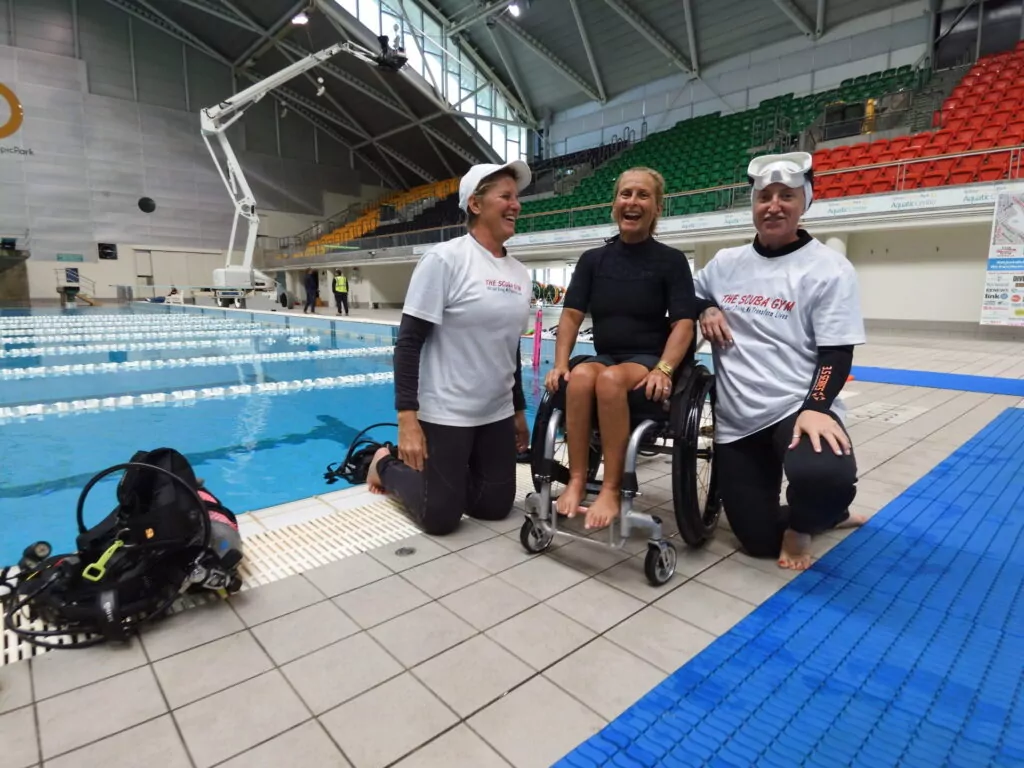
To Whom IT May Concern,
Although I am able to walk with the help of a cane, I am a paraplegic through injury I sustained whilst serving in the Australian Army. The below letter sets out the benefits I have gained from the tailored exercise routine, I receive at The Scuba Gym. They include physical, social, personal & mental health benefits. The real magic of scuba gym is that the underwater benefit transfers onto land and puts a person’s mind in a better space.
• My lung function has improved dramatically.
• Rib pain is decreased when diving below 3 meters.
• Muscle cramps, spasms resulting in grade 1 to 2 tears are reduced for 3 days after diving to 5m or deeper for 30 minutes or longer.
• I have less self-harm thoughts, and my mood is much better when dealing with others.
• I walk backwards with difficulty but impossible before scuba therapy.
• reduced number of carer hours from 24 hours per day to 8 hours per day this has gone back to 24 hours due to the three months of no access to scuba therapy.
• Improved circulation in extremities and total healing of sores• Gone from permanent catheterisation to intermittent catheterisation when diving more than once a week.
• My sleep improved which results in better self-care and less sickness
• Pain relief at 5m depth. This is the only relief I get from my chronic pain condition which was caused by service in the Australian Army.
• I have more energy
• Increased range of movement from under water exercises.
Other than the above benefits scuba therapy allows me to participate without the fear of drowning from a muscle spasm or getting hurt from a fall which happens regularly when on land.
I get more benefits from one scuba therapy session than three physiotherapy sessions.
It is difficult to express the relief from my chronic pain.
I live with the trapped feeling of the pain never ending, it affects my every movement, my every
thought. It interferes with dressing, toileting, and everything you can think of. It has taken my
dignity in many ways and removed any chance of a normal life.
Scuba Gym is the first ray of hope in 25 years.
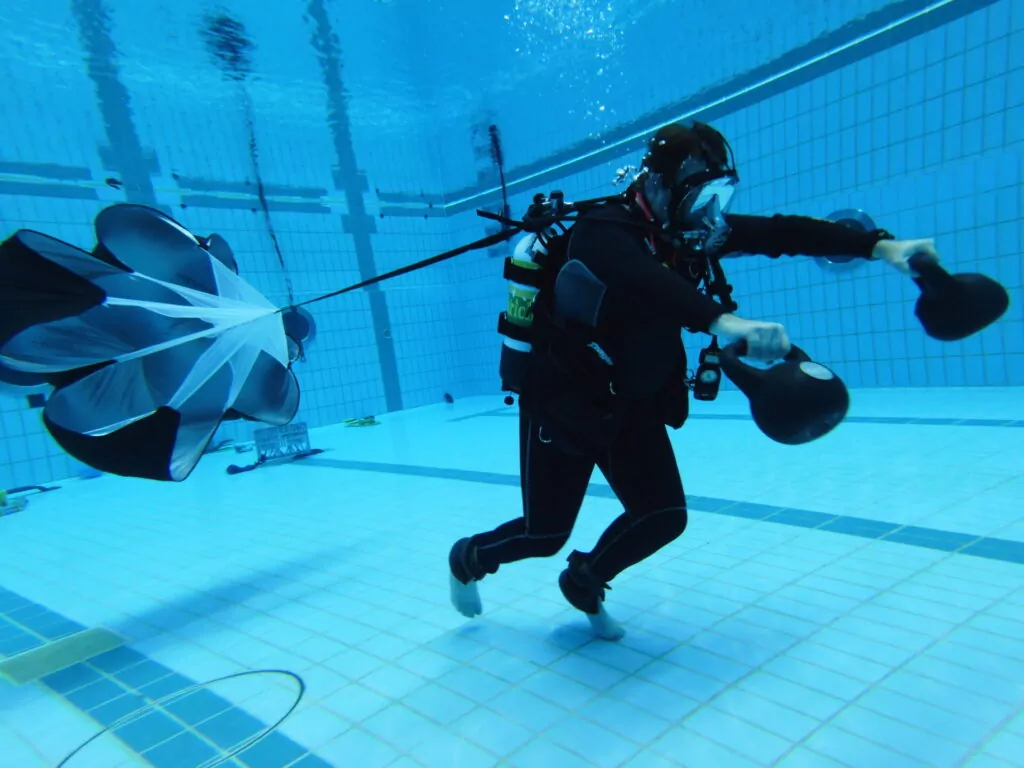
Photo : Andrew in Action
NDIS Cuts: A Deep Blow
Despite these clear benefits, NDIS has now deemed scuba therapy “non-essential” in many funding plans. This move has not only cut off access for new participants, but in some cases removed existing support from clients mid-way through programs—leaving them adrift, both literally and emotionally.
The rationale? A lack of recognition of scuba therapy as a “reasonable and necessary” support under NDIS guidelines. But for those of us who’ve witnessed the healing power of scuba therapy firsthand, this decision feels not just short-sighted—it’s cruel.
These cuts don’t just silence progress; they reverse it. Clients are reporting setbacks in mobility, increases in depression and anxiety, and a resurgence of isolation—the very issues scuba therapy helped to alleviate. Add to that the physical pain some of our clients are in 24/7 without their scuba therapy all the pain comes back and their sleep disrupted and their healing stops.
We Need Your Help
We are calling on the diving community, the disability sector, healthcare professionals, and policymakers to take notice. If you’ve been impacted by these cuts, or if you believe in the power of scuba as a tool for healing and empowerment, we urge you to help us.
Here’s how you can help:
GO Fund Me QR

• Support our program through donations or sponsorships to keep it alive for those
who need it most.
• Share this story with your networks to help raise awareness.
• Contact us directly if you have ideas, resources, or a willingness to help us fight this injustice.
Final Word
Scuba therapy changes lives. We’ve seen it happen hundreds of times. The water doesn’t discriminate—it embraces everyone equally. And with the right support, so can we.
Let’s not let bureaucracy drown what has become a lifeline for so many.
Contact us at Lyndi@thescubagym.com.au or call 042 038 0055 to make a difference.
