An inquest into the death of a Belgian technical diver on a deep wreck dive off Co Donegal in the north-west Ireland in July 2024 has concluded that, while he died from drowning, there was a possibility that this had resulted from immersion pulmonary oedema (IPO).
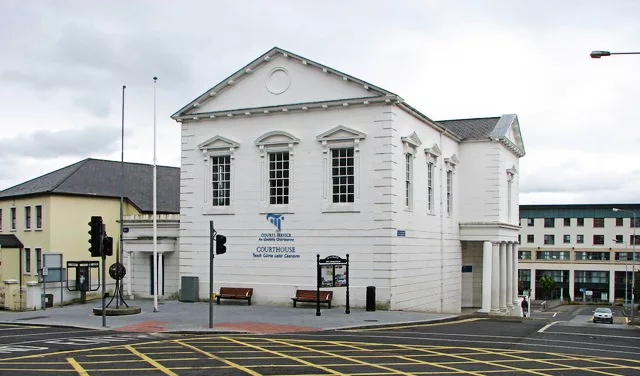
At Letterkenny Courthouse on 16 April the coroner, Dr Denis McCauley, examined the circumstances surrounding the death of 52-year-old Luk Heyvaert in an incident that had been reported at the time on Divernet. The inquest proceedings were reported by Donegal Live.
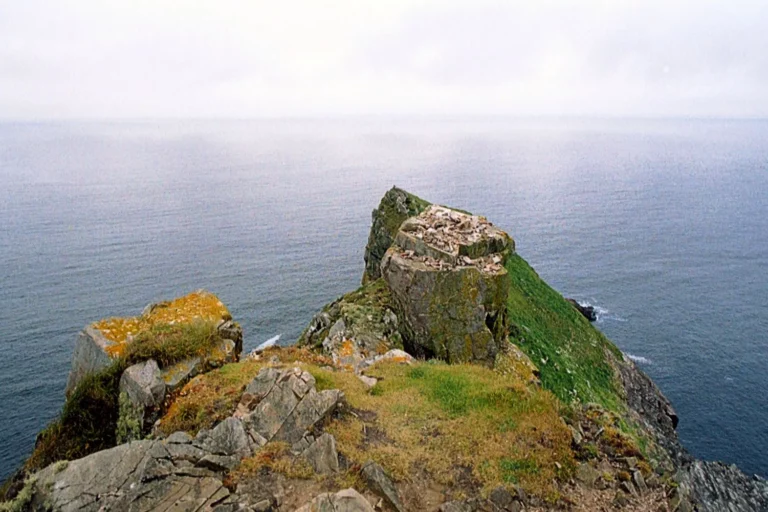
Heyvaert had been diving the wreck of the WW1 patrol-boat HMS Viknor,18km west of Tory Island and considered a challenging North Atlantic dive.
The diver was with eight other rebreather divers who had driven to Ireland from Belgium, with daily dives booked for a week with Mevagh Diving Centre. The Viknor dive had come on the third day of the trip, with the divers planning to spend 30 minutes at a depth of 83m for a three-hour total dive-time.
Appeared agitated
The two divers who had been accompanying Heyvaert told the court that while preparing to ascend they had become concerned about him.
He had appeared agitated, had picked up another diver’s light from the shotline and, after failing to make a planned stop, had been pressing his wrist-computer in a panicked way, failing to respond to their signals.
At the 27m mark one of the divers had offered Heyvaert alternative gas but was refused. A more experienced group of three above them came back down to help and described the diver as pallid, frantic and refusing to accept gas.
At the 12m stop his mouthpiece had fallen out and he appeared to have stopped breathing. The accompanying divers had no choice but to dispatch him alone to the surface attached to the shotline.
Dean McCullough had hosted the group on his charter-boat the previous year and confirmed that they were competent divers. He had sent a number of gas cylinders down to them in response to the series of yellow DSMBs they had been sending up, before seeing Heyvaert unconscious and apparently entangled in the line at the 3m mark.
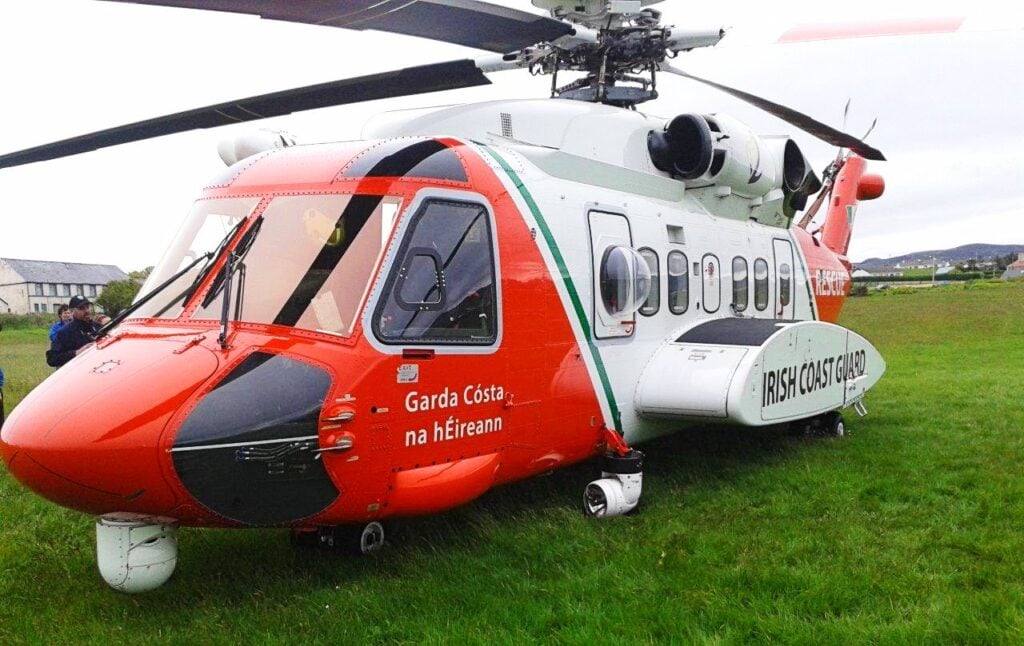
He had recovered him to the boat and administered oxygen and CPR but could detect no signs of life. When a Coast Guard helicopter arrived Heyvaert was airlifted ashore and taken to hospital, where he was pronounced dead.
A post mortem examination had revealed no signs of injuries and only prescription medicines in the diver’s system. The effects of IPO or “drowning from the inside” are well-known to be difficult to distinguish from primary drowning after death.
Competent and experienced
The coroner was told that Heyvaert was regarded as a competent and experienced diver, participating in a properly organised expedition to a site frequently visited by technical divers.
A cardiac event, decompression illness, arterial gas embolism or IPO were considered as possible causes of the incident, as were gas-supply problems, equipment malfunction and missed decompression obligations.
Heyvaert had not appeared to be coughing, a common sign of IPO, but it was stated that this would not necessarily occur in all cases. It was also noted that the dive-group had drunk a lot of water on the three-hour boat trip out to the wreck-site to pre-empt dehydration-based DCI risks.
Appearing as an expert witness, technical diving instructor Dave Gration said that all Heyvaert’s equipment had been working well. “I don’t think we are ever going to know what the problem was,” he stated. “We can safely say that the rebreather was working. We can safely say that the people around Luk did everything humanly possible to help him.”
He also noted that gradual hydration over 24 or 48 hours was preferable to drinking large amounts of water immediately before a dive, because over-hydration can increase the risk of IPO. While reluctant to attribute Heyvaert’s death conclusively to IPO, he acknowledged that it was a likely factor.
“We have explored everything we can, and there comes a point that we have to say we don’t know,” said the coroner, who returned a verdict of death by natural causes – drowning, with a likely secondary cause of IPO.