
Equalisation and Dizziness in Diving
Q: I am an instructor with a student experiencing some equalisation difficulty. He i s in his mid-20s and had tubes in his ears as a child. Though he has completed most sessions and dives without a problem, once while in the pool and once after an ocean dive, he came to the surface and reported feeling dizzy. Both times I had him rest for a few minutes, and he seemed fine after that. Do you have any ideas about what might be causing this?
DAN´s Advice
A: What you are describing is not at all uncommon. Some people are very sensitive to changes in barometric pressure, and these changes can trigger dizziness. Although the cause of your student’s symptoms is difficult to determine without additional information, it may be related to asymmetrical stimulation of his inner ears.
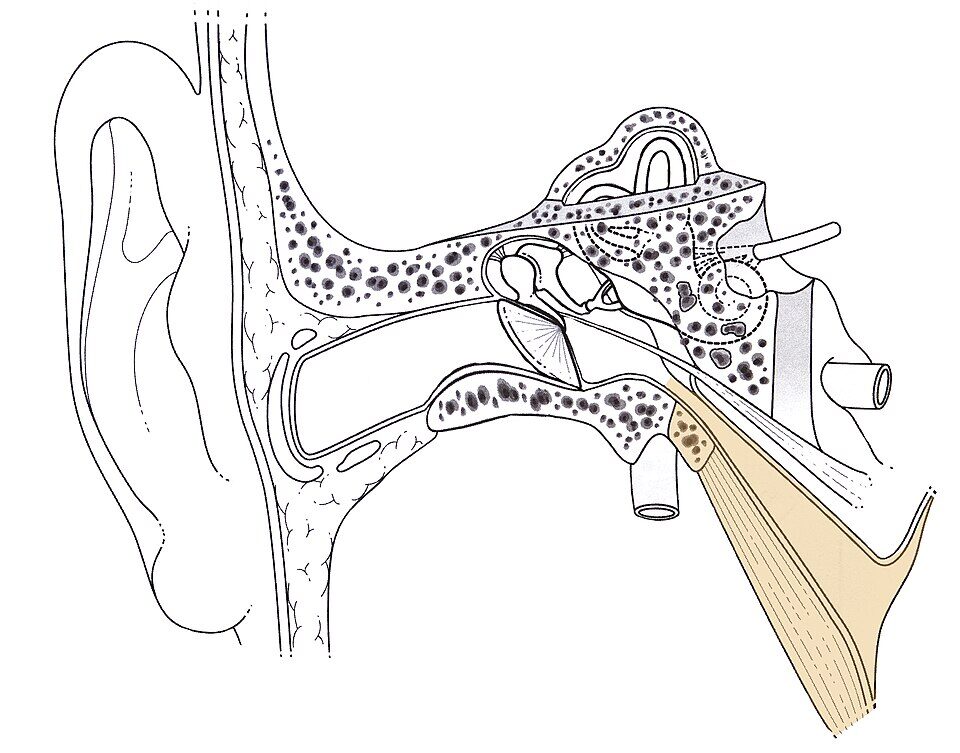
Whenever we equalise our ears, the middle ear receives small amounts of air through the Eustachian tubes to compensate for the barometric pressure on the outside of the eardrum. The middle-ear space lies adjacent to the inner ear, and changes in middle-ear pressure may influence adjacent inner-ear structures. The inner ear serves not only as an auditory organ, but also provides our brains with information about body position, movement and acceleration. When inner-ear stimuli are asymmetrical between the right and left ears, this can cause dizziness or even vertigo (sensation of spinning). When these symptoms result from a pressure differential between the ears, this is known as alternobaric vertigo.
A medical history of ear tubes is not necessarily a problem for divers, but it is possible your student may need additional time to equalise and may be at a higher risk for ear barotrauma (although his dizziness is not related to this risk).
Advise your student to consult an ear, nose and throat physician (ENT). It is not necessary to seek out a physician trained in dive medicine, as any ENT should be perfectly able to understand the stresses divers undergo. A consultation with an ENT may provide options that make equalisation easier and may help prevent injuries. Should the ENT have any dive-specific concerns, encourage him or her to contact DAN.
Join DAN to get a number of benefits, including answers to all your diving-related medical questions: www.daneurope.org

How to Equalize Better?
For divers who struggle with ear pressure, practising good equalisation techniques can make a big difference. Encourage your student to start equalising early and often—before feeling discomfort—and to use gentle, proven methods such as swallowing, yawning or performing a soft Valsalva manoeuvre. We have a helpful “How to Equalise Better” video that demonstrates step-by-step techniques divers can use both on the surface and at depth. Sharing this resource can help reduce the risk of dizziness and improve comfort during dives.
FAQs
What causes dizziness after equalisation while diving?
Dizziness can occur when middle-ear pressure changes stimulate the inner ear asymmetrically, leading to alternobaric vertigo.
Is having ear tubes as a child a risk factor for diving?
A history of ear tubes isn’t necessarily a problem, but it may mean longer equalisation times and a slightly higher risk of barotrauma.
What should a diver do if they feel dizzy after surfacing?
Stop diving temporarily, rest, and consult an ENT physician to rule out ear or sinus issues before returning to the water.
When should divers consult DAN or a doctor about ear problems?
If dizziness, pain or prolonged difficulty equalising occurs, contact an ENT or DAN for tailored medical advice and safe diving recommendations.
Subscribe today with promo code DIVE1 — enjoy 12 months for just £1!
