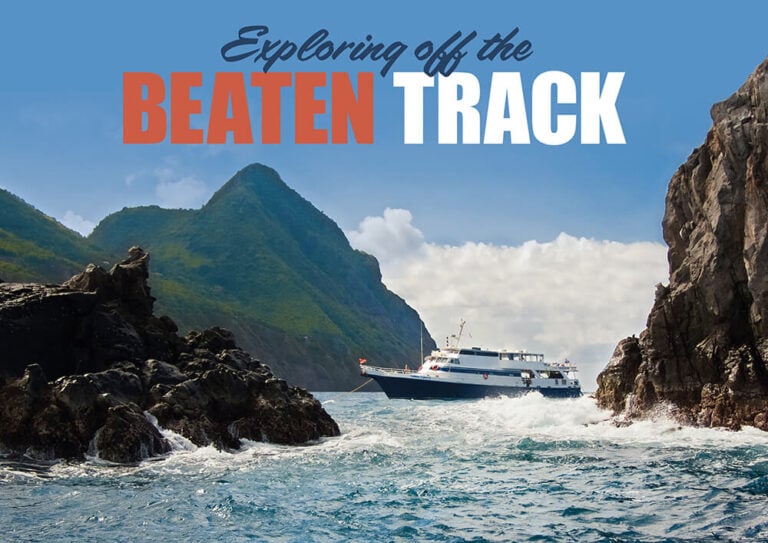
The Caribbean is well known as a popular destination for divers, but it is still possible to find those hidden gems away from the crowds – join Explorer Ventures diving Saba and St Kitts.
Mention the Caribbean to any diver and all the usual hotspots will crop up, but if you look beyond these much-visited locales, there are still a handful of lesser-known destinations awaiting your discovery – and Saba and St Kitts should be top of your list for your next dive holiday.
Explorer Ventures Fleet’s first-ever liveaboard began operations in the waters around Saba and St Kitts way back in 1987. Now, with the Caribbean Explorer II – which has recently come out of drydock and is looking resplendent – they are still offering itineraries cruising the aforementioned islands along with St Maarten. This time-tested itinerary is an invitation to soak in a unique blend of local culture, stunning topside topography and vibrant underwater scenery.
In the northeastern Caribbean, Explorer Ventures have one itinerary that starts in two locations, depending on the week you choose to dive. The Caribbean Explorer II departs alternate weeks from St Maarten and St Kitts. If you choose a charter that begins in St Maarten, the charter will end in St Kitts and you will fly home from there. If you choose a charter that begins in St Kitts, the charter will end in St Maarten, and that will be your return home location. Regardess of direction, you’ll experience an incredible number of dives in both Saba and St Kitts.
Saba: The Volcanic Queen of the Caribbean

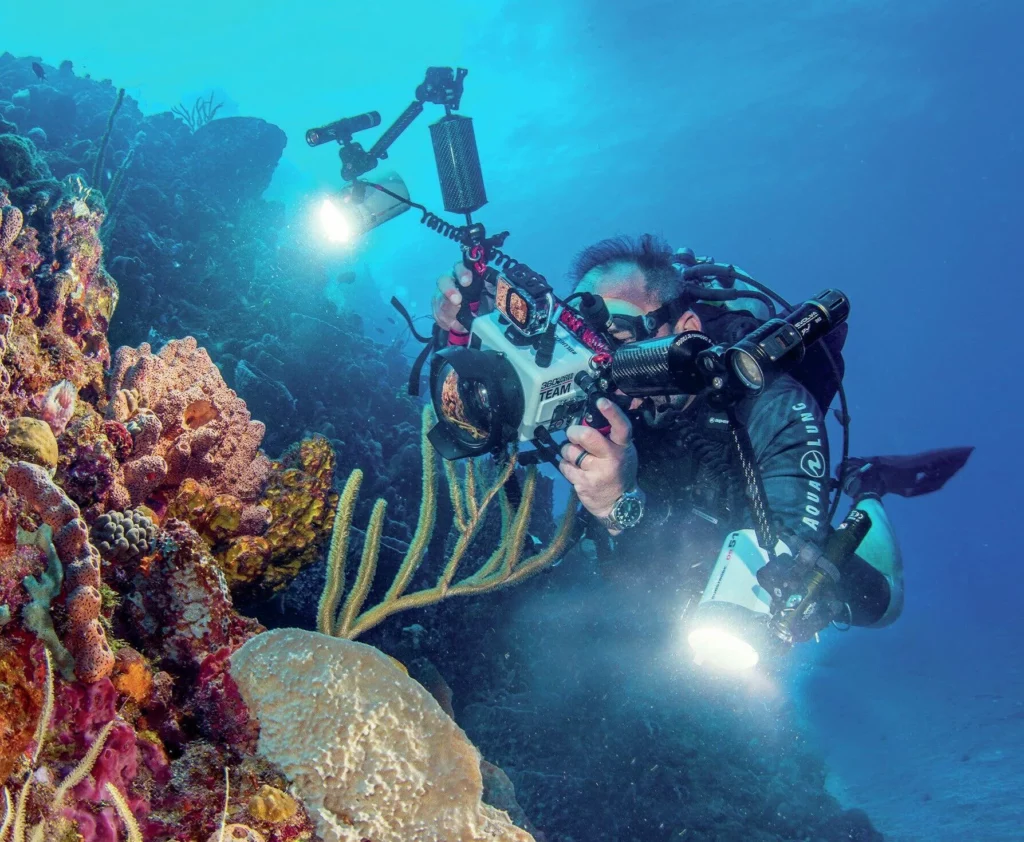

Saba is a tiny volcanic island, a special municipality of the Netherlands, and it is a unique hybrid of old Caribbean culture, modern amenities, and lush mountainous terrain. Covering only 13 square kilometres, the island towers dramatically over deep blue seas, with a volcanic peak defining its centre. There are no beaches or shore diving because of this, meaning you can only access the dive sites via boat – hence why the Caribbean Explorer II makes perfect sense. St Kitts and Nevis are also volcanic in nature, though their shores are fringed by white and black sand beaches. As a reminder of the islands’ storied history, you can see remnants of old sugar cane plantations, a UNESCO World Heritage Fort, and the vibrant botanical gardens that add a splash of colour.
Did you know?
The rugged, mountainous silhouette of Saba inspired the look of Skull Island in the original 1933 King Kong movie!
St Kitts offers diverse diving experiences with a mix of reefs, pinnacles, and modern shipwrecks catering to divers of all skill levels. Key dive sites include the Corinthian wreck, the River Taw wreck, and Paradise Reef.
The Caribbean Explorer II
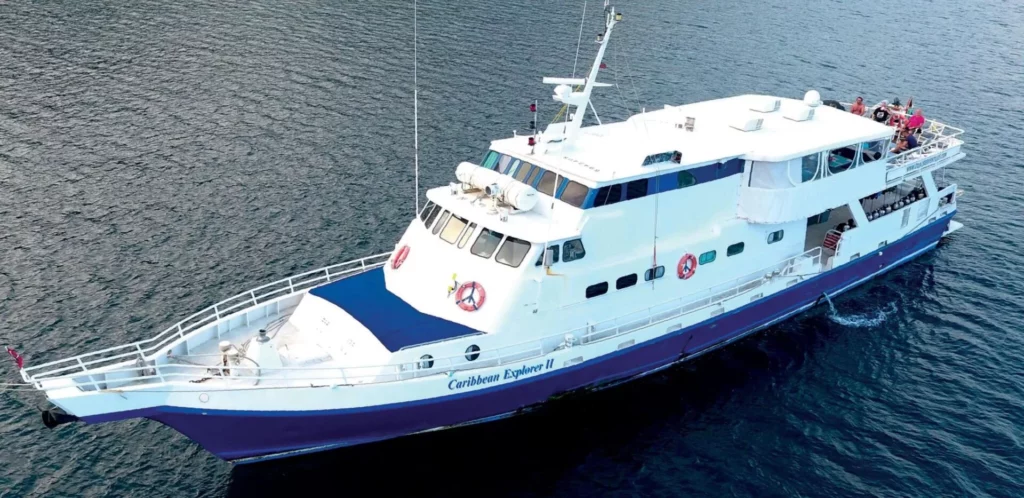
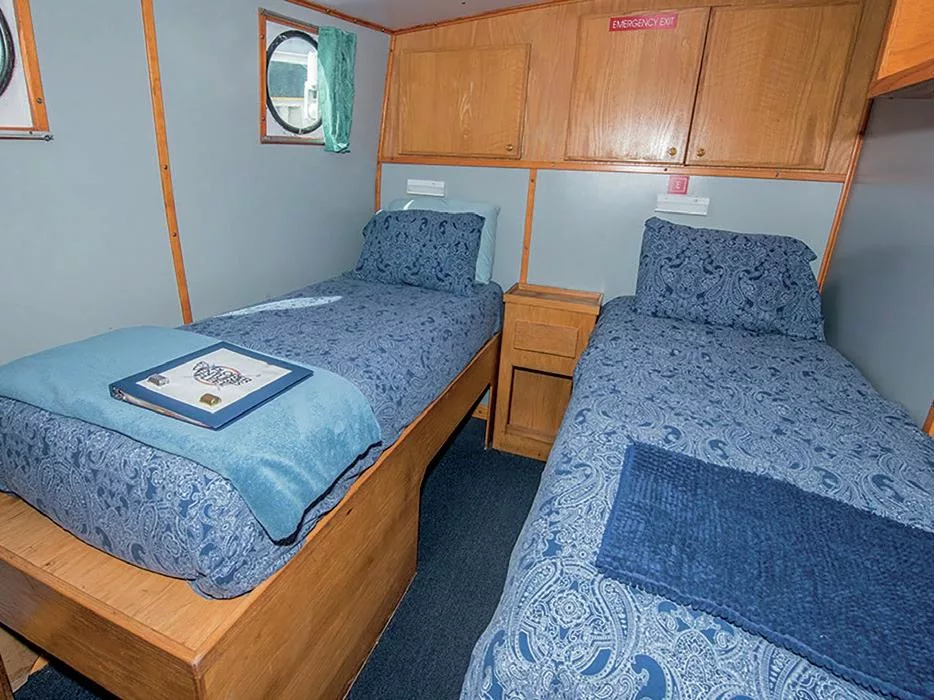
The 35-metre, 99-ton Caribbean Explorer II can accommodate 18 passengers in nine staterooms, all with ensuite facilities. The semi-enclosed, air-conditioned salon on the upper deck includes dining tables, a TV, media centre, and a lounge area, while aft of this is a large sundeck with lounge chairs. Back in 2018, the Caribbean Explorer II was the very first liveaboard to ever earn the Green Fins certification as an ‘eco-liveaboard’, well-deserved recognition of the company’s efforts to reduce their environmental impact and promote eco-friendly diving. www.explorerventures.com
The Diving
Keen divers can clock up an impressive 27 dives, including night dives, during a week on the Caribbean Explorer II, and with such a wide variety of dives on offer, it is easy to see why many guests will add this many dives to their logbook.
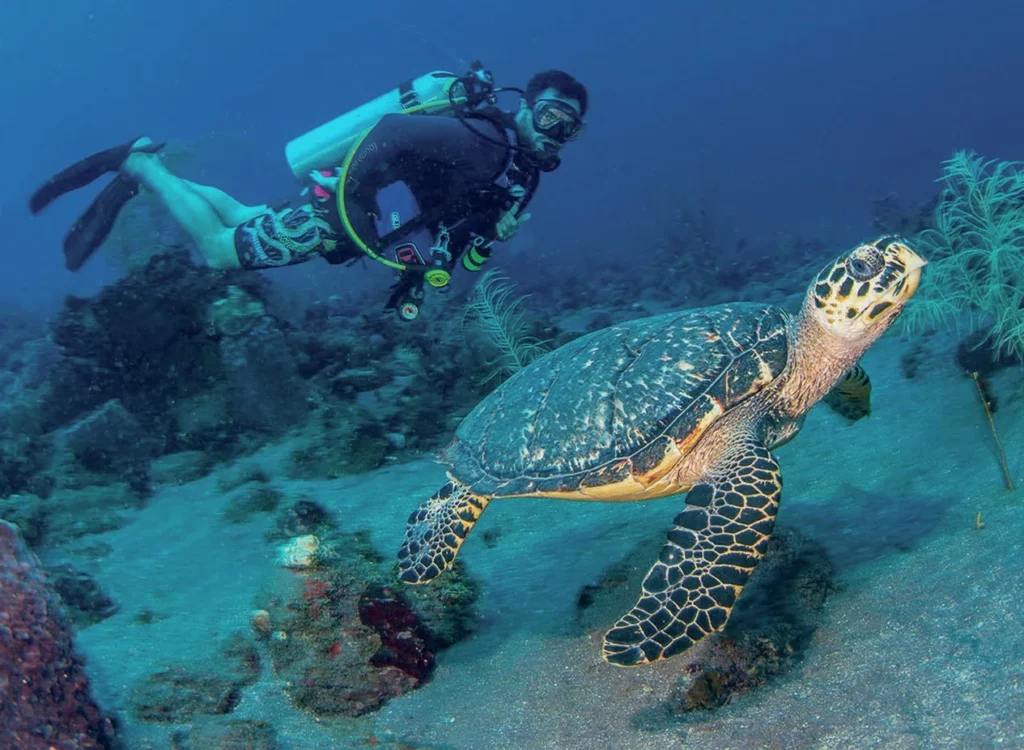
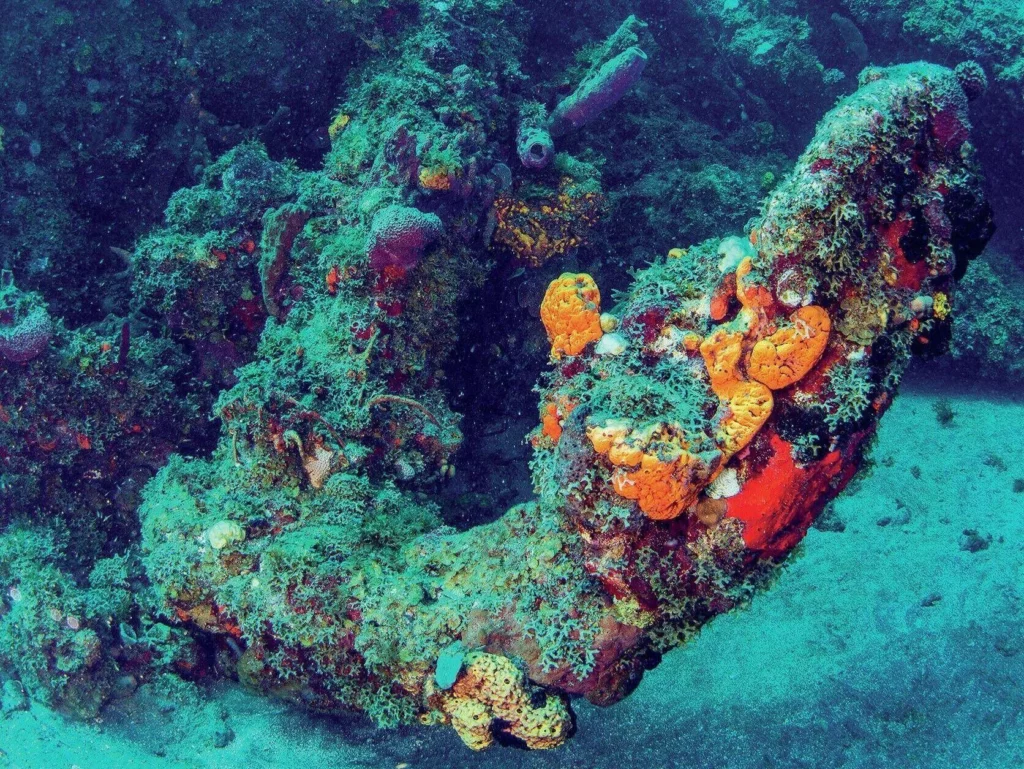
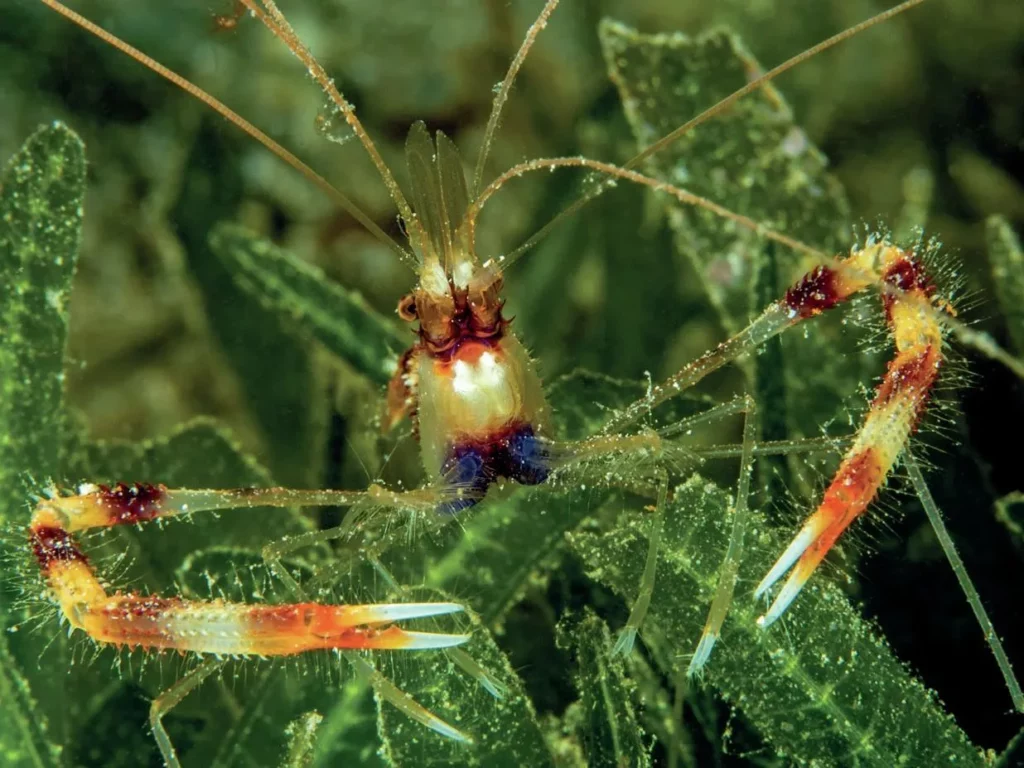
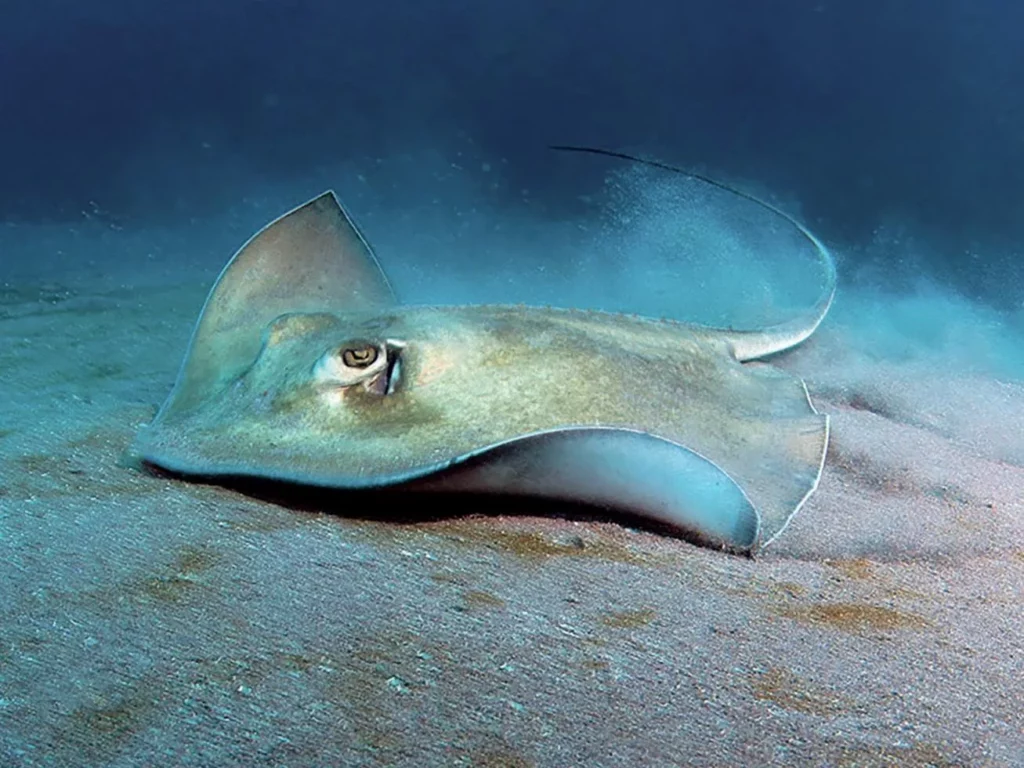
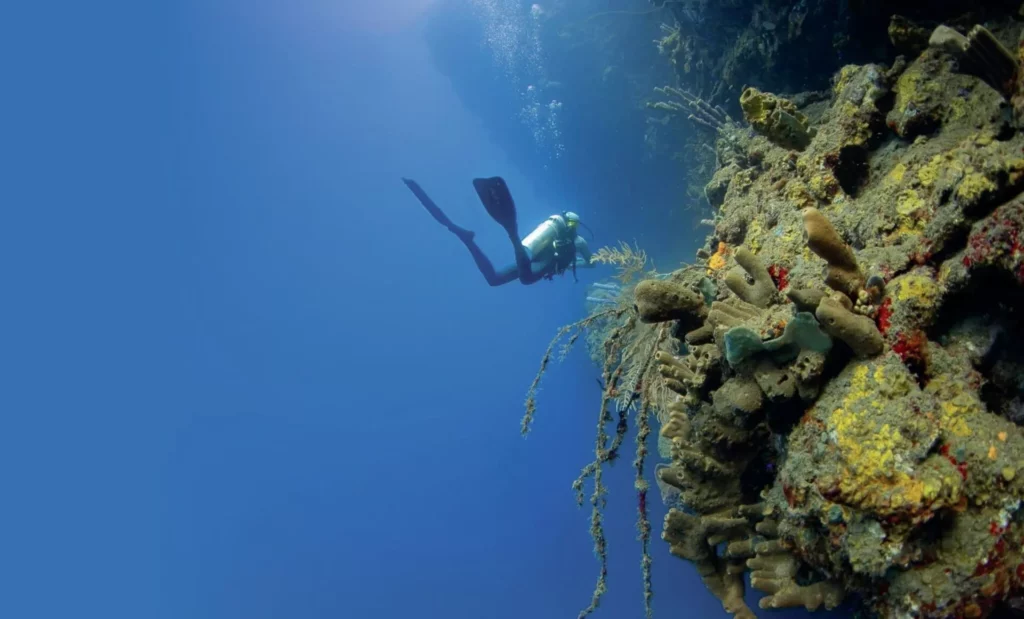
Saba’s dramatic volcanic topography continues underwater, with deep seamounts and offshore pinnacles – in some areas, depths can reach beyond 300m only a kilometre off the shore. Thanks to the area being designated a marine park back in 1987, the marine life is flourishing and a sight to behold.
Submerged Drama: Diving the Pinnacles of Diamond Rock
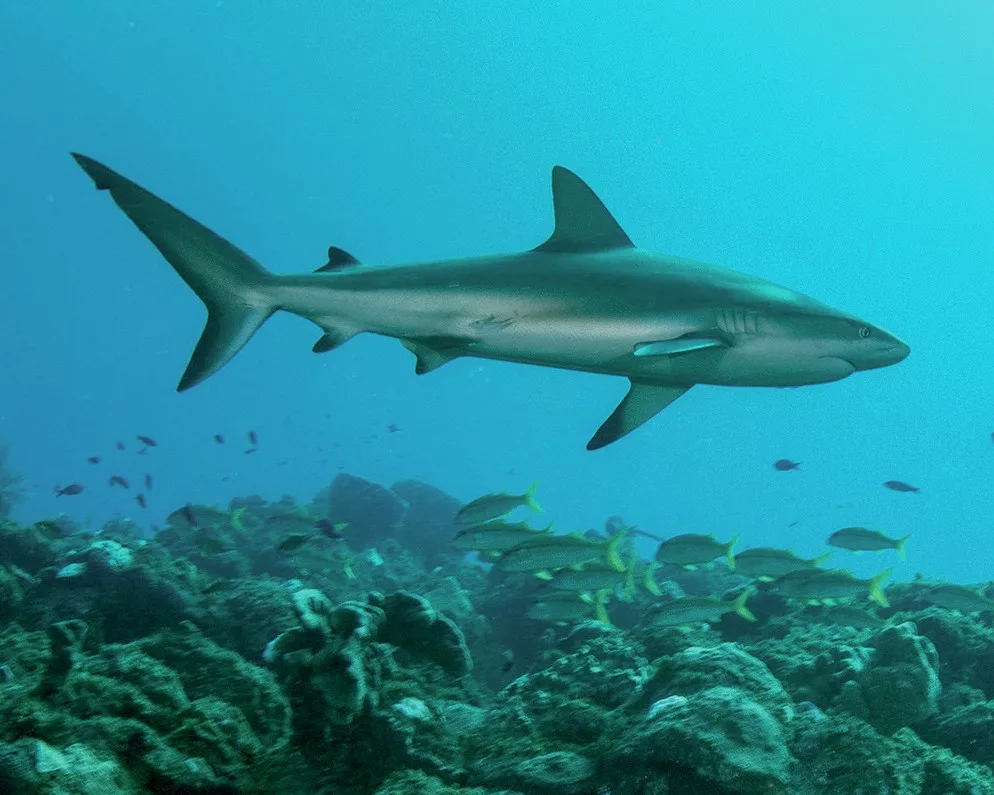
One of the top dive sites off Saba is the impressive Diamond Rock, which supposedly earned its name when a jilted sailor threw his amour’s engagement ring on to the rock as he returned to sea – it is apparently still there, just waiting to be found. The rock towers up out of the water, and below the surface, the sheer face, which is encrusted with colourful marine growth, plummets down to 32m. There are four pinnacles in total – two breaking the surface, and two submerged. Schools of snapper shelter near the reef, while horse-eye jacks and barracuda patrol the area. The deeper portions of the dive can deliver sightings of reef sharks and southern stingrays, and eagle rays can pass by in the blue. Closer inspection of the walls can reveal smaller critters such as blennies and shrimp, and moray eels poke out of nooks and crannies.
Nearby Man O’War Shoals is a series of submerged pinnacles which have ripped out the bottom of many unfortunate ships over the years. Here divers can find two large interconnected pinnacles dropping down to 24m, flanked by two smaller coral outcrops. Reef sharks can again be sighted here, and turtles and nurse sharks often appear. Large gorgonian seafans dominate here, with lush coral and sponge growth supporting an array of reef fish, including boxfish, filefish, angelfish, trumpetfish, parrotfish, spadefish and more, as well as some sizeable spiny lobster, which fearlessly wander about on the seabed – they must know they are in a marine park!
Sustainable Seas: The Green Fins Eco-Liveaboard Experience
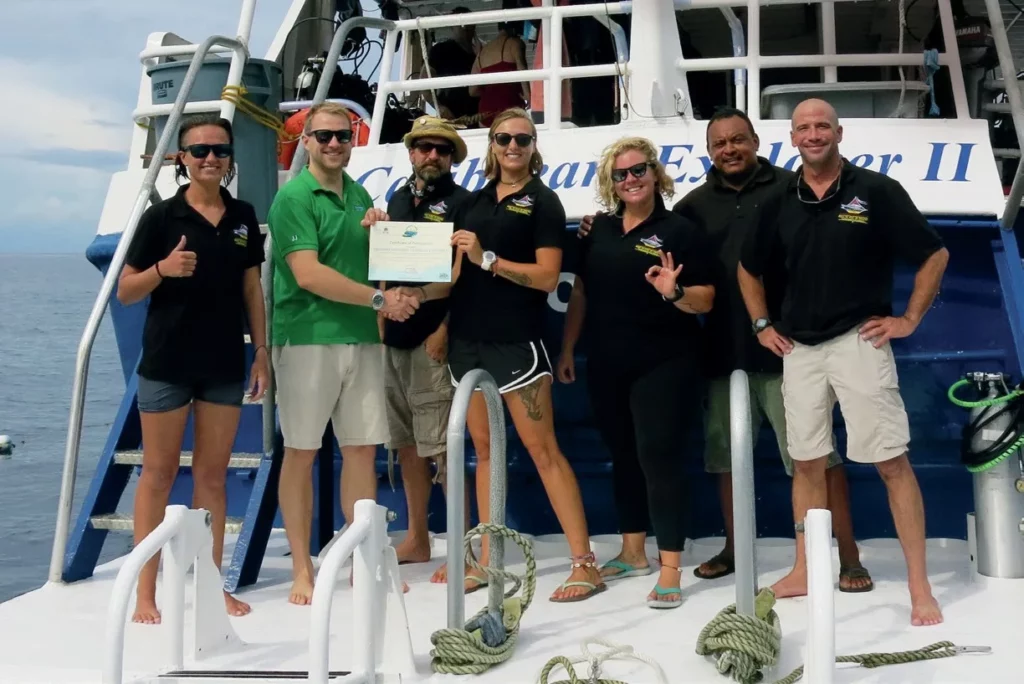
Explorer Ventures’ Dive Green environmental management policy identifies the company’s potential environmental impacts in order to develop (and improve) strategies that help measure, adjust and ultimately minimise their footprint, and help ensure the long-term sustainability of coral reefs, ecosystems where the business operates, the recreational scuba diving industry, and local livelihoods.

Other renowned locations off Saba include Ladder Labyrinth, a veritable treasure trove of rocky ridges which provide plentiful shelter for all manner of marine life and warm volcanic sands you can touch; and Third Encounter (also known as the Needle, or Eye of the Beholder), a gigantic pinnacle that rises up from deep water to within 17m of the surface and is a must for more-experienced divers – expect to see reef sharks and other pelagics.
St Kitts: Shipwrecks, Reefs, and Macro Wonders
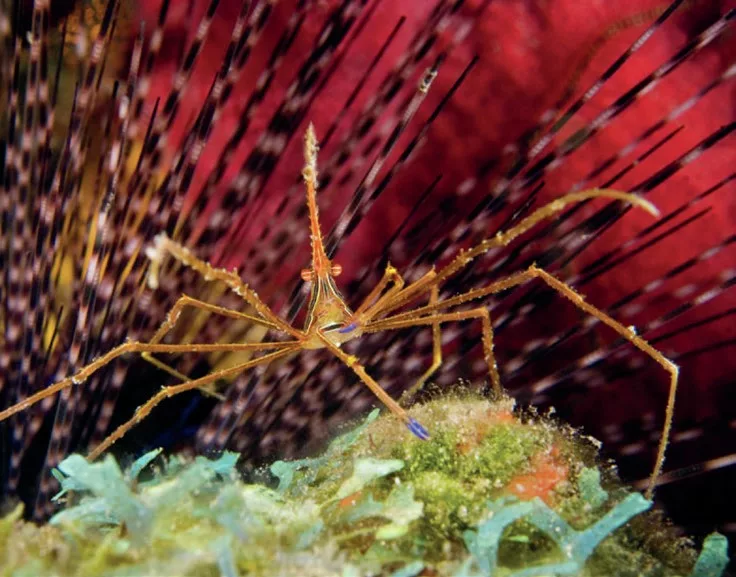
St Kitts is not as dramatic underwater as Saba, but it boasts some spectacular reefs, with colourful soft corals, large barrel sponges, gorgonian sea fans, and some picturesque shipwrecks. Some of the better-known dive sites include Monkey Shoals, a shallow reef lying in 12m-25m between St Kitts and Nevis teeming with marine life; the River Taw, an inter-island cargo ship that sank in a hurricane in 1981 in just 12m and is now a bustling man-made reef and incredible night dive; and Brimstone Shallows, an offshore seamount dropping to 40m that is smothered in soft and hard corals and is renowned for encounters with Caribbean reef sharks and other pelagic species. While there is the chance for the bigger marine species and all the usual reef fish off St Kitts, don’t forget your macro lens, as the waters here are known to be a regular haunt for the likes of seahorses and frogfish.
Beyond the Blue: Topside Tours in Saba and St Kitts
A liveaboard trip is all about experiences, and not all of them involve being underwater. You can’t embark on a holiday to Saba, St Kitts and St Maarten without venturing off the boat and going on a topside tour of the islands.
Caribbean Explorer II offers three optional tours, so you can choose to jump on one, two, or experience all three. Saba is known as the ‘unspoiled queen’ of the Caribbean, and its dramatic volcanic topography, covered in lush greenery, is truly a sight to behind. The driving tour takes in various viewpoints showcasing the awe-inspiring scenery, as well as presenting opportunities to get out and explore on foot at the Bottom – the island’s capital – and the town of Windwardside.
Did you know?
The Saba Marine Park claims status as the first ‘self-sustaining marine park in the world’, raising revenue through donations, visitor fees and souvenir sales.
The tour of St Kitts and Nevis is one of the most-diverse on offer, combining exploration of Brimstone Hill Fortress, a UNESCO World Heritage Site, along with an old sugar cane plantation (the island was once a powerful force in the global sugar cane industry), a batik factory, rich rainforest, lavishly coloured botanical gardens, black volcanic beaches, and sandy beaches.
St Maarten/St Martin is often touted as being ‘a little European, a lot of Caribbean’, and being half-Dutch, half-French in the midst of the Caribbean Sea, that is probably an accurate description! Explorer Ventures state that this tour is ideal for guests arriving very early or departing late. Orient Beach and Simpson Bay are great for relaxing and taking in the views, while in Marigot, on the French side, you can get some retail therapy at the exclusive boutique shops, or just enjoy some superb cuisine in the many restaurants.

Diving Saba and St Kitts: Frequently Asked Questions
How do I get to the dive sites in Saba?
Saba is a small volcanic island with no beaches or shore diving. All dive sites are accessed by boat. A liveaboard like the Caribbean Explorer II is the most efficient way to see the island’s famous offshore pinnacles and seamounts.
What is the “pinnacle diving” in Saba like?
Saba is world-famous for its deep-water pinnacles, such as Third Encounter (The Needle). These underwater towers rise from the deep ocean floor to within 17-25 meters of the surface, attracting reef sharks, jacks, and passing pelagics.
Is diving in St Kitts good for beginners?
Yes. While Saba features deeper, more dramatic sites, St Kitts offers a variety of shallow reefs and accessible wrecks like the River Taw, which sits in just 12 meters of water. It is excellent for all skill levels and night diving.
What is an “Eco-Liveaboard”?
The Caribbean Explorer II was the first liveaboard to earn a Green Fins certification. This means the crew follows strict environmental protocols to minimise their footprint and protect the coral reef ecosystems they visit.
Can I go ashore during a Caribbean liveaboard trip?
Yes. Itineraries often include optional land tours, such as exploring “The Bottom” in Saba or visiting the UNESCO World Heritage Brimstone Hill Fortress in St Kitts.
This article was originally published in Scuba Diver Magazine
Subscribe today with promo code DIVE1 — enjoy 12 months for just £1!
