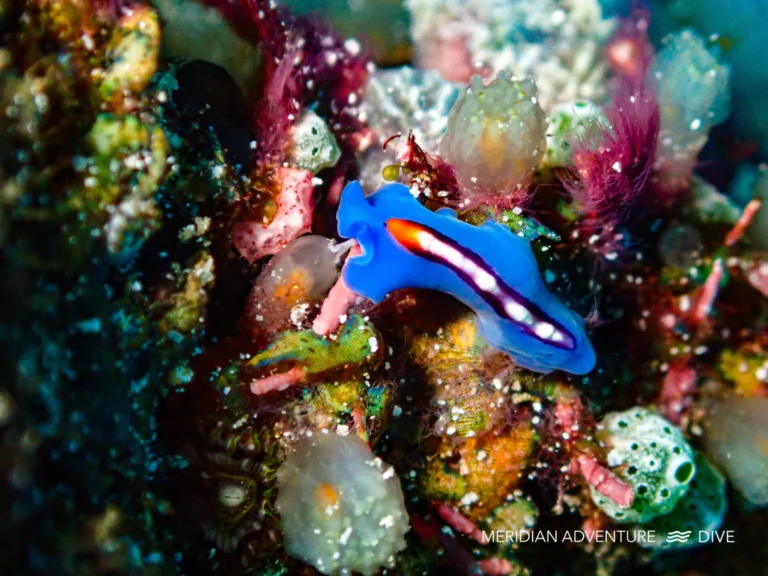
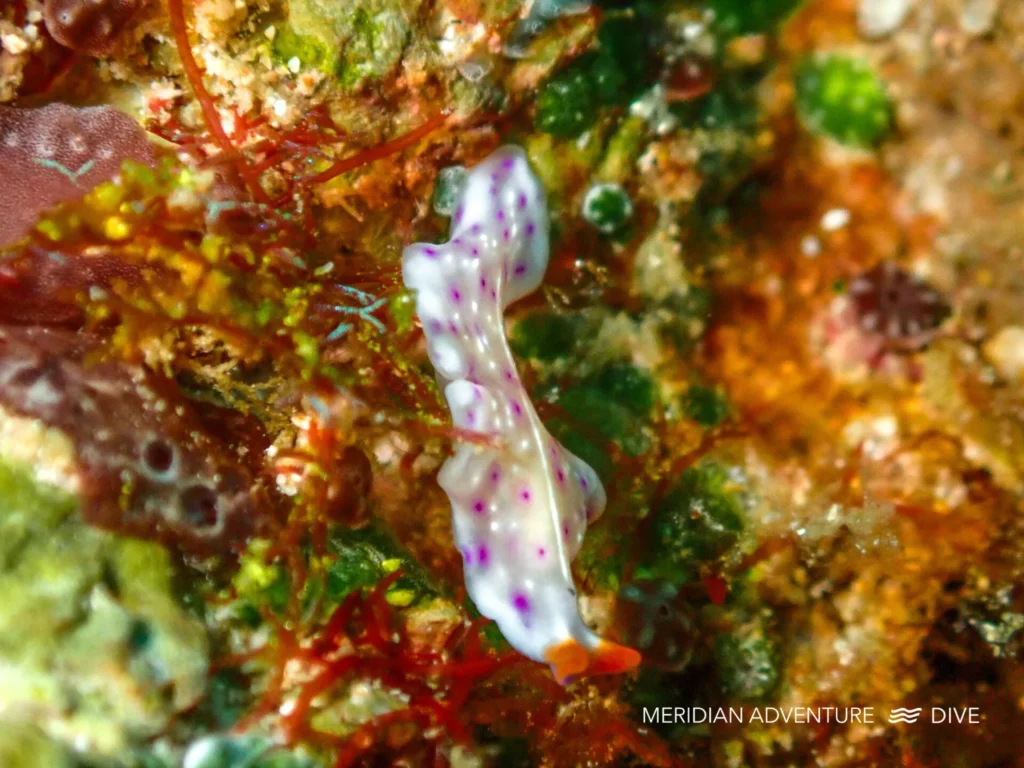
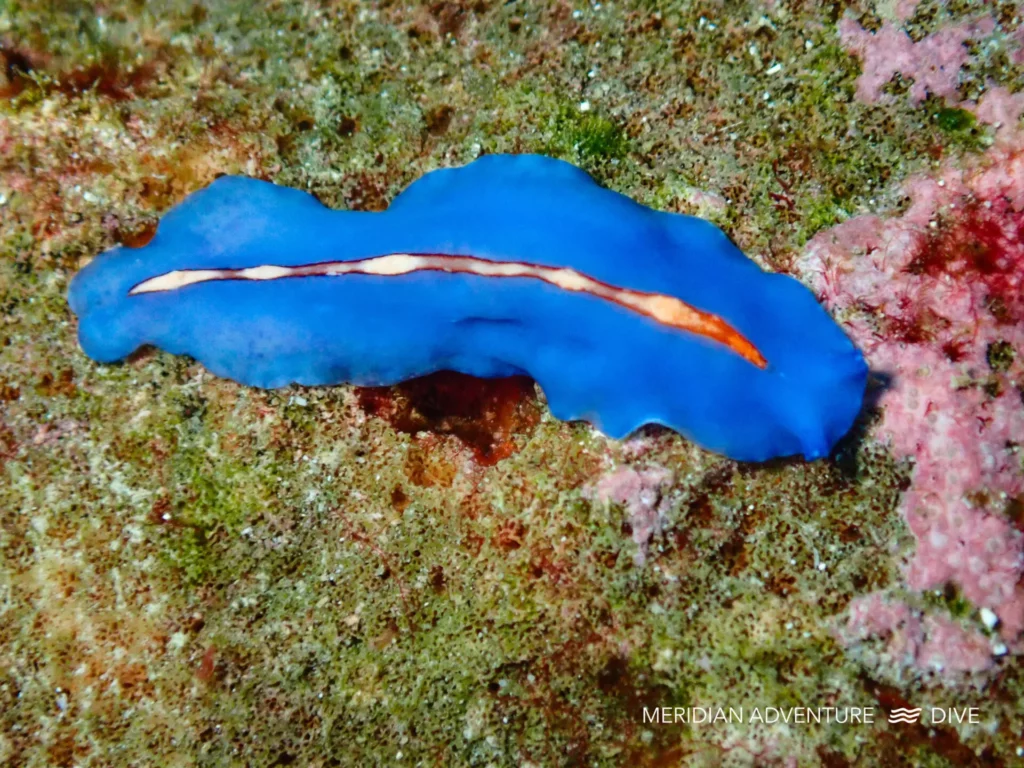
Marine flatworms (often called polyclad flatworms) are colourful, delicate creatures that divers frequently spot on Raja Ampat reefs.
Beneath Raja Ampat’s vibrant reefs, a world of intriguing macro creatures exists. Among these, marine flatworms are some of the most striking yet frequently overlooked. These fragile animals move gracefully over coral, sponge, and rock, showcasing stunning colors and complex patterns that attract divers and underwater photographers. While they are often confused with nudibranchs, flatworms tobelong of a distinct group with its own unique evolutionary history.
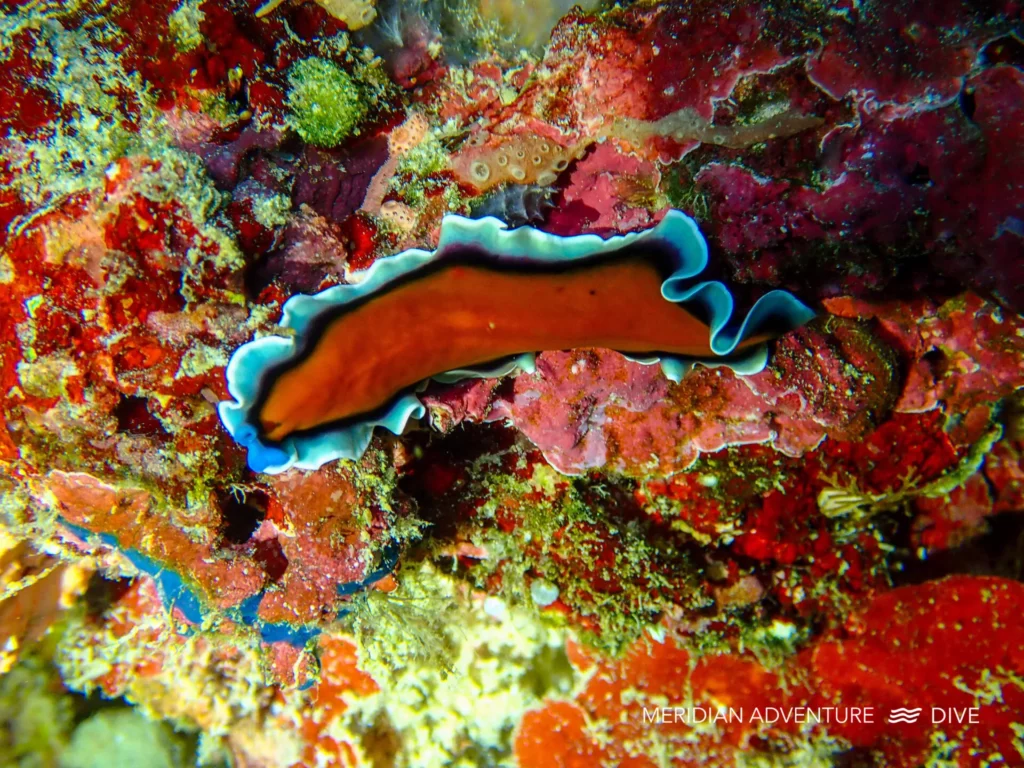
Table of Context:
Interesting Facts about Flatworms
Ancient Origins and Evolution
Appearance and Characteristics
Development and Life Cycle
Breeding Behaviour
Diet and Feeding
Predators and Survival
Life Span and Location
Interesting Facts about Flatworms
They’re Not Nudibranchs.
Flatworms are often confused with nudibranchs because of their bright colours and soft bodies. However, they belong to a different group of animals, the Platyhelminthes. Unlike nudibranchs, flatworms lack gills and rhinophores.
They Are Incredibly Thin.
True to their name, flatworms are very thin, sometimes just a few cells thick. Their flattened bodies enable oxygen to diffuse directly through their skin, so they don’t require lungs or gills for breathing.
Their Colours Are Warning Signs.
The vivid colours displayed by many reef flatworms are thought to be aposematic signals, indicating to predators that they might be toxic or unappetising.
They Glide Like a Magic Carpet.
Flatworms move by gliding effortlessly over the reef, using tiny hair-like structures called cilia together with mucus. This gives them their characteristic smooth movement underwater.
Some Can Regenerate Their Bodies.
Many flatworms possess remarkable regenerative abilities. Some species can regenerate an entire body from a single small piece of tissue.
Their Gut Has Only One Opening.
Flatworms have a very simple digestive system with a single opening. This one opening serves as both the mouth and the exit for waste.
They Are Both Male and Female.
Most flatworms are hermaphrodites, meaning each individual possesses both male and female reproductive organs. Some species even exhibit a fascinating behaviour called “penis fencing”, where two worms try to inseminate each other.
They Lay Beautiful Egg Spirals.
Flatworms lay their eggs in small spiral or ribbon-shaped patterns attached to coral or rock. These egg masses can sometimes be observed during dives.
They Are Mostly Nocturnal.
Many flatworms tend to be nocturnal, hiding beneath rocks or coral during daylight hours to evade predators.
Raja Ampat Is a Flatworm Hotspot.
Raja Ampat, known for its incredible biodiversity, is home to dozens of flatworm species, many of which remain poorly documented. For macro photographers and critter enthusiasts, they represent some of the reef’s most colourful surprises.
Ancient Origins and Evolution
Flatworms belong to the phylum Platyhelminthes, one of the most ancient bilaterally symmetrical animal groups on Earth. Fossil records and molecular studies indicate that flatworms first appeared hundreds of millions of years ago, making them among the earliest animals to develop a defined head and body structure.
Marine flatworms observed on tropical reefs typically belong to the order Polycladida, which means “many branches”, a reference to their extensively branched digestive systems. These worms likely evolved their vibrant colours as warning signals to predators, signalling toxicity or an unpleasant taste. Over time, polyclad flatworms diversified into hundreds of species across tropical seas, with regions like Raja Ampat, rich in coral, supporting particularly high diversity.
Appearance and Characteristics
Flatworms are renowned for their vibrant colours and patterns. Their bodies are extremely thin and soft, generally only a few millimetres thick, allowing oxygen to diffuse directly through their skin.
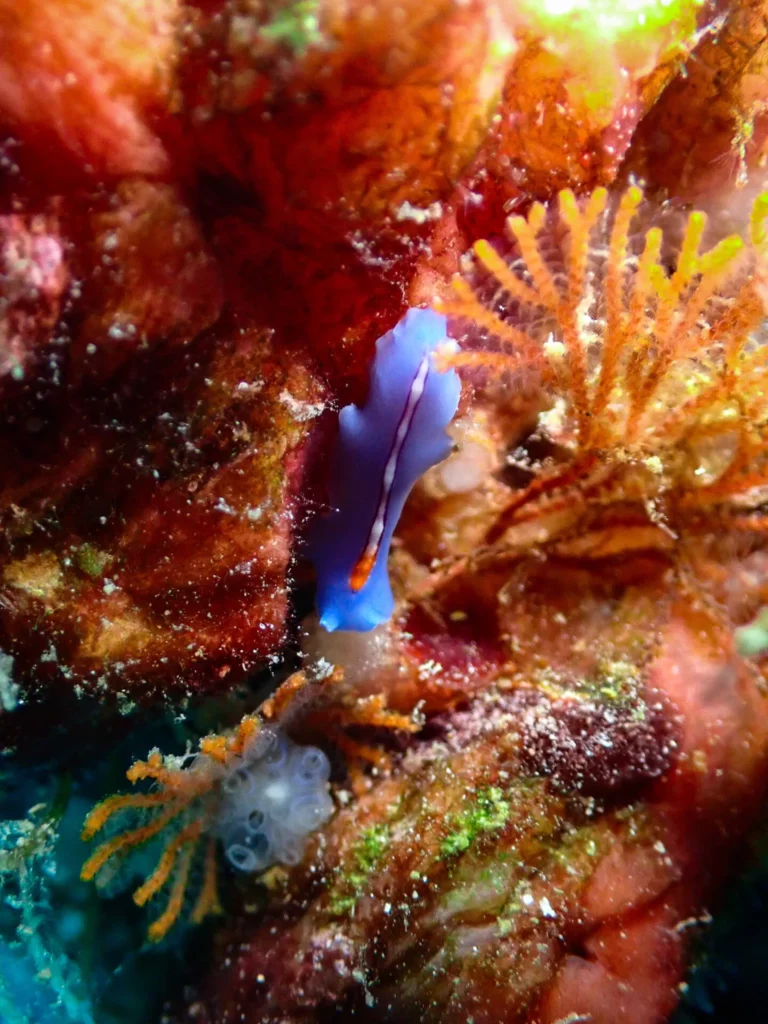
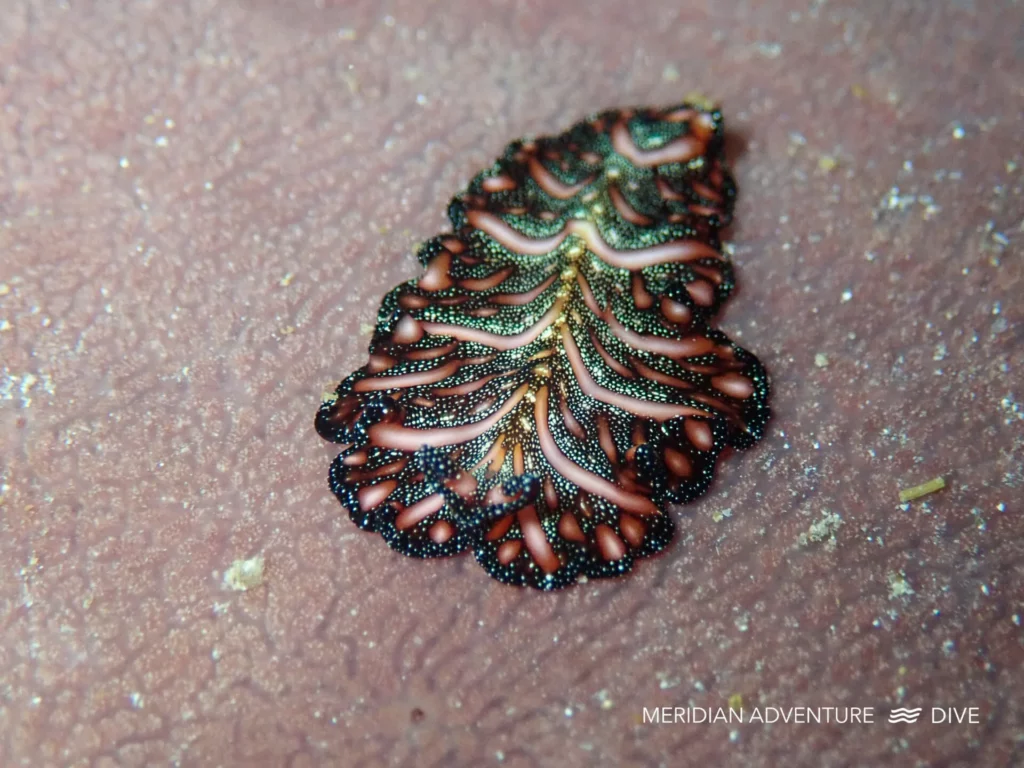
Most marine flatworms have broad, flattened forms with delicate, flowing edges and feature bright colours such as blue, orange, red, purple, and white, along with intricate patterns that differ significantly among species. These vivid colours often act as aposematic signals, warning predators of potential toxicity.
Unlike nudibranchs, flatworms do not have external gills or rhinophores; instead, they depend on their slender bodies for breathing. Their movement is notably graceful, propelled by tiny hair-like cilia that enable them to glide smoothly over surfaces, creating the illusion that they are floating just above the reef.
Development and Life Cycle
Flatworms start life as tiny larvae. After fertilisation, eggs hatch into free-swimming planktonic larvae that drift with ocean currents before settling onto the reef.
Once settled, the larvae undergo metamorphosis and develop into small versions of the adult worm. As they grow, their colours and patterns become more distinct.
This planktonic stage helps flatworms disperse across reefs and colonise new areas, aiding the widespread distribution of many species.
Breeding Behaviour
Flatworms are hermaphrodites, which means each individual has both male and female reproductive organs.
Some species exhibit a rare reproductive behaviour called “penis fencing,” where two worms try to inseminate each other with sharp reproductive structures. The worm that successfully inseminates its partner becomes the male, while the other carries and develops the eggs.
After fertilisation, flatworms deposit their eggs in fragile spiral or ribbon-like clusters on hard surfaces like coral, rock, or algae. Observant divers can sometimes spot these egg masses.
Diet and Feeding
Flatworms are predators or scavengers that feed on a carnivorous diet. Their food options differ by species but typically include small crustaceans, tiny molluscs, marine worms, tunicates, and soft-bodied invertebrates.
They use a protrusible pharynx to extend their feeding tube from the underside of their body, enabling them to capture and digest prey.
Their digestive system is highly branched, enabling nutrients to disperse throughout their slender bodies without requiring a complex circulatory system.
Predators and Survival
Despite their vivid warning colours, flatworms remain vulnerable to some reef predators. Fish, crustaceans, and other invertebrates may prey on them, though many predators steer clear because of their chemical defences.
Flatworms often depend on multiple survival strategies, such as toxic or unpalatable body chemistry, bright warning colours, camouflage patterns, and nocturnal behaviour. Many species are most active at night to avoid predators.
Life Span and Location
Most marine flatworms have a relatively short lifespan compared to many reef animals. Although the exact durations differ among species, it is generally believed that they live from several months to around a year. Despite their brief lives, their quick reproduction and dispersal help maintain stable flatworm populations in healthy reef ecosystems.
Flatworms are common in oceans worldwide, especially in warm tropical areas. They thrive on coral reefs, rubble slopes, and algae-covered rocks. In Raja Ampat, their high numbers are due to the area’s rich marine biodiversity. Divers often see them on shallow reefs, reef slopes, and in sheltered coral gardens, where they move slowly over hard surfaces while searching for food. They usually inhabit depths from a few meters to about 30 meters, often hiding under coral ledges, rocks, or inside reef crevices during the day.
The Raja Ampat reefs host an incredible diversity of flatworms, many of which are still poorly studied or undescribed. This variety highlights the extraordinary richness of the Coral Triangle region.
