
In a world of fast solutions and fleeting trends, Papua Diving Resorts has spent three decades proving that real sustainability takes time—and roots.
A Living Legacy in Papua
The story of sustainable tourism in Papua doesn’t begin with buzzwords or certifications. It begins with a single boat, a Dutch explorer, and a remote island chain that would become known as Raja Ampat.
When Max Ammer first arrived in the 1990s, tourism was nearly nonexistent. What he saw wasn’t an opportunity to profit—it was a calling to protect.
That vision laid the foundation for Papua Diving Resorts, a pioneer in sustainable tourism, conservation, and community empowerment in one of the world’s richest marine ecosystems.
What It Takes to Build Sustainability From Scratch
The early years were anything but easy. There was no infrastructure, no model for an eco-resort at the heart of the Dampier Strait in the Coral Triangle.
What Max and his team had was patience—and a deep belief that sustainability begins with respect for the local Papuan communities.
From the start, Papua Diving Resorts rejected mass tourism. The focus was on small-scale development using local materials, minimizing harmful impact, and learning from the people who had lived in harmony on these islands for generations.
Sustainability: Identifying Problems & Providing Solutions
Sustainability at Papua Diving Resorts has never meant doing less harm—it’s always meant doing more good.
The resorts evolved into hubs for restoration and education. A cornerstone of that mission is the Raja Ampat Research and Conservation Centre (RARCC), an independent nonprofit founded in partnership with the resort.
RARCC empowers the people of Raja Ampat to lead conservation efforts. From coral restoration and mooring buoys to marine science and youth education, tourism funds action, and data drives solutions.
As RARCC celebrates 10 years in 2025, its message remains: sustainability must be local, systemic, and long-term.
How Community Creates Conservation
At the heart of Papua Diving Resorts is a commitment to community. From the beginning, Max insisted on hiring and training Papuan staff—not as a gesture, but as a foundation.
Many senior dive guides, captains, engineers, and mentors started with little formal education. Today, they are confident leaders mentoring the next generation.
One flagship initiative is the dive training program, which certifies local Papuans as PADI dive guides. By removing financial and access barriers, the resort creates long-term careers in diving—ensuring that the guardians of Raja Ampat’s reefs are also its residents.
On land, legendary guide Pak Niko—an early partner of over 30 years—leads birding excursions to see the Birds of Paradise. His knowledge and cultural storytelling preserve traditions and enrich guest experiences.
In Raja Ampat, sustainability without local leadership is just a slogan. But when rooted in purpose, it becomes a movement.

Innovation Born of Necessity
Operating in remote Papua brought challenges: logistics, food, waste, energy. But these became sparks for innovation.
- Kayak4Conservation offers a low-impact alternative to speedboats, connecting guests to locally owned homestays.
- Syntropic agroforestry program seeks to re-forest damaged grasslands, bringing nutrition and sustainable farming methods to the local villages around.
- Wastewater gardens treat greywater naturally, protecting reefs.
- The SEACAM Center at Sorido Bay turns underwater photography into advocacy through hands-on workshops.
These solutions weren’t imported—they were born through need, trial, and a refusal to compromise on ethics.
What the Industry Still Gets Wrong
Eco-tourism has become a marketing strategy. Papua Diving Resorts knows real sustainability is slow, expensive, and often uncomfortable.
And from the very beginning, Max knew he couldn’t do it alone. Partnering with the local Papuan people, Papua Diving Resorts identifies problems and offers green long-term solutions that will help and empower the local communities for generations to come.
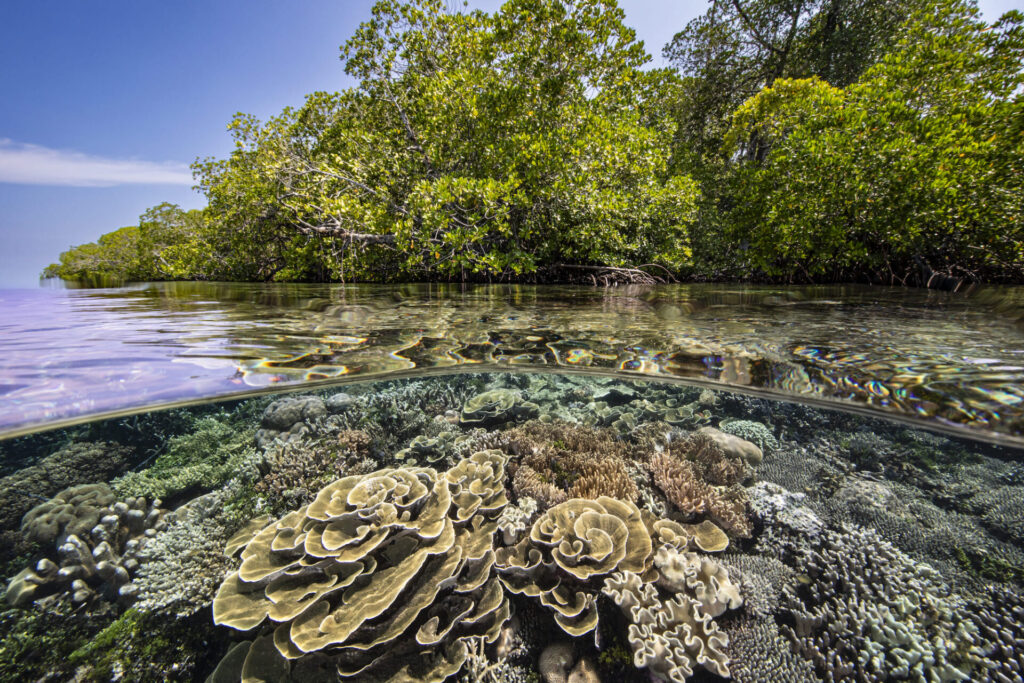
The results are clear: thriving reefs, empowered communities, and guests who leave with a sense of responsibility.
As Raja Ampat faces climate change and coral bleaching, sustainable tourism is more vital than ever. It supports science, creates jobs outside extractive industries, and invites guests to be part of the solution.
Because without healthy reefs, there is no tourism—and without strong communities, there is no future for conservation.
Photo Credit: Don Silcock & Renee Capozzola
Papua Diving Resorts – FAQ
Who founded Papua Diving Resorts?
Papua Diving Resorts was founded by Dutch explorer Max Ammer in the 1990s, long before tourism existed in Raja Ampat. His vision was never about mass tourism but about protecting the reefs and empowering local Papuan communities.
What makes Papua Diving Resorts different from other eco-resorts?
Unlike resorts that market eco-tourism as a trend, Papua Diving Resorts has spent over three decades building sustainability from the ground up. From using local materials and rejecting mass tourism to creating conservation and education programs, every decision is rooted in long-term impact.
What is the Raja Ampat Research and Conservation Centre (RARCC)?
The RARCC is an independent nonprofit founded alongside the resorts. It focuses on coral restoration, marine science, youth education, and conservation projects led by local Papuans. In 2025, it will celebrate 10 years of empowering communities to drive sustainability.
How do the resorts support local communities?
Community empowerment is at the heart of the resorts’ mission. Many staff began with little formal education but were trained into careers as dive guides, captains, engineers, and mentors. Initiatives like the PADI dive training program give Papuans access to professional certifications and long-term careers in diving.
Are there cultural experiences as well as diving?
Yes. Legendary guide Pak Niko, a partner for over 30 years, leads birding tours to see the iconic Birds of Paradise, sharing traditional knowledge and cultural storytelling with guests.
What sustainability innovations have been introduced?
Operating in a remote location inspired unique solutions:
- Kayak4Conservation – a low-impact alternative to speedboats that connects visitors with Papuan homestays.
- Syntropic agroforestry – reforesting grasslands and improving local nutrition.
- Wastewater gardens – natural treatment systems that protect the reefs.
- SEACAM Center at Sorido Bay – turning underwater photography into advocacy through workshops.
How does Papua Diving approach eco-tourism differently?
Papua Diving Resorts believes sustainability is not about quick wins but about slow, systemic change. It invests in people, conservation, and community-led solutions—even when it’s costly or complex. The result is thriving reefs, empowered locals, and a living model of responsible tourism.
Why is sustainable tourism so important in Raja Ampat?
Raja Ampat’s reefs face threats from climate change and coral bleaching. Sustainable tourism funds science, creates jobs outside extractive industries, and actively involves guests in conservation. Without healthy reefs, there is no tourism; without strong communities, there is no conservation future.
