Shedding Light on Inert Gas Washout
Divers Alert Network (DAN) regularly addresses some of the most common, and often misunderstood, questions in diving medicine. One topic that sparks curiosity among students and instructors alike is: what happens to nitrogen bubbles in untreated decompression sickness (DCS)?
The answer lies in understanding inert gas washout… the body’s natural process for releasing nitrogen (and other inert gases) after a dive.
How Divers Accumulate and Release Inert Gas
When you descend, nitrogen from your breathing gas dissolves into your bloodstream and tissues. The deeper and longer the dive, the more inert gas builds up.
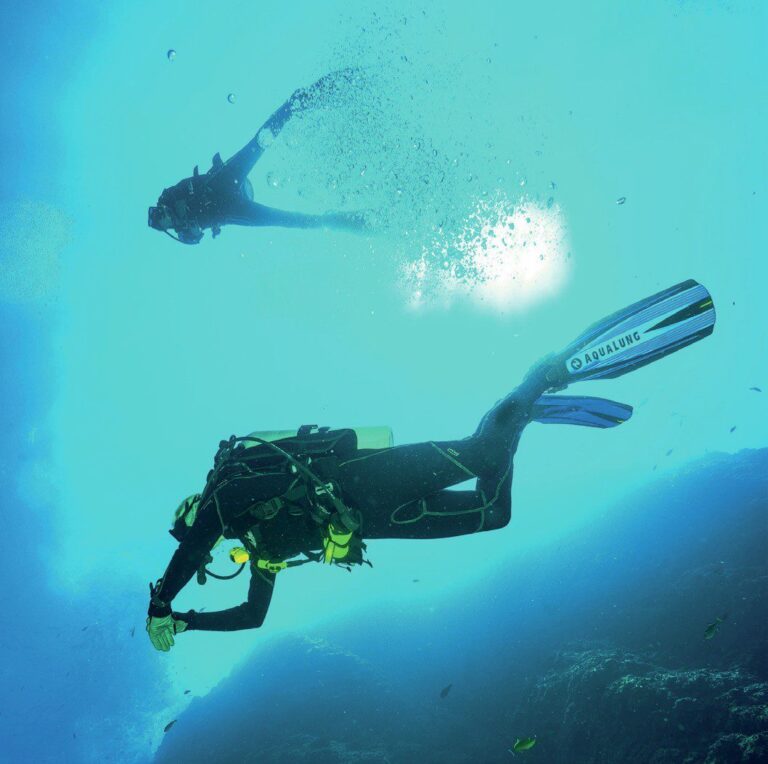
During ascent, the process reverses: nitrogen moves from tissues back into the blood, then into the lungs, and is finally exhaled. This process is inert gas washout, more commonly known as off-gassing, continues both underwater (especially during safety or decompression stops) and after surfacing.
Most recreational divers eliminate almost all inert gas within 24 hours of surfacing. This is why symptoms of decompression sickness usually appear soon after diving, and why onset more than a day later is uncommon except in special circumstances like saturation diving or altitude exposure.
Nitrogen Bubbles and DCS
In cases of decompression sickness, tissues become oversaturated and bubbles form. These bubbles can:
- Cause inflammation and tissue damage
- Vary in severity depending on the size and number of bubbles
- Trigger symptoms within the first few hours after a dive
Left untreated, the body will still gradually remove the gas, but tissue injuries may persist.
Hyperbaric Treatment and Timing
According to DAN experts, early hyperbaric oxygen therapy (within the first 24 hours) is the gold standard for DCS. At this stage, treatment can eliminate bubbles and reduce injury while the damage is still developing.
After 24 hours, the bubbles themselves are usually gone, but the resulting tissue injury remains. Hyperbaric treatment can still be beneficial, as it promotes healing and recovery — but the optimal treatment window is during the first day.
What Happens Without Treatment?
While leaving DCS untreated is strongly discouraged, its progression often trends toward gradual improvement:
- Some divers may recover fully on their own
- Others may suffer persistent issues, ranging from mild discomfort to long-term neurological or musculoskeletal problems
DAN emphasizes that divers should never rely on “waiting it out” – prompt recognition and treatment dramatically improve outcomes.

Frequently Asked Questions
What is inert gas washout in diving?
Inert gas washout refers to the process of eliminating nitrogen (or other inert gases) from the body through the lungs after a dive.
How long does it take to off-gas after a dive?
Most inert gas is off-gassed within a few hours, and almost all is gone within 24 hours for recreational divers.
What happens if decompression sickness goes untreated?
Symptoms may gradually improve, but untreated DCS can cause lasting tissue damage, from mild to severe. Treatment is strongly recommended.
Why is hyperbaric oxygen therapy important?
Hyperbaric treatment within 24 hours can eliminate bubbles and reduce tissue injury. After 24 hours, it still promotes healing, but damage may already be present.
How does DAN help divers with DCS?
Divers Alert Network provides expert guidance, emergency assistance, and safety resources for divers worldwide, including access to hyperbaric treatment when needed.
Subscribe today with promo code DIVE1 — enjoy 12 months for just £1!
