“My son had really struggled in school and had lost a lot of confidence, so we were quite nervous about trying something new,” says one parent. “But Claire and Zoe have been brilliant – they’re patient, they really listen and they’ve helped him believe in himself again.”
The student in question has a new set of mentors – and they work at a dive-school in Sussex. “Seeing him excited to go somewhere and talk about what he’s learnt has meant so much to us.”
“In many ways the programme grew from personal experience,” says Joel Cooper-Dykes, who set up Abyss Scuba School only three years ago. This PADI 5* dive-centre, based at Littlehampton marina on England’s south coast, is finding success with an unusual addition to its standard offerings, and Joel’s explanation echoes the words of that relieved parent.
“My own eldest son struggled significantly throughout school due to ADHD and the challenges that come with that,” he says. “The traditional system simply didn’t work well for him, but diving gave him something very different – it gave him structure, focus and a sense of achievement.”

Joel’s experience with his son Logan prompted him to try to help other young people “who are capable and talented but often struggle within the standard education system”.
Alongside its regular diver training, Abyss Scuba has developed an independent Alternative Provision programme for youngsters considered to have special educational needs (SEN). It is using scuba diving, snorkelling and other marine-related activities to rebuild their confidence, regulate their emotions and help them to engage with learning.
Joel’s co-director Claire Barclay has an education background as a teaching assistant with SEN experience, while qualified emotional literacy support assistant (ELSA) Zoe-Anne Rough works closely with the young people to support their emotional well-being. Both women are PADI Divemasters and Discover Scuba Diving leaders.
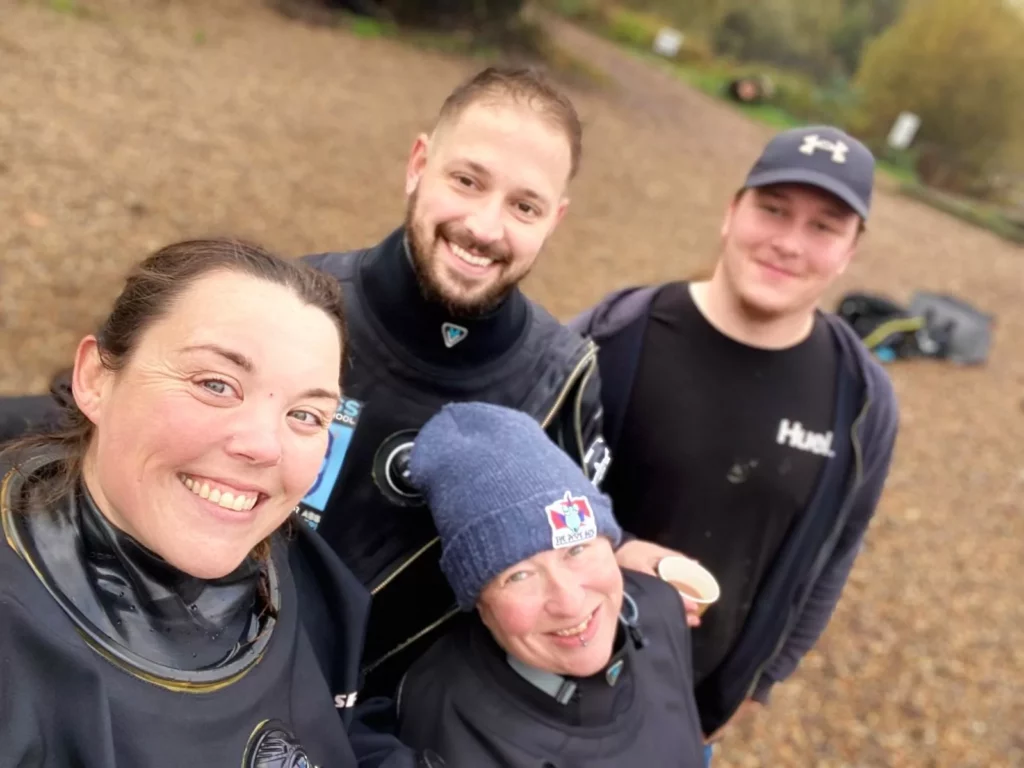
PADI believes that Abyss Scuba is the only dive-centre in the UK operating as an independent Alternative Provision provider, working with schools and local authorities to support vulnerable young people.
“They went through a lot of paperwork to get approval and Claire’s role within the sector helped,” says PADI’s southern UK regional manager Emma Hewitt. “Their dive-centre is set up with various sensory spaces especially for these young people.”
Categories overlap
SEN covers four categories of challenges for children: communication and interaction, such as might occur with autism spectrum disorder or speech and language difficulties; cognition and learning, such as dyslexia; social, emotional and mental health (SEMH); and sensory and/or physical, such as with a visual or hearing impairment.

SEMH refers to behaviour that can affect learning by causing anxiety, depression or attachment difficulties. It might be trauma-related, cause a child to be persistently disruptive or withdrawn, or make it tricky to regulate emotions or form relationships.
Categories often overlap. A child might have been excluded from school or be struggling with attendance, have attention deficit hyperactivity disorder (ADHD) or individual sensory needs, or have experienced anxiety or school-related trauma.
“Instead of classrooms and desks, their learning environment is water, teamwork and the ocean,” says Joel of the students’ experience at Abyss Scuba.
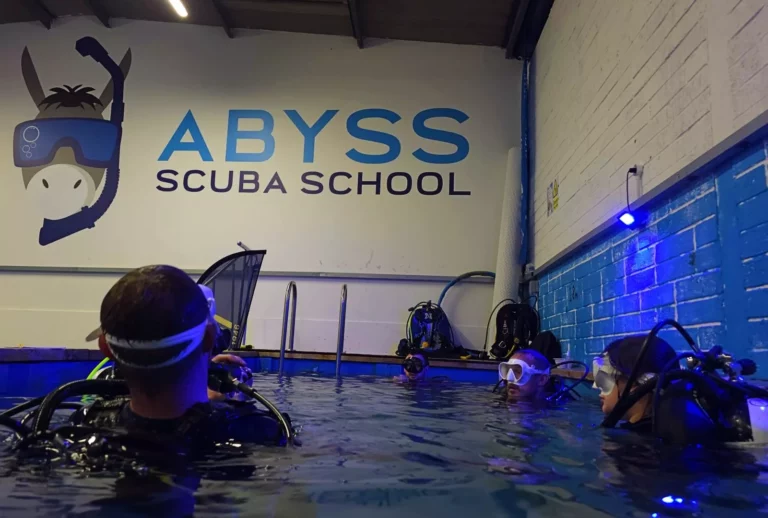
“They start in our heated training pool, learning snorkelling and basic scuba skills. For many of them it’s the first time in years they’ve felt successful in a learning environment. You can literally see the moment when confidence begins to return.
“From there we build resilience, responsibility and teamwork through structured diving activities and exploration of the local coastline.”
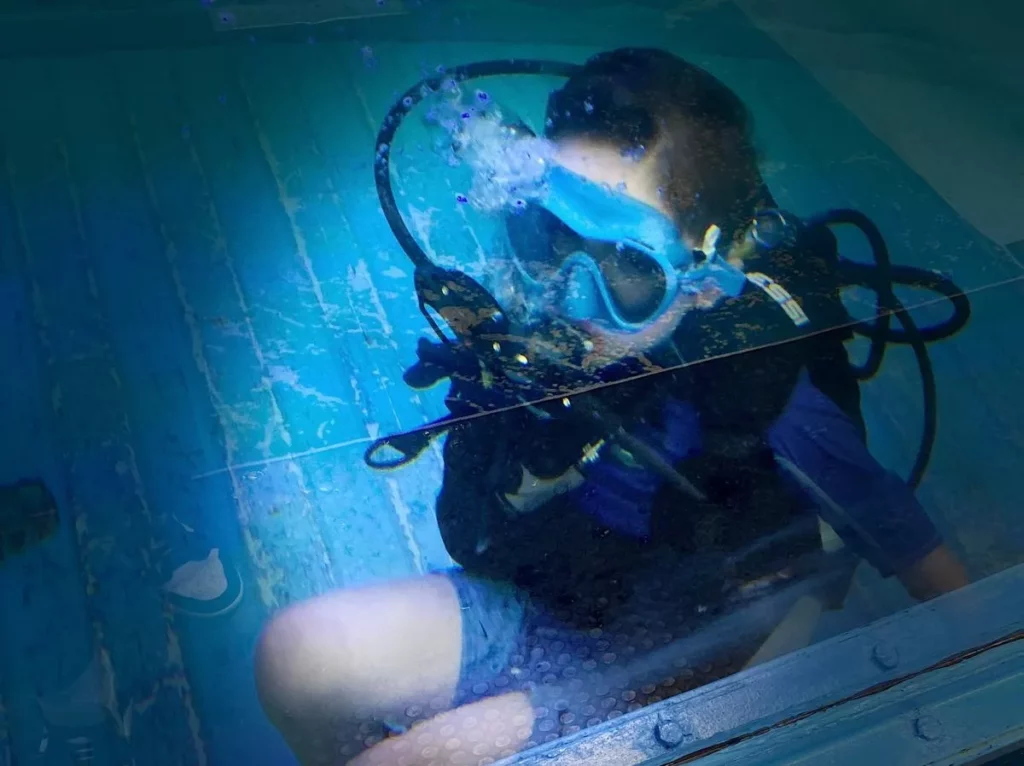
Logan Cooper-Dykes is now a Junior Divemaster. “He helps us with surface support, logistics at the dive-centre and is currently studying motor mechanics at college,” says his father. “Diving has played a huge role in building his confidence and direction.
“Seeing that transformation made me realise how powerful the underwater environment can be for young people who don’t fit easily into traditional education. It has shown us that scuba diving can be far more than a recreational activity – it can genuinely help young people rediscover confidence and belief in themselves.”

“Hugo has settled so well during his time at Abyss, and it’s been lovely to see how much he has grown in confidence and how much he has learnt,” reports the parent of another student. “Every session is different, which keeps things exciting for him and gives him the chance to try new things. It’s wonderful to see how comfortable and confident he has become in the water.
“The team are truly amazing – they take the time to understand him, support him when he needs it and always make sure his needs are met. We’re so grateful for the patience, care and encouragement they show him.”

Setting up
When Joel Cooper-Dykes started diving at 12 it was with his own father, and he says that the experience helped him “enormously” during his schooling.
He went on to join the Royal Navy, and served for 16 years: “Teamwork, discipline and resilience were fundamental – those same principles now underpin how we run the programme today.”
Abyss Scuba opened in November 2023, initially in Joel’s garage, but the Alternative Provision programme took a little time to establish.
“We began the process in January 2025, after securing our amazing unit at Littlehampton Marina and quickly becoming a PADI 5* centre,” he says. “The process required significant preparation regarding safeguarding, policies and approvals.
“West Sussex County Council officially approved us in October – unfortunately just missing the September intake from schools.”

Eight students are currently enrolled. “In reality, we started getting the word out properly only around mid-January 2026, but since then referrals have been steadily increasing, both from the county council and directly from schools.
“Our intention is to keep the programme small and structured, with a maximum of eight children attending per day and a maximum staff ratio of 1:4, which allows us to provide the level of support these young people need.”
Funding the scheme
Placements are paid for through a combination of EOTAS (Education Otherwise Than At School), West Sussex County Council referrals and direct school funding.
“We also have a small number of home-educated students whose parents choose to self-fund their participation in the programme,” says Joel. “Word of mouth has also played a role, as families share their experiences.”
As a PADI-approved Youth Training Centre the agency has, says Joel, supported his efforts to use diving as a pathway to help young people.
“The programme uses the PADI training framework but it has been adapted to suit the young people we support,” he says. “The focus is on confidence-building, teamwork and emotional development rather than simply progressing through qualifications.
“Younger students often begin with Seal Team and Master Seal Team, while older students can progress through the diving pathway starting from Open Water Diver.
“For some of our longer-term students, this can develop into a Divemaster apprenticeship pathway with us, where they help with equipment preparation, teamwork and supporting activities at the centre.”
Sixteen-year-olds might be steered towards considering marine biology or environmental science, professional or commercial diving, the Royal Navy or other maritime careers.
Breath control
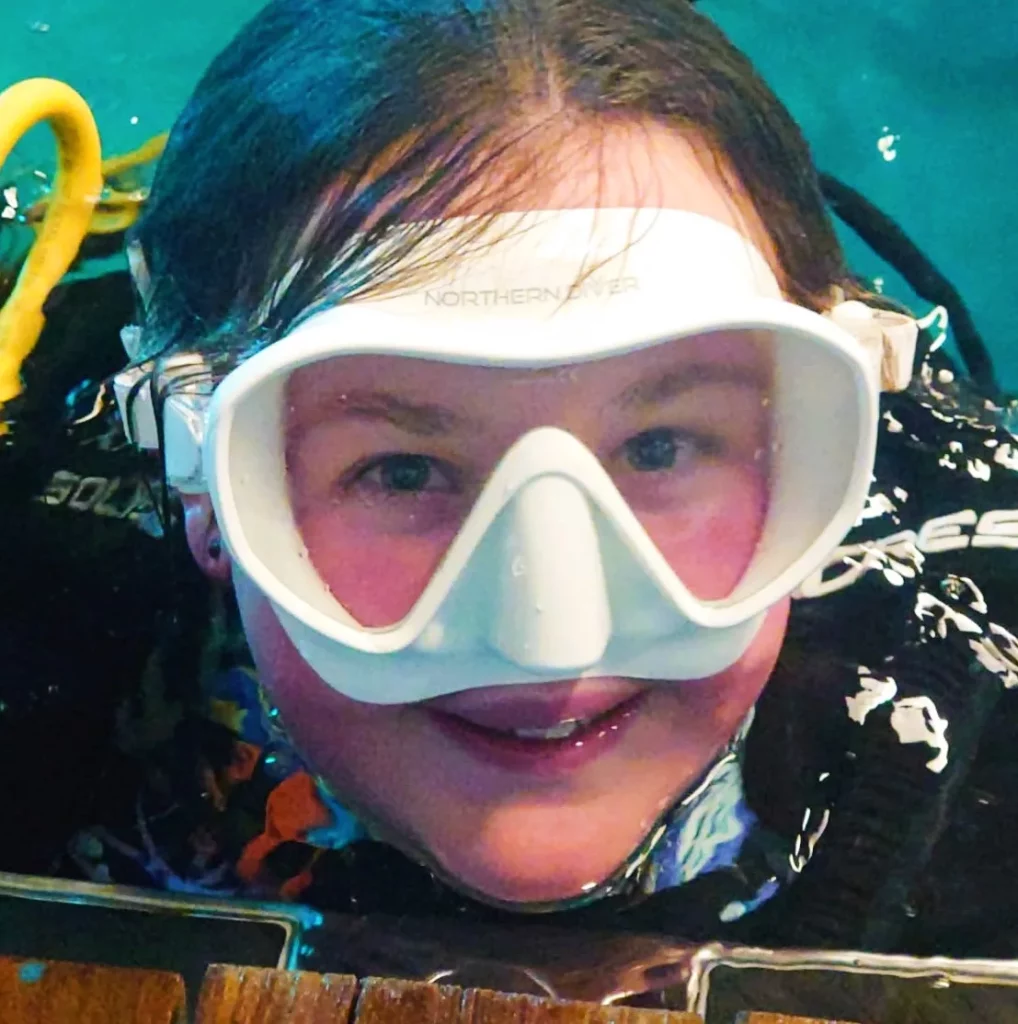
Scuba diving and snorkelling teach students to control their breathing, which reduces anxiety and supports regulation of the emotions, and to stay calm under stress, building their resilience and flexible thinking.
They learn to be present and mindful in a sensory-controlled environment and, by solving problems in real time, gain independence and confidence, attributes that transfer directly to everyday challenges.
Apart from its pool with viewing window, classrooms and sensory spaces, Abyss Scuba offers easy access to beach, harbour and the coast.
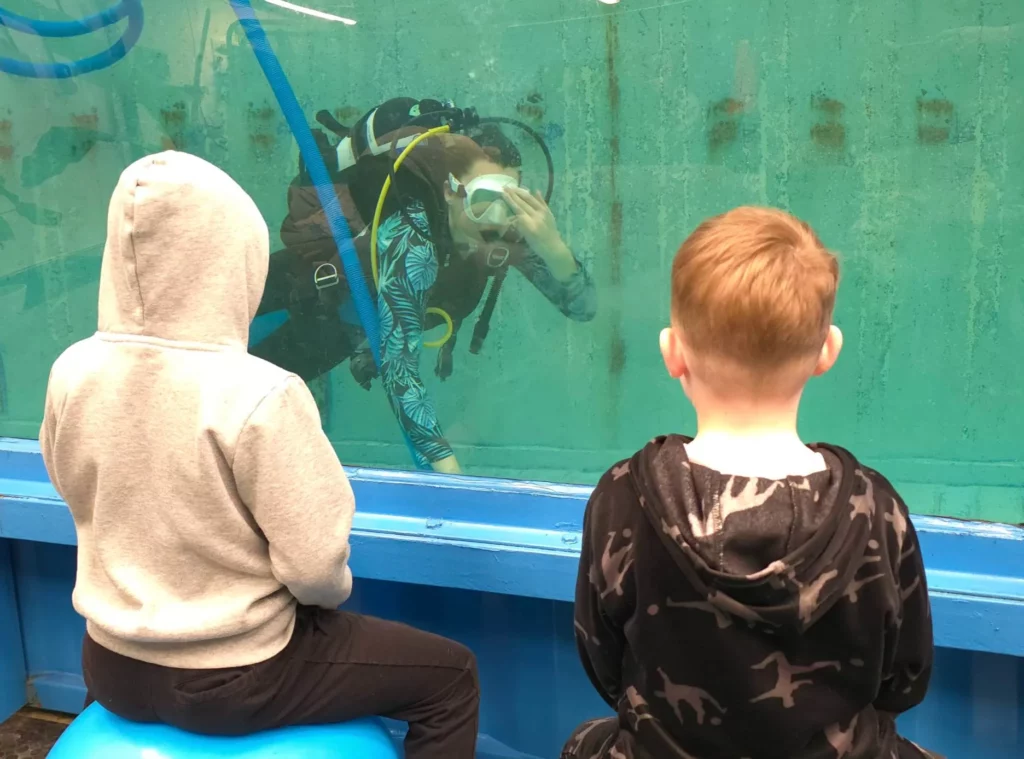
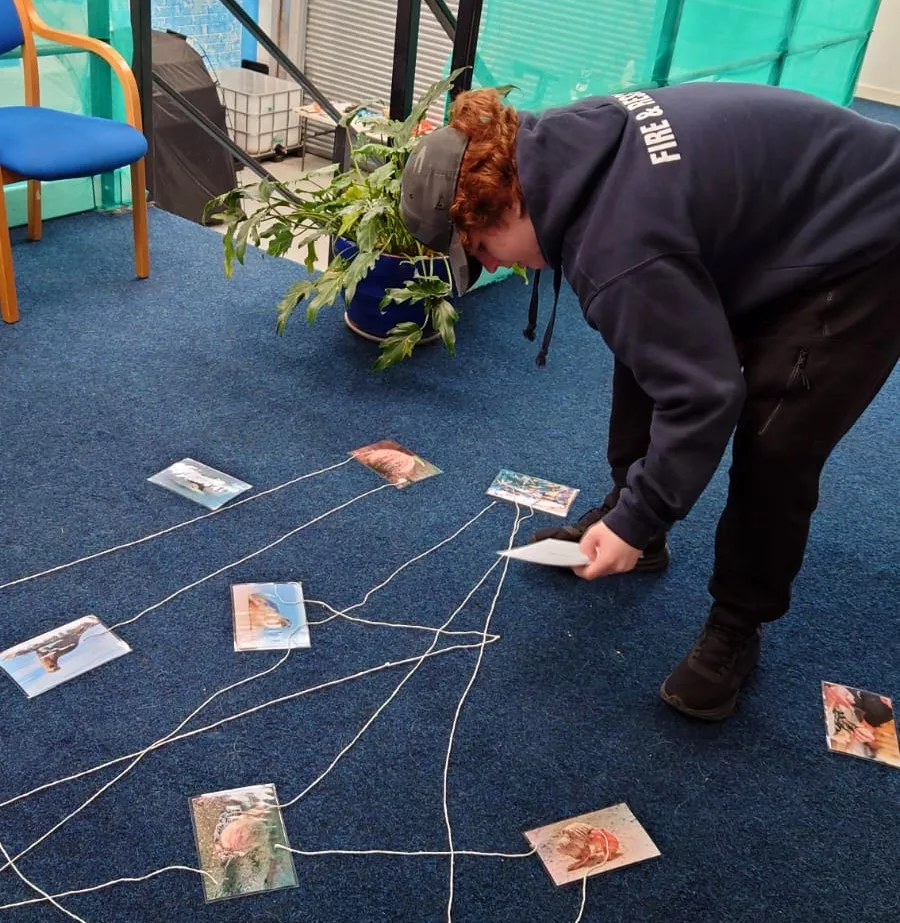
Above the surface, the programme embraces structured water play to support sensory regulation, coastal exploration including rock-pooling, marine biology and ecology workshops, and navigation and tide-awareness along the River Arun.
Activities are calculated to educate while reducing pressure, building confidence and encouraging curiosity “in a low-demand setting that feels safe and exciting”, says Joel. Elements of marine ecology and conservation, applied maths, practical science, literacy and communication, teamwork and social and life skills can be worked into lessons.
“Like any programme supporting young people with complex needs, progress varies from student to student,” he admits. “Some build confidence very quickly, while others need more time.
“Success for us is usually measured through improvements in confidence, willingness to engage, teamwork and emotional regulation, rather than purely academic outcomes.”
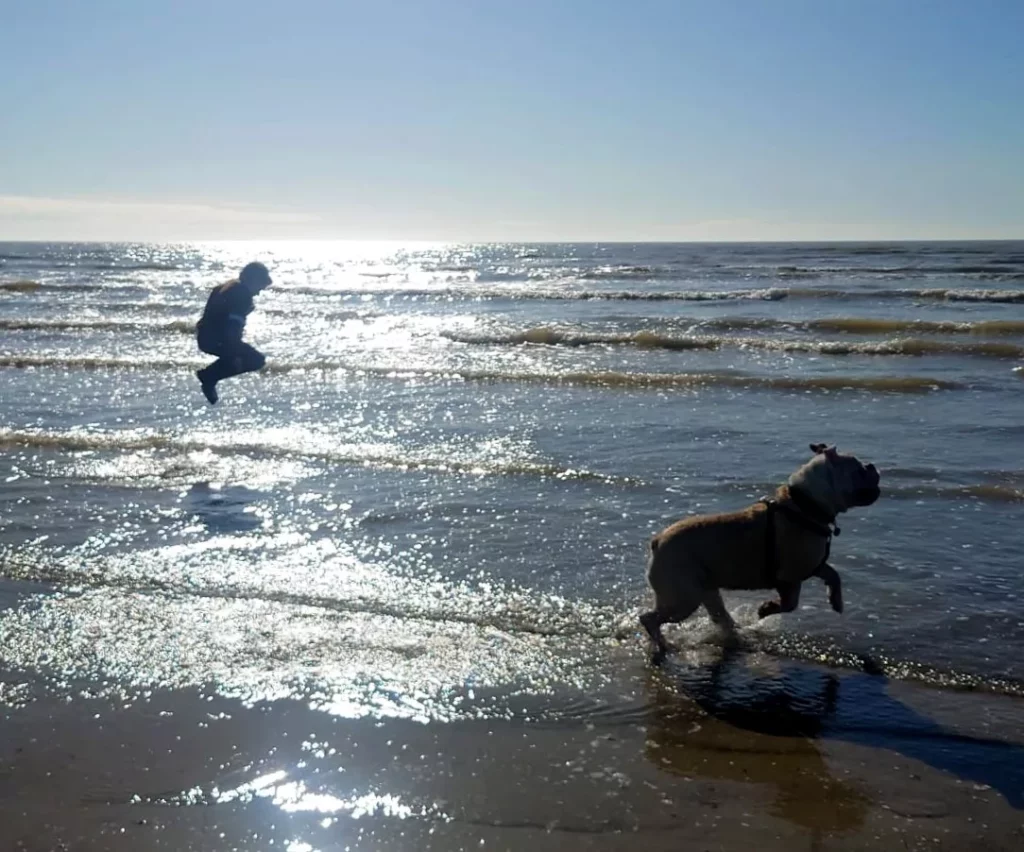
And, as another parent expresses it: “Every session feels different. My son is always saying he has been doing something interesting, whether that’s at the beach or in the pool.
“He used to be very anxious, but in the water he’s calm and focused. He has changed so much in such a short time. The staff seem to take the time to support each child properly – and you can see the difference it makes to their confidence.” Find out more at Abyss Scuba School.