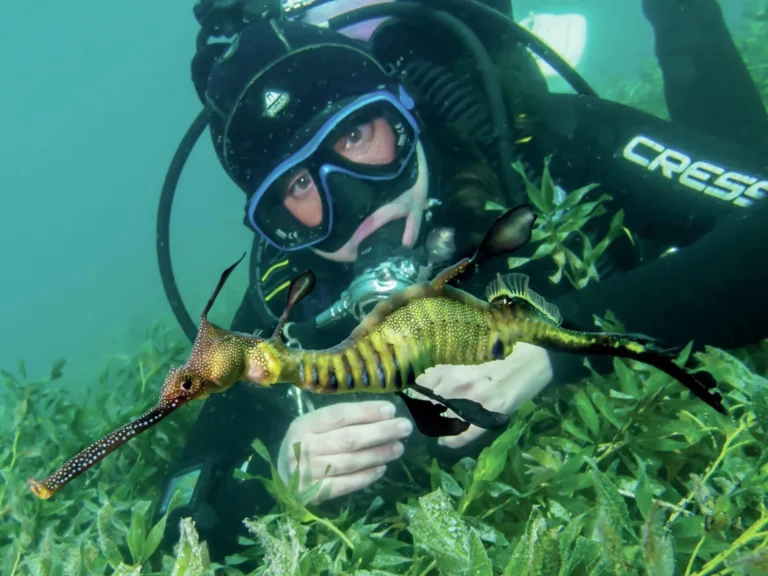
PT Hirschfield chats with Seattle’s sixgill shark advocate Natalie Anderson about her long-awaited dive trip Down Under.
Photographs by PT Hirschfield or as credited
From the Pacific Northwest to the Mornington Peninsula
Born in Philadelphia and now based in Seattle, Washington, head nurse and sixgill shark advocate Natalie Anderson recently dived on Australia’s Mornington Peninsula with her Aussie friend PT Hirschfield, whose underwater images inspired her to learn to dive. It was a trip eight years in the making.

Topside, Natalie has always loved nature and is an avid hiker and camper: ‘My wife, child and I spend a good portion of our summers camping and hiking the mountains we’re surrounded by.’
She’s the charge nurse of a 15-bed, critical care nursing ward: ‘I manage the daily flow of the unit, acting as a resource for my colleagues.’
While she can’t really imagine doing anything else, she admits: ‘Covid and the fentanyl epidemic have left their mark. Nursing has become exponentially more difficult in recent years. Diving helps reset my brain when the stress of my career gets me down.’
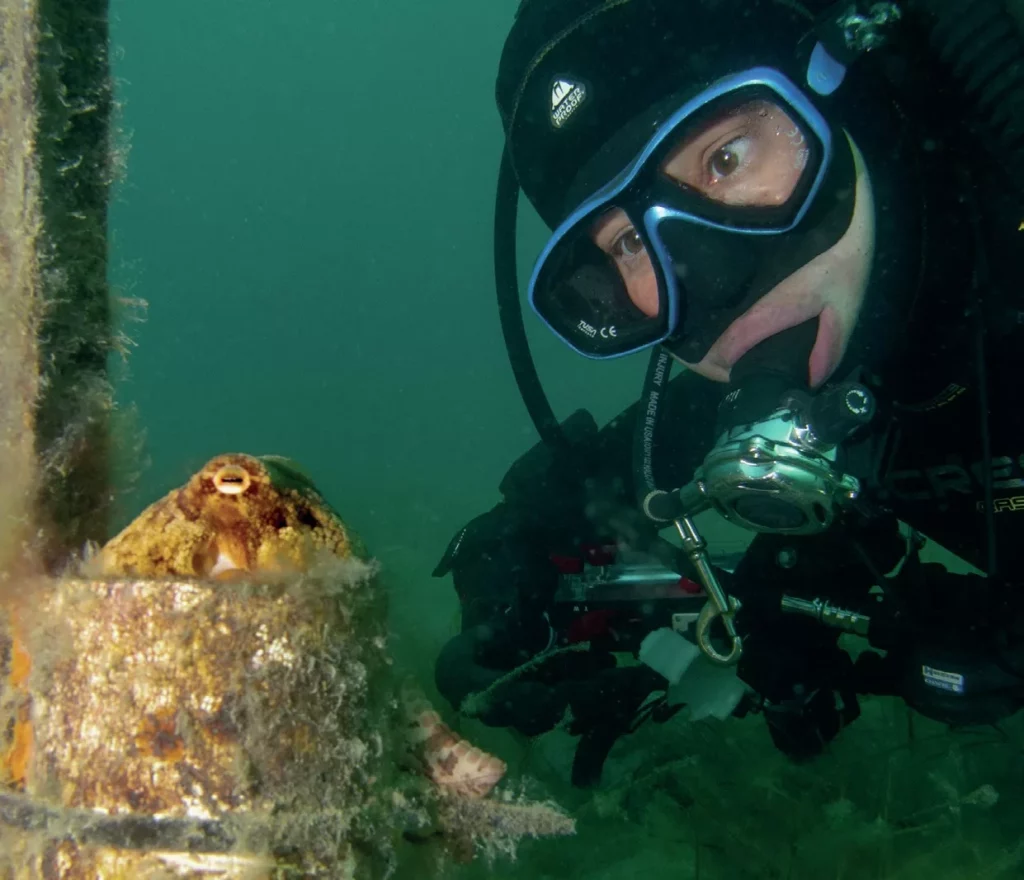
While Natalie grew up relatively close to the sea in New Jersey, she rarely had a chance to visit as a child: ‘When I first saw the ocean at age eight, I fell in love. As a teenager I’d sometimes skip school to drive to the beach. It wasn’t great for my grades, but it fulfilled something in my nature.’ Moving to Seattle was a dream come true: ‘I’m surrounded by water. My closest dive site is 15 minutes away.’
Diving for Mental Health: A Nurse’s Underwater Escape
Natalie’s dive life was birthed in 2016, when she went through a period of severe depression: ‘The political climate in the US was causing me a lot of stress. In the midst of trying to start a family, I was having misgivings about bringing a child into an uncertain world.’
‘One night I aimlessly searched ‘underwater photography’ to distract myself from the negativity flooding the news and social media.’ That’s when I discovered PT’s blog.
We struck up an online friendship that eventually led to me getting certified, to experience the underwater world for myself.’

‘After months of growing interested in diving, I told my wife I was thinking of trying scuba. She surprised me with a certification course in Hawaii in 2018.’
So far Natalie’s the only diver in her family, but says: ‘ I have an inkling my seven-year-old daughter will eventually join me underwater. She’s a good swimmer and was fearless when we snorkelled with nurse sharks last year in Belize.’
Loving scuba too much to dive only on vacation, Natalie completed her Drysuit, Advanced Open Water and Nitrox courses in Seattle in 2019.
Facing the Cold: Natalie Anderson’s GUE Training in Washington
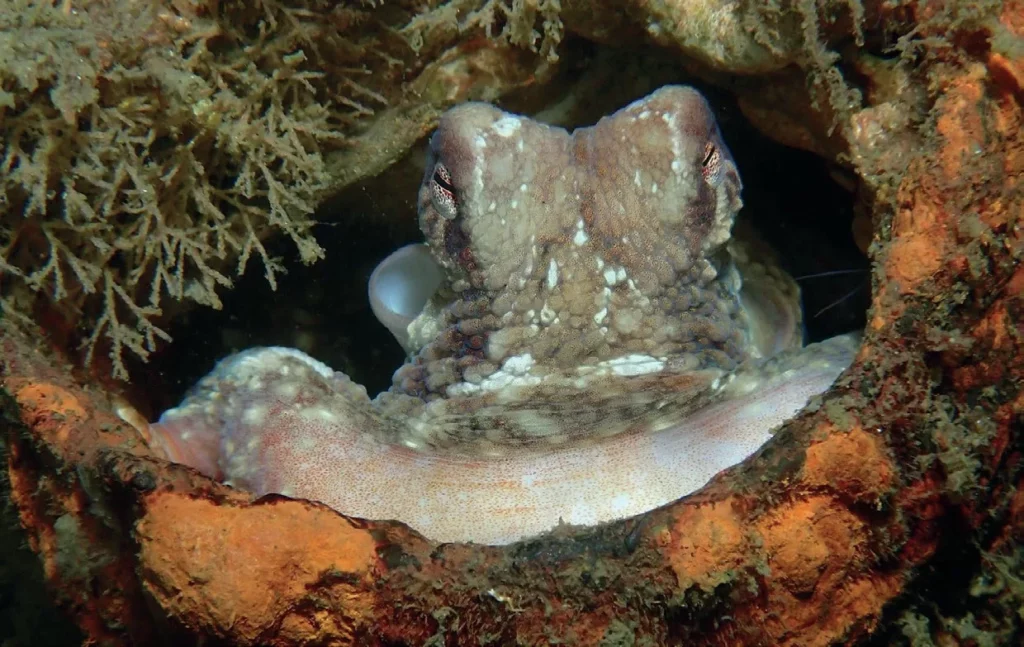
Her local diving in the Pacific Northwest is challenging. The water temperature is around 8 degrees C year-round, with visibility often below three metres. In summer, it’s often under two metres. But she describes her local waters as offering some of the most beautiful diving she’s experienced: ‘Giant Pacific octopuses, Pacific spiny lumpsuckers, friendly harbour seals, wolf eels and majestic sixgill sharks are just some of the creatures I encounter.’
Initially, Natalie found the underwater conditions in Washington ‘scary’: ‘I was ready to give up diving here until I stumbled upon my local GUE (Global Underwater Explorers) group. I felt reassured by the GUE emphasis on safety.’
After ‘years of procrastination and one aborted attempt’, she completed her GUE Fundamentals course in 2023: ‘GUE’s historically had a reputation of being for cave and tech divers only. In recent years, they’ve focused a lot of energy on recreational diving. Fundies was the most-challenging class I’ve ever taken. Completing it made me a much more comfortable diver.’
Nowadays, Natalie tries to dive at least once a week when work and parenting allow: ‘Because I work odd hours, I tend to dive with retirees like my buddy, Ed, who’s been diving for longer than I’ve been alive!’ To date, she’s done around 250 dives.
Of finally getting to buddy with this article’s author in Melbourne, Natalie says ‘Her underwater images are what drew me into the world of scuba. Very early on, I determined to visit her part of the world, to see those critters for myself.’ ‘My original plan to visit the Mornington Peninsula in 2020 for my 40th birthday, was thwarted by Covid. My wife and I rescheduled the trip to February 2025, which worked out better. Our daughter was old enough to enjoy the trip, and now I’m a much more confident diver.’
Australia Highlights
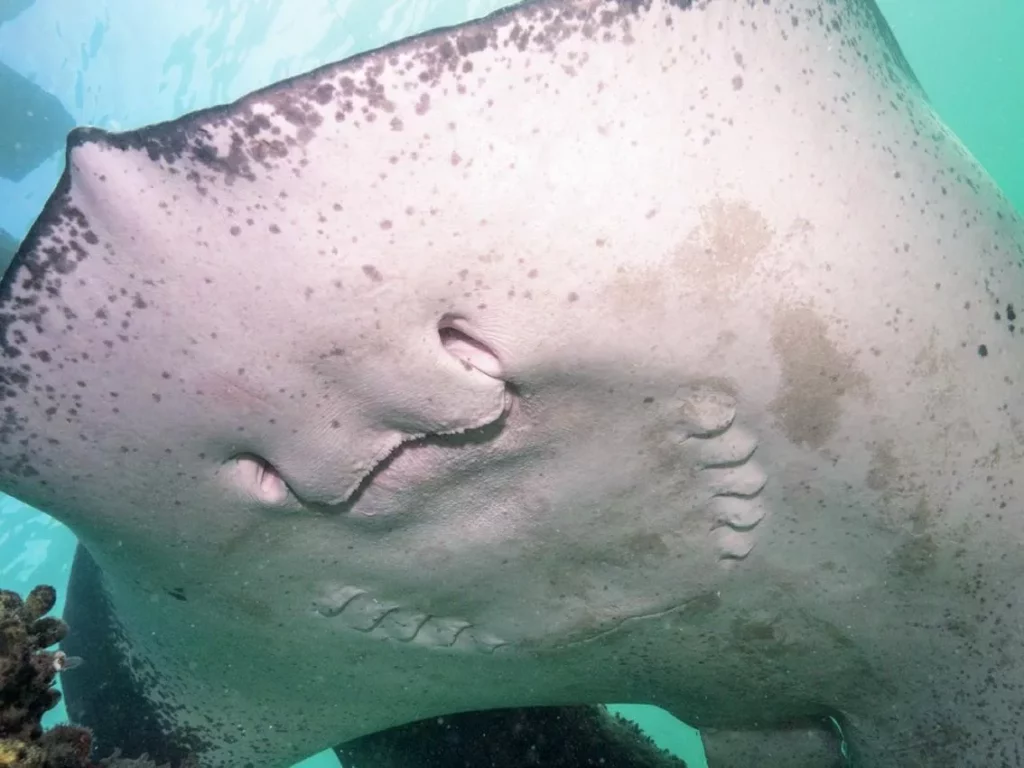
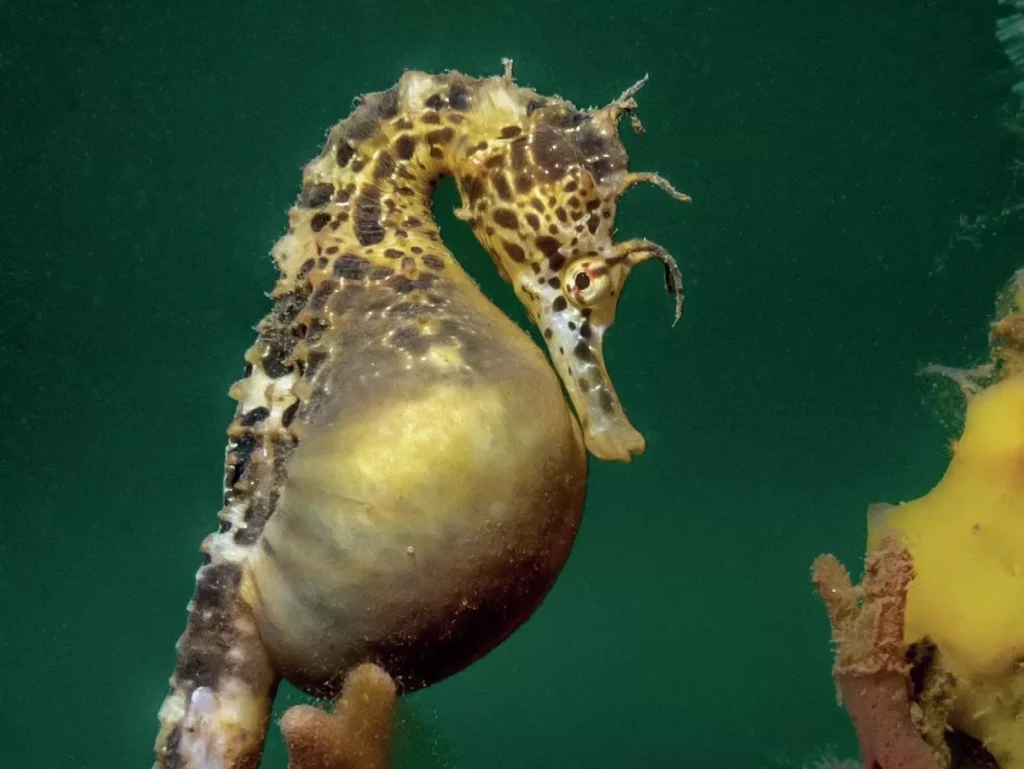
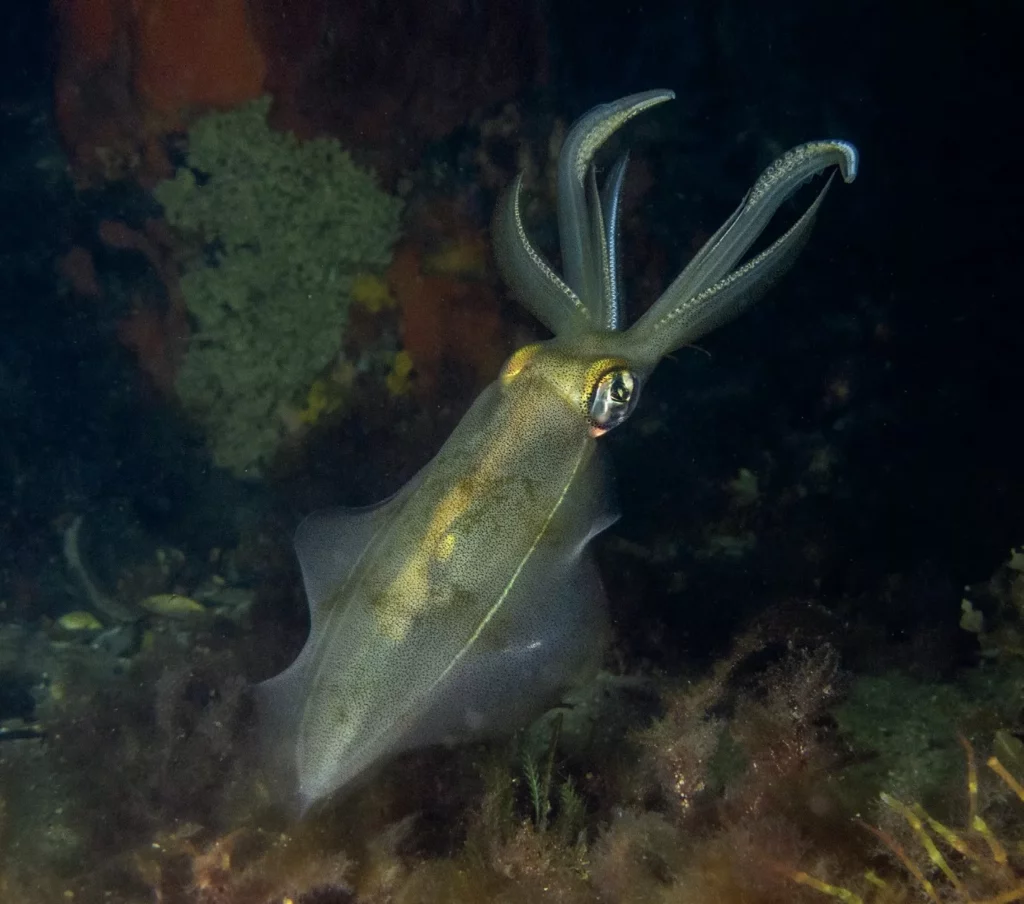
After Dive 2 on the Mornington Peninsula, Natalie declared she ‘could go home happy right now!’ Across seven dives, she saw weedy sea dragons, giant smooth rays, seahorses and cuttlefish. Together, she and PT spent half an hour rescuing a red bait crab, perilously tangled in fishing line beneath a pier.

“I’m inspired by my daughter who picks up litter at the beach and tells me to “Find lots of octopus!” every time I go for a dive. I owe it to her generation and future generations to do my part“
The highlights of Natalie’s Aussie dive trip? ‘I was hugged by a Maori octopus at Flinders and found my ultimate Bucket List critter – a blue-ringed octopus – at Rye!’


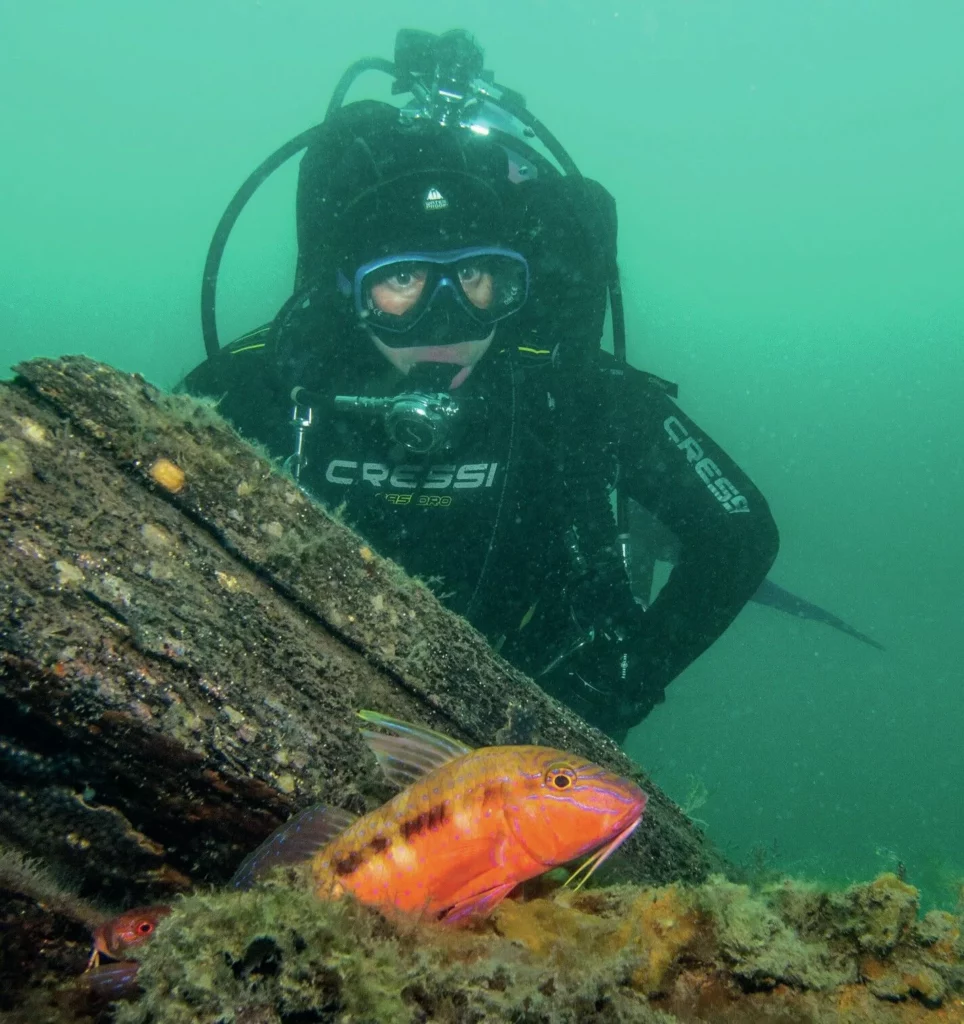
Additionally, Natalie has dived in Mexico, the Pacific and the Caribbean, Hawaii and Belize where she encountered her first nurse shark: ‘I’m hoping to dive in Japan next. I’d love to visit the Hasama Underwater Park and meet the resident sheepshead wrasse.’
The Sixgill Capital: Shark Advocacy and Ocean Conservation
Natalie’s love of diving has expanded to proactive ocean advocacy in her local waters: ‘I’ve always been passionate about environmental and social causes. I’m currently involved in a project to educate the public about sixgill sharks, in the hope this will lead to greater protections for them.’
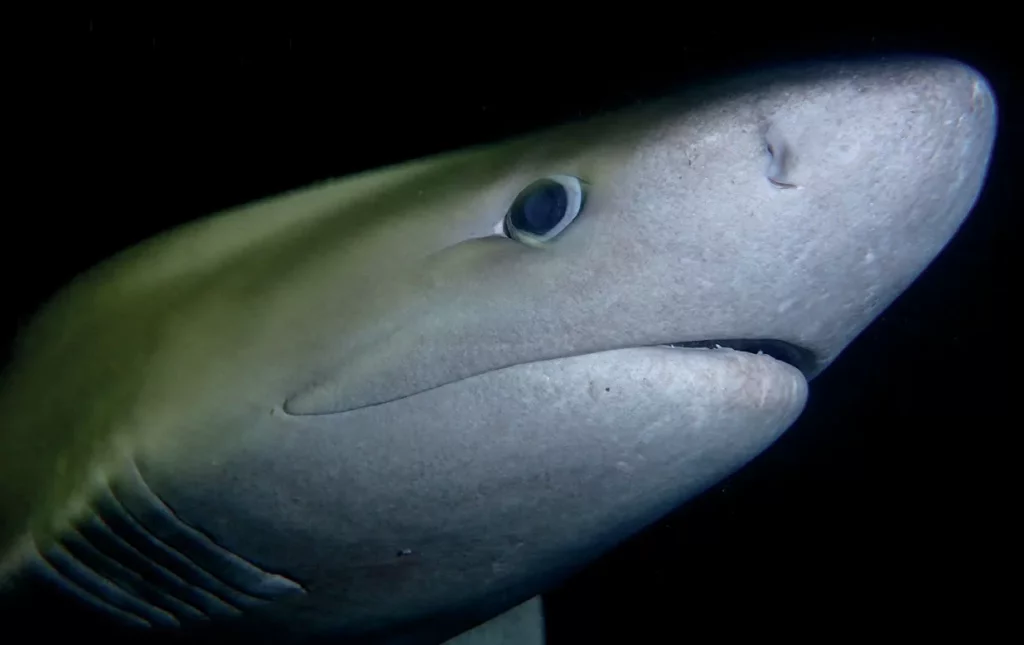
Des Moines, Washington is one of very few places in the world where divers can reliably see these elusive, deepwater sharks at recreational depths: ‘It’s heartbreaking to hear of people discarding them as bycatch. They’re a threatened species. As we know, declining shark populations indicate the declining health of our oceans.’
Thanks to the advocacy of Natalie Anderson and her dive buddies, Des Moines is now officially recognised as ‘the Sixgill Capital of the World’. 6 July has been dubbed Sixgill Shark Day, and 6th Ave in Des Moines is set to be named Sixgill Ave: ‘It sounds like silly stuff, but we’re trying to change the public’s perception of sixgills.’
Contemplating the current state of the world and the ocean, Natalie reflects: ‘It’s a challenge for me to stay positive at times, especially when our planet is in such a tenuous place.’
‘I’m inspired by my daughter who picks up litter at the beach and tells me to “Find lots of octopus!” every time I go for a dive. I owe it to her generation and future generations to do my part to protect our planet both topside and underwater.’
FAQs
Who is Natalie Anderson?
Natalie Anderson is a Seattle-based critical care nurse, scuba diver, and prominent advocate for sixgill sharks. She is known for her work in marine conservation and her journey into diving as a tool for mental health.
Where can you see sixgill sharks at recreational depths?
Des Moines, Washington, is one of the few places globally where divers can reliably encounter elusive sixgill sharks at recreational diving depths. It has been officially recognized as the “Sixgill Capital of the World.”
What is GUE Fundamentals and why is it important for divers?
GUE (Global Underwater Explorers) Fundamentals is a rigorous training course focused on safety, buoyancy, and teamwork. For divers like Natalie, it provides the skills necessary to handle challenging environments, such as the low-visibility, cold waters of the Pacific Northwest.
What are the best dive sites in Australia’s Mornington Peninsula?
The Mornington Peninsula offers world-class temperate water diving. Key sites like Flinders and Rye Pier are famous for encounters with weedy sea dragons, Maori octopuses, and the highly sought-after blue-ringed octopus.
How does scuba diving help with career stress?
Many professionals, including healthcare workers like Natalie Anderson, use scuba diving as a “brain reset.” The sensory deprivation, focus on breathing, and connection with nature provide a powerful meditative escape from high-stress environments.
This article was originally published in Scuba Diver Magazine
Subscribe today with promo code DIVE1 — enjoy 12 months for just £1!
