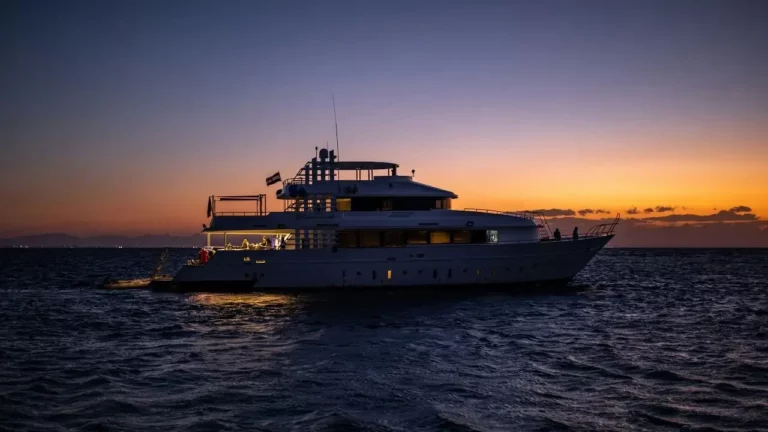
You’ve booked your week off work, got someone to feed the cat, cancelled the milk and you’re excited. Oh my god, are you excited! You’re going on your first liveaboard diving trip and you can’t wait. Richard Aspinall offers some light-hearted advice for liveaboard virgins
Photographs by Richard Aspinall
Preparing for Your First Liveaboard Diving Trip
The weeks of anticipation, the missing chunk from your bank account, the jealousy of your buddies and fellow club members – who have nothing but a cold day in a quarry to look forward to – are coming together and you’re fit to burst with excitement.
You’ve listened to folk tell you about the luxury of warm water ‘that you can actually see through’, and endured many a tall tale about numbers of dolphins spotted, engine rooms penetrated, and beers drunk on the sun deck – to say your appetite is whetted would be an immense understatement. This is going to be the trip of your life, and nothing had better spoil it!
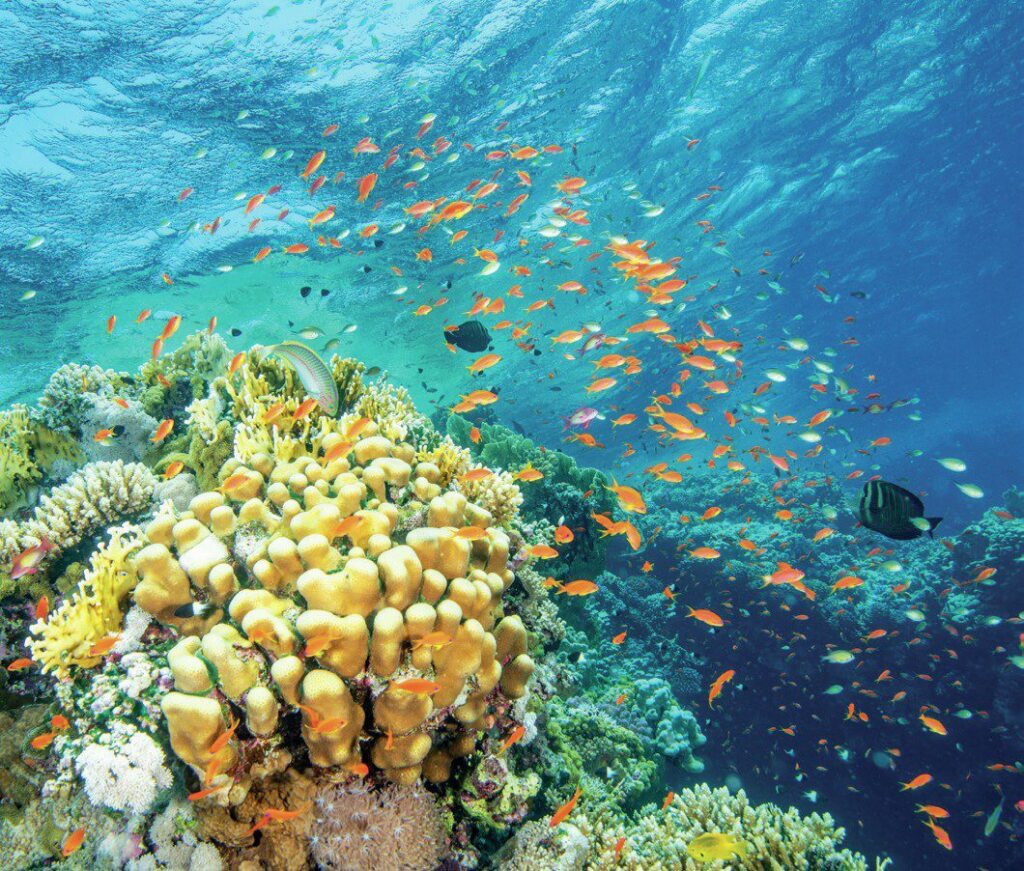
The key to enjoying your first liveaboard diving trip isn’t only preparation, but it is a big part of it Check that your wetsuit fits and remember that no one other than you will find your plaintive cries about neoprene shrinking over winter anywhere near funny. To overcome such girth-related embarrassment, do what we all do and suck in your gut until such time as it is safely hidden behind your BCD cummerbund. Seriously though, do you want to be uncomfortable? Think hard about if your suit is going to ruin your trip and if it will be too cold or too warm.
Straps are often also overlooked by the excited diver, who will no doubt pack and repack several times and still manage to miss the fact that a fin strap is perilously close to snapping. A broken strap and a lost fin will invariably happen on the most eagerly awaited dive of the trip, leaving you swimming in circles and having to borrow spare fins that were made from old bits of tyres and provide a nice reassuring level of cramp to remind you of your mistake. By the time you have been outfitted with spare fins, the hammerheads will have scarpered – your buddy may be annoyed at this!
I firmly believe that in millions of years, when visiting aliens discover strange layers of rusted iron in the rocks and deduce they were once ocean-going vessels, they will also discover a halo of fossilised plastic around them that they will never deduce was once fins, straps, cameras and reels.
The moral here is check, check again and replace as necessary and, if you want to be even surer, take a few spares. A spare fin or mask strap might ensure you don’t miss out on a priceless dive.
Even more important is the need for keeping your regs and BCD serviced – at least once a year is ideal, but do make sure all is well with your regs before flying and finding your first stage free flows at the merest hint of water.
You don’t want to have to fork out for a rental that’s been around forever, with the breathing performance of a house brick. I make light of this, but you may well be diving to 100ft and beyond (depending on your qualifications) without an independent air supply – your reg needs to perform just as well in warm clear water as it does back home at your local dive site!
New kit is also a potential trip-scupperer. If you have a new torch, reel, gas transmitter or even worse a new computer, the first time you use it should not be on your first liveaboard diving trip. The last thing you want to do is find out it’s broken or entirely not suitable. Worse still is trying to fix something on a moving boat with limited tools.
What to Expect When You Arrive on Your Liveaboard
Yep, you’re here, you’ve endured the airports, the plane and a frankly terrifying taxi ride to the marina and lots of serious-looking men in uniforms have giggled at your passport photograph and people from various nationalities have kicked your bags the hardest. You curse the ‘fragile’ stickers you foolishly stuck on the bags, which only served to indicate that they were the ones to be thrown the furthest.
On the first night on any liveaboard, it is very tempting to introduce yourself to the bar, but bear in mind that a long flight without sleep, poor food and too much caffeine is a mixture not to be topped off with large amounts of alcohol. ‘Don’t get drunk, do get an early night’, would be my advice. However, if you must insist on being the life and soul of the party on the first night, bear in mind that you may regret it in the morning. You’ll be somewhat dehydrated, increasing your risk of DCI.
On waking, hopefully refreshed and without a hangover, you will get a briefing from the guides and will no doubt enjoy a check dive. This is where you will first meet your buddy for the week (those traveling in a group can safely continue to enjoy/loathe diving with their usual buddies, whose qualities/failings they know and love/despise).
You may be asked to demonstrate you can deploy your DSMB, so perhaps practice at home first. Dropping your reel and letting a limp blob up isn’t the way you want to start your first liveaboard diving trip.
A good buddy can make a trip, whereas a bad one can ruin it. The best plan is to be as honest as possible with anyone you are going to dive with – do discuss your aspirations for the trip, what you enjoy and what you don’t, and your level of experience.
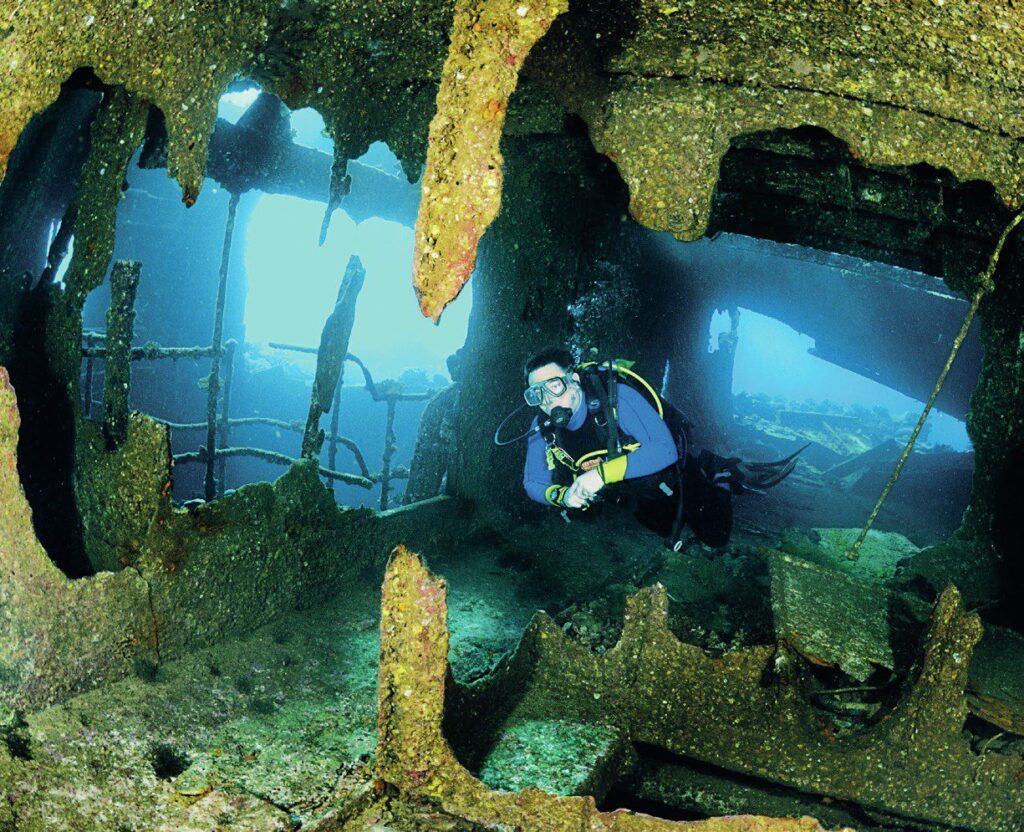
There is little point partnering with someone who enjoys deep wreck penetrations when you enjoy the pretty fish at the surface. Before your first dive together make sure you carry out a full buddy check and make sure you agree on hand signals and what you expect in case of an ‘out of air’ situation – some divers rig their alternates differently to how you will have been trained.
It’s also very wise to discuss units – if you’re diving with someone from the UK, for example, they may well be using BAR instead of PSI. There are no stupid questions.
The shared thrill of a stunning dive can bring two people quickly to the point of friendship. I’ve met some brilliant people on liveaboards and had some of my best dives with total strangers that have now become friends for life. These include people from different countries and continents that I can meet time and time again in various far-flung parts of the world and pick up our friendship as if we hadn’t been apart.
If your potential buddy has a large plastic travel case lurking somewhere on board, then no doubt a large camera lurks within it, and try as they might, a dedicated underwater photographer as a buddy is something to reckon with. This is either an opportunity for you to spend time with an expert and perhaps learn more about using your shiny new compact camera you bought for a song at the last dive show, or a real chance to enjoy some great diving in the company of someone who will give you space and latitude to ‘do your own thing’.
A good laugh can be had when you tell them about the manta that majestically drifted past as they were busy chasing yet another lionfish around a coral head, oblivious to everything but F stops.
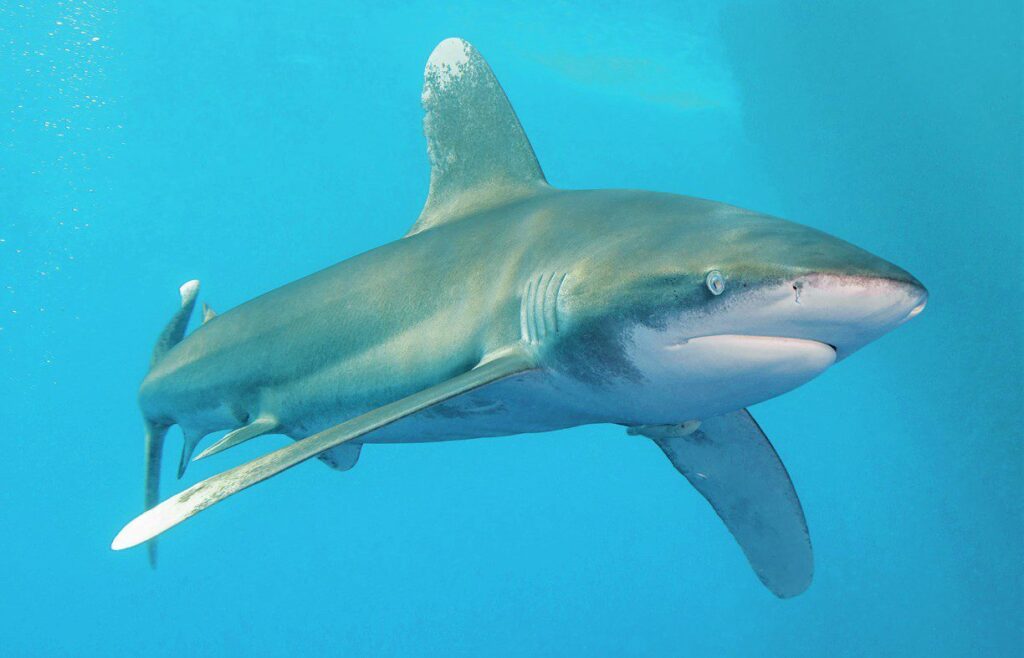
Why Choose a Liveaboard Over Day Diving?
Liveaboards easily beat day boat diving, for me. On a liveaboard you are pampered and cosseted and able to fall asleep between meals and dives without the grind of getting up early to sit on a small, cramped boat for many hours in the sun. A good liveaboard captain will moor up on a dive site overnight to allow divers to explore the site and be off before the day boats even arrive. Anyone who has dived Thistlegorm from a day boat, for instance, and then compared it to a later liveaboard experience will know exactly what I’m talking about.
I firmly believe that liveaboards offer the best value for money you can get, each and every dive is easier, less stressful and above all safer than day boats – and for some sites, a liveaboard is your only means of getting there. Pound for pound a liveaboard is the all-round winner.
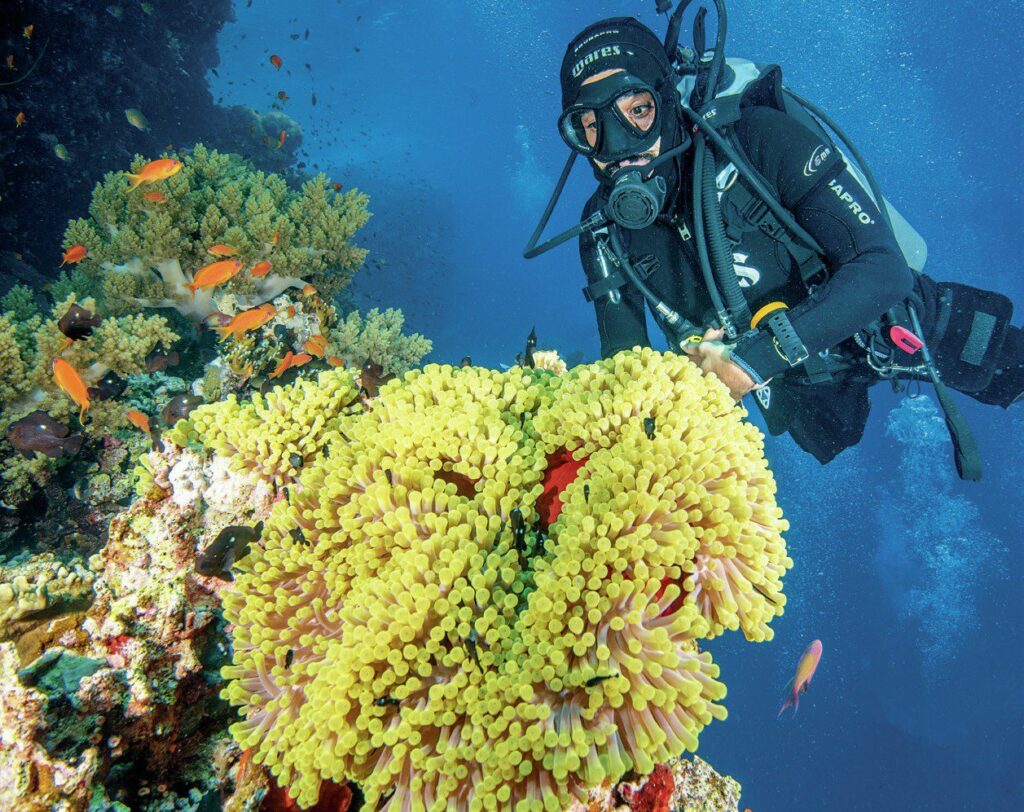
Cameras are great, but they can be a nuisance – try not to show everyone on the dive deck your images after every dive. You will not endear yourself to anyone when you show them the over-exposed turtle shot that you are very proud of – you know, the one that resulted in the said turtle turning tail and legging it.
On the other hand, do check that your camera case is watertight before you put your camera in it. Seawater has an ability to turn electronics to greenish goo in minutes and trust me, it will ruin your day and you will further not endear yourself to your fellow liveaboarders if you spend day after day moaning about your dead camera and the shots you could have taken. More turtles may be spotted by everyone else though.
Your behavior underwater is also key to your relationship with your chums on board. Practical jokes, while absurdly funny during the wee small hours when you think them up, are rarely funny at 100ft.
You must also listen to the dive briefings! Having missed the wreck or coral garden is not a time to start inventing underwater signs for “where are we; I thought you were listening, ‘cos I clearly wasn’t”. Again, you will disappoint your buddy.
This brings us, in no particular order, to the area of experience. On a liveaboard you will meet fellow newbies on their first liveaboard diving trip and people who’ve been diving since BCDs were called Stab Jackets and the whole range between.
Taking time to listen to the tales of these old salts is well worth it, but remember your training courses are not likely to impress, conversational opening gambits such as “well, as a Divemaster I think we should…” , or “When I did my AI training in Thailand…” or such, will only stir the ire of these seasoned few. From this point on you will be asked for your opinion on every matter: you are, after all, a Divemaster.
“Cereal or toast this morning, what would a Divemaster do?” you might be asked. Your fellows with the driest sense of humor will enjoy this the most and will pursue this line of questioning to the bitter end: “No idea whether I packed my luggage myself mate – ask them they’re a Divemaster – is this Newark?”
In this area, reticence is your best tactic, there is nothing more annoying than listening to someone talk with apparent authority on a subject or area of diving and then finding out they know next to nothing. Equally, there is nothing more cringe-making than banging on into the night about the history of the wrecks of such-and-such a place only then to find the person you were talking to handing out signed copies of his book on the subject the very next day.
What I would suggest you do is use the time on your first liveaboard diving trip to develop your own experience, so maybe undertake a course while on your trip. If you haven’t yet qualified as an enriched air diver, do so now? Or take part in a speciality training course, perhaps consider a course on wreck diving, night or deep diving.
You might think the course content offers you little, but it’s always good to have a ‘learning head on’ occasionally and to reflect on your diving practices. We all consider ourselves to be competent, but everyone needs to take time out to look at themselves and their diving and reflect on how they might be better and safer.
Another angle to consider is that developing your skills on your first liveaboard diving trip will mean you get to dive more often with the guides – who will work very hard to ensure you have some fantastic dives and get to see the sights!
Staying Safe and Having Fun on a Liveaboard
A liveaboard is a serious matter, you want to get the best from your hard-earned, you want to be a better diver afterwards, but you also deserve some fun and this brings us, back via a circuitous route, to the subject of humour.
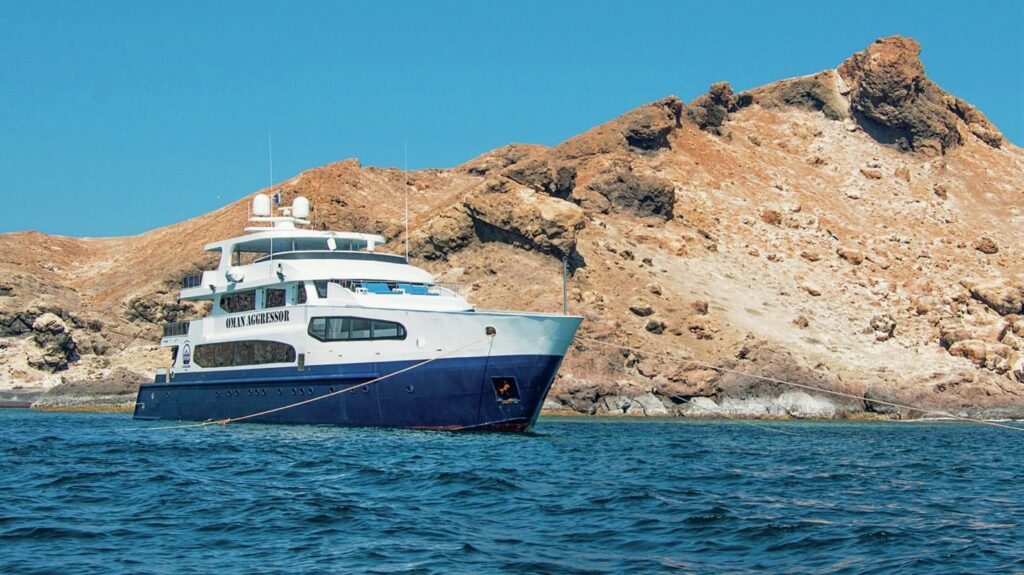
You may have the complete box set of Monty Python, but no one will thank you for your rendition of the Parrot Sketch, nor will bask in your comedic glow as you do Chris Rock’s entire catalogue – a fresh audience will not find your comedy stylings any funnier than your partner and friends already don’t.
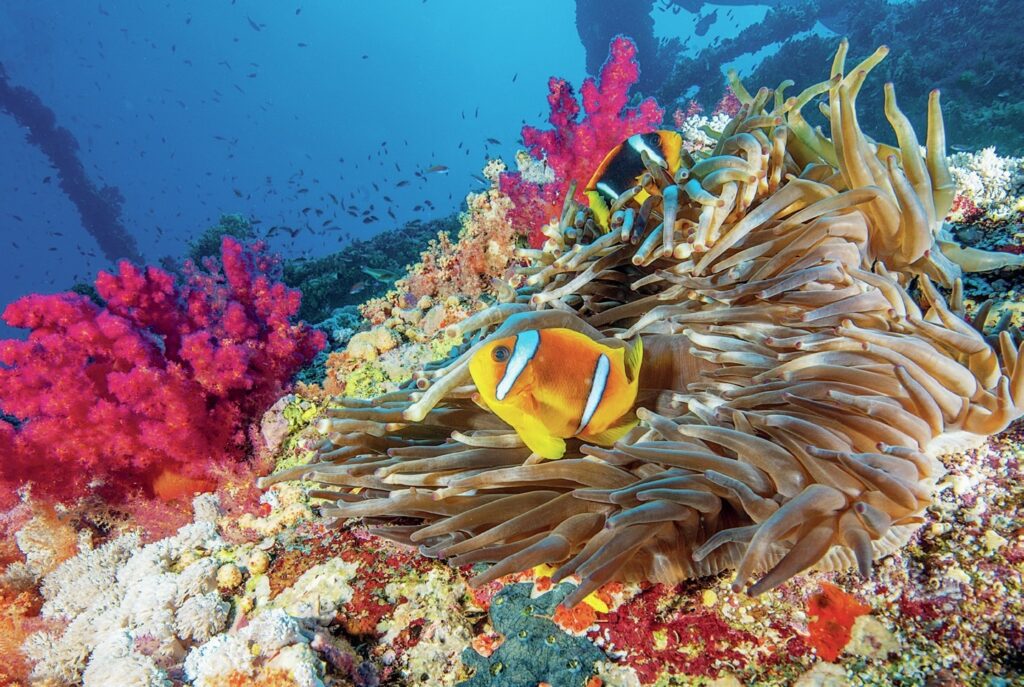
You may decide that your audience will consider your wit more agreeable with some lubrication of the alcoholic variety – this may be true, if they are matching you – however, as I’ve mentioned before, alcohol leads to dehydration and dehydration is not a good thing when diving! In this case, do drink lots of water! The first dive of the day is often the deepest and the one that will increase your nitrogen saturation the most – so take time out and enjoy a lie in. Missing a dive should be seen as a sensible course of action.
Should you wish to get hammered, do so on the last night, when you can safely wake up with your trousers on your head and without fear of DCI (though you may wish you could die for other more obvious reasons).
And don’t forget insurance. Even if you manage not to over indulge, repetitive diving over multiple days carries its own risks. And, well, sometimes bad things happen out of your control. Also, most operators insist on it!
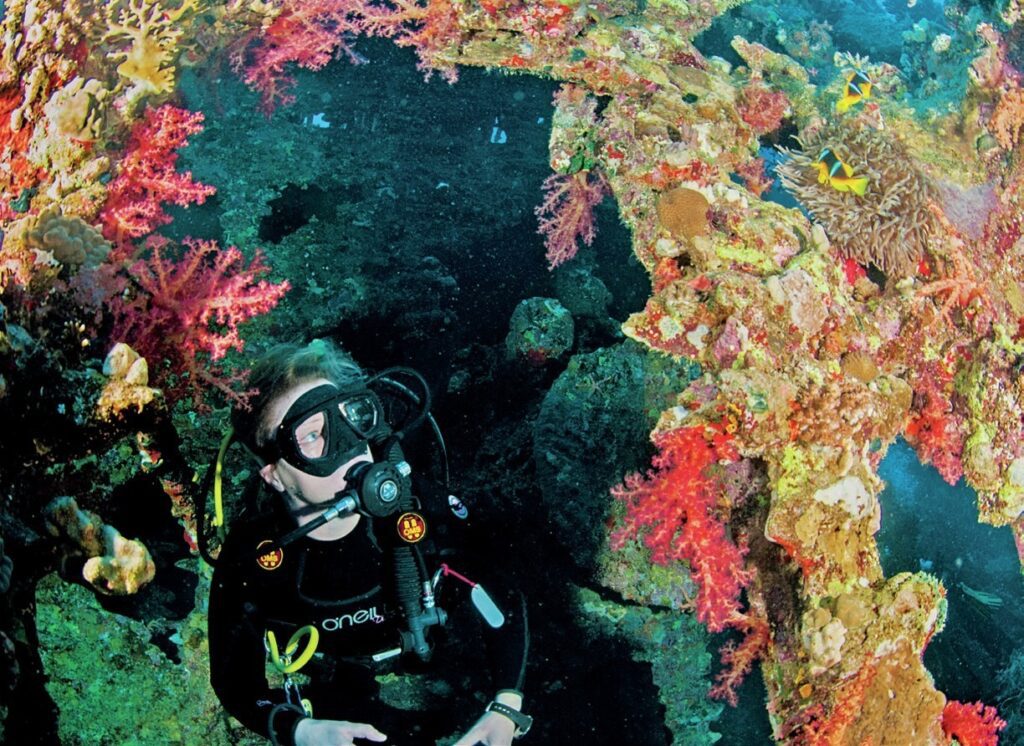
Making the Most of Your First Liveaboard Diving Trip
Above all, the key to a successful liveaboard is being safe. Your first liveaboard diving trip can be a life-changing experience that will leave you with memories and friendships that will last for years.
Throughout this albeit light-hearted list of do’s and don’ts, I would urge you to remember your training – even take a refresher if you need to and to listen to those around you – the guides, the crew and your fellow divers. You will learn more on your first liveaboard diving trip than you thought possible, you will hear tales of dive sites, dive centers, guides, characters and wrecks that will keep you wanting to come back for more.
You will hear tall tales of ripping currents, huge fish and cavernous deeps and the hole in your bank account will be justified and forgotten – as every minute will be worth it.
Frequently Asked Questions
What is a liveaboard diving trip?
A liveaboard is a dive holiday where you live on a boat for several days, giving access to remote dive sites with multiple dives daily.
Do I need to be experienced to join my first liveaboard diving trip?
Most liveaboards welcome Open Water divers, but some routes require Advanced certification and experience with drift or deep diving.
What should I pack for my first liveaboard diving trip?
Pack a well-fitting wetsuit or drysuit, spare mask and fin straps, dive computer, reef-safe sunscreen, and personal comfort items.
How do I stay safe on a liveaboard?
Listen to dive briefings, check your gear before each dive, stay hydrated, and dive within your certification and comfort limits.
What are the benefits of a liveaboard compared to day boat diving?
Liveaboards offer more dives, less travel hassle, access to remote sites, and a stronger diving community experience.
Subscribe today with promo code DIVE1 — enjoy 12 months for just £1!
