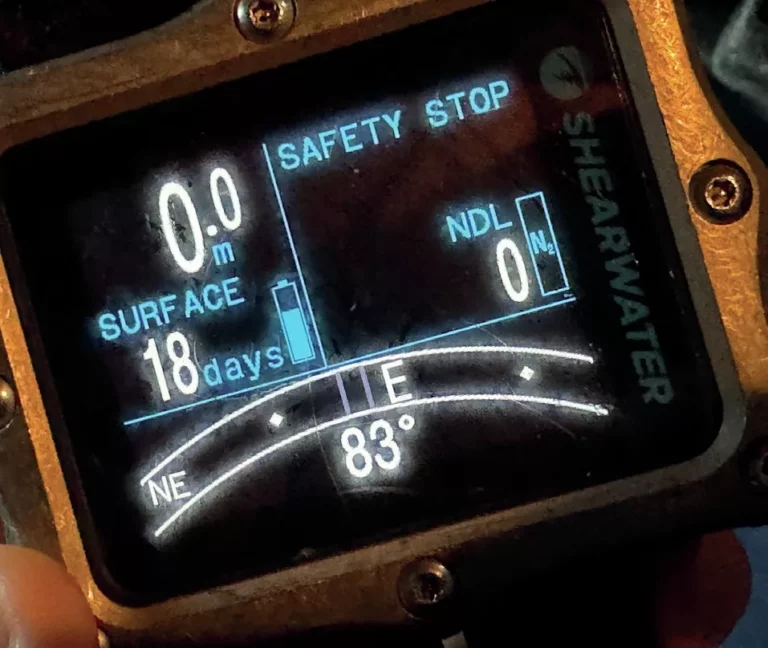
Looking for the best scuba gear tips to demystify your equipment? In this edition of #AskMark, we’re diving into the technical “whys” of your kit, from the specific safety design of high-pressure hoses to the automation of modern dive computers and the global accuracy of digital compasses.

Why 7/16” HP Hoses Have Tiny Holes?
The 7/16 looks like it has no hole. Why is that? I saw that multiple times in the shops, and I would like to know why?
Question from @Einfach_der_geilste
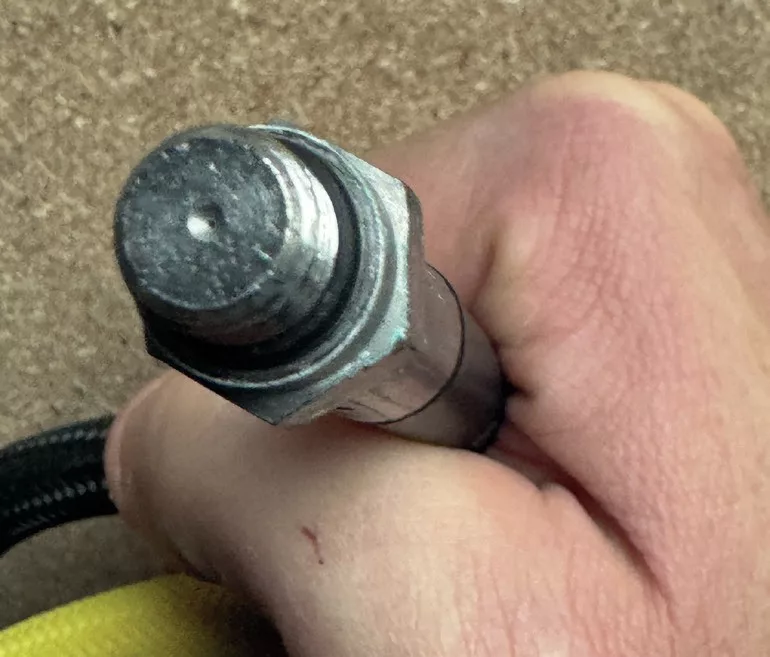
7/16” hoses are high-pressure hoses meant for gauges. They don’t require the same airflow as low-pressure hoses and because they are connected to the un-regulated section of the first stage, the small opening acts as a flow rate restriction should your hose fail during the dive, slowing the leak and giving you the most time to get to your buddy or the surface.
It can also help to protect delicate instruments. If you quickly open the cylinder valve, then the full force of the cylinder pressure can damage the small moving parts. By slowing that down, it can help your gauges to pressurise more slowly and avoid them being damaged. Understanding these mechanical nuances is one of those essential scuba gear tips that helps extend the lifespan of your equipment.
Can You Trust Your Dive Computer to Turn On?
I assume the computer will automatically turn on when the diver starts descending. Is this true?
Question from @gordythomas2279
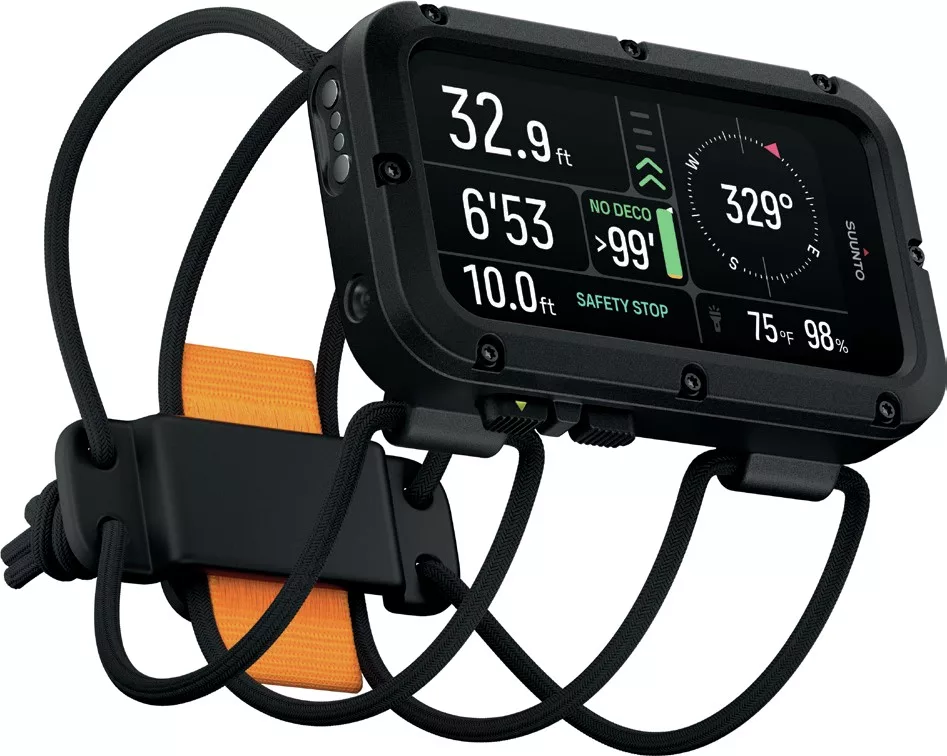
Most modern dive computers will activate their dive mode when their water contact and pressure sensor detects that you’re below a certain depth. On some computers, you can turn this feature off if you wear the computer to go swimming. And other computers allow you to set the actual depth that Dive Mode will begin.
I can’t remember the last time I tested a dive computer that needed to be activated before a dive. But it is a good habit to get into because once you’re underwater, the computer defaults to your previous settings and you could end up on an hour-long freedive. It also lets you check your battery level, gas settings, alarms, etc, so it’s a good habit to get into before every dive.

Digital vs. Analogue Scuba Compasses
What’s your opinion about electronic dive compasses?
Question from @andyvaldez212

Analogue compasses don’t work all over the world. If you look carefully, they’ll be calibrated either for the northern hemisphere or the southern hemisphere, which can be an issue if you travel frequently. I do like the simplicity of an analogue compass, but it is something else to strap to your arm, and they can be very bulky. I’ve never had an issue with the accuracy of digital compasses, and the ability to adjust the declination and recalibrate them is a huge benefit. It mainly depends on how many button presses it takes to check the compass for me. Some digital compasses are better than others but, they all tend to be convenient.
FAQs
Why is the hole in a 7/16” high-pressure (HP) hose so small?
The small opening acts as a flow rate restrictor. If the hose fails or leaks, the restricted airflow prevents a rapid loss of gas, giving the diver more time to reach the surface. It also protects delicate gauge internals from sudden pressure spikes when opening the cylinder valve.
Do all dive computers turn on automatically when you hit the water?
Most modern dive computers feature water-contact sensors that activate “Dive Mode” once a specific depth is reached. However, it is still a best practice to turn them on manually to verify battery levels and gas settings before descending.
Can I disable the auto-activation on my dive computer?
Yes, many models allow you to toggle this feature off. This is particularly useful if you wear your computer as a daily watch or use it for casual swimming where you don’t want to trigger dive logs or decompression calculations.
Are digital dive compasses more accurate than analogue ones?
Why do analogue scuba compasses struggle when traveling between hemispheres?
Analogue compass needles are balanced to account for the Earth’s magnetic dip. A compass balanced for the Northern Hemisphere may tilt and drag against the housing when used in the Southern Hemisphere, leading to inaccurate readings.
This article was originally published in Scuba Diver Magazine
Subscribe today with promo code DIVE1 — enjoy 12 months for just £1!
