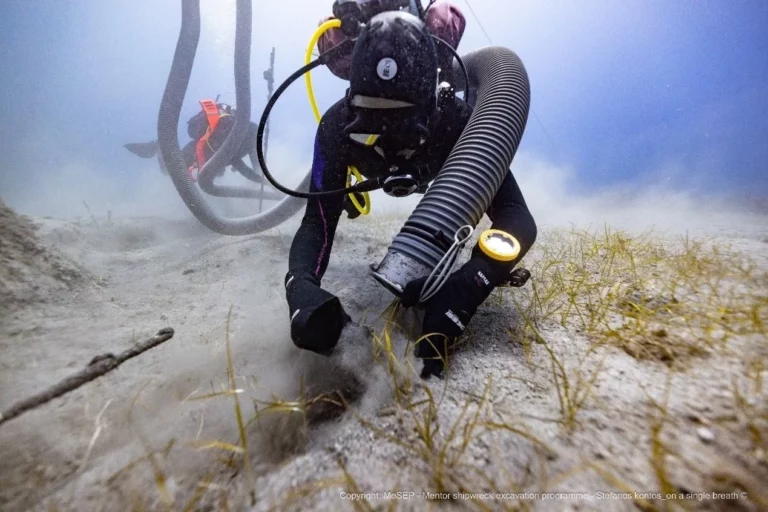
A marble fragment revealed by marine archaeologists and identified as part of an ancient Greek architectural decorative element has been recovered from the shipwreck of the Mentor. The British brig was “owned and used by Lord Elgin to remove antiquities from Greece”, as the state’s Ministry of Culture puts it.
The discovery appears to offer primary physical evidence for Elgin’s historic transport of materials removed from ancient temples of the Acropolis. It was found during last summer’s wreck-excavation campaign off Kythira, though the official report on the findings has only recently been released.
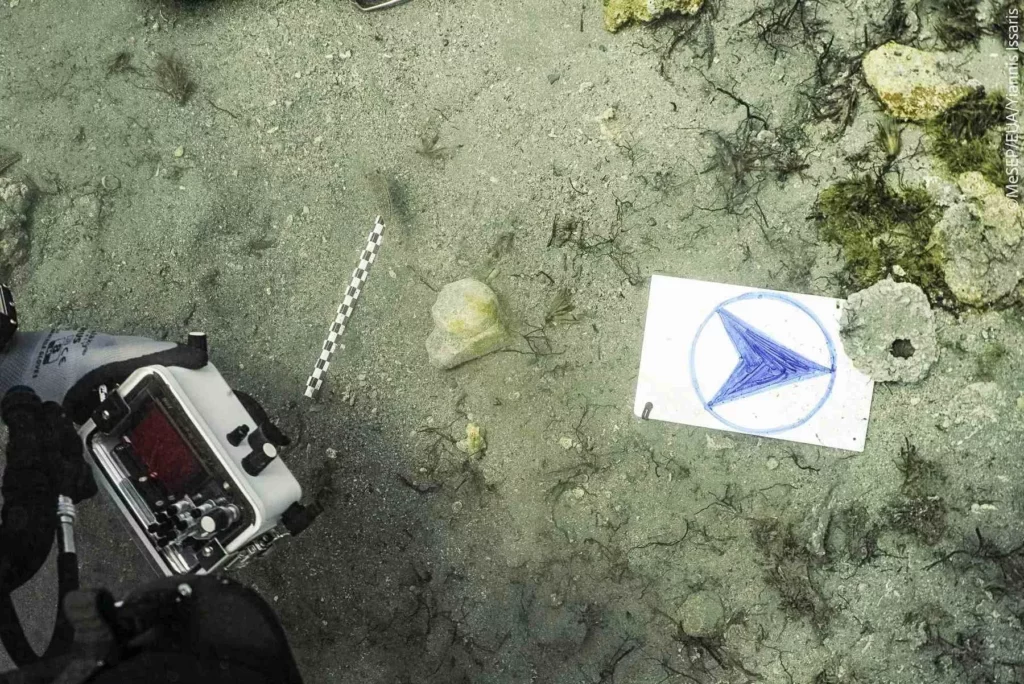
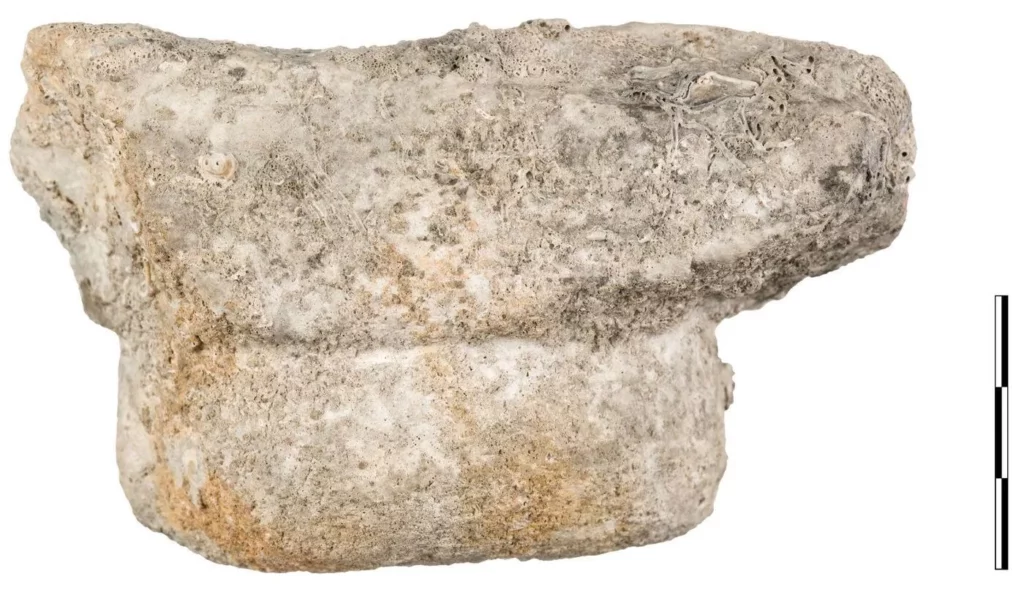
The marble fragment is said to originate from a slab measuring 9.3 x 4.7cm and contains a 6.5 x 2cm decorative element that appears to match those used in the construction of the Parthenon, the principal temple on the hill of the Acropolis and dedicated to the goddess Athena.
The find marks the first time an architectural element has been found during many years of excavations at the wreck-site, according to the ministry. “The completion of the conservation work and further study will provide more information about the monument from which it comes,” it says.
Under Ottoman rule
Mentor hit rocks and sank outside the port of Avlemonas in the south-east of Kythira in September 1802. It was privately owned by Lord Elgin, who had been appointed British ambassador to the Ottoman Empire in 1799, a time when it ruled Greece.
Elgin’s stated purpose was to study and record classical Greek antiquities, employ artists and craftsmen to document ancient monuments and remove and transport antiquities to Britain.
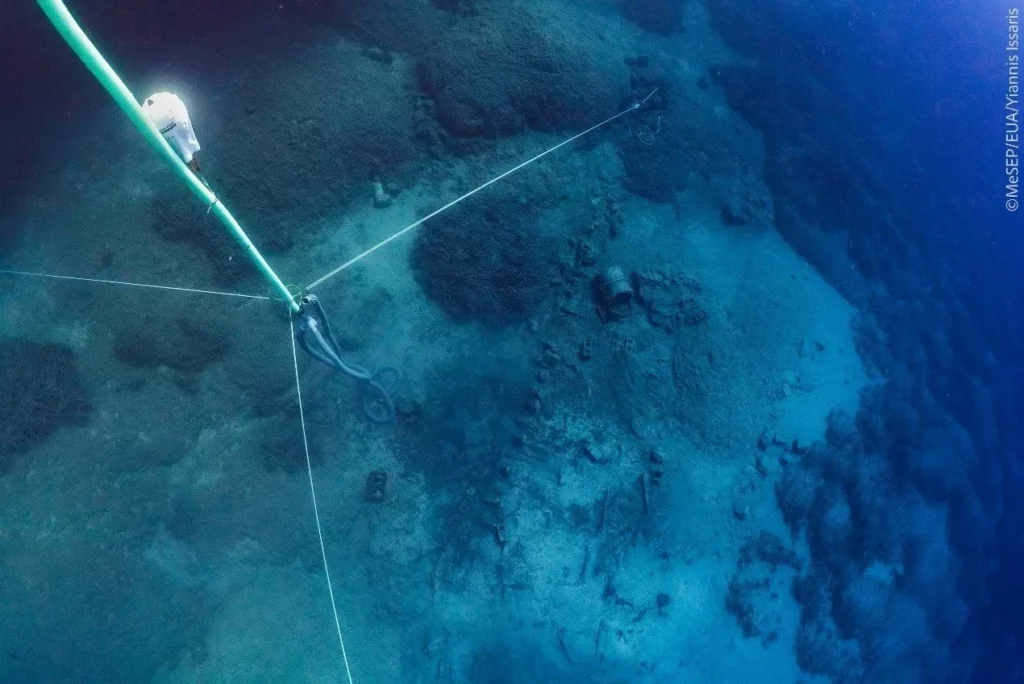
Lying at a depth of 22m, much of the ship’s cargo had been salvaged by sponge divers under the direction of Elgin’s secretary William Hamilton soon after the sinking. The first recorded archaeological exploration of the site after that was carried out by helmet divers in 1875, though the expected antiquities were not found.
Beyond the hull
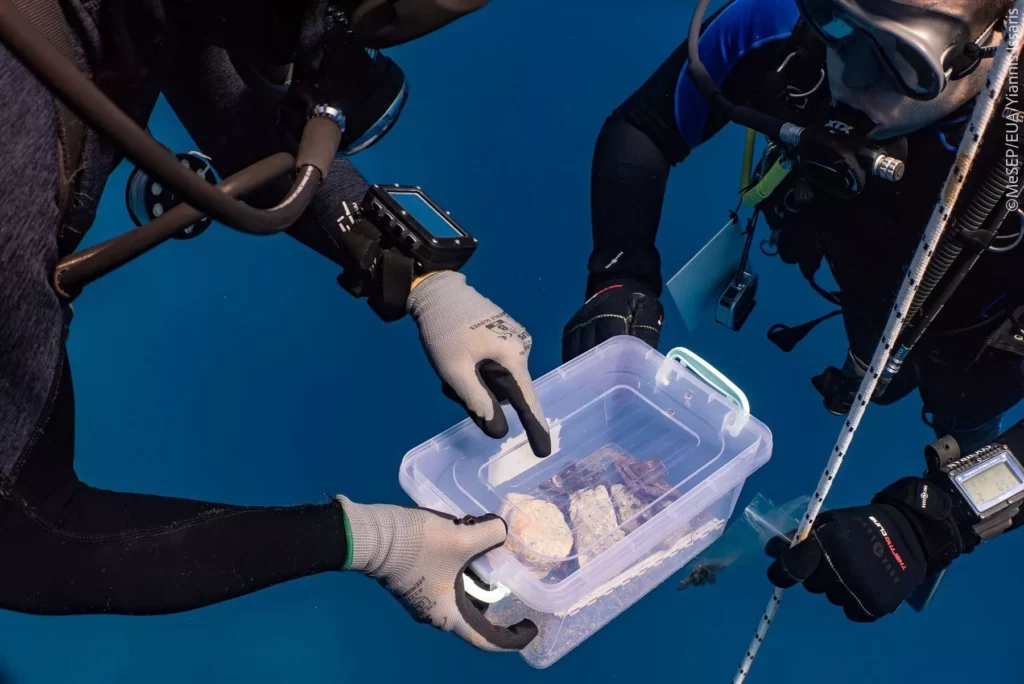
It was not until 1980 that a small but systematic archaeological investigation was carried out, and the current series of excavations began in 2011, led by Greece’s Ephorate of Underwater Antiquities and currently under the direction of archaeologist Dimitrios Kourkoumelis-Rodostamos.
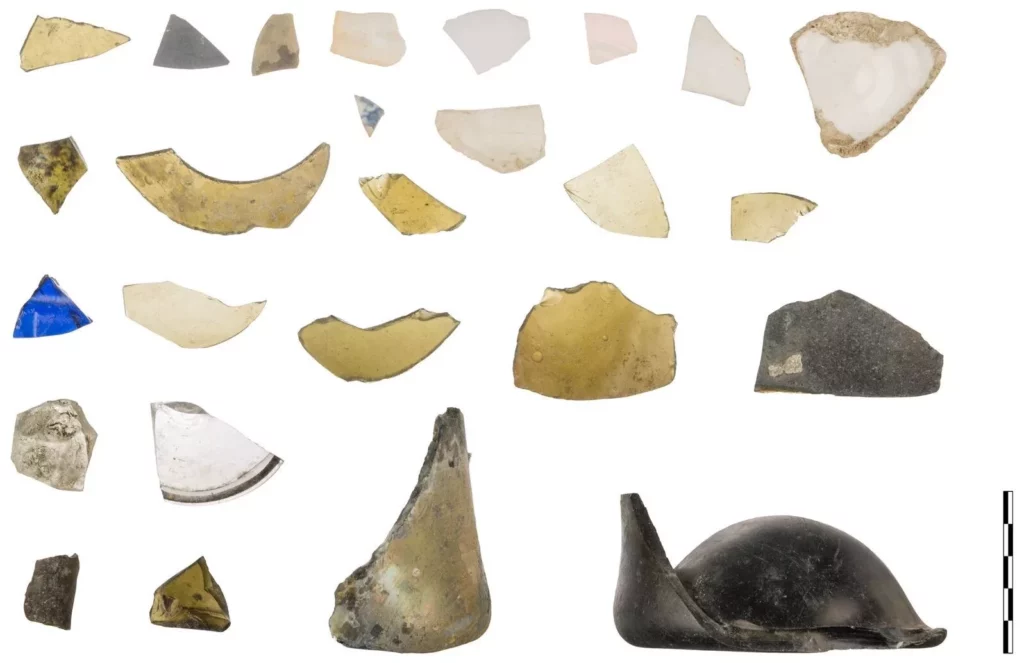
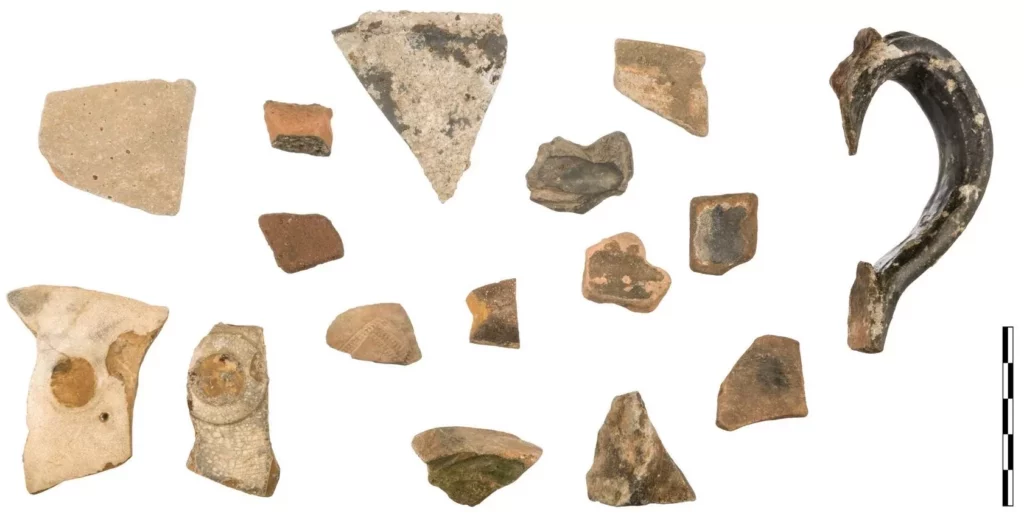
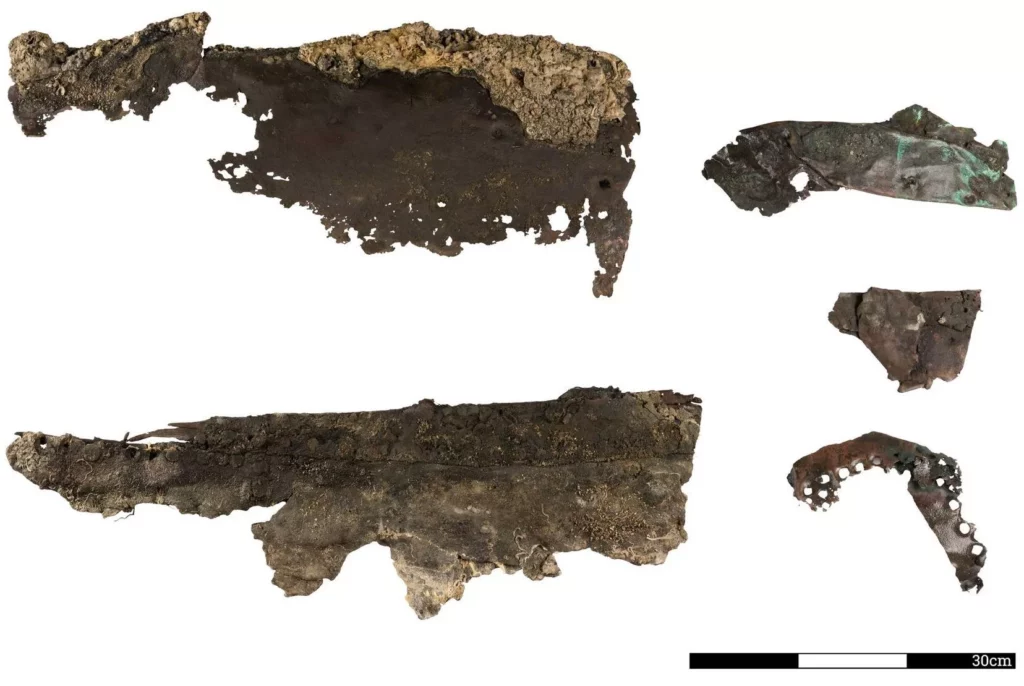
The 2025 summer excavation campaign focused on areas to the west and north of what little is left of the ship’s hull. Fragments of external copper plating were found, along with a clay slab that probably helped to insulate the hearth.
Whether Elgin ‘plundered’ the Parthenon remains a matter of dispute between Britain and Greece. Greek state institutions consistently describe him as illegitimately removing antiquities, while the British Museum where the Parthenon Sculptures (formerly referred to as the Elgin Marbles) are housed maintains that Elgin acted with permission from the Ottoman authorities in power at the time.