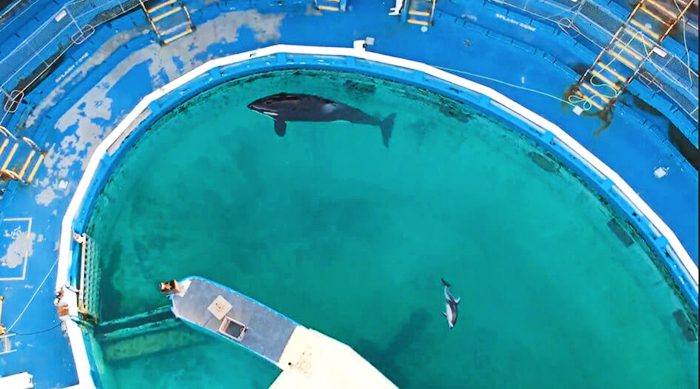
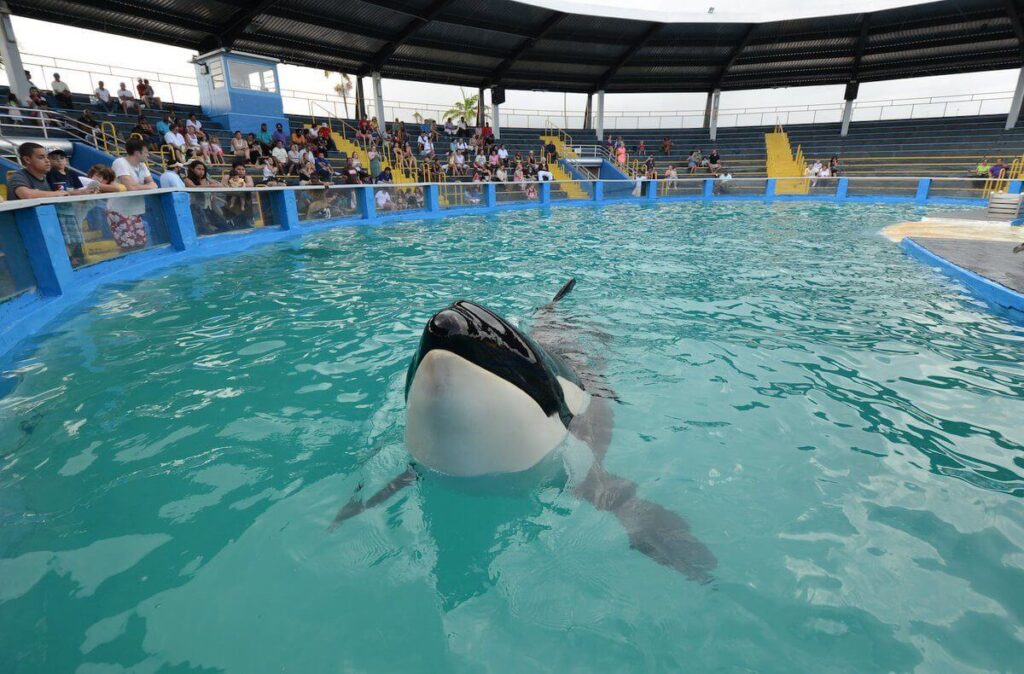
Following years of criticism of standards of care for its dolphins, orcas, sea-lions, seals and other marine animals, the Dolphin Company-owned Miami Seaquarium in Florida officially closed on 12 October.
“This is a huge moment of triumph for the animals who suffered behind concrete walls and inside dilapidated enclosures for decades,” stated international charity PETA (People for the Ethical Treatment of Animals), which had long campaigned against the controversial facility, as previously reported on Divernet.
PETA had highlighted repeated US Department of Agriculture (USDA) inspection reports detailing abuse of animals, including dolphins with broken ribs, dangerous tank-mates, lack of shade, denial of veterinary care and infrastructure degradation.
The charity says that sustained pressure including lawsuits, celebrity ads, letters to the Miami-Dade County mayor and county officials, rallies and weekly protests by local supporters had contributed to deterring visitors and shutting the Seaquarium down.
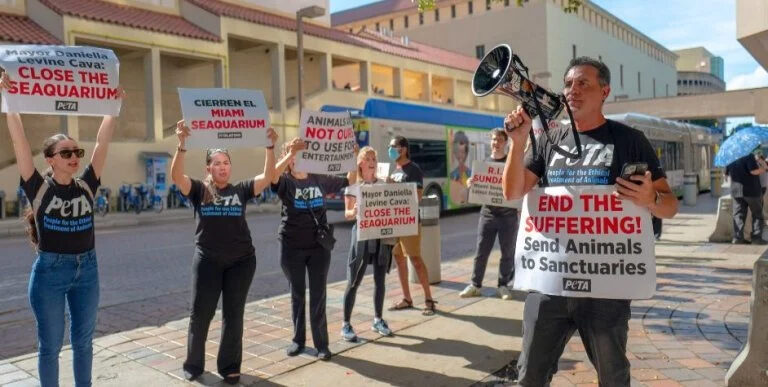
The facility had been under notice to rectify “chronic and repeat violations” documented in official reports since 2021, when USDA had urged Miami-Dade to terminate the lease. The county had served a notice of default to the Seaquarium for failing to keep its property in a good state of repair or look after its animals in accordance with federal laws.
In March 2024 the county terminated the lease and the following month served an eviction notice – although the Dolphin Company had until now refused to leave the site.
Animals’ destination
PETA wants to see all the marine animals living at the facility released into the care of approved seaside sanctuaries. However Valerie Warren, a former assistant animal-training supervisor at Miami Seaquarium until 2019, has launched an online petition calling for the closure decision to be reversed.
With plans afoot to redevelop the property into a commercial waterfront project, many of the older marine animals that make up some half of those left at the Seaquarium could face death if, as Warren argues, they are “forcibly relocated”.
“There have already been examples of this,” she says. “After dolphins Loke and Elelo were moved to another facility, both died just over a year later. Juliet, a manatee estimated to be 65 years old, also died within months of being transferred.
“These aren’t isolated incidents. Moving older marine mammals often results in extreme stress, refusal to eat or death shortly after transfer.”
Warren maintains that the argument is not about the rights or wrongs of animal captivity but protection of individual animals. She also argues that Miami Seaquarium had passed every USDA inspection “without a single citation” in 2025, claiming that the animals were “thriving” under what had become consistent, professional care.
Miami-Dade County and the mayor’s office should pause the redevelopment and lease transfer until a “transparent, humane animal welfare plan” is made public, she says, and consider turning the property into a non-profit sanctuary for the animals.
This would focus not on commercial shows but on rescue, rehabilitation and education, in co-operation with federal and state animal-welfare agencies.
Body count
PETA sees things differently. “Any animals that stay at the Miami Seaquarium would almost certainly share the same sad fate as the dolphin Bimini, who died last month after being denied proper veterinary care for various ailments, or the orca Lolita, who died just shy of being released to a seaside sanctuary after spending more than five decades imprisoned in the smallest, bleakest orca tank in the world,” the organisation’s David Perle told Divernet.
“Transferring out of the Miami Seaquarium cannot come soon enough for the surviving animals still suffering inside its dilapidated tanks, including the injured dolphins found lying at the bottom of their tank earlier this year in ‘seriously diminished water levels’.
“Relocating the animals to their natural homes or a reputable sanctuary gives them the best chance to live long and healthy lives, and PETA is pleased to see an end to the Miami Seaquarium’s marine-animal body count.”
The Dolphin Company says it operates more than 30 parks, habitats and attractions in eight countries in North and South America, including marine-mammal care, rescue, rehabilitation, breeding and educational programmes. It took over Miami Seaquarium from Festival Fun Parks and was licensed to manage it from March 2022.
PETA is continuing to campaign against United Parks & Resorts-owned SeaWorld amusement parks. There are three that feature performing marine animals in the USA, in Orlando, San Antonio and San Diego, and PETA’s petition currently has more than 157,000 signatures.