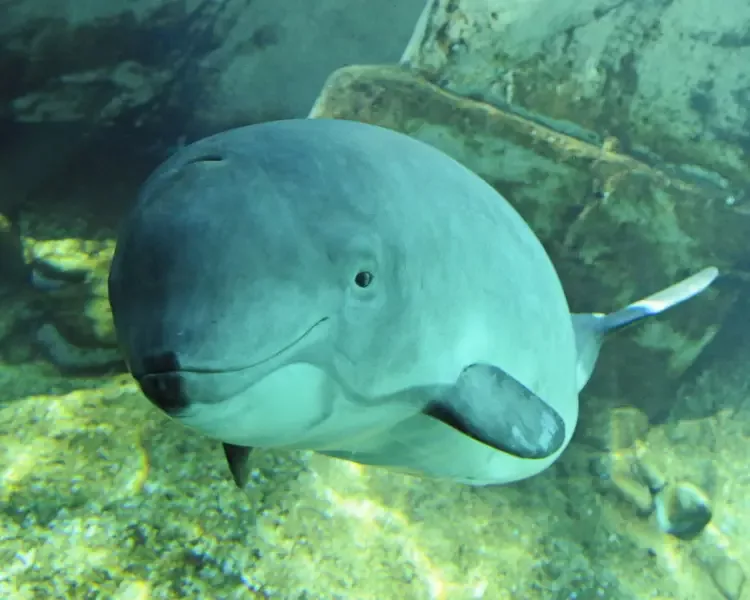
Growing risks to whales, dolphins and porpoises in UK waters have been highlighted in a new report by the UK’s The Wildlife Trusts organisation, which has outlined the most important actions now required, particularly in their North Sea hotspots.
The UK government published its cetacean conservation strategy in late 2025 but the report asserts that clear targets or deadlines for action have yet to emerge. It argues that although swathes of UK seas might have been designated as protected, the legal safeguards are often too weak, poorly enforced or off the pace of emerging threats.
The Wildlife Trusts, the UK’s biggest marine-conservation NGO, says that the greatest threats to cetaceans, such as entanglement in fishing-gear and noise from human activities, are being tackled too slowly.
Fishing-gear causes hundreds of avoidable deaths each year, while shipping and offshore development noise continues to affect cetaceans’ ability to feed, navigate and communicate, it states.
Five-point plan
The NGO has outlined a five-point plan it wants to see the government adopt, beginning with improved enforcement and management of existing Marine Protected Areas (MPAs), and protection of key feeding areas for whales, dolphins and porpoises.
It wants to see accidental bycatch in fishing-gear reduced by phasing out the most harmful nets and testing safer alternatives, and the setting of clear limits for underwater noise for both shipping and marine development.

Finally, The Wildlife Trusts wants better monitoring of cetaceans by means of more surveys, better technology and citizen science.
“Simply designating areas as protected sites is not enough; what’s needed now is real action if whales, dolphins and porpoises are to flourish in our waters once more,” says head of marine conservation Ruth Williams.
“If governments and industries act on the evidence already available, we can quickly reduce harm and give North Sea cetaceans a real chance to recover. However, without faster, clearer action, the UK risks falling further behind in protecting some of its best-loved marine species.”
Feeding grounds
The greater North Sea region supports at least eight marine-mammal species – most common sightings being of harbour porpoises, white-beaked dolphins and minke whales – with another seven species occasional visitors.
Important feeding grounds such as the Dogger Bank and the waters off Flamborough Head on the east coast remain exposed to intensive fishing and development, says The Wildlife Trusts.
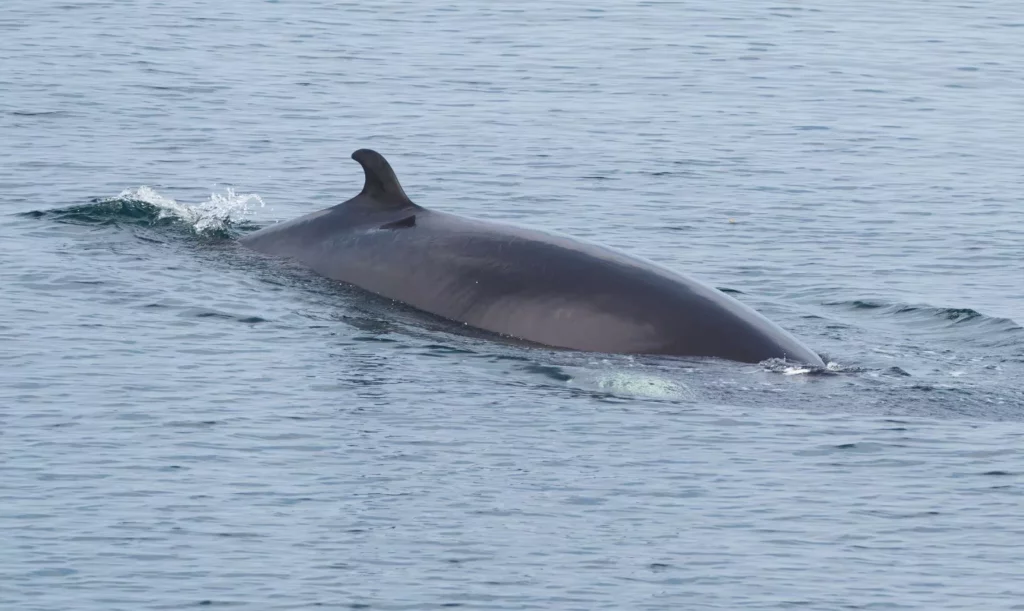
It is calling for temporary fishing restrictions during key seasons, adjustments to shipping routes and limits on noisy activities, and for the Department for Environment, Food & Rural Affairs (DEFRA) to develop a national plan to reduce underwater noise and test safer, more selective fishing methods, including deterrent devices.
Increased surveys, better use of technology and stronger support for citizen science will also be critical to improving understanding and action, says The Wildlife Trusts. Its new report can be read here.
Also on Divernet: Why 2025 was UK Year of the Blooming Octopus