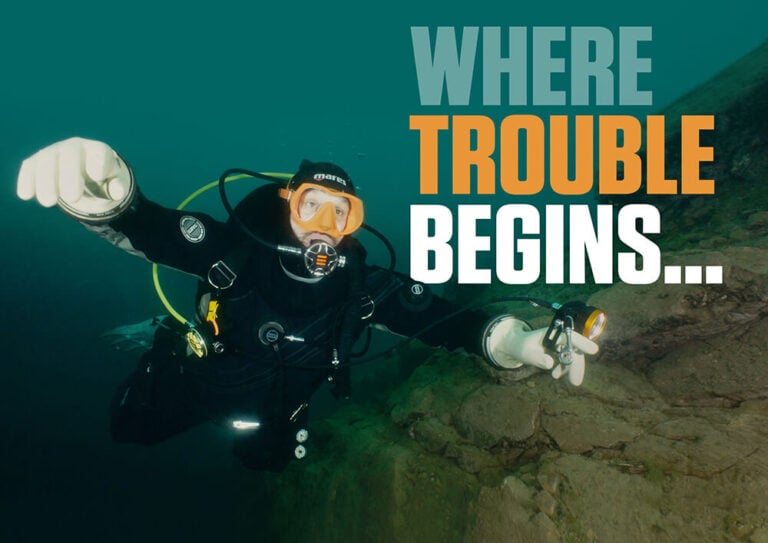
Robert N Rossier offers some hints and advice on how to avoid common underwater problems.
Diving is, overall, a pretty safe sport. Over the decades, certification agencies have upped their game, providing a wide array of training programmes designed to prepare divers to safely explore any number of underwater environments.
At the same time, the quality, reliability, performance, and capability of our modern scuba equipment has evolved far beyond that used by early explorers of the deep. Still, even experienced divers can occasionally find themselves over their heads (pardon the pun) while engaged in underwater adventures. If we take a look at the types of problems divers encounter, we may find some clues as to how we can make our diving safer and more enjoyable. The basis of what follows is derived from several sources, including the Divers Alert Network (including their Project Dive Exploration), the South Pacific Undersea Medical Society (SPUMS) Diving Incident Monitoring Study (DIMS), and British Sub-Aqua Club (BSAC) Diving Incidents Reports. In addition to those sources are observations, individual reports, and anecdotal accounts, including some of my own. Together, these provide some valuable insight into diving safety, and the sorts of issues that occasionally arise when diving.
Causes: common scuba problems and underwater emergencies
The problems that divers encounter underwater can be generally categorized as equipment related or procedurally related. That is, divers encounter trouble when their equipment malfunctions, or when they themselves fail in their judgement, decision-making, or procedures. However, many times the problems encountered are due to a combination of these factors.
Did you know? Staying fit, hydrated and being knowledgeable about your equipment and the underwater environment you are diving in are all contributing factors toward you and your buddy having a safe and successful experience!
Gear Failures: Masks, Fins, and Buoyancy Control
With that preface, let’s take a look at where trouble begins. Topping the list of equipment issues are those involving mask, fins, BCDs, computers, scuba units, and weight systems. Typical mask problems include fogging and flooding. Many of us have had the experience of a mask leaking excessively, or a mask being accidentally kicked by a diver in front of us, causing it to flood or fall off.
If we don’t inspect our masks regularly, nicks in the skirt can form that causes leakage, or a strap can deteriorate causing it to fail. Most times, divers rely on their training to resolve such problems underwater – except maybe for the strap failure. But for some divers, mask problems can be serious, causing anxiety, disorientation, buddy separation, or in some cases, a rapid ascent. Occasionally, a diver will resort to surfacing to resolve the problem, and may ignore established safe limits on ascent rate.
Such a scenario have the potential to lead to other medical complications.
Fin problems are typically caused by a loose or broken fin strap, and result in a diver’s inability to swim effectively. This can sometimes result in a dive being terminated along with an arduous swim to shore or the dive boat.
BCD issues generally result in the diver being unable to properly maintain their buoyancy. As a result, they may struggle to maintain their depth, causing physical exhaustion and greater air consumption. In some cases, the diver will be entirely unable to maintain depth control, resulting in an uncontrolled ascent or a struggle to regain the surface. In one case, a diver suffered a failure of a vent valve in the BCD, making it unable to retain air. The diver struggled to ascend to the surface. Another diver recovered the valve seat, spring, and cover, which had separated from the BCD at depth. Fortunately, nobody suffered any injuries, but this case points out the need for careful maintenance and pre-dive inspection.
Weight systems also affect a diver’s ability to maintain proper buoyancy, but the degree and speed at which problems can develop can make them more likely to devolve into a more-serious problem. Something as simple as frayed stitching in a weight pocket or a worn weight belt buckle can lead to a sudden failure and release of weights, which sends a diver on an unplanned and undesired rapid ascent. Loose and unchecked weight belts are known to shift and rotate about a diver’s waist, making it impossible for the diver to reach the buckle to make adjustments or to ditch the belt in an emergency.
Scuba units are generally very reliable, but when divers do suffer problems, they tend to escalate rapidly. Anxiety heightens quickly when a diver cannot breathe, or is unable to get sufficient air. For example, if a diver is suddenly having trouble breathing (e.g. out of air) and is not in close proximity to his or her buddy, then the decision to make an immediate (and likely rapid) ascent is more likely to occur.
The Human Factor: Decision-Making and Dive Computers
Dive computers have undergone staggering improvements over the years, and are generally quite reliable. However, data suggests that divers sometimes experience issues such as loss of power, inability to read or understand the data display, or failure to activate the device before diving. In addition, it’s sometimes easy to select the wrong breathing gas, or to not account for some variables such as a diver’s physical state, level of hydration, core temperature, and environmental conditions that might affect the viability of the device’s output. Since the vast majority of divers use their computers as a dive planning tool, they might not be able to properly track their residual nitrogen levels in the event they need to switch to another computer in the midst of multi-day diving.
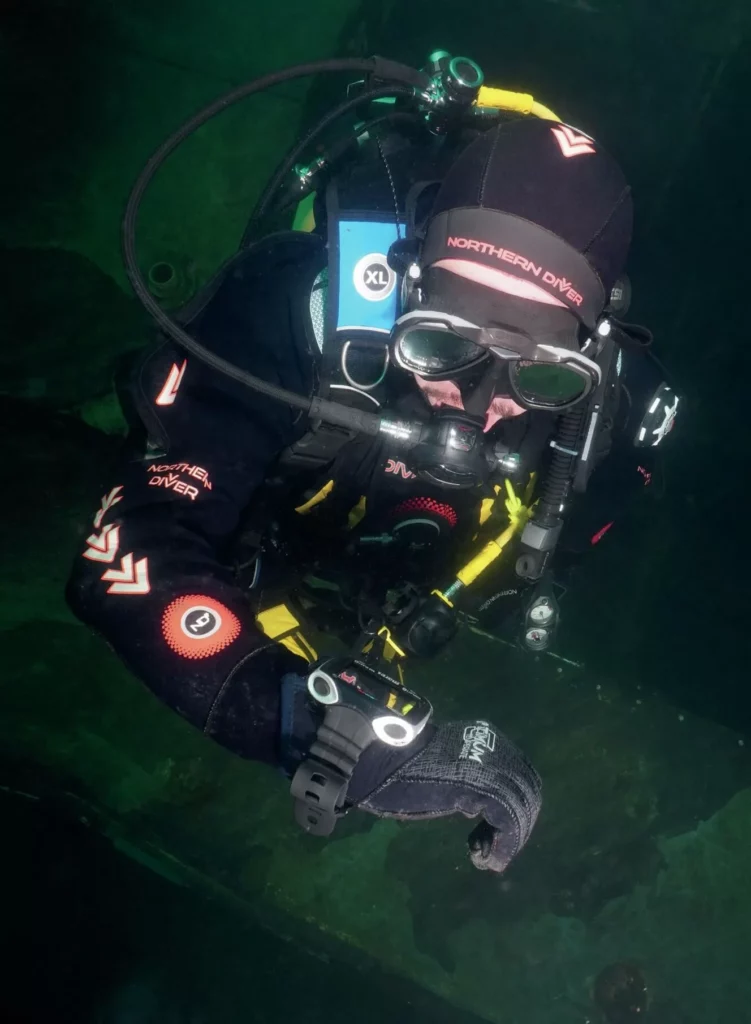
Among the judgement, decision-making, and procedural errors that result in underwater problems are attempting to dive in environments for which a diver isn’t trained, failure to perform proper equipment maintenance and pre-dive checks, failure to follow established procedures and limits, poor dive planning, and inadequate monitoring of the dive. Although complacency, over-confidence, and peer pressure can sometimes be the underlying cause, it’s also easy to become distracted or excited during a dive. Spotting something that seemingly demands further investigation, or that presents a great photo opportunity, can easily send us beyond our planned depth, or beyond our planned bottom time or air consumption.
Triggering events
When considering the development of common scuba problems, we should note that while the problem might seem random, there may be triggering events that initiate the problem and cause its escalation. Such events can be beyond our control, or caused by decisions we make before or during a dive. Either way, we should consider the potential for such events, and take steps to avoid or mitigate them.
Such triggering events might include physical exhaustion, excessive cold, environmental conditions such as rough seas, strong currents, or loss of visibility. These can zap our energy and raise anxiety as we struggle to overcome the challenges. Entrapment or entanglement, such as in unseen fishing lines, nets, wrecks, or even kelp can also trigger an event, causing us to remain below and cut our precious air supply short. Changing weather conditions at the surface such as thunderstorms or fog can also serve as triggering events, upping the challenge to make a surface swim to the beach or boat.
Strategies for avoidance
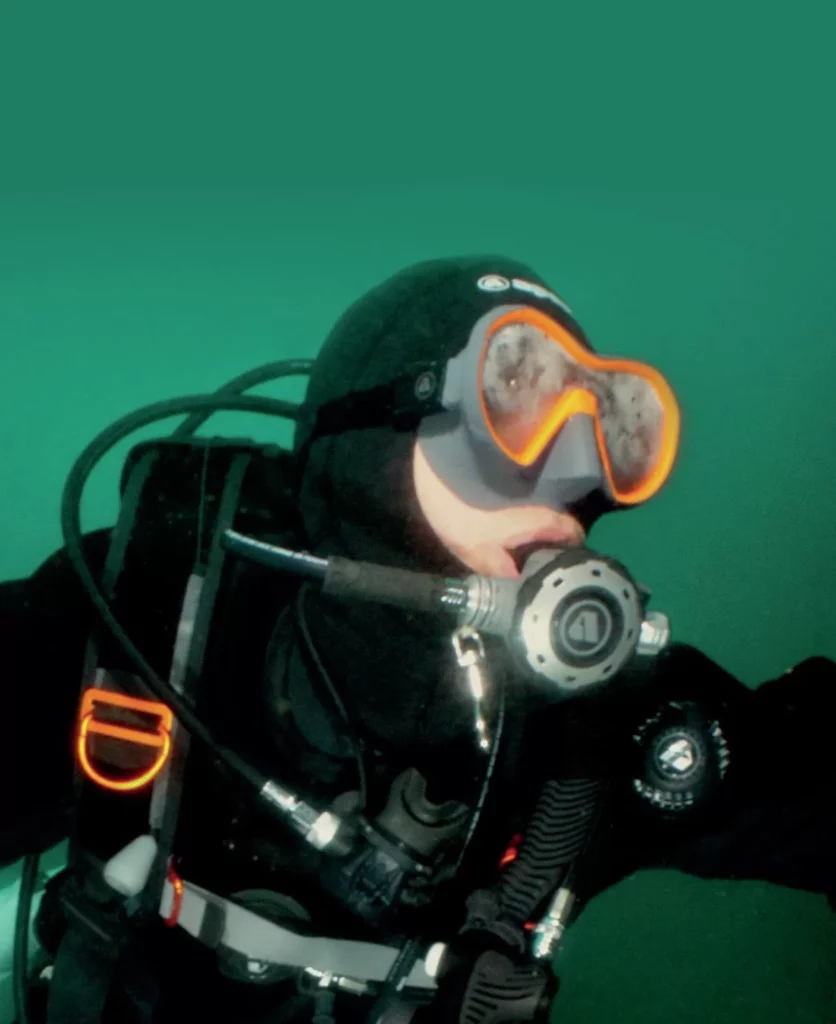
Avoiding problems underwater requires attention to a number of details. Complacency, overconfidence, and peer pressure can cause any of us to miss cues, cut corners, and make mistakes that can lead to problems on a dive. However, if we refocus on the fundamentals of safe diving as described below, we may be able to avoid most of the chaos.
Proper Training and Recent Experience – Diving is a sport that individuals of varied ages and physical abilities can enjoy, but it does take a modicum of training to dive safely. We need to have training that matches the environments in which we dive. Our diving skills and comfort level can also degrade over time if not put to use. If our diving experiences lapses, we should consider getting recurrent training to sharpen our skills and knowledge.
Equipment Familiarity and Skills Practice – Safe diving requires us to develop and maintain a high level of competence and confidence, which reduces anxiety and lessens the potential for panic. By routinely practicing such skills as mask clearing, DSMB deployment, air share, emergency ascents, regulator freeflow, and stuc the needed reflexive responses to such situations.
Maintenance Procedures – One cause of dive equipment problems is poor or lack of maintenance. Worn stitching or Velcro fasteners, air leaks, corrosion, sticking valves, and broken mask and fin straps are just some of examples of maintenance issues that can lead to equipment malfunctions and failures underwater. Performing routine maintenance such as cleaning and inspection, and prescribed preventative maintenance such as regulator servicing, can go a long way toward avoiding equipment failures and malfunctions.
Dive Planning and Buddy Briefing – Among the elements of a good dive plan and buddy briefing is an honest evaluation of environmental conditions, as well as individual diver condition and capabilities. We should make it a habit to set limits that lay within the training, experience, and capabilities of ourselves and our buddies. A review of hand signals will help ensure clear underwater communication. We should take the time to familiarize each other with our equipment to ensure we can provide any needed underwater assistance.
Another key step in the planning process is to establish a minimum air reserve at which the dive will turn around or end. Make it a rule and emphasize that any diver can call any dive at any time for any reason. As we work through our planning, we should give thought to potential triggering events that could foul up our dive, and discuss the procedures to be used in such situations as buddy separation. Such conversations can occur on the way to the dive site, or just prior to the dive.
Pre-dive Checks – One excellent practice is to always perform a head-to toe or similar check before each dive, and then perform a quick operational test of our regulator before entering the water. Many incidents have occurred when a diver enters the water only to find that his air is turned off. Once in the water, we should perform buoyancy checks, and conduct an S-check or similar safety check before descent. Over time, complacency can become an issue, and it’s just too easy to omit some of these critical steps, but they can and do prevent divers from making embarrassing (or worse!) mistakes.
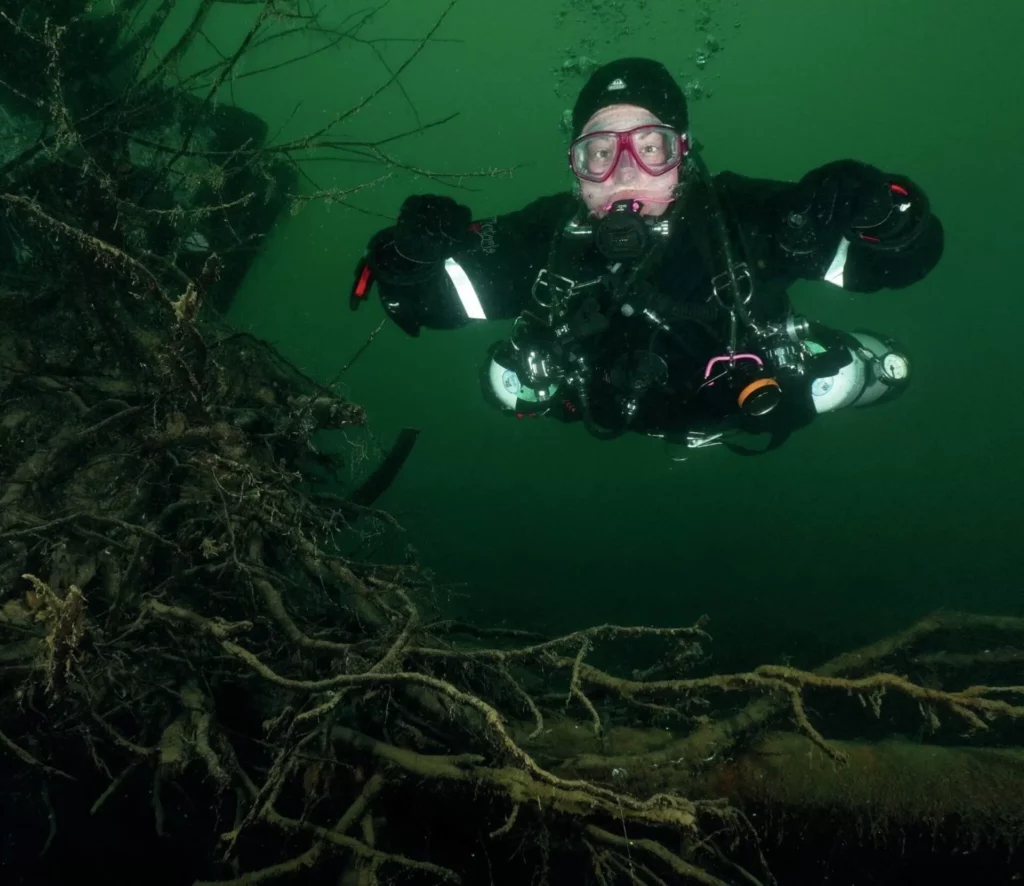
The Right Equipment – Remember that various forms of specialty diving require additional accessory gear, or higher performance equipment. All of us, regardless of training or experience, should ensure we have an appropriate and properly operating alternate air source, or consider carrying a redundant air source. Proper exposure suits and accessories can reduce heat loss and air consumption, as well as help maintain our mental acuity. Night diving requires at an absolute minimum a primary and back-up light source. A BCD should be properly sized for the individual and the environment (more capacity in cold water).
Document the Dives – An old habit I’ve had since I started diving decades ago is to document some basic information about each dive once it’s complete. Sure, our dive computer does a reasonable job of tracking essential parameters, but additional information can be helpful in the event of a computer failure, or for planning future dives. A record of bottom time, depth, and air consumption can help us with future air management planning. Knowing the water temperature, depth, what exposure protection we were wearing, how much weight we carried, and how comfortable we were can help us set up our gear for future dives.
Visibility and other elements or comments regarding what went right and what could have gone better on the dive can serve as a reminder of our experiences, and help us prepare and perform better on future dives.
Conclusion
Diving is a safe sport, but it does hold inherent risks. Fortunately, most of these are under our control. By staying focused on safety and following established best practices, we can minimize and mitigate most of the risks, and enjoy trouble-free diving.
FAQs
What are the most common equipment problems in scuba diving?
How can I prevent a rapid or uncontrolled ascent?
Why is dive computer familiarity important for safety?
Divers often face trouble when they misinterpret data or fail to set the correct gas mix. Familiarizing yourself with your specific model and checking battery levels before a dive prevents mid-dive confusion and nitrogen tracking errors.
What is a “triggering event” in scuba diving?
A triggering event is an external factor—like strong currents, cold, or entanglement—that initiates a stress response. While often beyond a diver’s control, having the skills to stay calm prevents these events from escalating into panic.
This article was originally published in Scuba Diver Magazine
Subscribe today with promo code DIVE1 — enjoy 12 months for just £1!
