Thirty previously unknown deep-sea species, including a carnivorous “death-ball” sponge, have now been confirmed from the remote South Atlantic and Southern Ocean by the Nippon Foundation-Nekton Ocean Census.
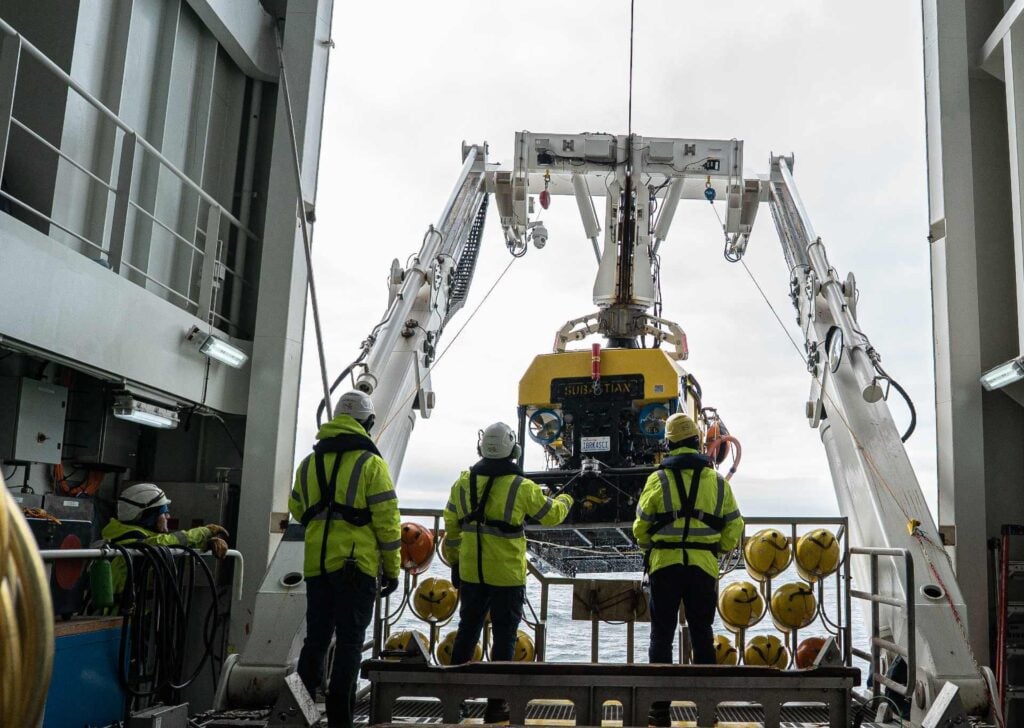
The discoveries came during two 2025 research expeditions using Schmidt Ocean Institute’s research vessel Falkor (too) and ROV SuBastian. The Ocean Census flagship expedition surveyed volcanic calderas, the South Sandwich Trench and seabed habitats around the islands of Montagu and Saunders in the South Sandwich Islands.
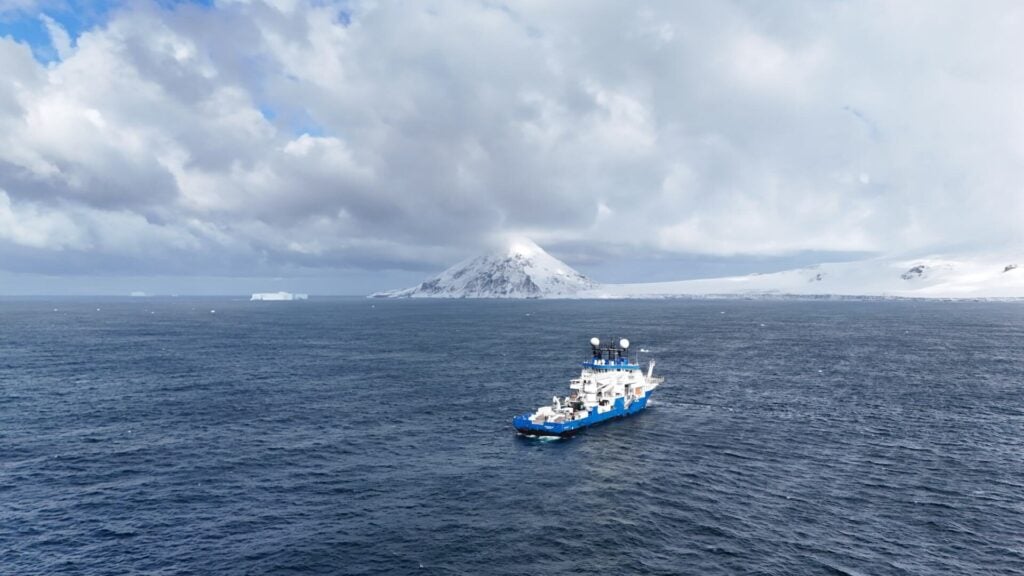
This uninhabited, volcanic archipelago lies where the South Atlantic meets the Southern Ocean. Almost 2,000 specimens across 14 animal groups were collected there, along with thousands of high-definition images and hours of video.
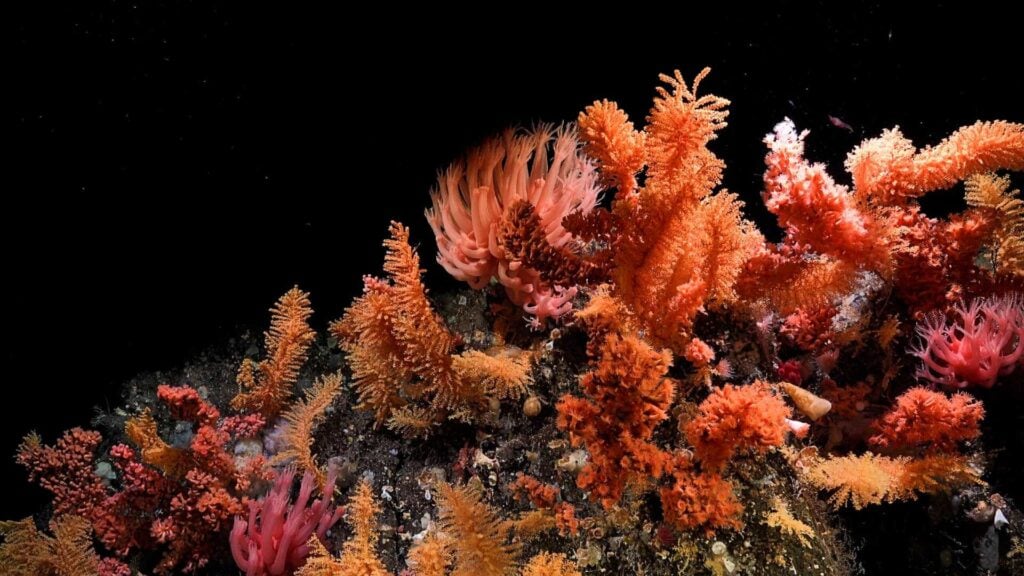
Highlights for the team included new hydrothermal vents at depths of around 700m with chemosynthetic communities, vibrant coral gardens, evidence of explosive undersea volcanism and, as reported on Divernet in April, the first confirmed footage of a juvenile colossal squid.
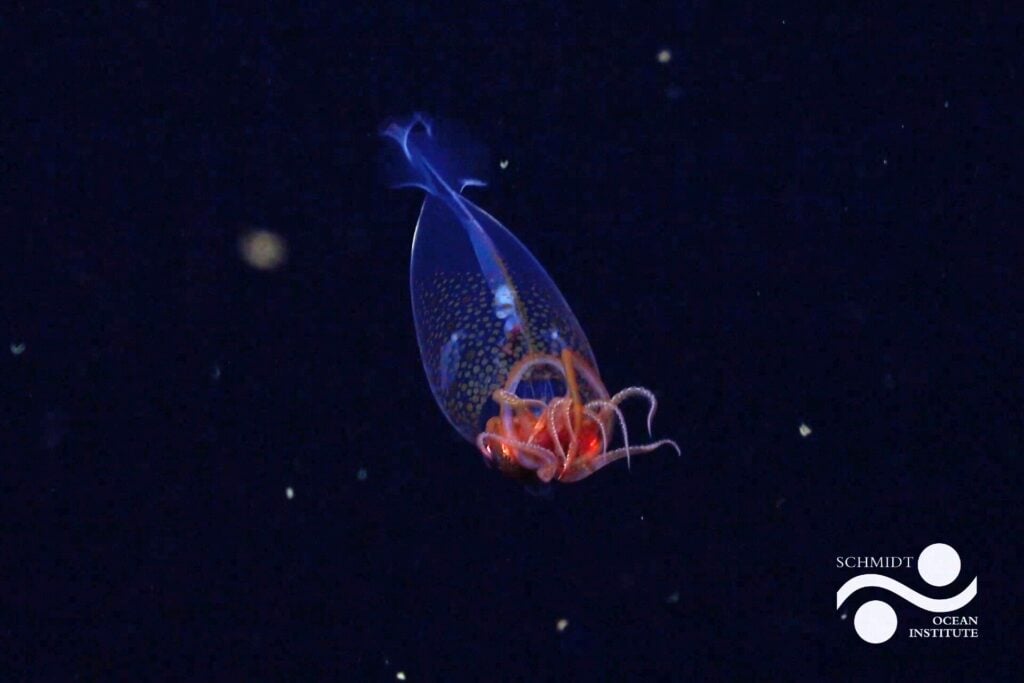
The death-ball sponge (Chondrocladia sp nov) is covered in tiny hooks for trapping prey. Also seen were “zombie worms” (Osedax sp) which, while not thought to be new to science, have no mouth or gut and use symbiotic bacteria to break down fats inside the bones of whales and other vertebrates.

Calving opportunity
Three researchers from the Ocean Census Science Network also supported an expedition onboard Falkor (too) in the Bellingshausen Sea. An iceberg calving from the George VI Ice Shelf enabled them to be first to investigate a section of seabed previously sealed beneath some 150m of ice.
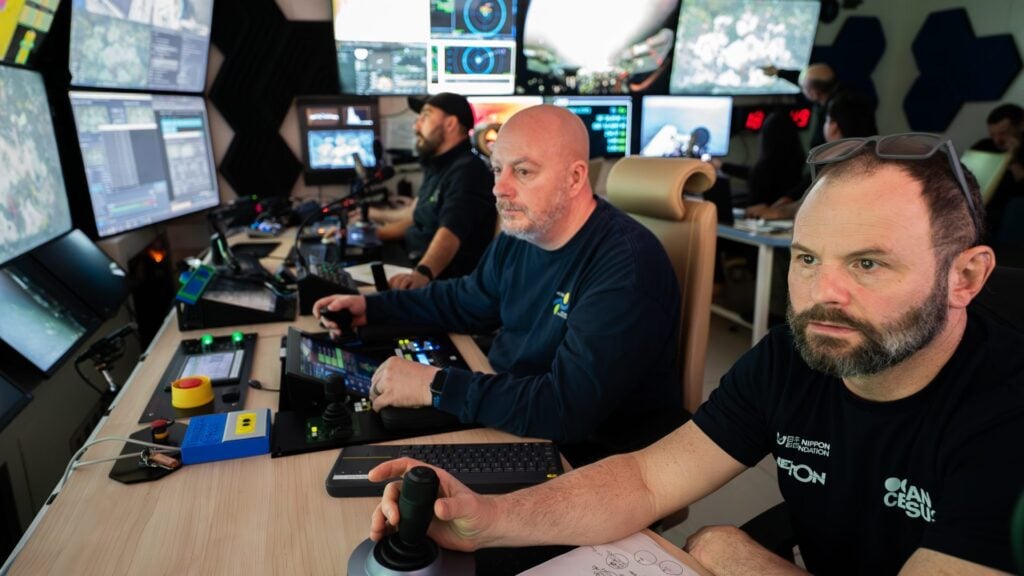
“The Southern Ocean remains profoundly under-sampled,” commented Dr Michelle Taylor, head of science at the Nippon Foundation-Nekton Ocean Census and and senior lecturer at University of Essex. “To date, we have only assessed under 30% of the samples collected from this expedition, so confirming 30 new species already shows how much biodiversity is still undocumented.
“By coupling expeditions with species-discovery workshops, we compress what often takes more than a decade into a faster pathway while maintaining scientific rigour by having world experts involved… This is exactly why the Ocean Census exists – accelerating the discovery of ocean life and making it openly available.”
Scale worms
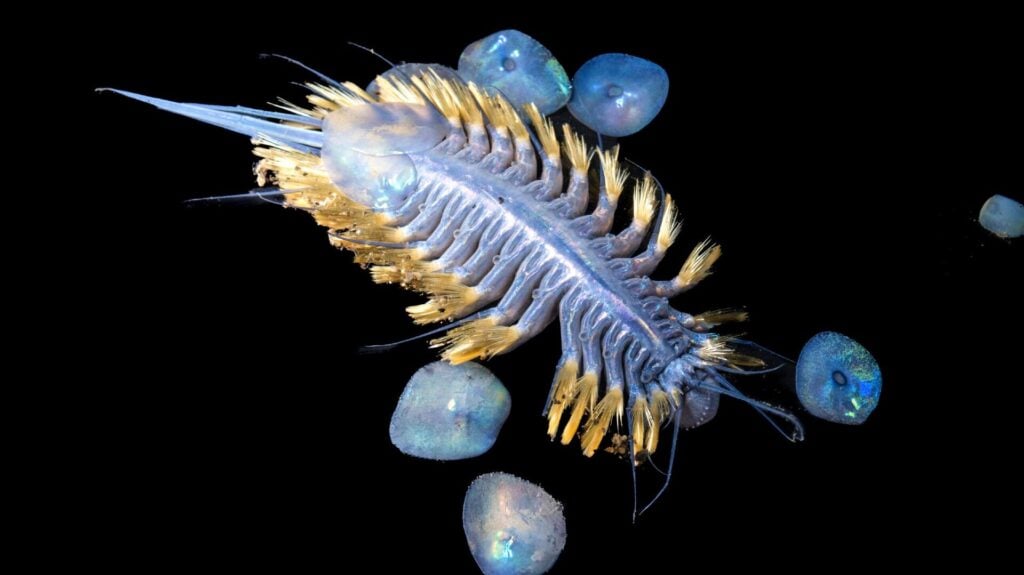
The expeditions also revealed new armoured and iridescent scale worms (Eulagisca sp nov), previously unknown species of seastars (Brisingidae, Benthopectinidae and Paxillosidae); and new crustaceans, including isopods and amphipods.
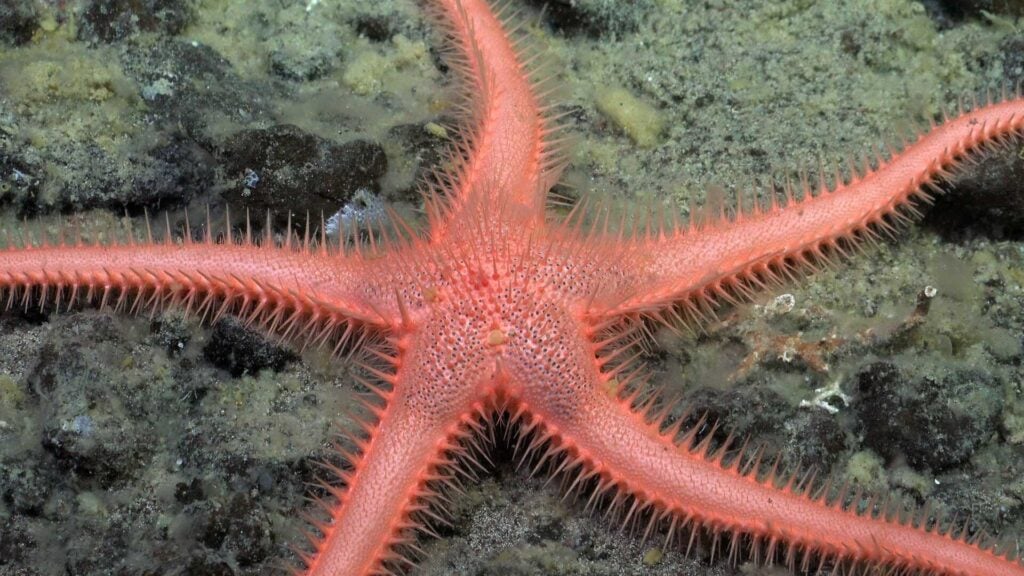
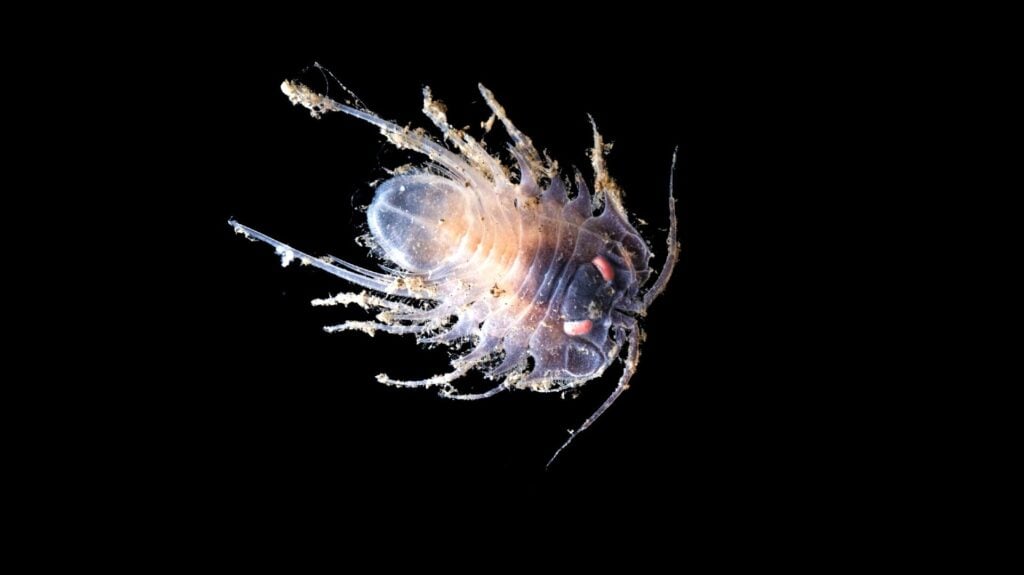
Material still being reviewed includes a potentially new amphipod family and rare gastropods and bivalves adapted to volcanic and hydrothermal-influenced habitats, while other possible new species include black corals and a potential sea pen genus.
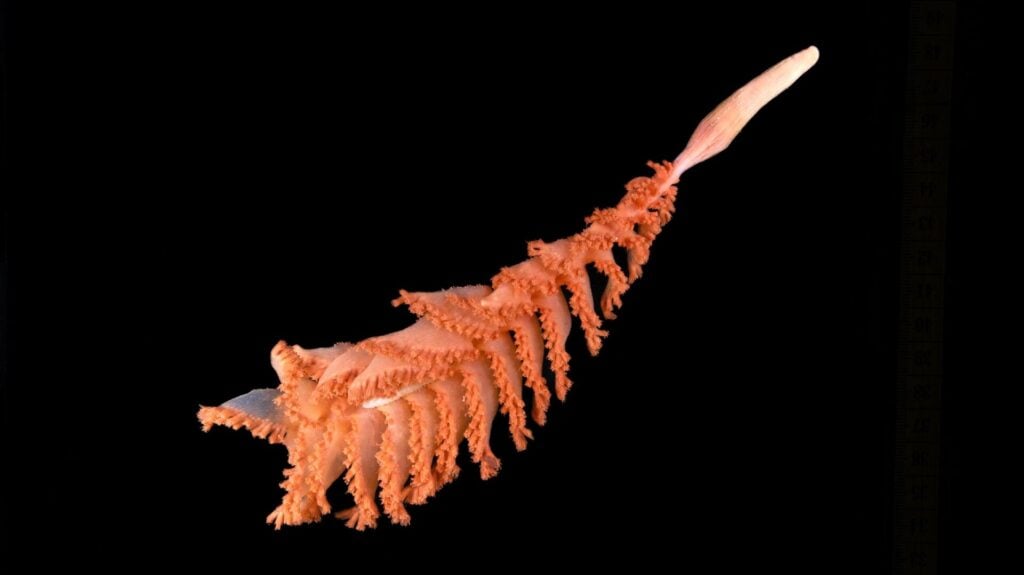
“Advanced tools, from precise seafloor mapping to high-definition ROV imagery, allow us to explore and gather data from places never seen before by humans,” said Dr Jyotika Virmani, executive director of the Schmidt Ocean Institute.
“The goal we share with Ocean Census to accelerate discoveries has resulted in the first confirmed sighting of a juvenile colossal squid and new species, and exemplifies what becomes possible when technology, ship time and a global science network work as one.”
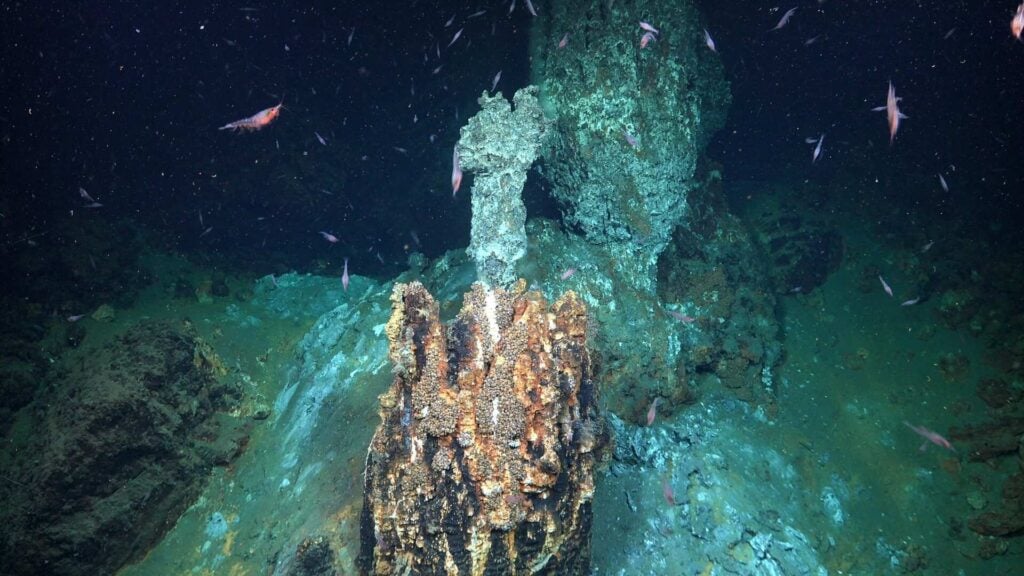
The Nippon Foundation-Nekton Ocean Census, established in 2023, is the world’s largest alliance dedicated to accelerating the discovery of ocean life. The Nippon Foundation is Japan’s largest philanthropic foundation while Nekton is an independent research institute and UK-registered charity.
All confirmed records that meet the required ‘discovered’ criteria can be seen in the open-access Ocean Census Biodiversity Data Platform.