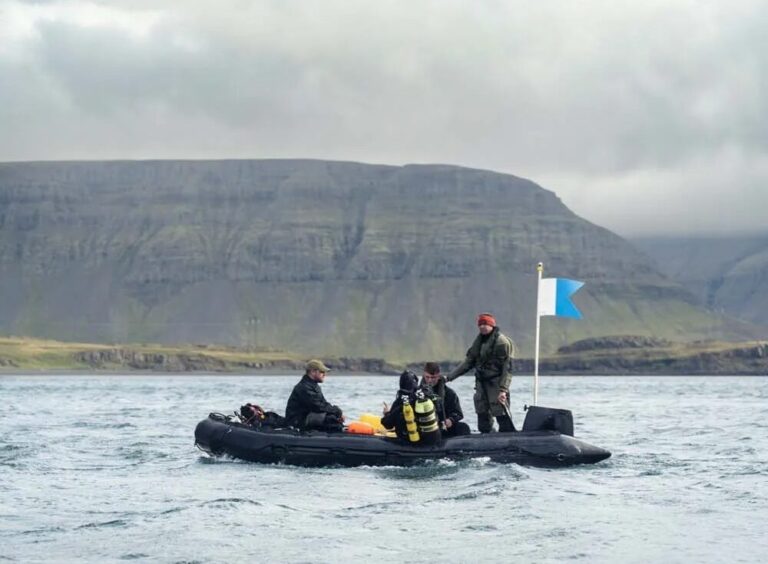
The recent arrest of Ukrainian diving instructor Volodymyr Z in Poland in connection with the blowing up of Nord Stream natural gas pipelines in the Baltic in 2022 has revived discussion about the dangers of undersea sabotage to critical infrastructure – and a major military exercise has just been held in Iceland to address this type of threat.
Russia came under Western suspicion at the time of the Nord Stream explosions, although the state that had recently invaded Ukraine blamed the USA and UK for the incident.
Another Ukrainian, Serhii K, had previously been arrested in Italy, with prosecutors claiming that the two men were part of a team including ex-members of a private Kyiv dive-school that had sailed to the site from Rostock on a rented yacht.
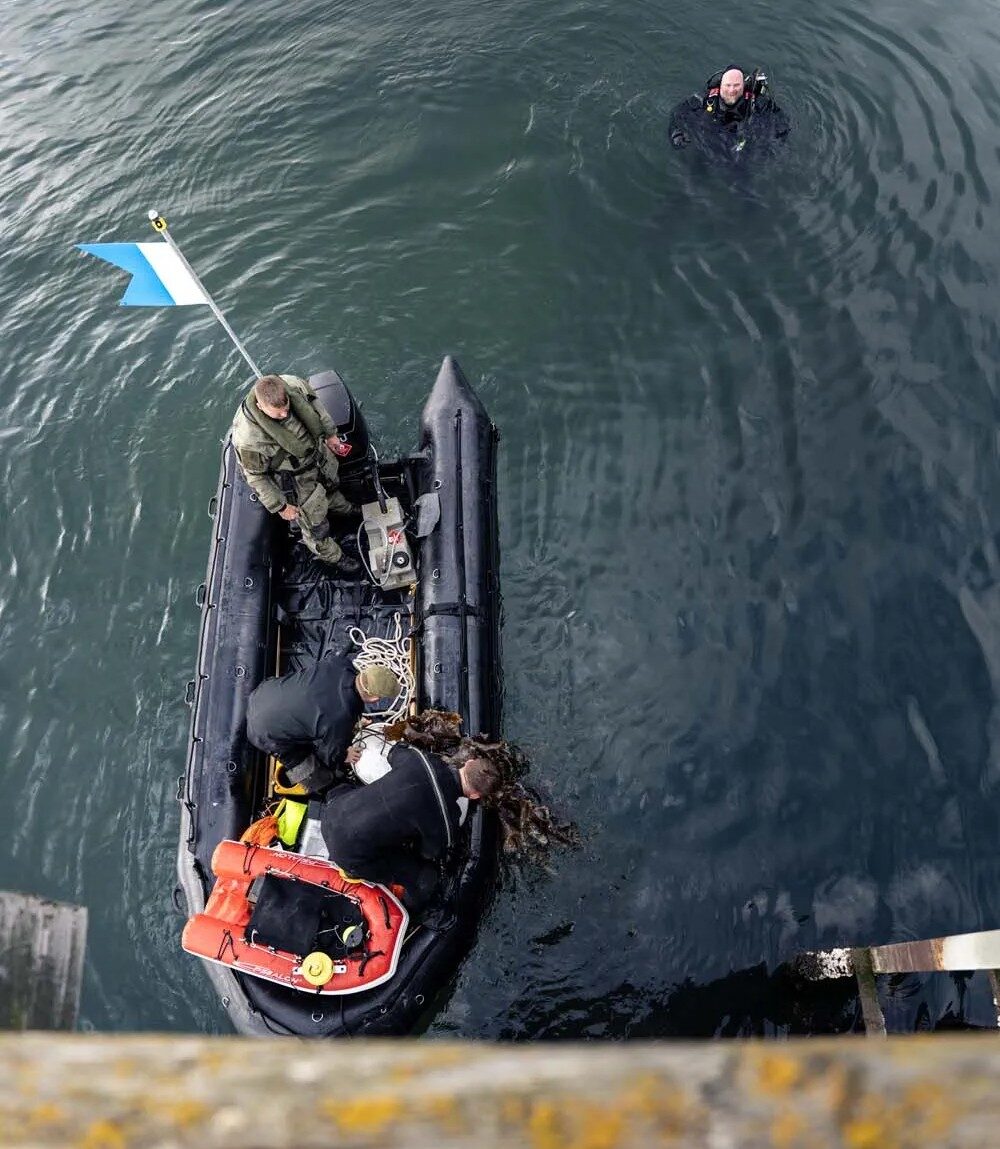
Damage to the Estlink 2 power cable between Finland and Estonia inflicted by a trawler’s anchor in 2024 led to further arrests and more concerns about potential sabotage and hybrid warfare.
This year NATO launched Operation Baltic Sentry, deploying ships and surveillance technologies to monitor and protect critical underwater assets.
This programme and those of individual member-states have brought increasing use of underwater drones in the Baltic for surveillance and defence of infrastructure such as communication and energy cables.
In late September Royal Navy divers joined counterparts from across NATO in Iceland for a fortnight of training in what has been described as the alliance’s biggest test yet in bolstering its anti-sabotage capabilities and ensuring the security of vital maritime routes.
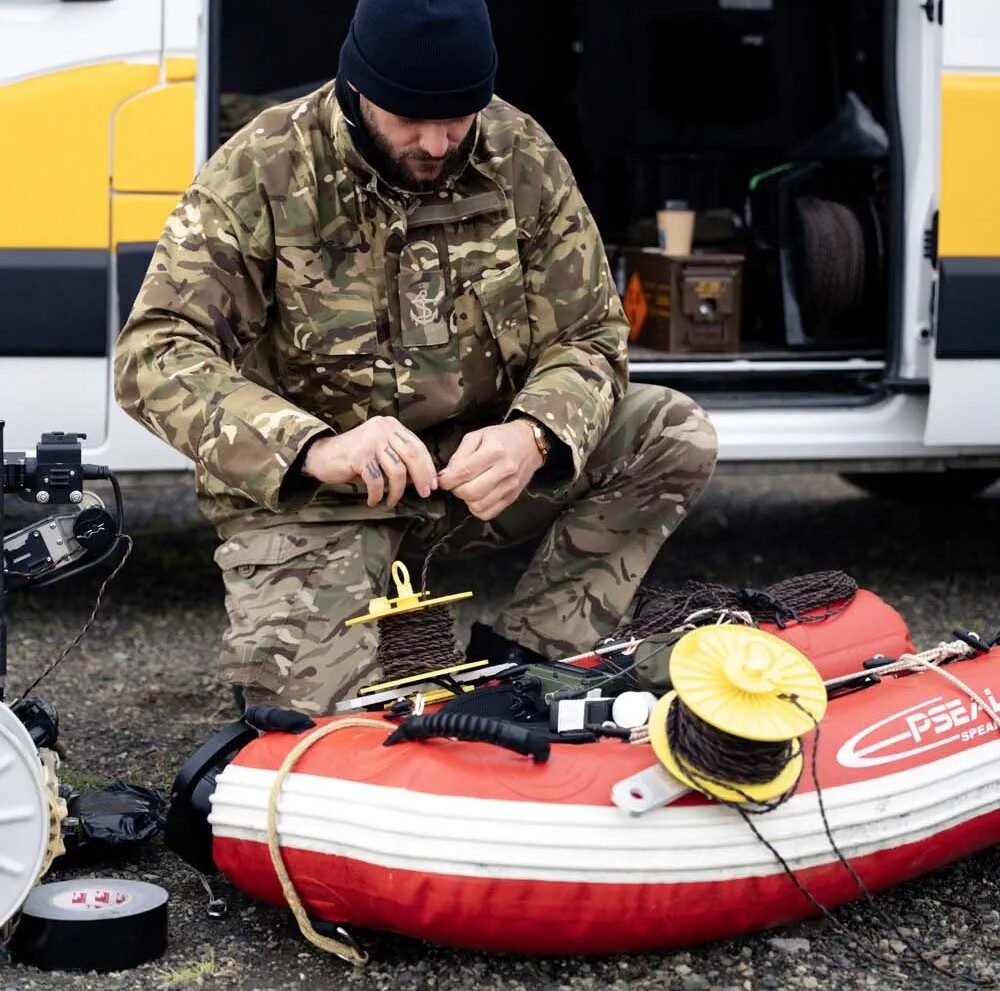
Exercise Northern Challenge involved the divers neutralising underwater threats and disposing of improvised explosive devices (IEDs) during training that was reported to have reflected increasingly realistic situations.
Live demolitions
Personnel from the Royal Navy’s Diving & Threat Exploitation Group (DTXG) based in Portsmouth, Plymouth and Faslane worked alongside others from 17 nations, including the USA, Canada, New Zealand, Germany and the Nordic countries. More than 500 participants took part in the exercises.
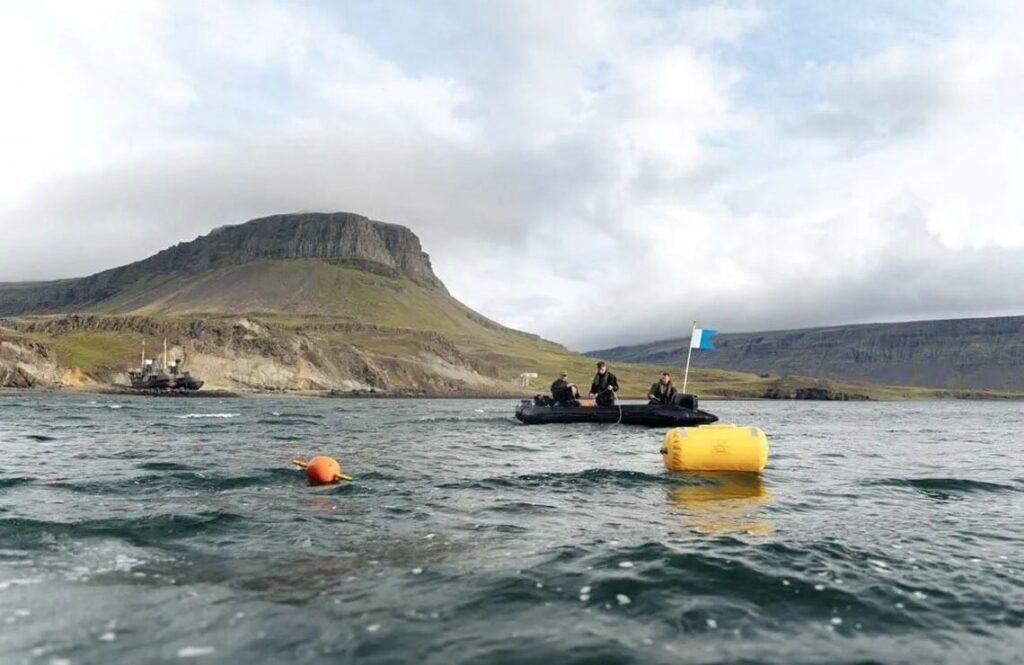
Together they worked to dispose safely and effectively of training IEDs using live demolitions; conducted diving operations to safeguard undersea infrastructure; and identified and neutralised shore-based threats, including a scenario involving a car with a bomb inside.

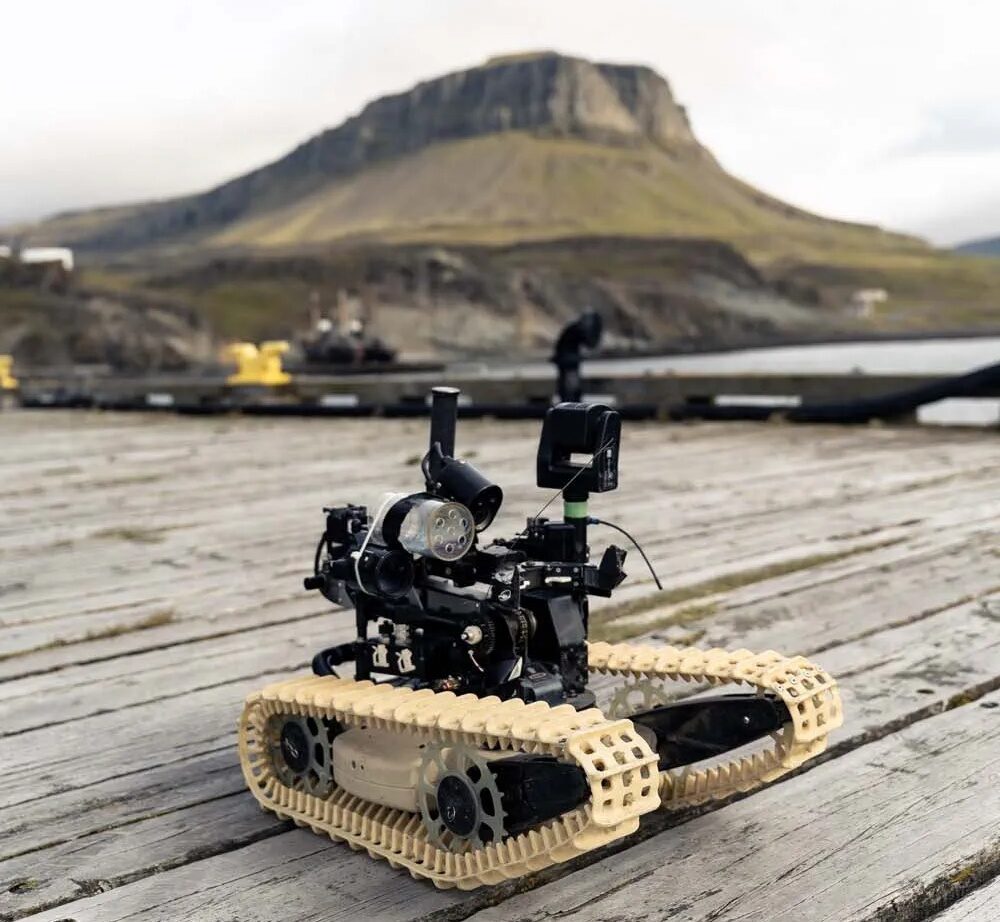
Hosted by the Icelandic Coast Guard, the exercise aimed to give NATO allies the chance to learn from each other and ensure that they could work seamlessly together should threats arise, says the Royal Navy.
It also saw personnel showcase new equipment designed to deal with IEDs and other devices from a safe distance. Explosive ordnance disposal (EOD) teams used advanced tools that included bomb suits, digital X-ray systems and remotely piloted drones to locate, identify and neutralise explosive threats.
Contemporary threats
“Exercise Northern Challenge 25 in Keflavik, Iceland, allowed Delta Squadron to demonstrate our diving and Explosive Ordnance Disposal expertise in a realistic and demanding environment,” said Lt-Commander Chris Forster, officer in charge of the Delta Squadron contingent. DTXG is made up of the Alpha, Bravo, Delta and Echo squadrons, each of which has specific roles.
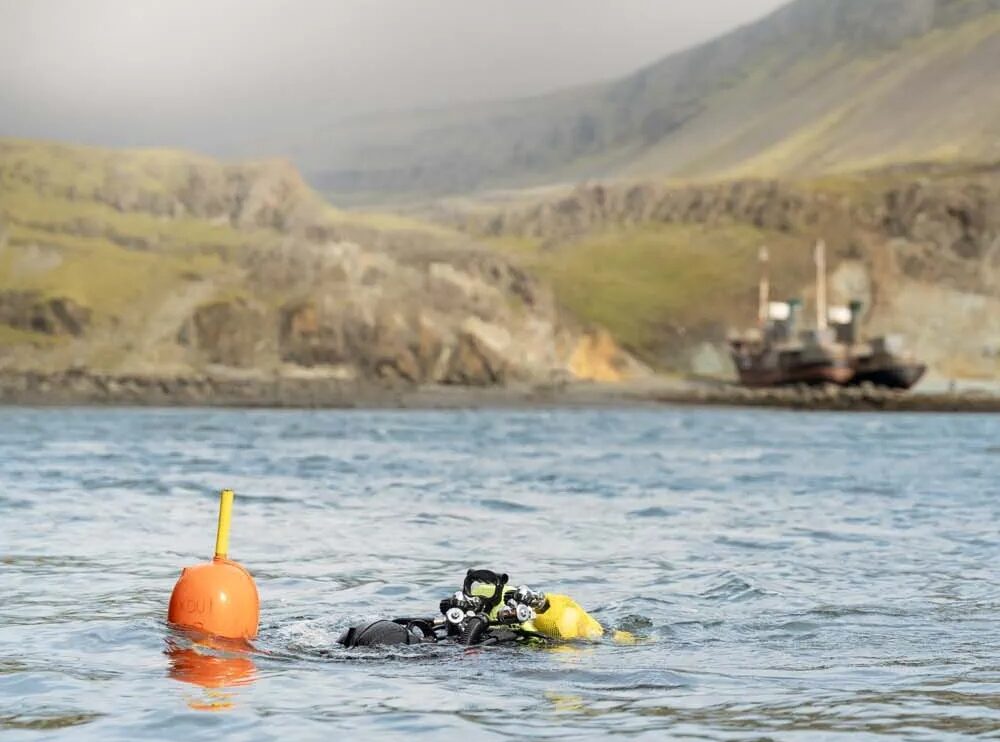
“The scenarios were tailored to reflect the contemporary threats a NATO task force could face, providing an invaluable opportunity to enhance our interoperability, refine our skills and ensure we remain ready to respond to complex challenges alongside our allies.”
In June RN divers and mine-clearance experts led the UK’s involvement in a significant coalition exercise aimed at helping Ukraine to make the Black Sea safer. They have been involved in such activities since 2003.
Two days after DTXG’s return from Iceland, on 9 October, its divers were back in action, setting up a 500m vessel exclusion zone and carrying out a series of controlled underwater explosions during an exercise off Ryde Sands on the Isle of Wight.