
Maritime archaeologists from Denmark’s Viking Ship Museum say they have discovered the wreck of a famous 18th century naval flagship, the Dannebroge, complete with many artefacts and human remains. They timed the announcement for yesterday (2 April), 225 years to the day since the ship was sunk at the Battle of Copenhagen.
On the morning of 2 April, 1801, Dannebroge was the central command vessel of a Danish-Norwegian defence force that engaged a powerful Royal Navy fleet commanded by Sir Horatio Nelson. The British admiral made the Dannebroge – the name translates as “Banner of the Danes” – his primary target.
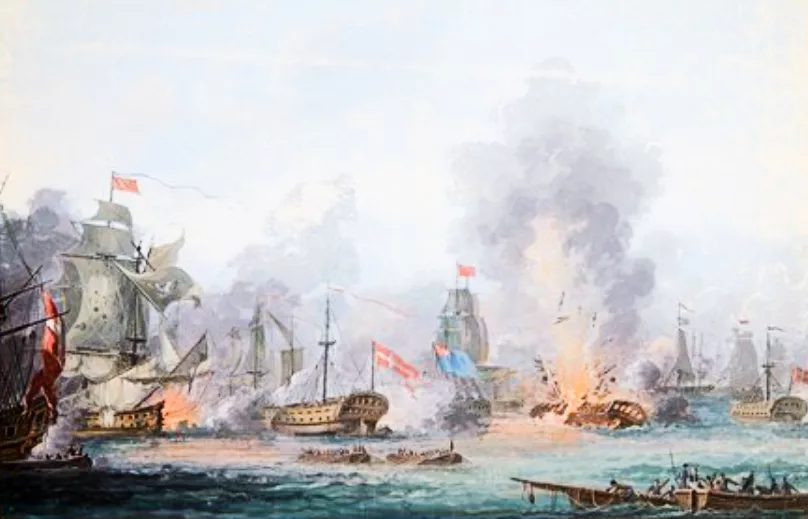
The flagship of Commander Olfert Fischer, Dannebroge was heavily bombarded by two British ships of the line and set ablaze. At around 4.30pm, soon after the six-hour battle had ended in a ceasefire, the Dannebroge exploded.
The vessel sank in an area called the King’s Deep, where its remains have now been found at a depth of around 15m.
Central to Danish history
The Viking Ship Museum, which is responsible for maritime archaeology in eastern Denmark, has been conducting surveys, diver inspections, sediment-sampling and excavations in the area since 2020, in connection with the impending construction of an artificial island called Lynetteholm.
It has already discovered several previously unknown shipwrecks, including the world’s largest-known 15th‑century cog, as reported on Divernet.


“This is the first time archaeological investigations have been undertaken that are directly linked to the Battle of Copenhagen,” says excavation leader Otto Uldum. “Although the battle is a central event in Danish history no one, to my knowledge, has examined it archaeologically until now. That is actually quite remarkable.”
The battle took place on the Copenhagen Roads, a shallow anchorage for large vessels outside the city, and Nelson’s fleet had 1,270 guns – one and a half times as many as the Danish fleet.

Dannebroge was 48m long with a 13m beam, built in Nyholm, Copenhagen as a ship of the line. It had carried 60 guns when commissioned into the navy in 1774, though some of these had recently been removed when it was reduced and re‑rigged as a blockship.
Visibility at the wreck-site is reported to be almost zero as a result of heavy silting but the divers are in no doubt that it is the Dannebroge.
“We have no difficulty interpreting this as the remains of a large wooden warship,” says Uldum. “The dimensions of the timbers correspond exactly to the drawings of the ship that survive, and the dendrochronological dating matches the vessel’s year of construction in 1772. So we are stating this with a degree of certainty that borders on absolute.”
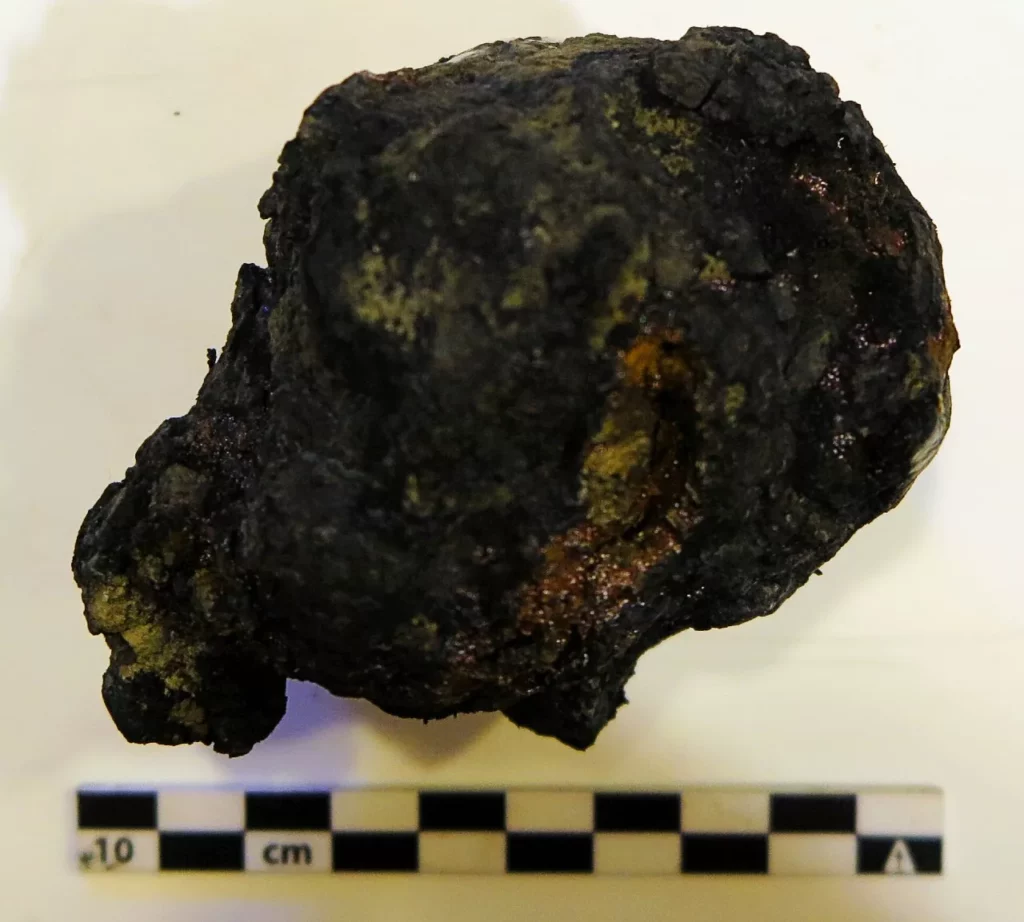
The wreck-site was “littered” with cannonballs and bar shot, he says, and two cannon had been found.

Physical and concrete
The ship’s exposed ballast pile stretches over more than 28m and is 12m wide and several metres high. “With the excavation, we gain something physical and concrete,” says Uldum. “There is a large wreck and a substantial ballast mound, but it is Dannebroge’s ballast and Dannebroge’s ship timbers.
“These are the remains of an entire ship of the line, and it lies in a place where we can now touch it.”
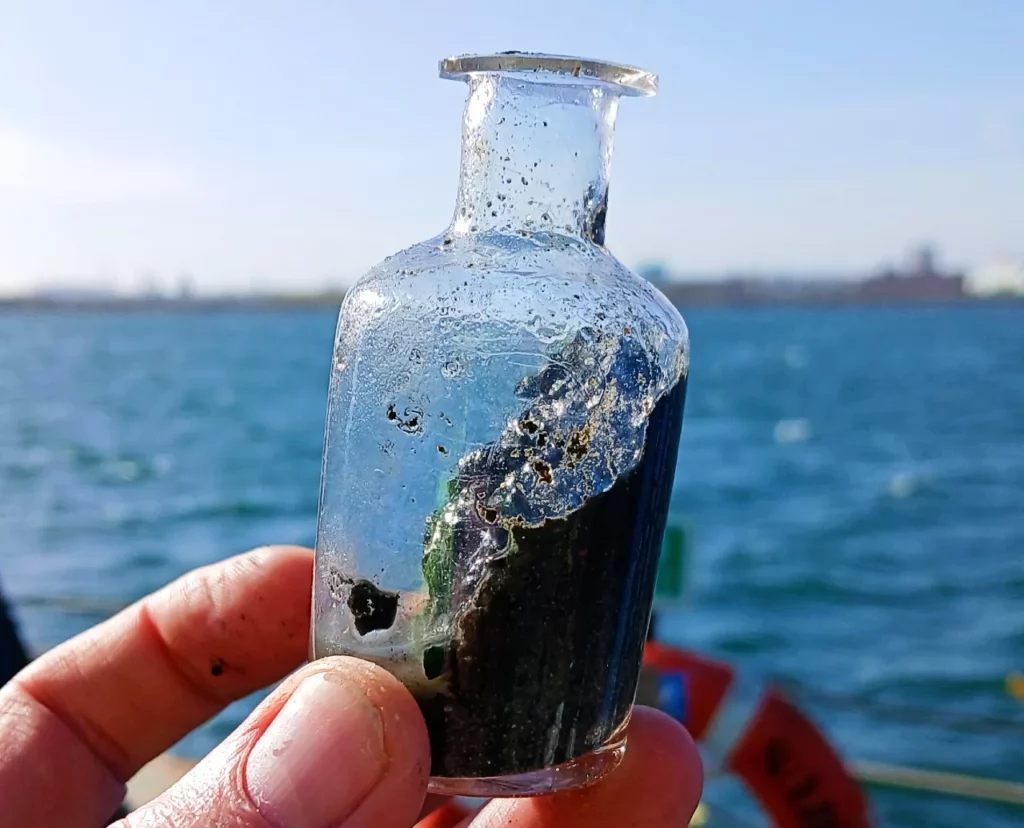
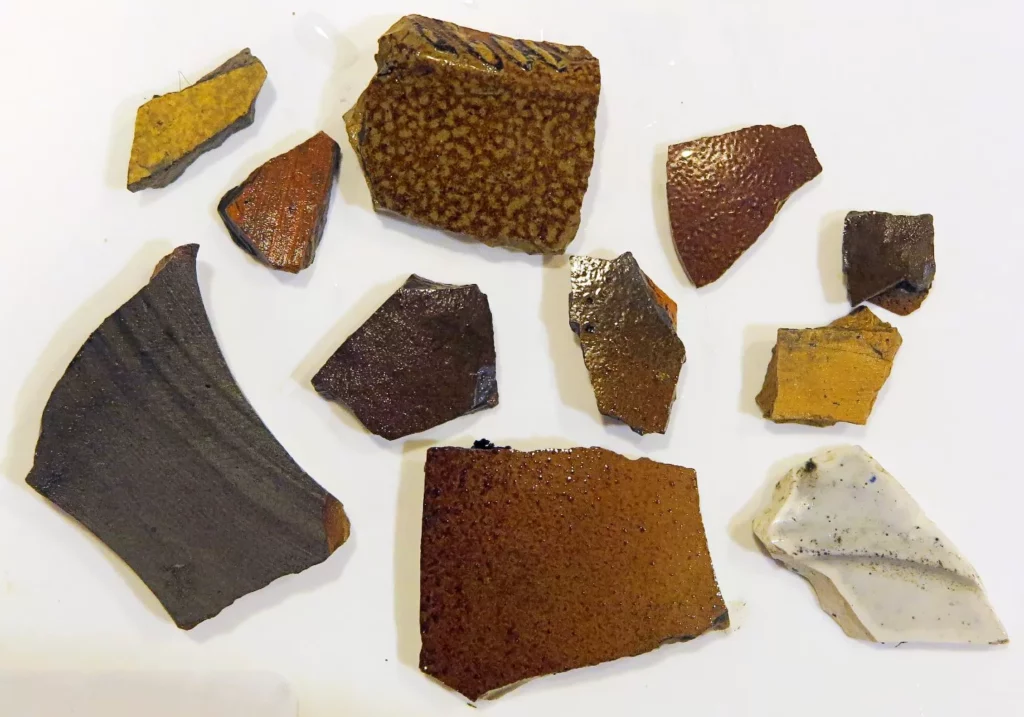
Artefacts connected to the crew were also emerging, says Uldum. “We have found a number of personal belongings: shoes and fragments of clothing and various small items the sailors would have carried with them – clay pipes, uniform insignia and weapons.”

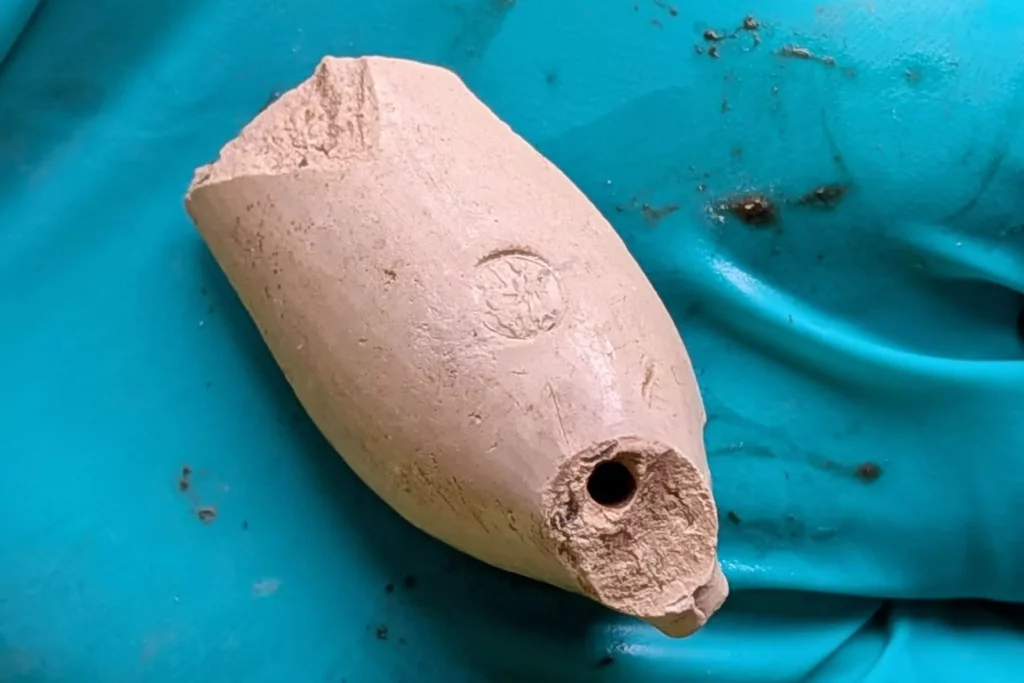
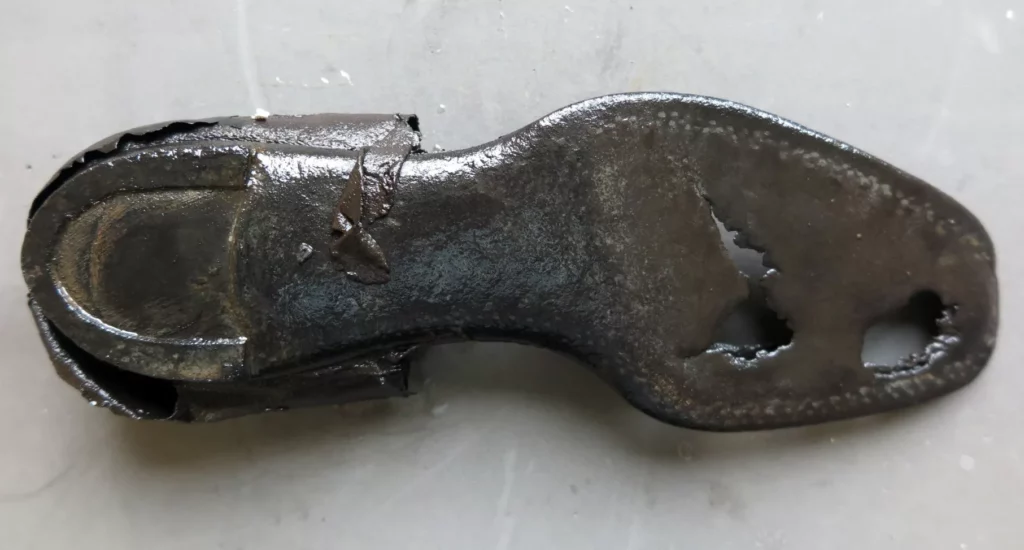

There had been a crew of 357 men, of whom 53 had died on board, three succumbed later to their injuries and 48 of the survivors had been injured. Remains of one of the 19 men listed as missing had now been found.
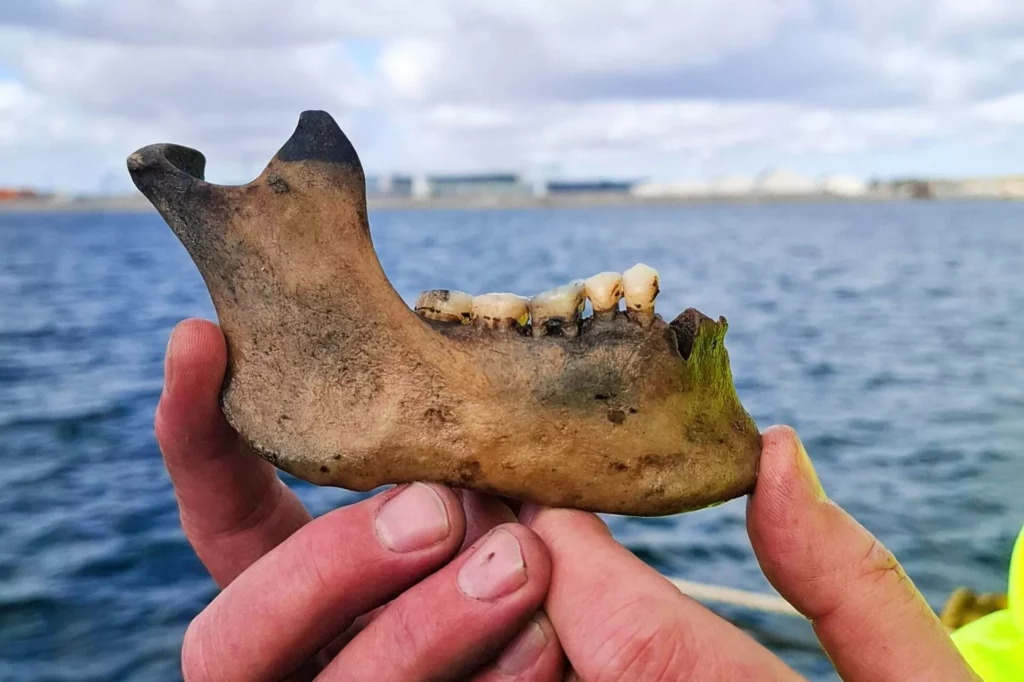
“We have found a lower jaw that is without doubt human, as well as several other bones, including ribs, which could very well be human,” says Uldum “We are far from finished sorting and analysing the material, but we are bringing everything up.”
All material recovered by the dive-team is documented using 3D scanning, surveying and photographic recording. Archaeological investigations at the Dannebroge site are expected to be completed this spring.