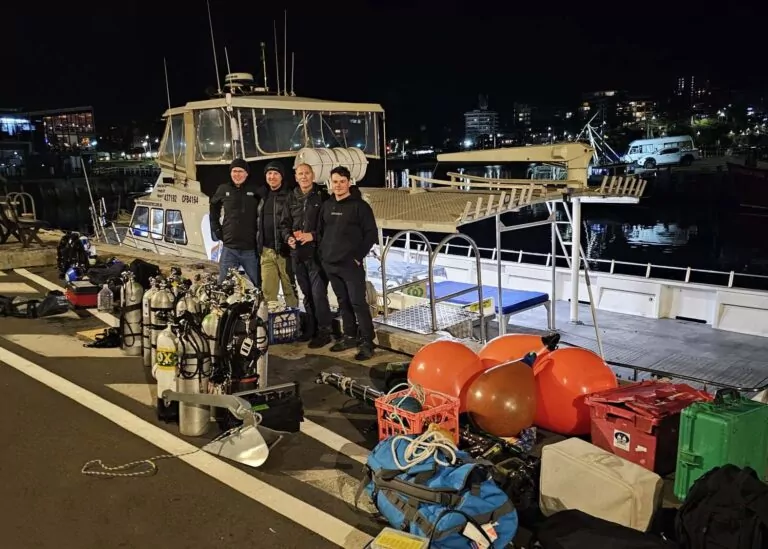
Australian technical divers have carried out an ultra-deep descent to 160m to survey the wreck of the British-built steamship Nemesis, which lies 26km off Wollongong in New South Wales.
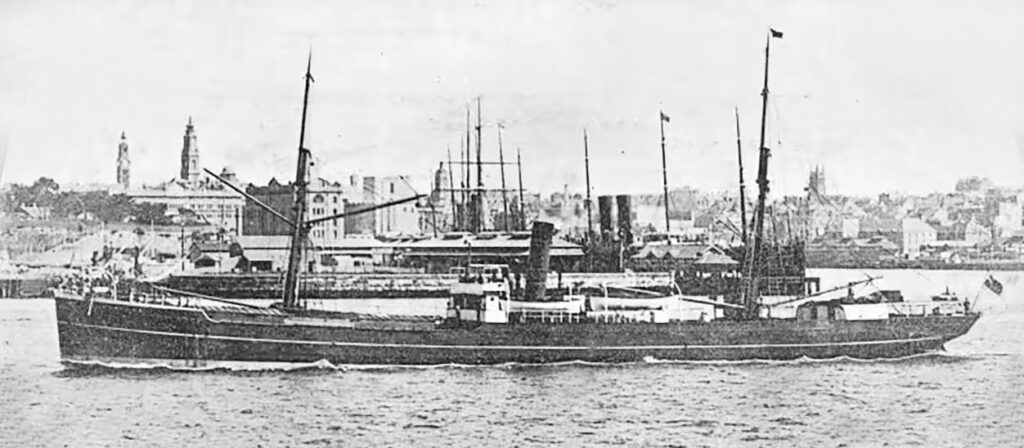
The ship was heading south fully laden with coal from Newcastle to Melbourne in 1904 when she hit a severe winter storm and disappeared. Thirty-two lives were lost, with bodies and pieces of wreckage washing ashore at Cronulla Beach in the following days, but what is now presumed to be the wreck was located only in 2022.
The four rebreather divers, Samir Alhafith, Dave Apperley, Rus Pnevski and John Wooden, took nine minutes to reach the shipwreck. They were diving as part of the Sydney Project (Wollongong lies to the south of Sydney) and have described the wreck as “one of the last mysteries in New South Wales waters”.
The dive was initially scheduled for 7 June, but conditions “not unlike the night of the sinking” meant that the attempt had to be called off.
The team reconvened on 18 June, leaving Wollongong Harbour before sunrise on the charter-boat Aquila for the 90min journey out to wreck-site.
The sea was becoming choppy and a setback occurred when current dragged the shotline off the wreck, causing a delay while it was retrieved to the surface for a second drop which, fortunately, held fast.

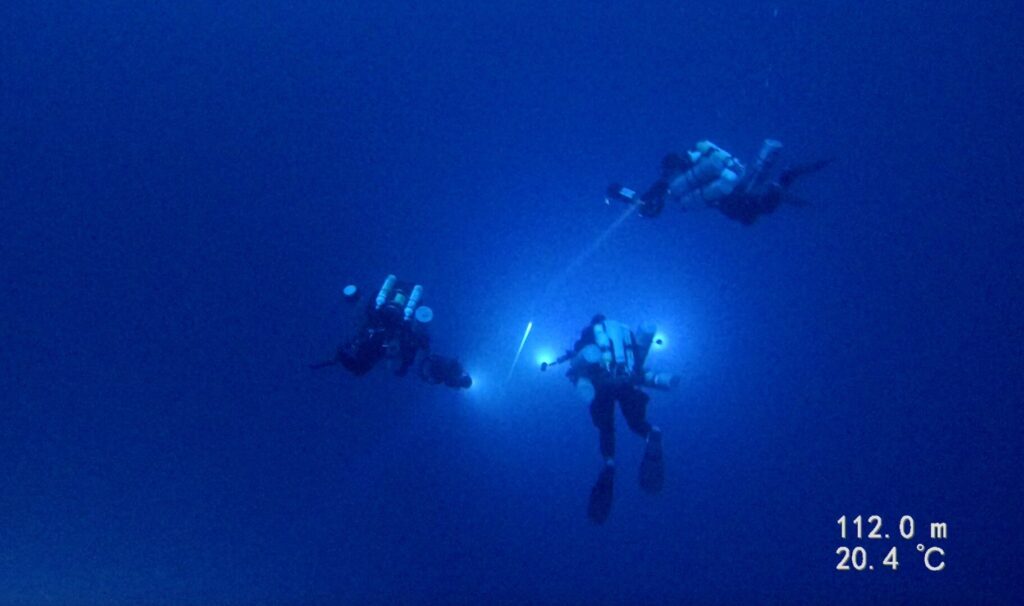
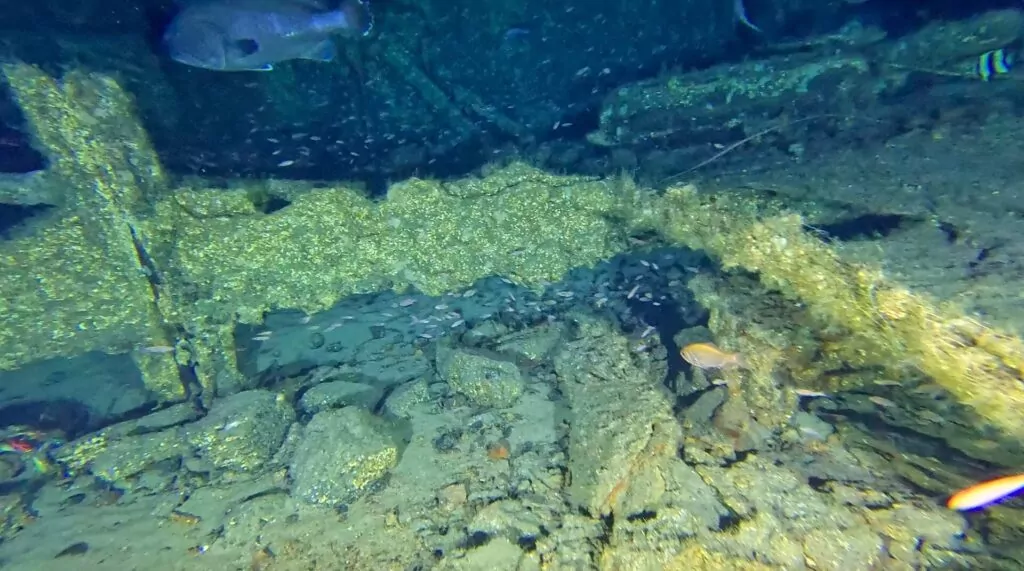
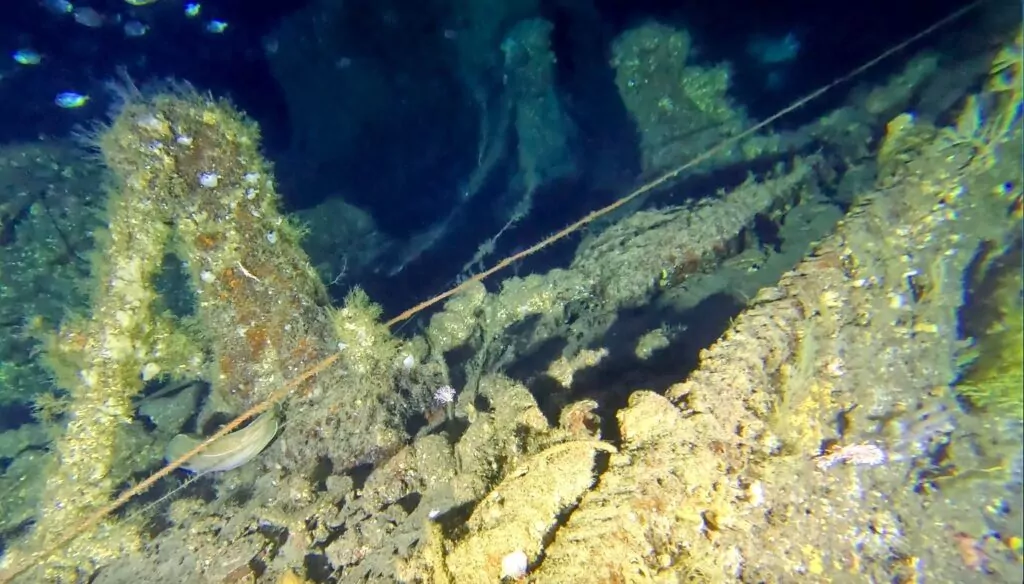
Equipped with DPVs, cameras and lights the divers headed down the line and, in clear visibility at depth, were able to see the wreckage of what had once been a 73m-long ship from a distance of 30m.
The dive-team had allowed themselves nine minutes to carry out their survey. They landed at the bow, which had been crushed on its impact with the seabed, and moved to midships and back.

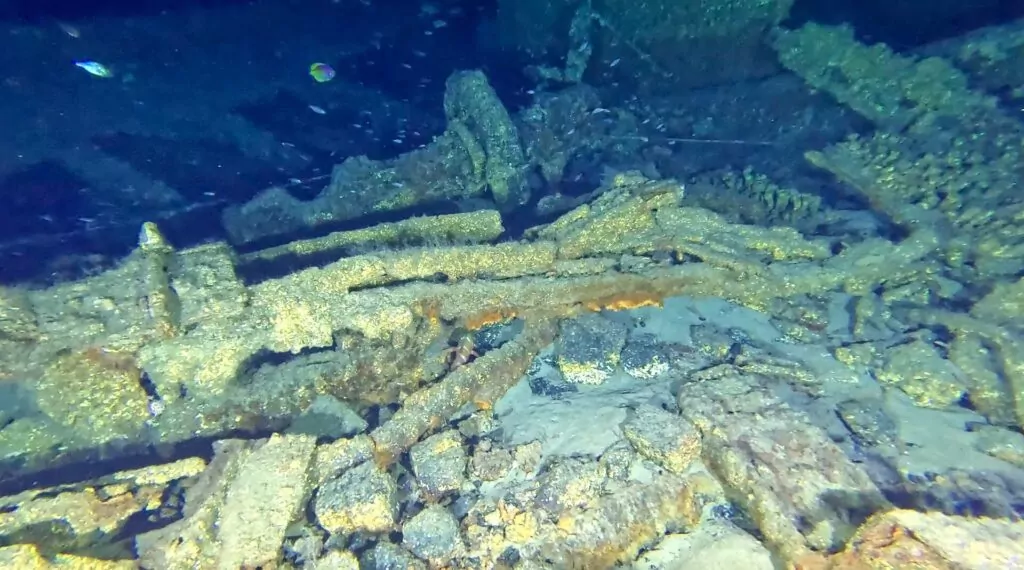
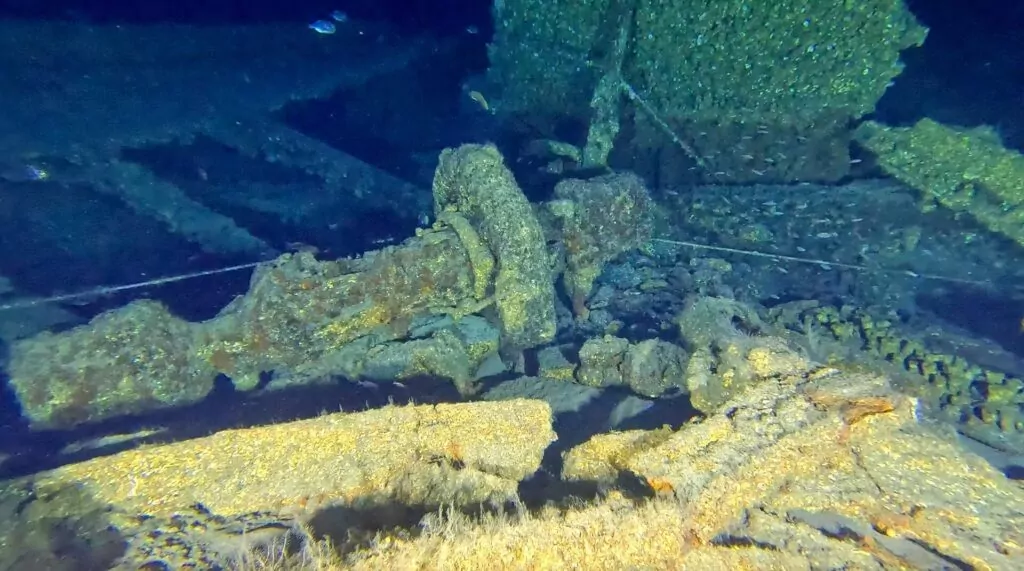
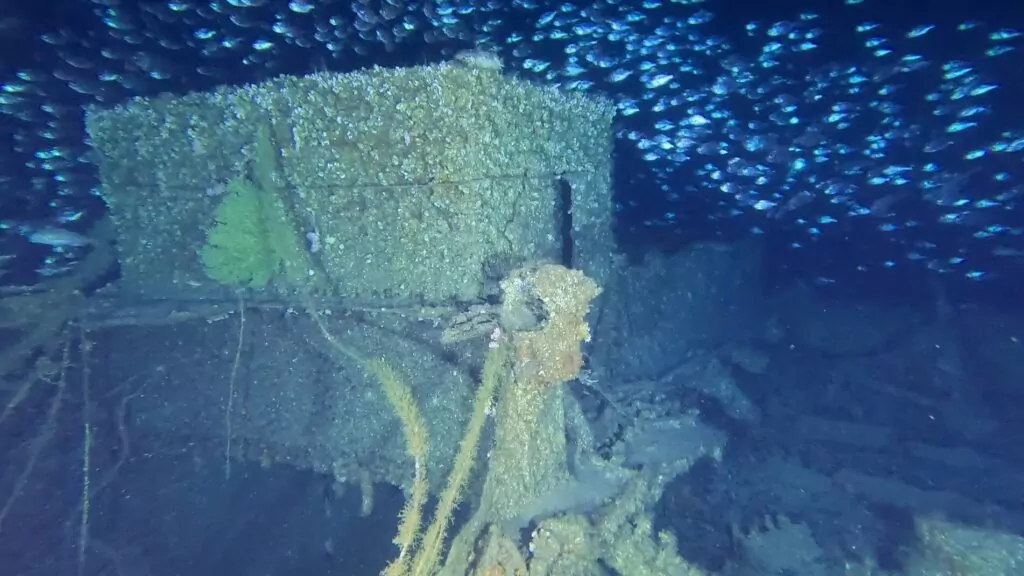
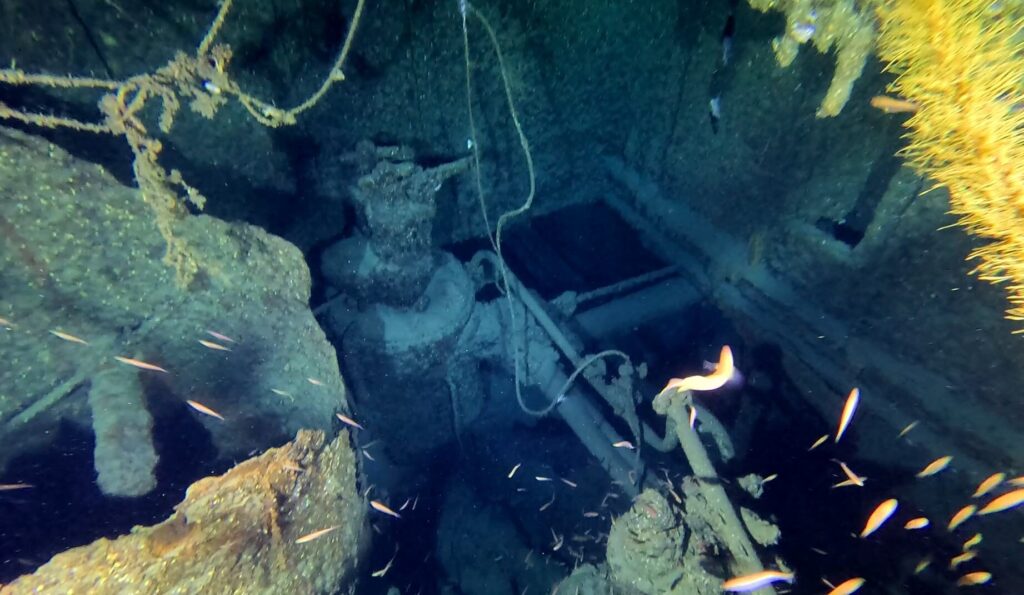
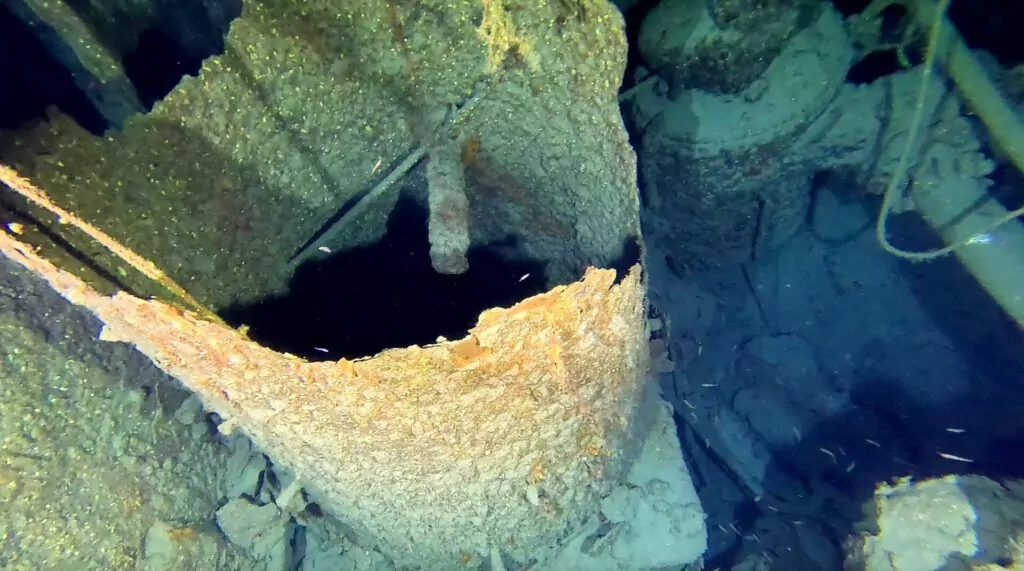
This gave them time to take in where the bridge had stood and capture video footage of the funnel, donkey boilers, a derrick, remnants of decking and the scattered cargo of coal.
The divers spent another six hours ascending and hanging on their decompression station before surfacing in winter darkness at around 6pm.

Almost identical
The iron-hulled Nemesis was built at Whitby in 1881 and during the gold rushes of the 1890s operated out to Western Australia carrying cargo and passengers, though in her latter years she was used solely for carrying coal and coke.
The upright wreck was located by chance during a seabed sonar search for missing containers, with initial ROV camera footage revealing damage to the midships and bow sections, but failing to confirm the wreck’s identity.
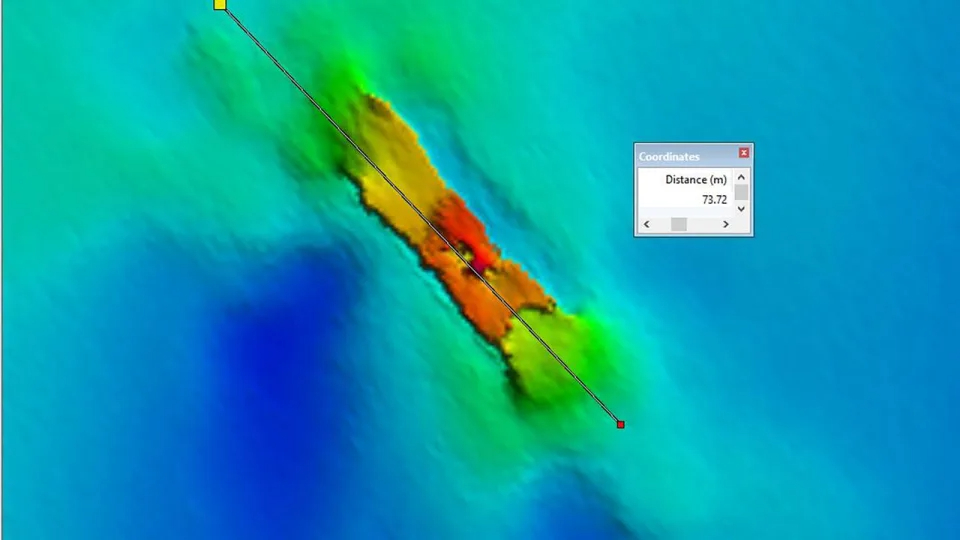
A later survey by Heritage NSW, reported on Divernet last year, indicated that it was “highly probable” that the shipwreck was that of the Nemesis. Identification had been complicated by the fact that so many ships built for use by her first owner, the Huddart Parker Line, were almost identical in design.
The divers would hope at some point to locate a conclusive nameplate or even the ship’s bell – a considerable challenge given the short downtime available.
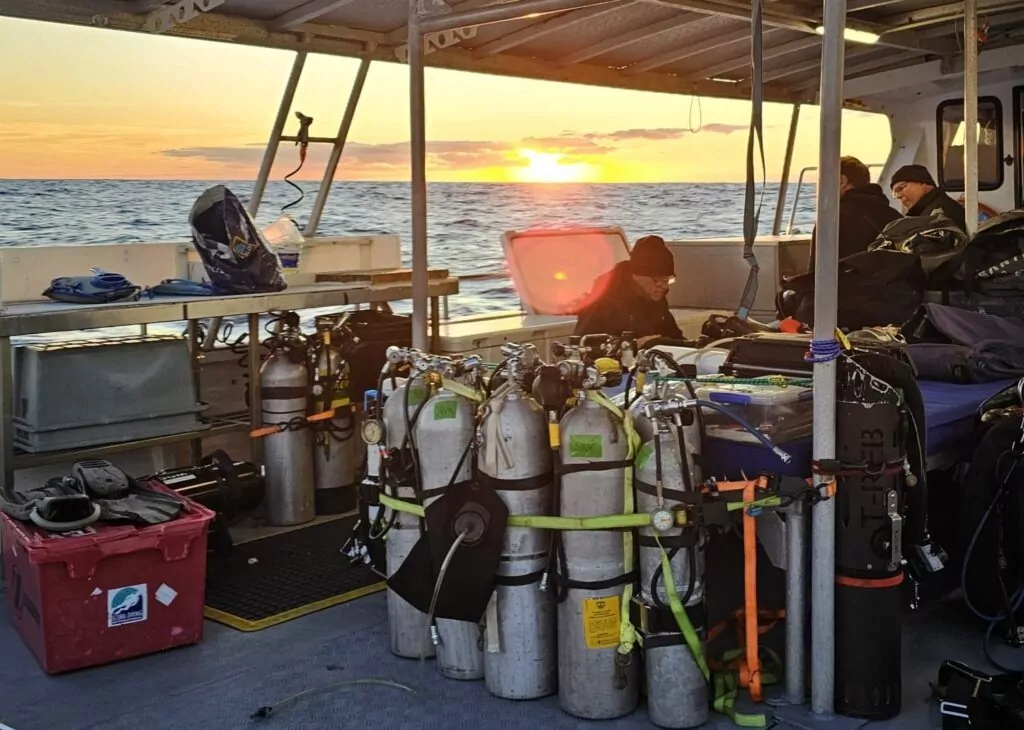
“We would like to go back again, before winter’s end and currents pick up,” the Sydney Project divers told Divernet. “It’s an expensive exercise and we are looking at doing photogrammetry of the wreck, but we’re going to try to get some funding support via government or corporates.”
The divers are planning to put together a short documentary to help them with this ambition. “It will be the first attempt to do photogrammetry at such depth by divers, but we can do it – we just need to do the dives,” said the confident team.
Also on Divernet: NEMESIS PROBE SOLVES AUSTRALIAN WRECK MYSTERY, DIVERS ID DUTCH GOLD-RUSH SHIPWRECK IN AUSTRALIA, AUSTRALIAN DIVERS FIND WW2 DUTCH SUB WRECK, 80 YEARS SUNK: ANOTHER BEAUFORT BOMBER TRACED