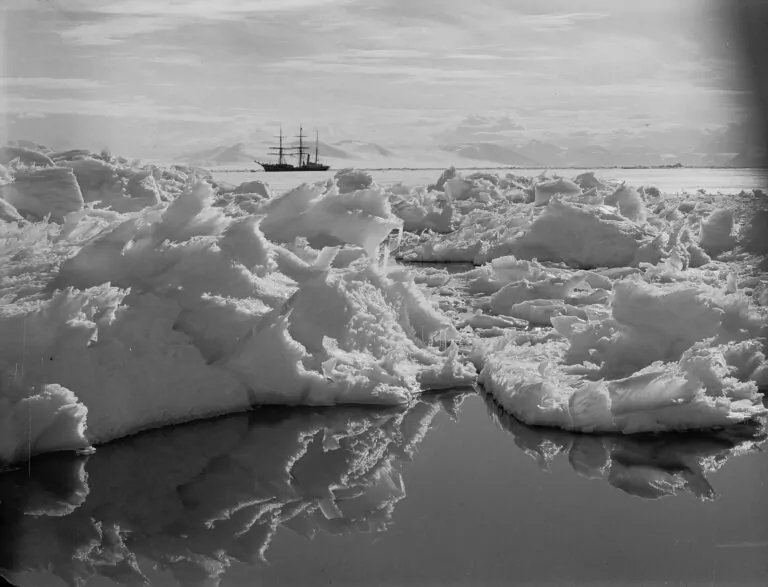
The first visual survey of the 300m-deep wreck of the historic ship Terra Nova, which carried Captain RF Scott and his team on their fatal expedition to the South Pole, has been conducted by a team of marine archaeologists, historians and technical experts.
Using the expedition vessel Legend, they visited the remote North Atlantic site off Greenland where Terra Nova met her end during WW2 – decades after Scott’s final expedition.
“Legend’s survey of Terra Nova is the icing on the cake for a project nearly two decades in the making,” said project lead Leighton Rolley.
“What began as a concept in 2005 led to the successful discovery of the wreck in 2012 and now, thanks to this latest expedition, we have finally been able to conduct a detailed visual survey of one of the most iconic vessels in polar history.
“Legend’s work has answered many of the long-standing questions surrounding the condition and final moments of the Terra Nova and, in doing so, it brings closure to a story that has captivated polar historians for over a century.”
Built in Scotland in 1884 for the Dundee whaling and sealing fleet, Terra Nova was a 57m timber barque designed to withstand even harsh polar conditions.
She proved her worth to Captain Scott on his first Antarctic expedition in 1903 when, as a relief vessel, she resupplied and helped to free his ship RRS Discovery from ice in McMurdo Sound.
Two years later, Terra Nova reinforced her reputation with an Arctic rescue operation, helping to recover explorers stranded in Franz Josef Land after the failed Fiala polar expedition.
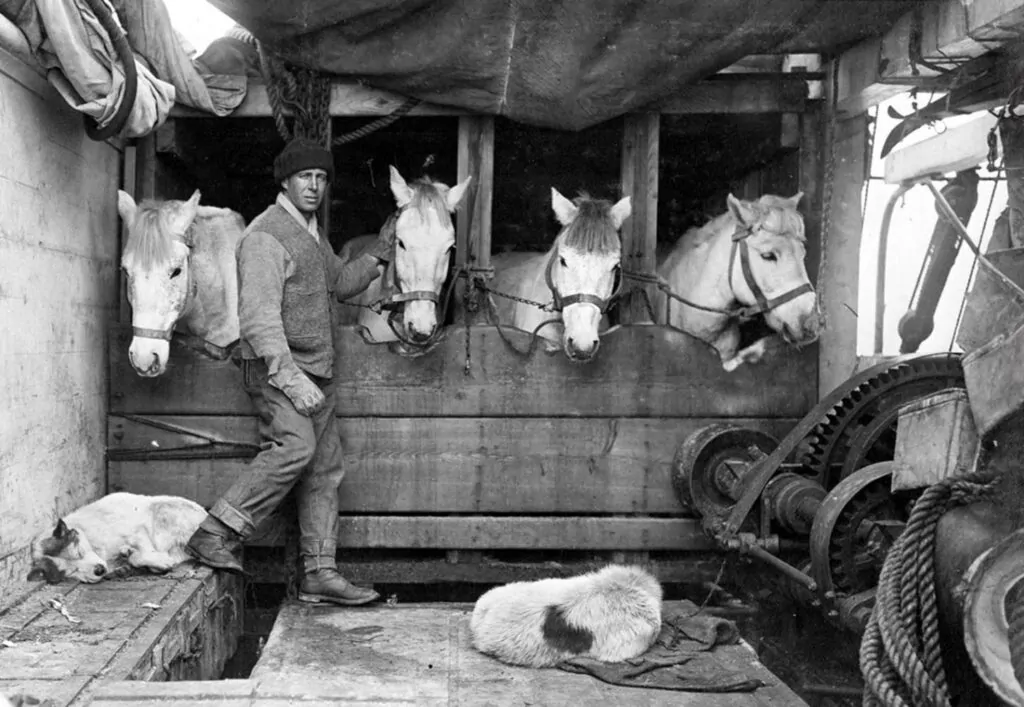
During the British Antarctic Expedition of 1910-1913 Terra Nova became the primary expedition ship, carrying Scott’s team prior to their attempt to reach the South Pole on foot – which they did, but famously failed to make it back.
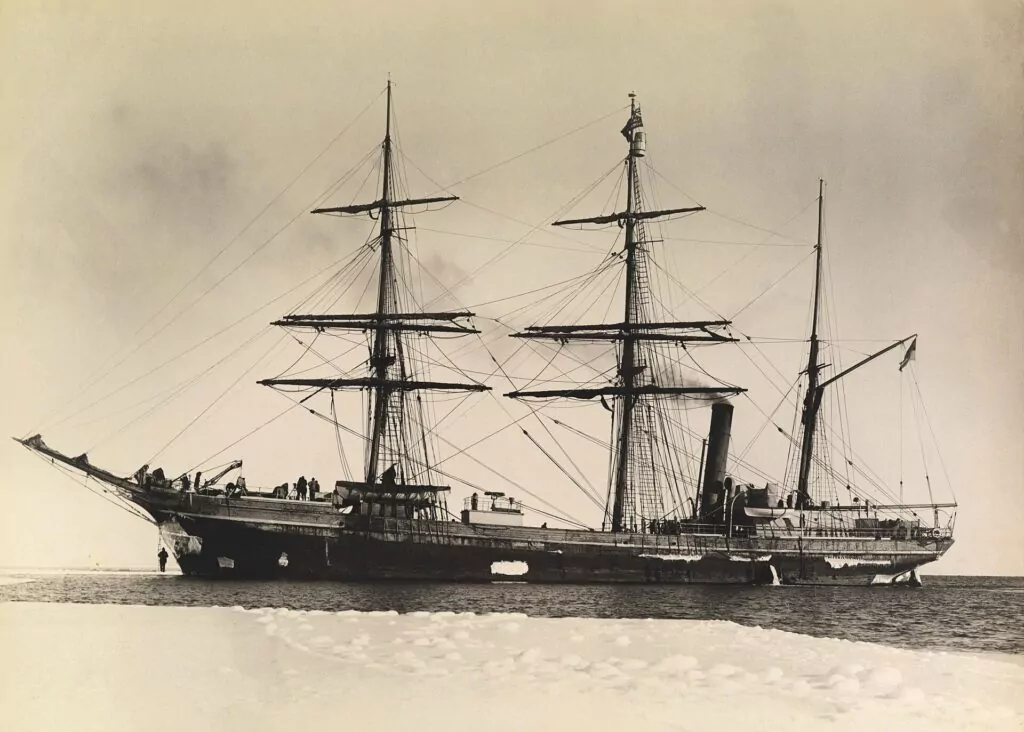
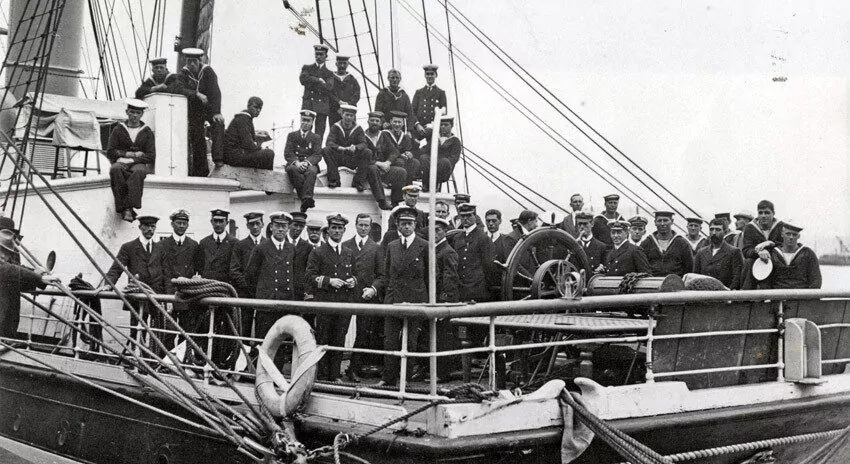
Terra Nova went on to work in the Newfoundland seal fisheries before serving in WW2. She eventually sustained ice damage and sank off Greenland in 1943, after 59 years of rigorous service.
In 2012 the research vessel Falkor, operated by the USA’s Schmidt Ocean Institute, scanned what was presumed to be the wreck on the centenary of Captain Scott’s death.
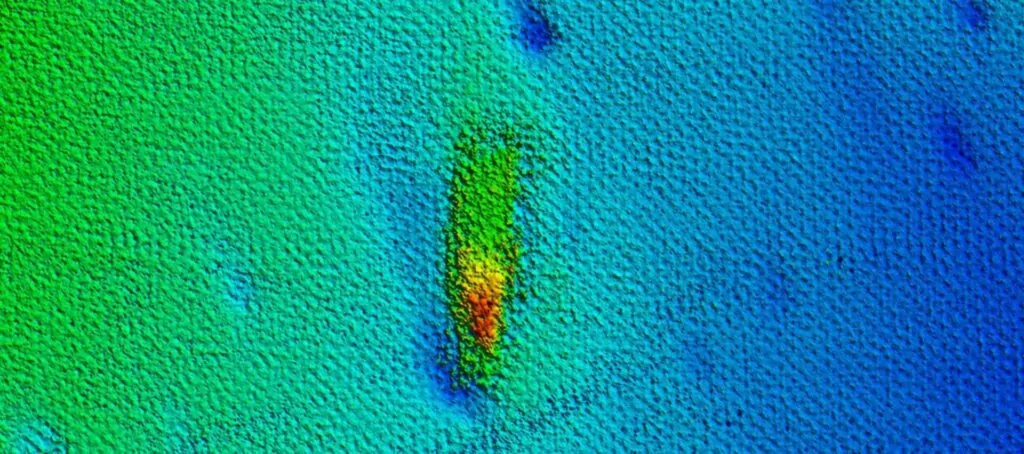
The Legend expedition was effectively the follow-up mission to carry out a detailed visual survey of the site, using advanced underwater technology and a modern submersible.
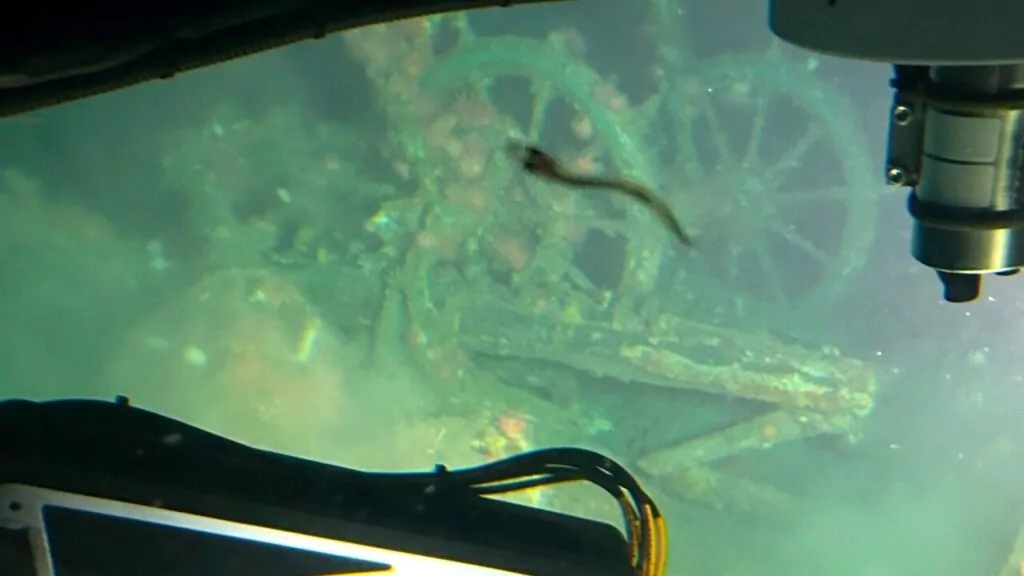
The captured high-resolution imagery was able to confirm the identity of the wreck by revealing key structural features, said Rolley, as well as documenting “a vibrant marine ecosystem, with coldwater corals, anemones and fish thriving on the wreck”.
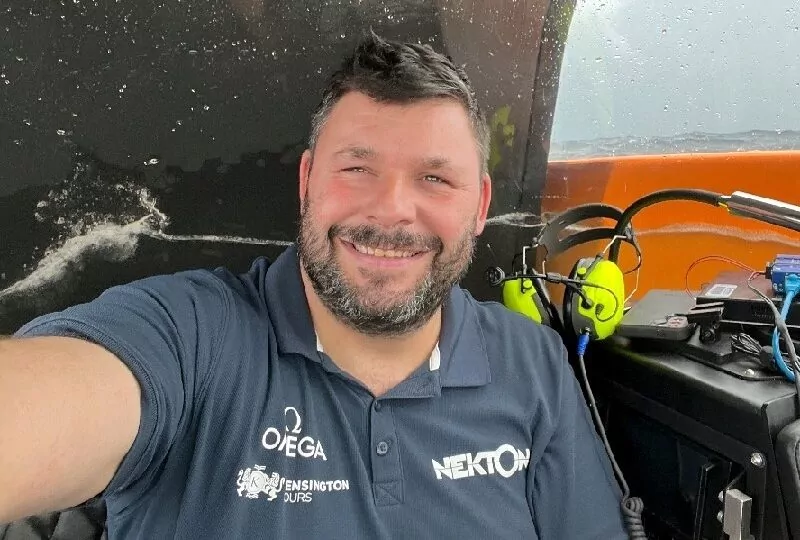
“This dive was the culmination of years of planning, co-ordination and patience,” commented submersible officer Aldo Kuhn. “To be the first to lay eyes on the Terra Nova since it sank 80 years ago was both humbling and exhilarating.
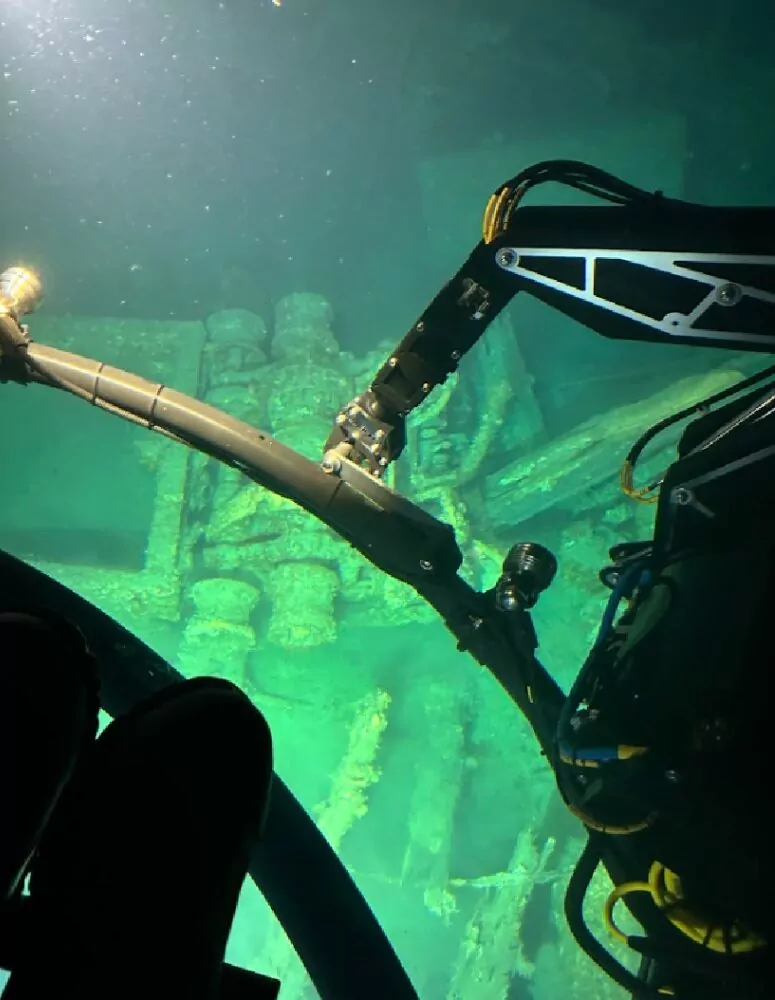
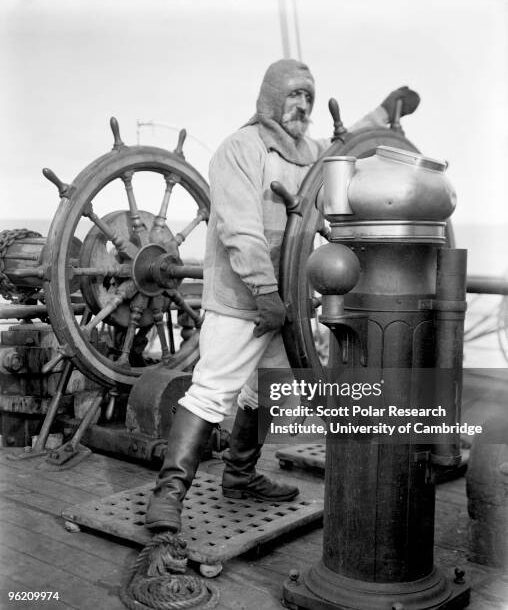
“We surveyed as much of the wreck as possible, from the striking split bow to the scattered remnants of her deck-gear. One of the most powerful moments was discovering the helm station near the stern – a symbolic and moving find.”
The Terra Nova’s crew had been rescued but the survey confirmed the extent of damage sustained by the ship after it had been set alight and finally dispatched by the guns of armed Coast Guard rescue vessels, to prevent her from becoming a floating navigational hazard. Though the bow was split, it was the aft section that appeared to have struck the seabed first.
“This expedition also highlights the exceptional capability of Legend and her crew to operate in remote and challenging environments, combining modern technology with precise execution to achieve a historic result,” said Rolley.
Also on Divernet: DIVING THE ICEBERGS OF GREENLAND, ENDURANCE SHIPWRECK SHOWS ITS ‘TRUE COLOURS’, VIVID ENDURANCE IMAGERY IN TWO-EXPEDITION DOCUMENTARY, QUEST FOR THE QUEST: LOST SHACKLETON BOAT FOUND