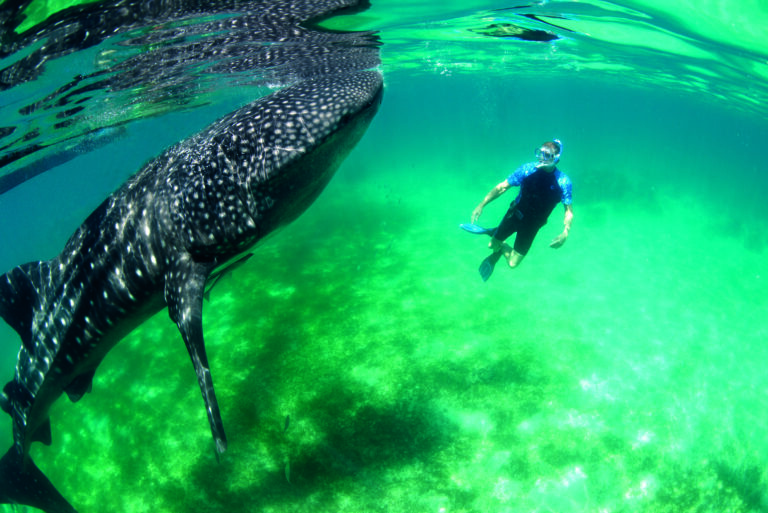
Southeast Asia offers some of the most-superlative diving in the world, and we present a round-up of the top dive destinations within this neck of the woods.
Southeast Asia is world-renowned as being a hotspot for scuba diving, boasting everything from weird-and-wonderful critters and stunning coral gardens to sheer walls, adrenaline-fuelled drifts and dramatic shipwrecks.
With more flights than ever accessing this part of the planet from wherever you live, there has never been a better time to sample some of the best Indo-Pacific diving you are ever going to experience.
Over the following pages you will find a brief overview of several of the top destinations within this region, with information about some of the top dive sites you have to put on your ‘must-dive’ list.
Thailand

Thailand – or officially, the Kingdom of Thailand – is a country located at the centre of Southeast Asia. It is bordered to the north by Burma and Laos, to the east by Laos and Cambodia, to the south by the Gulf of Thailand and Malaysia, and to the west by the Andaman Sea and the southern extremity of Burma. Its maritime boundaries include Vietnam in the Gulf of Thailand to the southeast and Indonesia and India in the Andaman Sea to the southwest.
Thailand is blessed with gorgeous weather, fantastic beaches, and great diving just a few kilometres from an action-packed shoreline.

Phuket, Khao Lak, Phi Phi Islands and Ao Nang Beach on Krabi are the best resort areas for a Thailand diving holiday, offering plenty for non-divers to do as well. Phuket is best placed to serve the whole region, and is particularly popular with party-goers, while Khao Lak is ideally placed to focus on the northern Thai Andaman Sea. Ao Nang is set on the peaceful and spectacularly beautiful Krabi coastline across Phang Nga Bay, and Phi Phi’s magic draws sunseekers and travellers for the beaches and a slice of island-life.
The Bidah Islands are suitable for all levels of experience. Schools of fish hang out in the blue and also cover the beautiful reefs, ranging from giant barracuda to trevally to yellow snapper. Reef sharks, leopard sharks, stingrays, moray, seahorse, ghost pipefish and so much more inhabit the waters as well.
Shark Point, near Phuket, is actually three pinnacles, two of which are submerged, and they all boast beautiful corals covering the entire reef and a very diverse marine life. This dive site is great for both experienced and new divers, and photographers will love it. Eagle rays and whalesharks have been spotted here from time to time, and leopard sharks are a common sight. If you are lucky you can spend your safety stop with them swimming around you!
Sea Anemone Reef is a huge limestone pinnacle that rises 30m up from the seafloor to just beneath the surface. This barely submerged reef is a well-known shipping hazard and is located less than a mile north of Shark Point. Vast swathes of sea anemones cling to every conceivable surface and as they move with the current, it creates an illusion that the entire structure is one giant living rock. The pinnacle is always surrounded by enormous schools of tropical fish, snapper and grouper, plus the odd pelagic like tuna and barracuda.
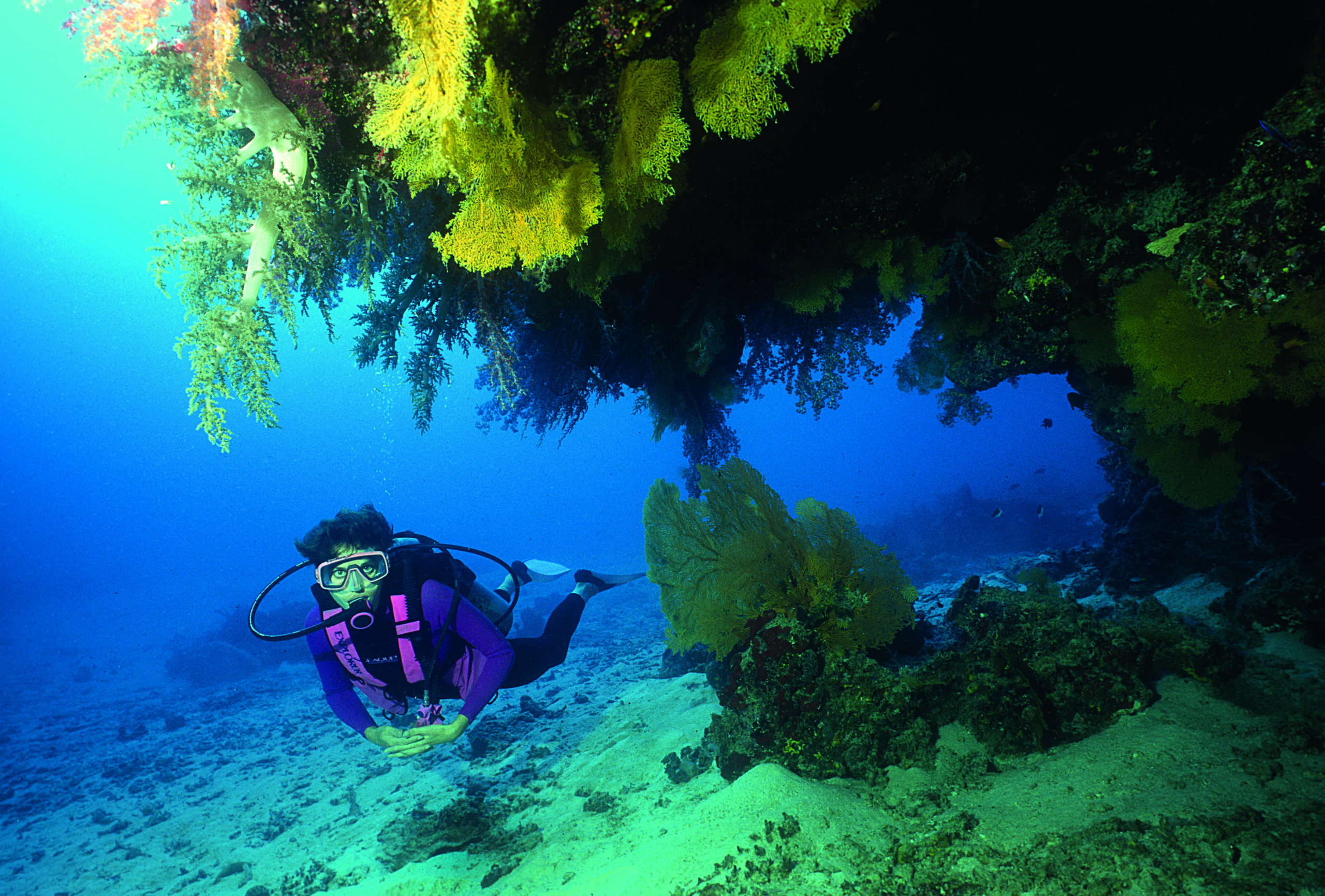
The area gained a decent wreck dive on 4 May 1997 when the 85-metre passenger ferry King Cruiser strayed off course while enroute to the Phi-Phi Islands and hit Anemone Reef. This unplanned addition to Anemone Reef rapidly became one of the area’s most-popular dive sites. Sat in a depth of 30m, and rising in places to 12m, the King Cruiser offers multiple decks to explore, and is smothered in marine growth, as well as many scorpionfish and lionfish.
One of the biggest draw-cards in Thailand are the liveaboards cruising around world-class dive sites in the Similans, Burma and Hin Daeng.
The picturesque Similan Islands are the most-popular destination, with superb underwater scenery and excellent visibility in its aquamarine waters. Huge deep water boulder formations create daring swim-throughs, as well as providing dramatic back-drops to its vibrant coral gardens and reef slopes. You can dive here by liveaboard or diving day tours.
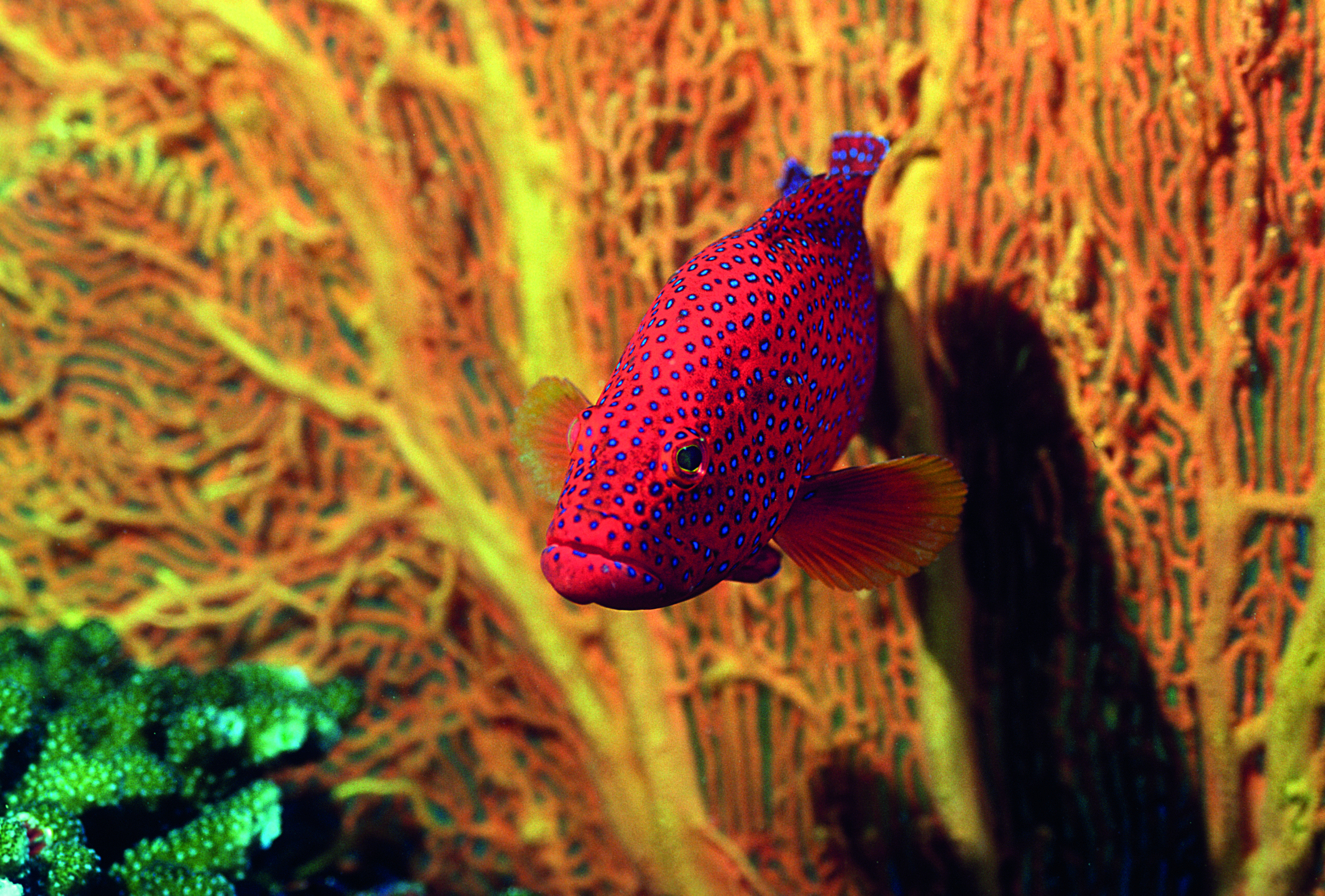
The world-famous Richelieu Rock is perhaps Thailand’s most well-known site, and it is known as a place to dive with whalesharks. Jacques-Yves Cousteau listed the site in his top ten list of the world’s best dives. Koh Bon and Koh Tachai are great for manta rays and whitetip reef shark encounters.
Hin Daeng off Hin Muang is your best chance to see grey reef sharks, patrolling the walls. Besides that, it’s also the second home in the Andaman Sea for whalesharks and mantas. Dive Hin Daeng and you’ll experience the excitement of diving Thailand’s highest vertical wall. Nearby caves and caverns add to the thrill of adventure.
Koh Samui is the ideal base for exploring the dive sites on the Gulf of Thailand. The diving may not be quite as varied as Phuket and the Similan Islands, but there are some very good dive sites around Samui and Koh Tao, which can be combined with a stay at one of Samui’s excellent resorts.

You can dive Thailand all year round. The best conditions exist from November to April, with whalesharks visiting from February to May, and manta rays all year round.
Late-May to October brings monsoon winds and surface swells to the Andaman Sea, making some remote sites, such as Richelieu Rock and Hin Daeng, inaccessible and reducing visibility in general by about 30 per cent at the open dive sites. October can also see heavy rains in the Andaman Sea.
Malaysia
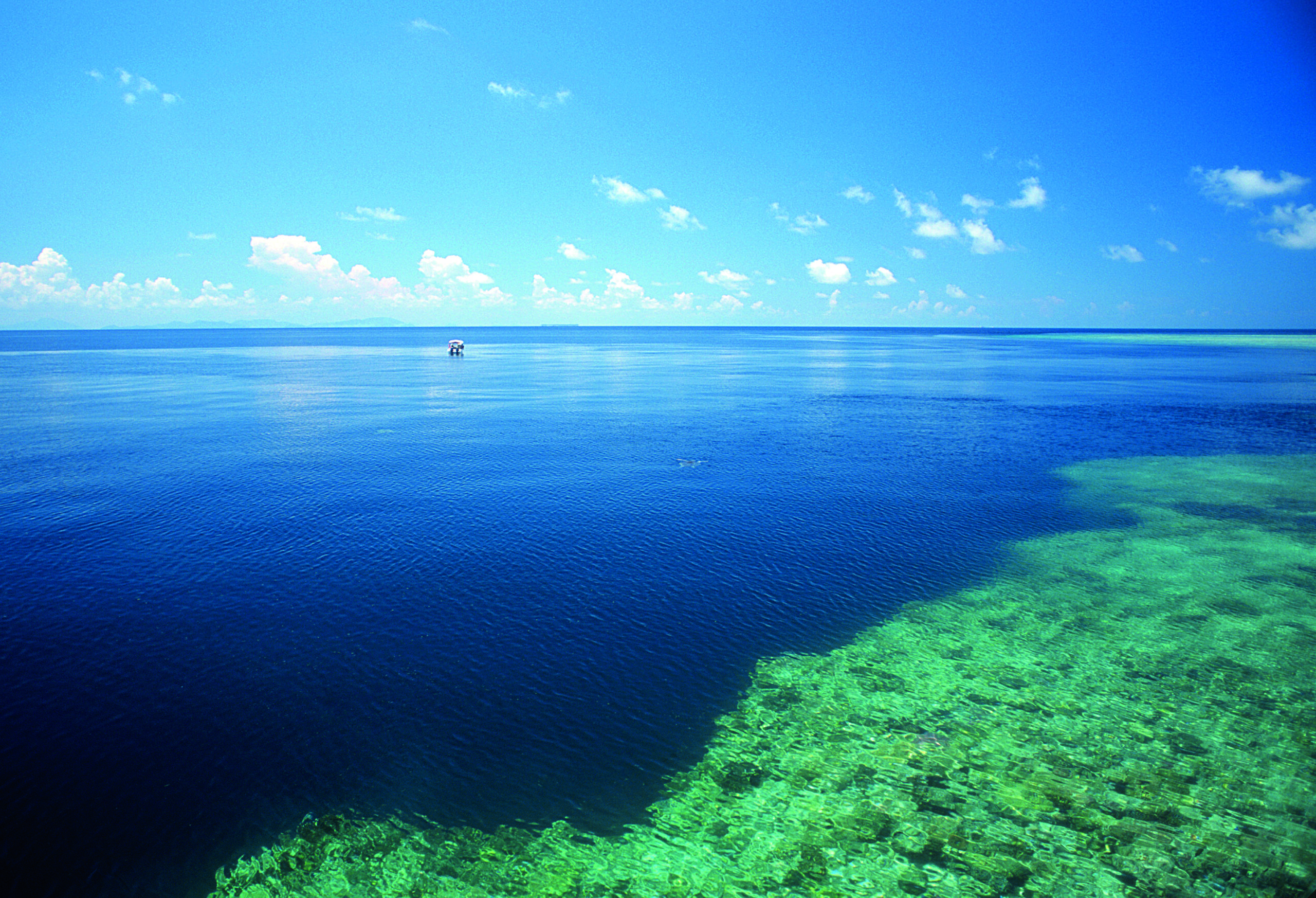
Malaysia is a federal constitutional monarchy that consists of 13 states and three federal territories and has a total landmass of 329,847 square kilometres. It is separated by the South China Sea into two regions, Peninsular Malaysia and Malaysian Borneo (also known as West and East Malaysia respectively). Land borders are shared with Thailand, Indonesia and Brunei, and maritime borders exist with Singapore, Vietnam and the Philippines. Peninsular Malaysia is connected to Singapore via two bridges, one which transports traffic and water, and a second link just for traffic.
Malaysia plays host to an amazingly diverse range of scuba destinations teeming with marine life. From diving on sheer walls and in the company of more turtles than you can imagine in Sipadan, to the pristine coral atoll and hammerhead sharks in Layang Layang. You can find migrating whalesharks around Lankayan and macro diving in Mabul and Kapalai islands, to name just a few of the spectacular opportunities available. Mataking Island, located fairly close to Sipadan, is becoming a new diving hotspot, and with 25 great dive sites all less than 15 minutes away, there is something for everyone’s taste.

A staff favourite is the Turtle Playground, a drift dive on a sloping reef wall from 5m-60m plus that puts you face to face with both green and hawksbill turtles. Many of the Malaysian dive resorts are situated on the islands of Sabah, which are fringed with epic sand beaches and coconut trees – a beautiful setting to complement the excellent diving.
The Scuba Junkie House Reef off Mabul Island life ranges in depth from 2m-20m, yet it is arguably Mabul’s best dive site. There are so many unusual critters here, even the most-experienced of divers will be amazed. It is common to see rhinopia, mandarinfish, wonderpus, frogfish and seahorses on most dives. However, don’t be surprised to see a manta or an eagle ray swimming over your dive buddy’s bubbles!
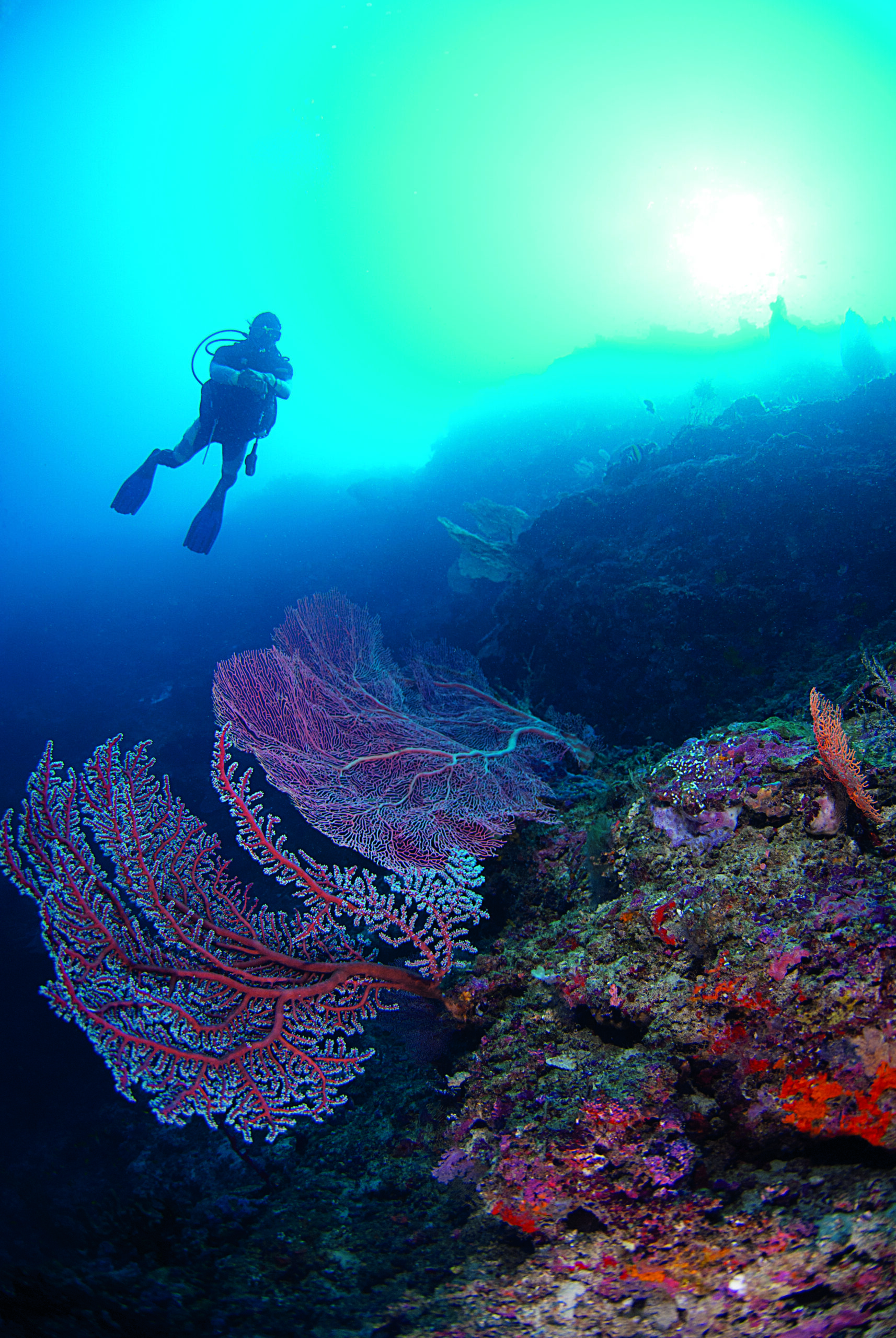
Third Beach, off Si Amil Island, Sabah, has only recently been discovered and is already becoming a world-renowned dive site. At Third Beach you start the dive at the top of a pristine coral reef that slopes from 5m-30m, and here you will see pristine soft and hard coral and lots of whip coral with xeno crabs. Among the coral it is a macro heaven, with weedy rhinopia, Ambon scorpionfish, thorny seahorse and flamboyant cuttlefish seen most of the time. At 30m you hit a sandy slope that is often visited by devil rays.
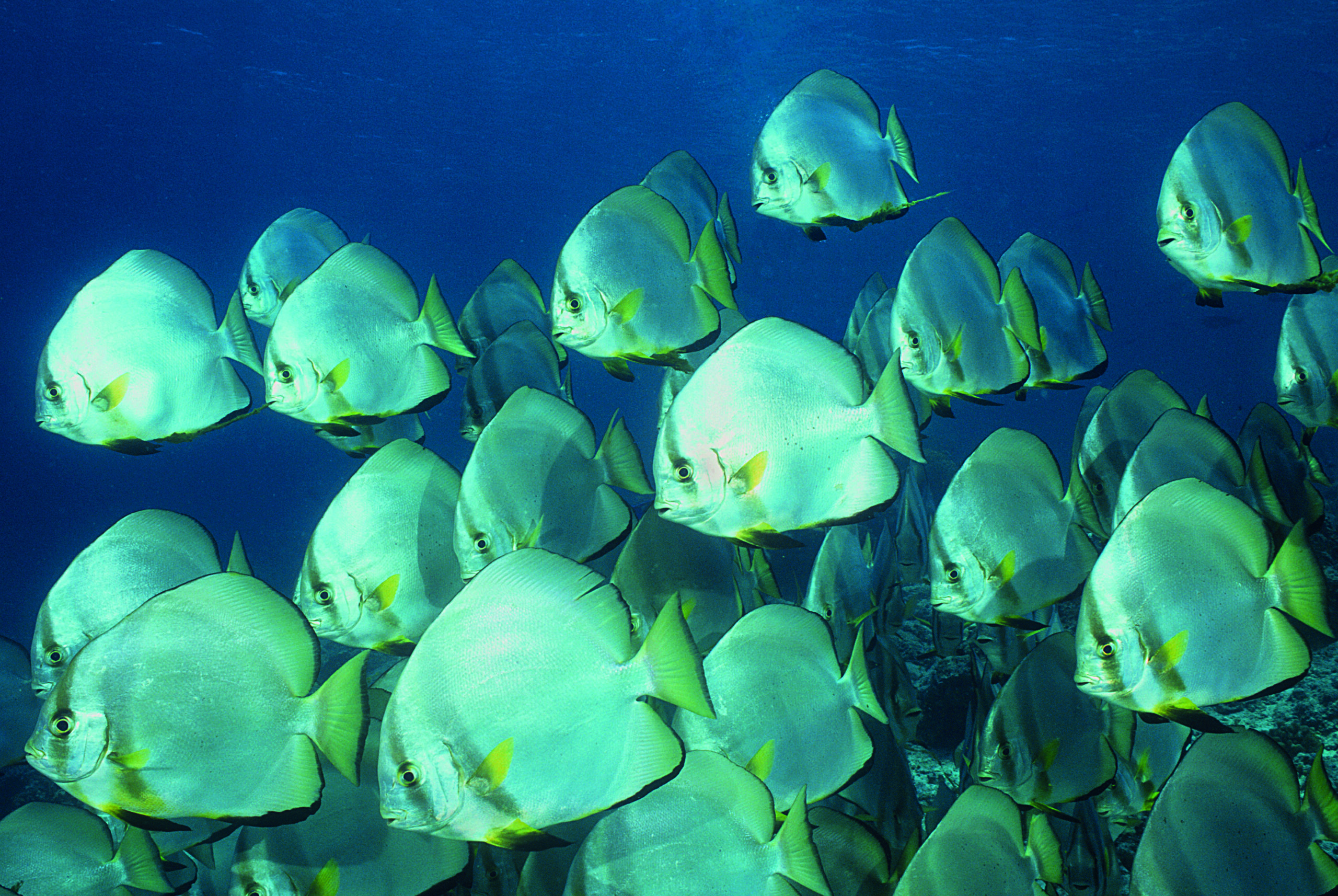
Manta Point, on the Borneo Barrier Reef, Sabah, is the point where the continental shelf starts and is just a stone’s throw from Sipadan. The dive starts in a shallow sloping coral reef full of unusual critters, then from around 15m-30m there is a sandy sloping reef that attracts many different species of rays. At 30m you hit another reef and some interesting overhangs that disappear into the blue. Venture into the blue yourself and don’t be surprised to be met by large pelagics such as sharks, tuna and large manta rays.
The Philippines
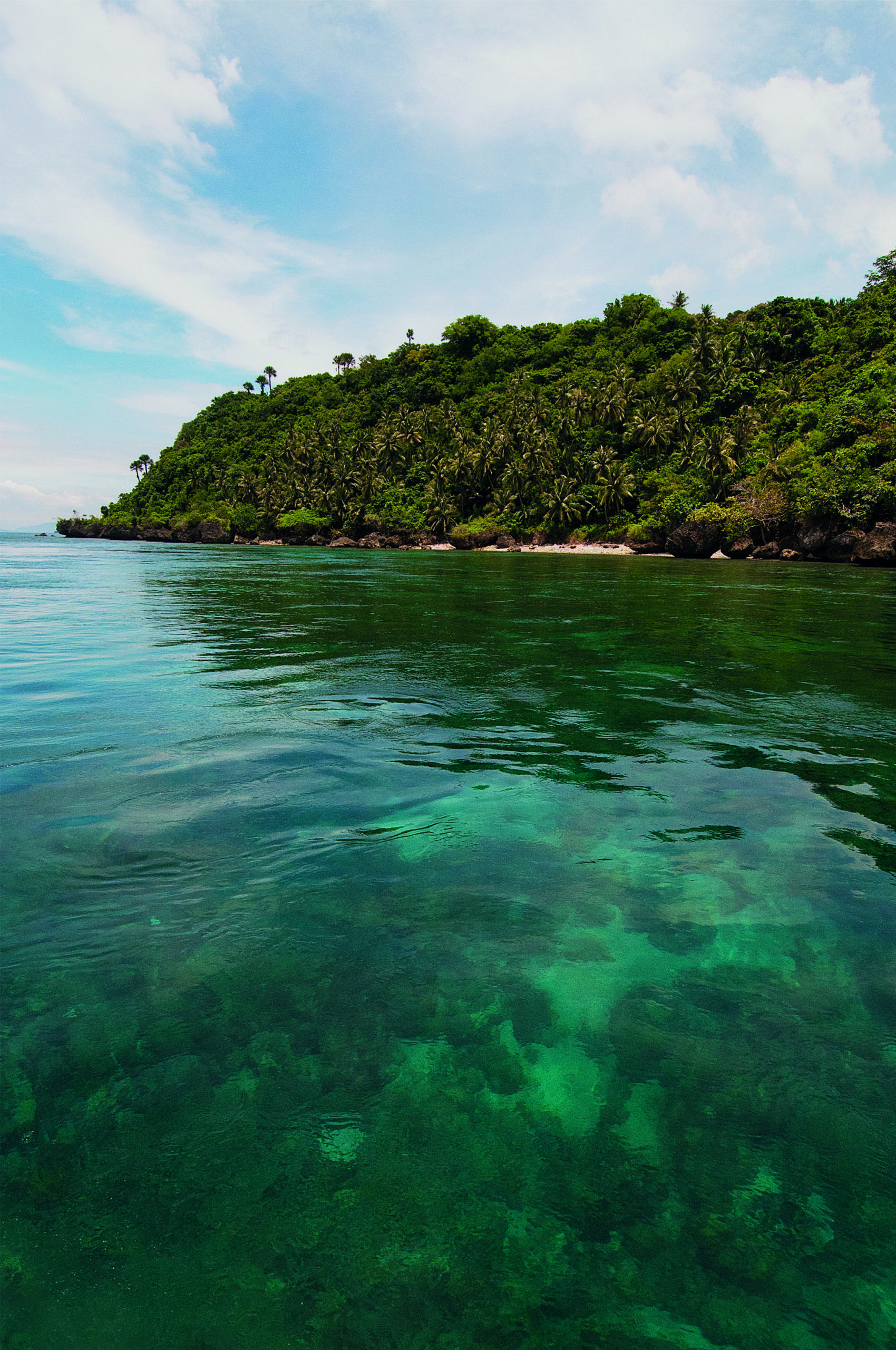
The Philippines, officially known as the Republic of the Philippines, is located in the western Pacific Ocean. To its north across the Luzon Strait lies Taiwan. West across the South China Sea sits Vietnam. The Sulu Sea to the southwest lies between the country and the island life of Borneo, and to the south the Celebes Sea separates it from the other islands of Indonesia. It is bounded on the east by the Philippine Sea. An archipelago comprising 7,107 islands, the Philippines is categorised broadly into three main geographical divisions: Luzon, Visayas, and Mindanao.
There are diving opportunities throughout the Philippines, from quiet spots like Cabilao and Anilao to tourist hotspots like Boracay, Puerto Galera and Alona Beach, not to mention the world-class sites off Dumaguete, Moalboal, the whalesharks of Donsol and the World War Two shipwrecks of Coron Bay and Subic Bay.
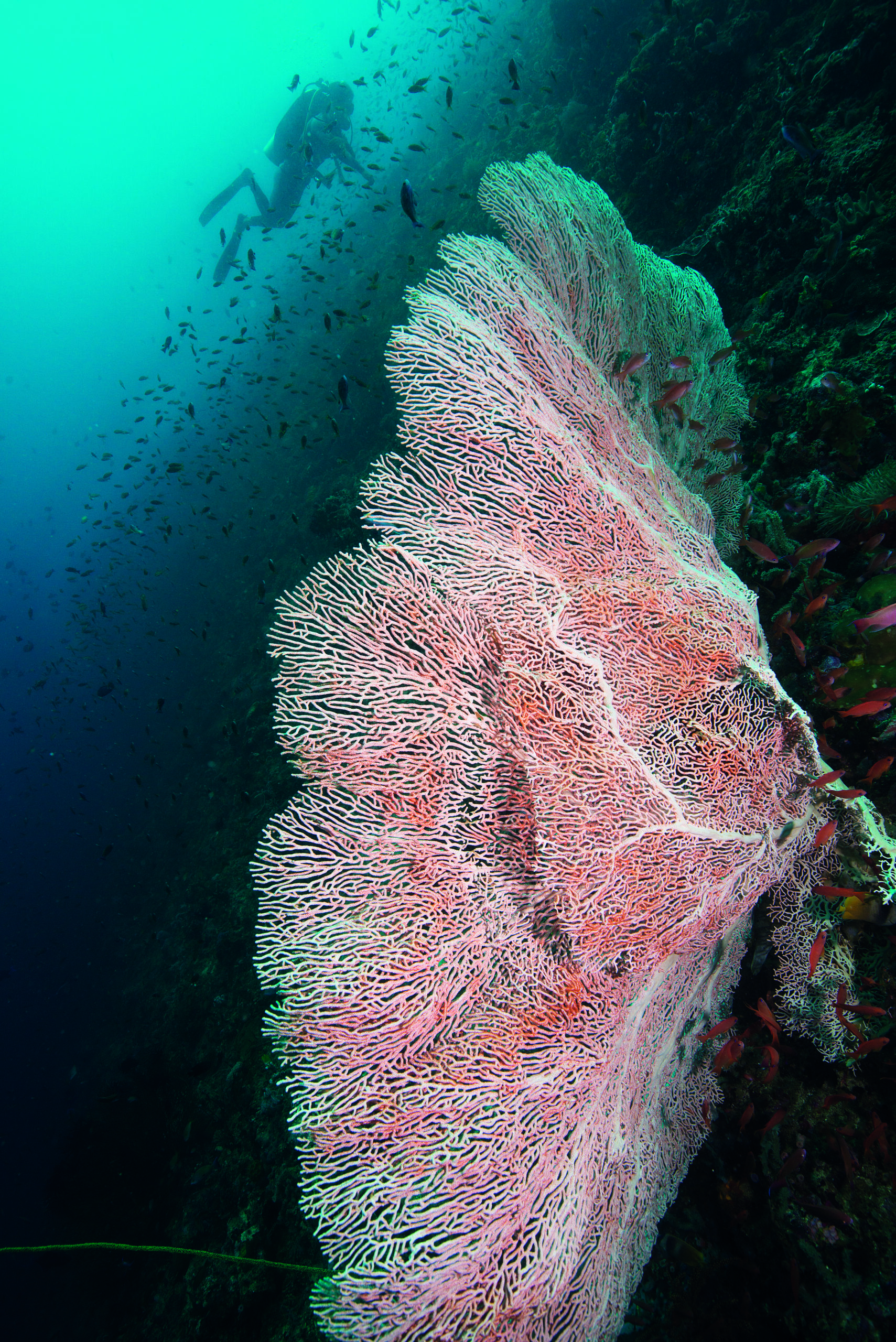
One of Balicasag Island’s best dives is the Black Forest, which ranges from 10m-40m. This is one of the only places you can find black coral at a shallow 30m. An enormous variety of trevally, barracuda, grouper and sweetlips swarm around this site, and you can see why it is one of the top dive sites in the Philippines. The surface interval is even better – just sit back and watch as turtle after turtle pop their heads up to take a look at you!
Wall Street, in Tubbataha, drops to 100m, and with huge barrel sponges, gorgonians galore, whitetips cruising, nurse sharks sleeping and mantas barrel rolling, this is a fantastic dive. Slow down for the critters on the wall, don’t just look for the big stuff in the blue.

Some 45 minutes from Puerto Galera, you have Verde Island, which has depths ranging from just a few metres to over 150m. The tip of this underwater ‘mountain’ protrudes a metre or so above the ocean surface. Hiding below is a spectacular wall dive. Thousands upon thousands of blue triggerfish, interspersed with sweetlips, big-eye trevally, golden trevally, fusiliers and anthias, provide a riot of colour. Miss this and you won’t forgive yourself!
Off Malapascua, Monad Shoal is an underwater island on the edge of a 200m drop-off, and the Shark Point site is famous as the only place in the world where the magnificent thresher sharks can be seen everyday. Giant manta rays are a common sight year round and the shoal attracts other pelagics, such as devil rays and hammerheads.
The Dona Marilyn wreck is said to be one of the best wrecks in the Central Philippines. It was a Cebu-Manila passenger ferry that sank in a typhoon over 20 years ago. It lies intact on its starboard side in 32m and is around 100 metres long. It is covered in plentiful soft coral and abundant marine life. The Dona is usually dived on a day trip combined with nearby Gato Island, one of Malapascua’s best dive sites.
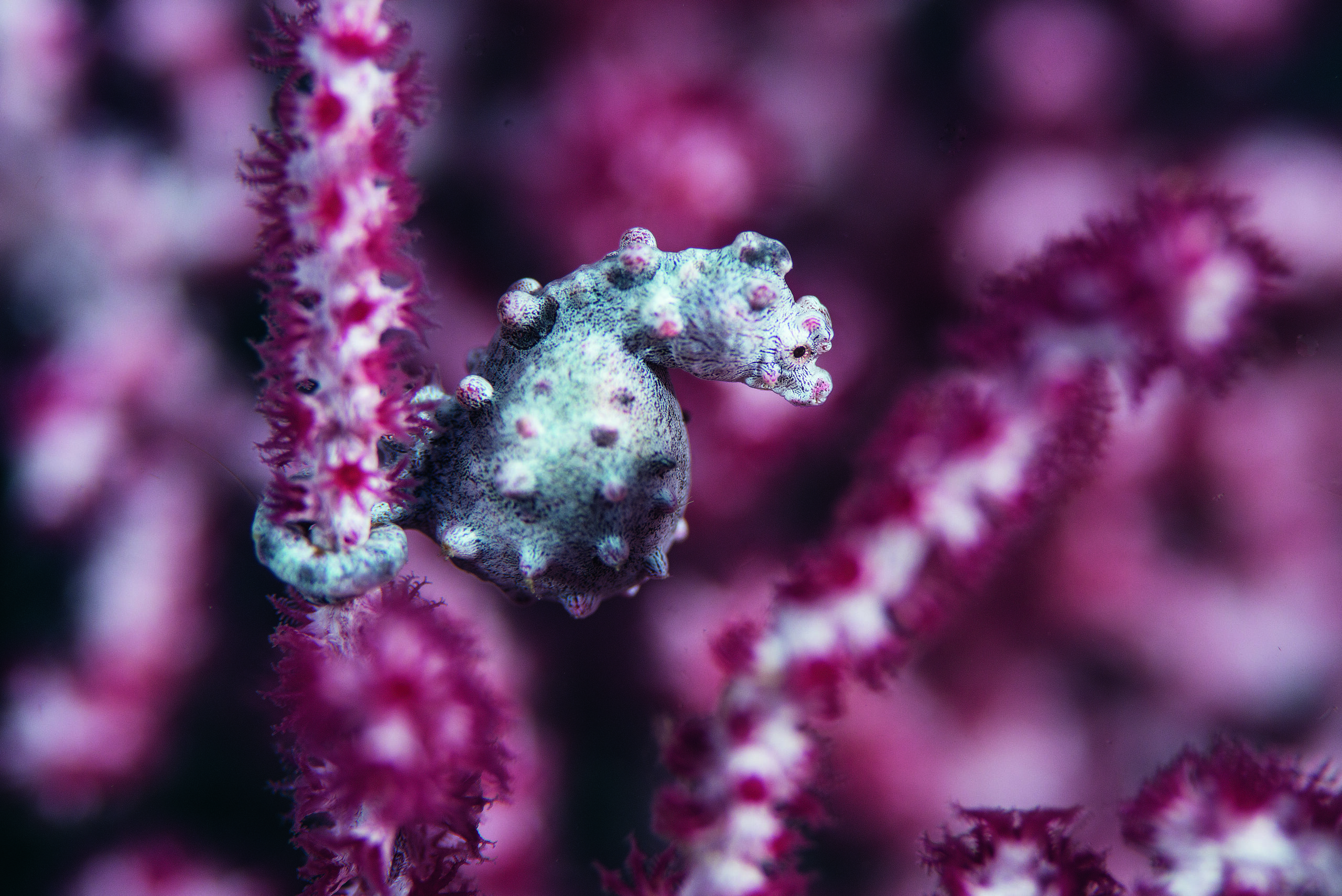
It has at least five dive sites with a huge diversity of marine life: huge whitetip sharks, sea snakes, cuttlefish (often while mating), pygmy and larger seahorses, nudibranchs, frogfish, scorpionfish, porcupinefish, and smashing mantis shrimp. The coral is in good condition and the rocky island has many interesting underwater rock formations, including a 30-metre tunnel under the island.
Indonesia

Indonesia, officially the Republic of Indonesia, is the world’s largest archipelago and comprises a staggering 17,508 islands and 33 provinces. The vast country shares land borders with Papua New Guinea, East Timor, and Malaysia. Other neighbouring countries include Singapore, Philippines, Australia, and the Indian territory of the Andaman and Nicobar Islands.
Indonesia is home to ten to 15 per cent of the world’s coral reefs, so as you can imagine it has some of the most-impressive diving sites out there. About 4,000 different species of fish are found in Indonesian waters (that is over 25 per cent of the planet’s fish species), as well as numerous invertebrates.
Given the enormous size of the country, as you can imagine, there are top dive destinations throughout the islands.
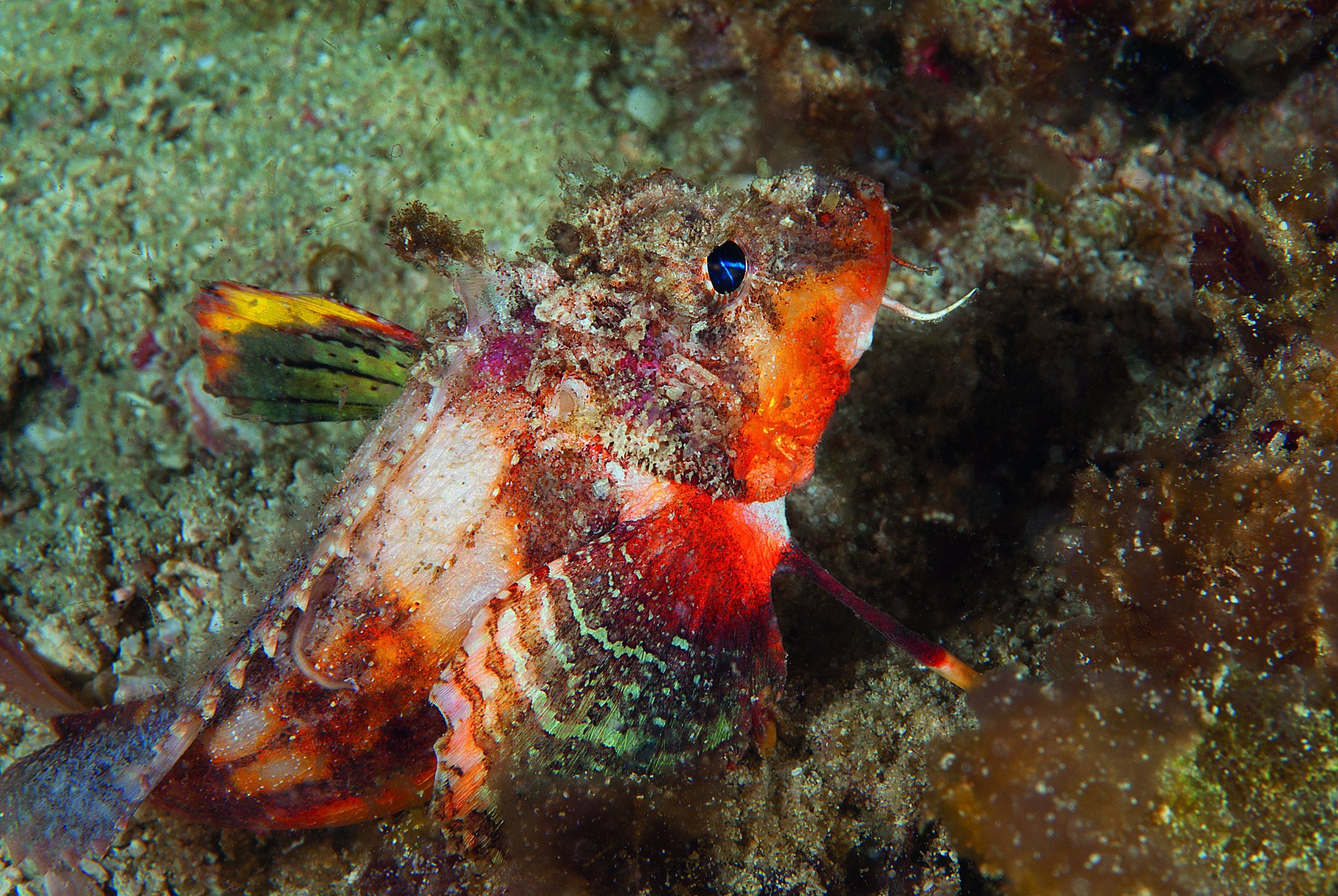
Liveaboards can take you through the Banda Sea – rapidly gaining a reputation for great diving – to the critters of Ambon and to Komodo, world-famous for its ‘dragons’, but also a fantastic location to dive. Diving from a boat is also the best way to access Raja Ampat, widely regarded by many as the best diving area in the whole of Southeast Asia.
But you don’t have to earn your sea legs to see the best of Indonesia, there are many land-based resorts offering fantastic diving just minutes from their dock. North Sulawesi is home to two very different, but equally intoxicating, diving areas – the Bunaken Marine Park and the Lembeh Strait. Bunaken offers sheer walls, fast drifts and encounters with sea snakes, sharks and rays, while Lembeh is the birthplace of ‘muck diving’ and the habitat of all sorts of weird and wonderful critters.
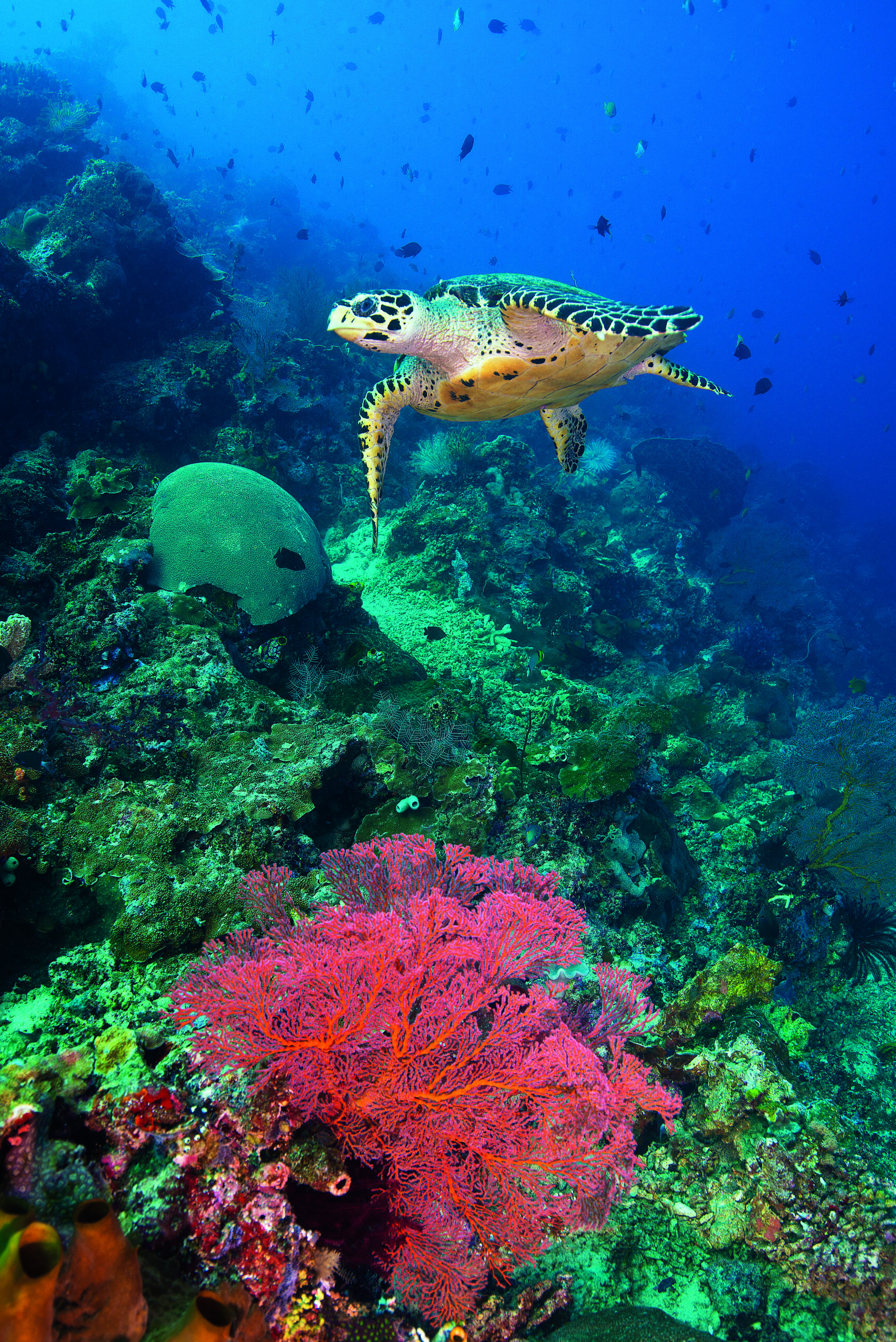
Then you have Bali, which boasts a world-class wreck in the shape of the Liberty, off Tulamben, as well as the chance to dive with mola mola and manta rays.
Conclusion

Southeast-Asia is home to myriad dive sites scattered through several countries, and each has its own unique charms. Whether you are a novice diver, an experienced veteran, or somewhere inbetween, you will find much to keep you enthralled underwater, and with so many options to choose from, you could keep going back to the region time after time and not visit the same place twice.
Photographs by Al Hornsby
FAQ:
What are the best diving destinations in Southeast Asia?
Southeast Asia is home to world-class diving, including Thailand’s Similan Islands, Malaysia’s Sipadan, the Philippines’ Tubbataha Reef, and Indonesia’s Raja Ampat.
When is the best time to dive in Southeast Asia?
November to April generally offers the best conditions across the region, with whale shark season in Thailand from February to May, though diving is available year-round.
Which marine life can you see in Southeast Asia?
Divers can encounter whale sharks, manta rays, thresher sharks, turtles, pygmy seahorses, hammerheads, and countless critters across coral reefs, walls, and wrecks.
Do you need to be an experienced diver to enjoy Southeast Asia?
No, Southeast Asia caters to all levels. Beginners can enjoy shallow reefs and wrecks, while advanced divers can explore drift dives, deep walls, and technical wrecks.
Are liveaboards popular in Southeast Asia?
Yes, liveaboards are especially popular in Indonesia, Thailand, and the Philippines, giving divers access to remote sites like Raja Ampat, the Similans, and Tubbataha.
This article was originally published in Scuba Diver Magazine
Subscribe today with promo code DIVE1 — enjoy 12 months for just £1!