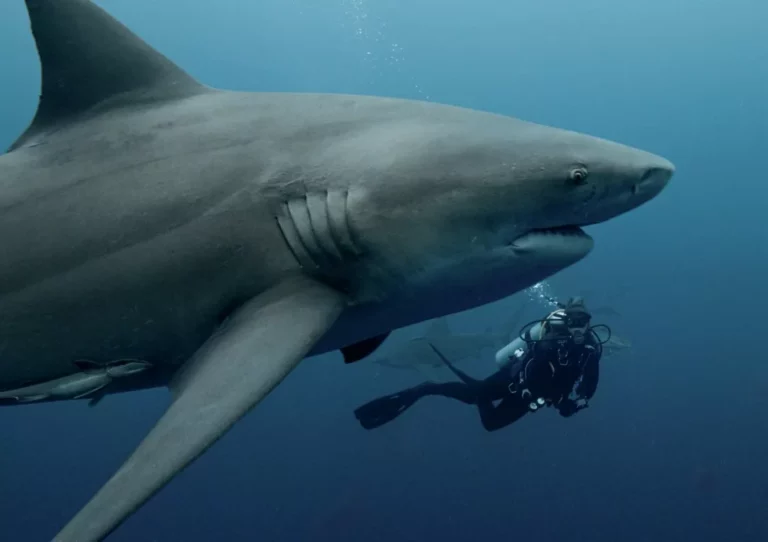
Photographs courtesy of Lizzie Daly or as credited
We chat to TV presenter, film-maker and scientist Lizzie Daly about her extremely varied life and career, which has seen her appear on the likes of BBC’s The One Show and National Geographic’s Meet the Expert, venture on expedition into the Arctic Circle, and explore the Amazon, while getting a degree and Masters and studying a part-time PhD
Q: As we always do with these Questions and Answer sessions, how did you first get into scuba diving?
A: So I first learned how to dive actually not that long ago – it was probably only around ten years ago. My cousin was a diving instructor out in Roatan, so I had the absolutely privilege of being able to dive in beautiful warm waters and learn everything I needed to know – I was pretty much hooked from the beginning.
I started to film quite early on straight after my qualification and I loved it so much that I knew I want to become more competent and get out into cold water, which is how I’ve had most experience in water, and I learned my HSE Scuba in the UK and have loved it ever since.

Q: One of your most-recent forays on to TV for diving was in the Love Nature series Deep Dive Australia, which saw you travel around the coastline Down Under and dive with the diverse marine life found in those waters. What was it like filming this series?
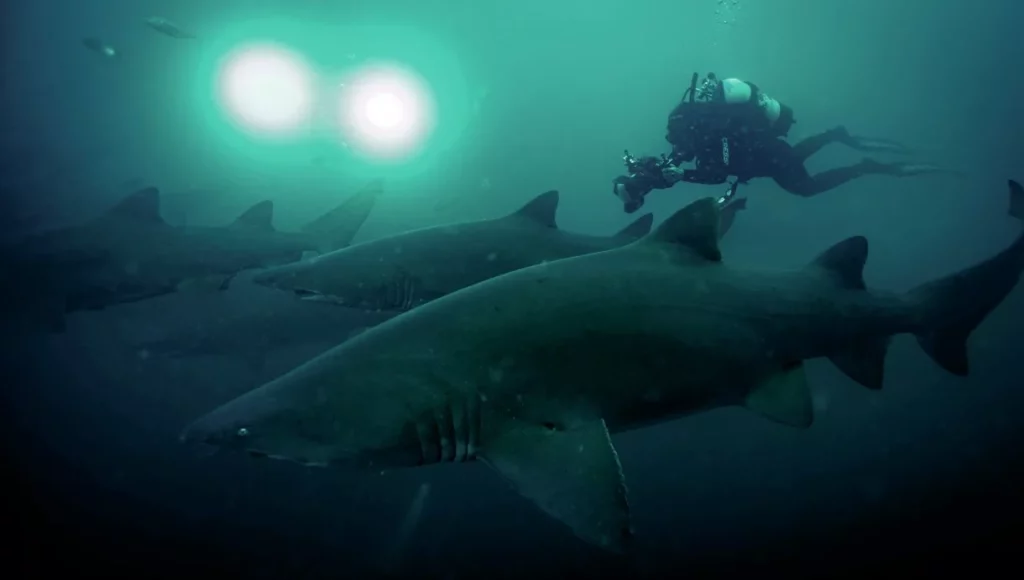
A: Filming Deep Dive Australia was a phenomenal experience because we essentially circumnavigated the whole of Australia in search of marine encounters and wildlife and conservation stories with impact. So that involved diving on the east with grey nurse sharks, being in the water with jellyfish, and on the Great Barrier Reef and the Ningaloo Reef.
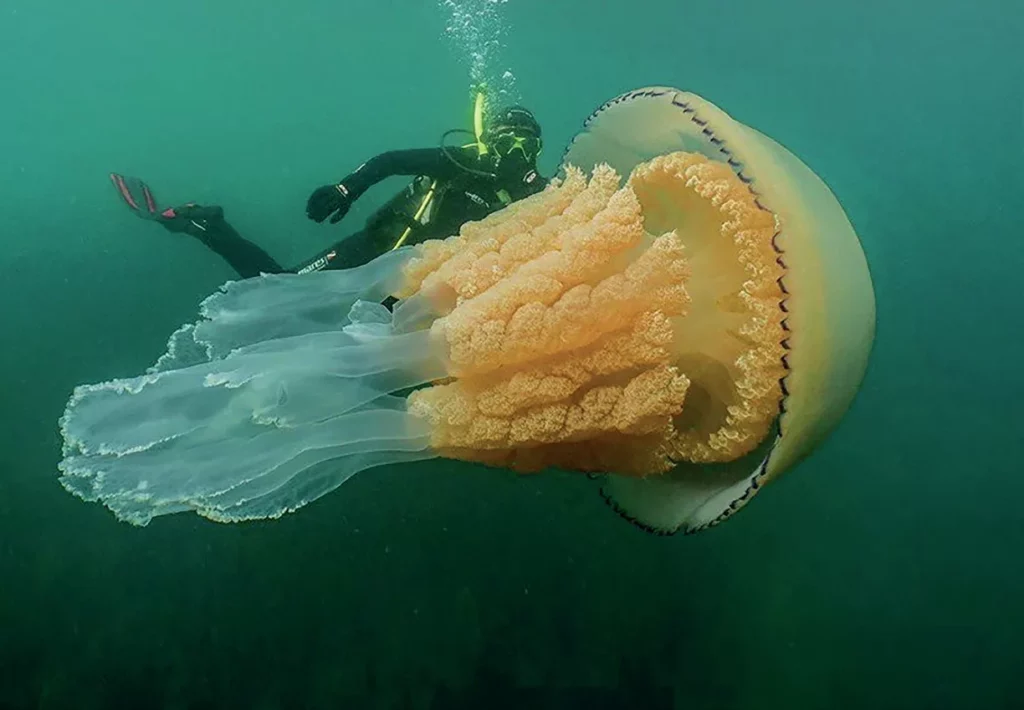
I also spent quite a lot of time on the water as well as diving. So yes, it was a real experience for me to kind of bring to life some of our biggest and best marine species.
As a result, we ended up filming Deep Dive North America, which we finished last year and which went out this year. That was equally as fabulous. I got to do lots of diving there, over in Alaska, and in the crystal-clear waters of British Columbia.
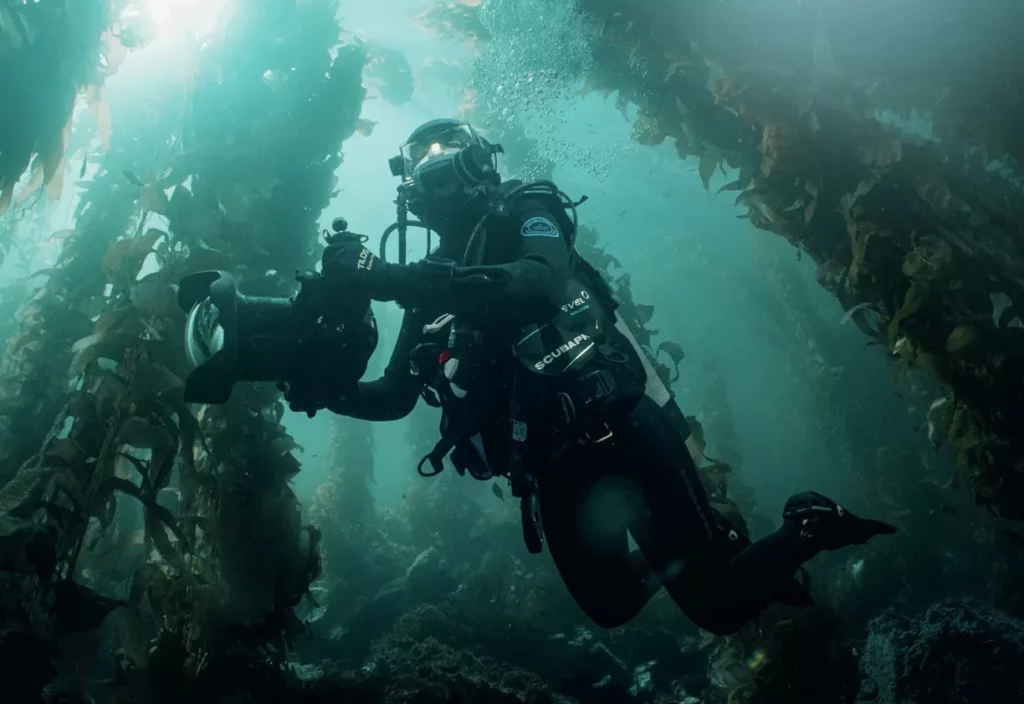
“Filming Deep Dive Australia was a phenomenal experience because we essentially circumnavigated the whole of Australia in search of marine encounters and wildlife and conservation stories with impact”
Q: As well as appearing in front of the camera as a presenter, you are also a celebrated film-maker and photographer, shooting topside, with drones, and underwater. Which do you prefer – being in front of the camera, or behind it?
A: I love being in front of camera because, you know, in the moment if you get a blue whale, surfacing next to you, or you get to see a jaguar walk down a beach, there’s no better feeling than being able to kind of express that excitement and share that excitement with who will eventually be the viewer in that moment. That’s what has always driven me into this line of work, into storytelling, in wanting to share it with others, wanting to kind of bring to life these experiences and do that through programming. So I do love that. But I have to say, working behind the camera is a lot of fun. I get to use lots of cool tools and toys, and it gives me, I guess, a different perspective as well. Like I learn a lot about what it is to build a story, how technology can be used to transform and document stories around the wildlife.
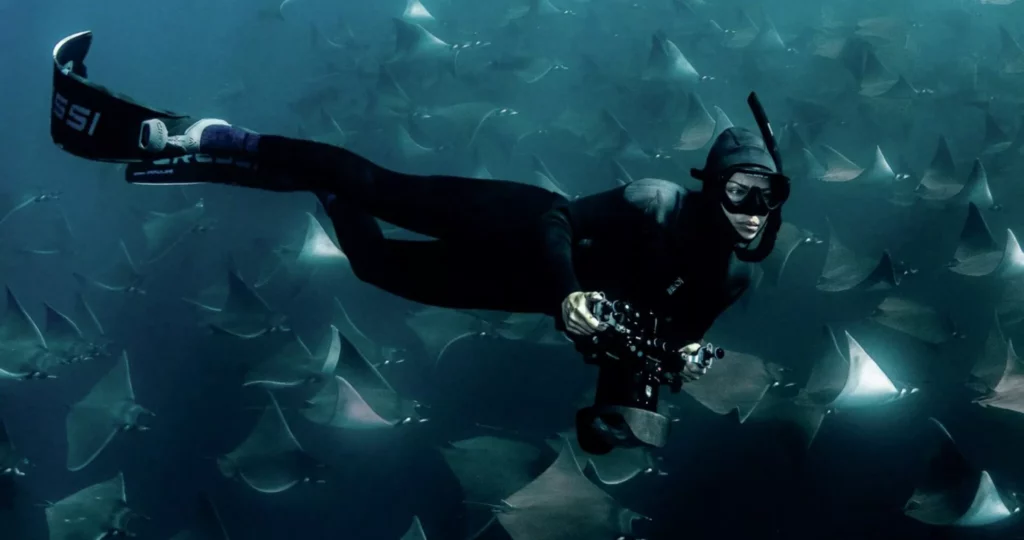
So yes, I love them both. I don’t think I could choose one or the other. Probably presenting, as that’s kind of my main job. But I always prefer to have some kind of trick up my sleeve to help me along the way.
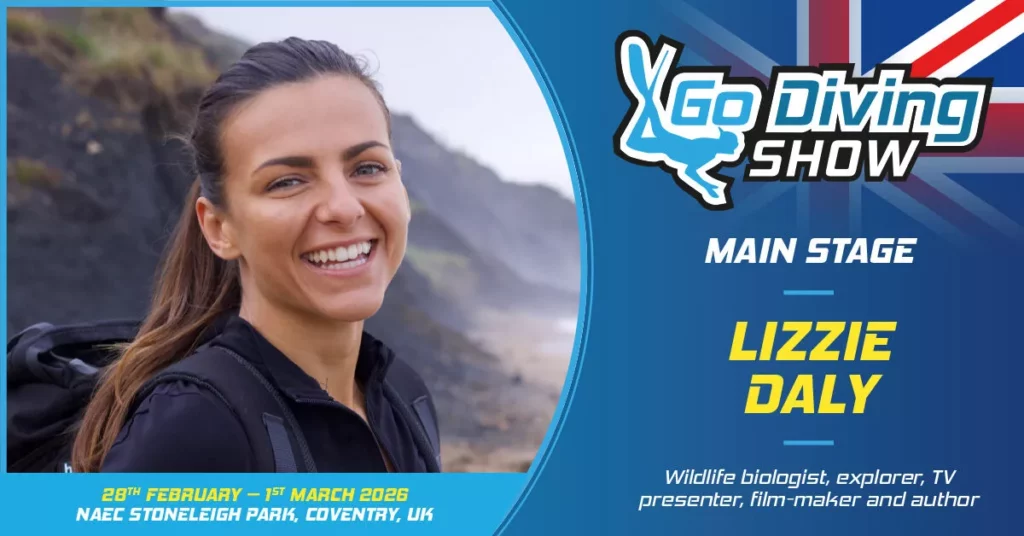
See Lizzie live!
Lizzie Daly recently headlined the Main Stage at the GO Diving Show 2026 at NAEC Stoneleigh, where she shared her experiences in wildlife filmmaking and marine conservation with the diving community.
Q: You have been to some remote locations, including the Arctic Circle and the Amazon. Describe some of the biggest challenges involved with filming/presenting in such places.
A: Filming in remote places is a lot of fun. I think some of the biggest things you have to overcome is probably the harshest environment, which I’d say is rainforest. So the combination of humidity and just everything being constantly wet, like in the Amazon rainforest – that is a sure way to break tech, to break kit, and to exhaust you. But challenges include just kind of managing injuries, managing hygiene, managing health, just making sure that you’re ready to go at all times despite the environment. And also that you’re just prioritizing your team. You work with small teams and you have to learn to get on with them in the field. It’s really important that everyone gels.

Q: Your PhD at Swansea University that you are working on now is about using tag technology to better understand movements of wild animals in changing landscapes. You’ve deployed tags on African elephants in Kenya, and on a jaguar in the Pantanal, Brazil. Tell us about your work and what you are hoping to achieve.
A: I’m in the last year of my PhD, yes. It’s fascinating, this area of research. We’re using tags called ‘daily diaries’ to understand fine scale movement of animals. And they’re a great bit of technology where I analyse data, know hundreds of data points a second to learn about animals in the wild. And this technology really helps us learn not only kind of things unseen about a lot of the wildlife in hard-to-observe places and remote places, but it also helps us understand how species are changing their behaviours and environments, and human influence as well.
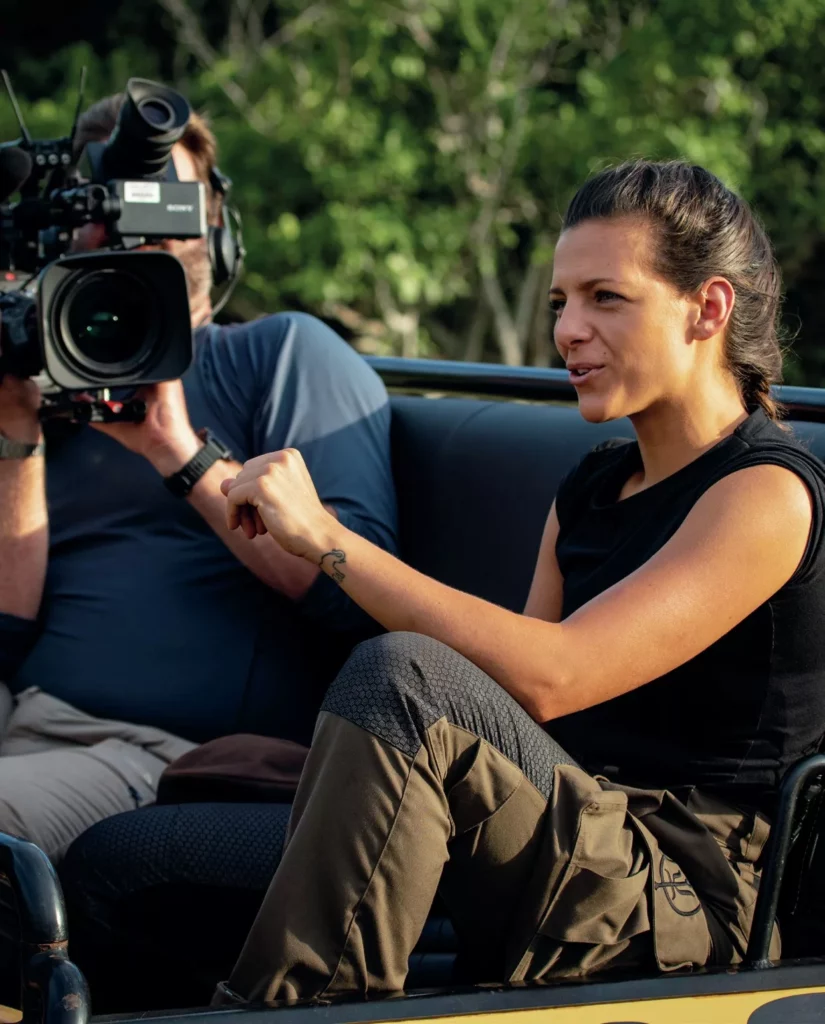
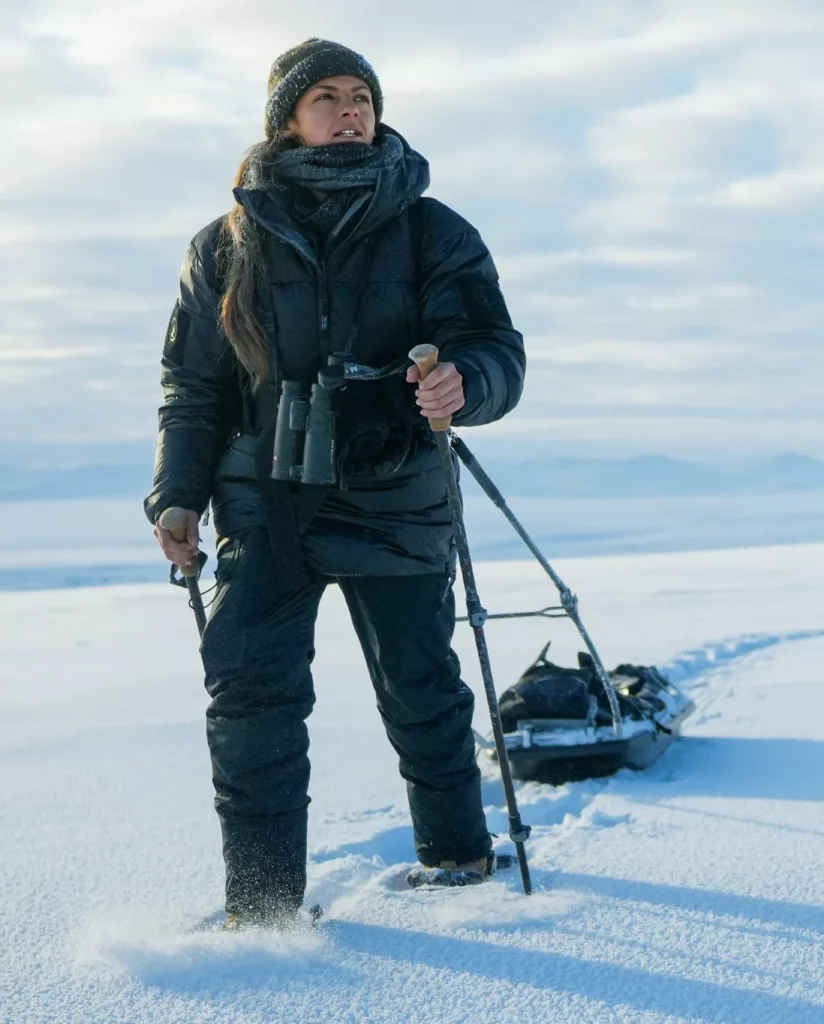
“Filming in remote places is a lot of fun. I think some of the biggest things you have to overcome is probably the harshest environment, which I’d say is rainforest”

Q: While you have travelled the world, you have also shot many programmes right here in the UK. How important is it to you to showcase some of the amazing wildlife we have in our country?
A: The UK is my home, so celebrating UK species and UK stories will always be a love of mine. Just this year I’ve gone out and filmed brand new behaviour, Risso’s dolphins hunting octopus, rarely being captured on film. I’ve also filmed the octopus bloom and also huge numbers of tuna that are arriving on our shores. So there are important stories to tell even on our coastlines. It’s an important part of it, so yes, I will always celebrate that and I think it’s actually where connection starts, in the areas that you grew up in, or have that kind of close proximity to, and I’d always recommend anyone who wants to kind of get into wildlife, or wildlife documentary, is go out on a doorstep and see what’s out there because there’s lots to see.
Q: What is your most-memorable diving experience?
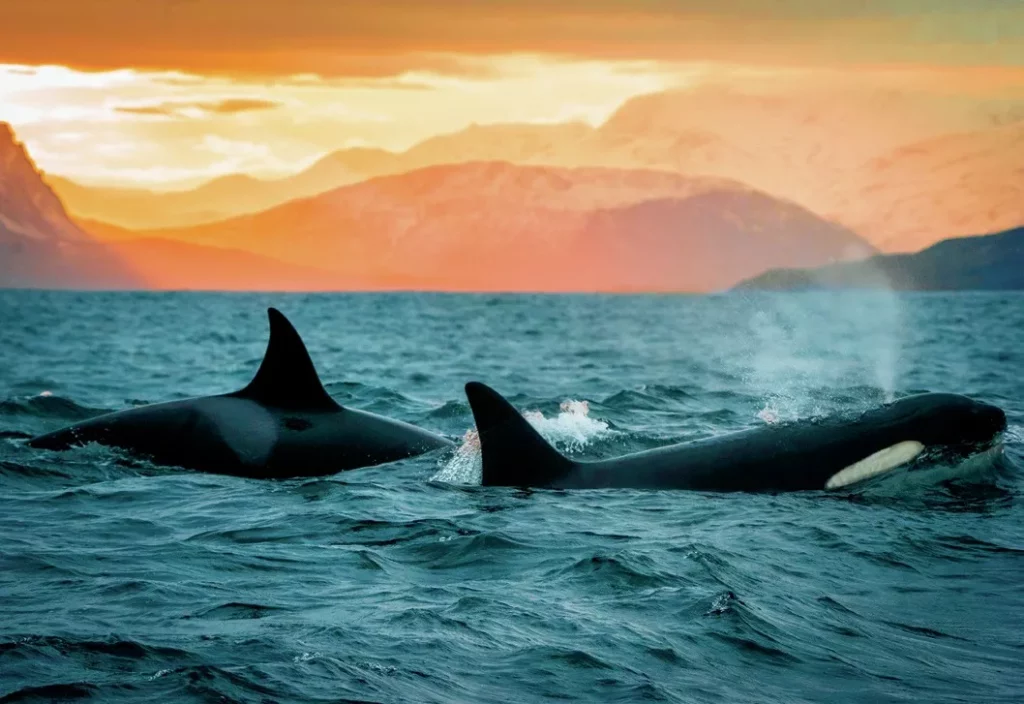
A: So many great dive experiences… Some of my favourite have been in cold water, so in British Columbia, just the incredible walls of life, you know, cold water corals and sea fans and just incredible conditions. I like a bit of cold water diving myself.
Q: On the flipside, what is your worst diving memory?
A: One of my worst dives? Probably on a drift dive when I was in Tobago. Luckily I was with my friend who was camera assisting at the time, who is my safety diver, and we’d just done the HSE together, so we were very in-tune. It was one of the most-sketchy dives I’ve ever done. The drift dive was hardcore and we popped up three nautical miles away on a dive that had to be called early, and there were kit malfunctions. It is one of those dives that I haven’t really spoken much about – and I don’t really plan to just because it kind of, yes, it’s definitely a reminder that, okay, you gave to be constantly aware of the fact that you are underwater. And although, you know, most of the time, you’re wanting a completely smooth and easy experience, there are risks, inherent risks of diving.
“The drift dive was hardcore and we popped up three nautical miles away on a dive that had to be called early, and there were kit malfunctions”
Q: What does the future holds for Lizzie Daly?
A: The future looks like finishing my PhD in the short term. And once that’s finished, we should also have a brand-new series all about elephant conservation. There are some other little projects in the works as well moving forward, lots of exciting new adventures, lots of new storytelling, and I think most importantly, you know, for me, I’m passionate about representing women in this space because there’s so many fabulous women in science and across this industry that are talented and committed, and I’m a big advocate for celebrating those voices. So watch this space because I’m very much focused on building a space for exactly that. And of course there will be lots of wildlife along the way.
FAQS
Who is Lizzie Daly?
Lizzie Daly is a renowned wildlife TV presenter, filmmaker, and scientist. She has appeared on BBC’s The One Show and National Geographic’s Meet the Expert, and is currently completing a PhD in animal movement and tag technology.
What is the ‘Deep Dive’ series on Love Nature?
Lizzie Daly hosted Deep Dive Australia and Deep Dive North America for Love Nature. The series follows her travels across coastlines to document diverse marine life, from Great Barrier Reef sharks to the cold waters of British Columbia and Alaska.
Where did Lizzie Daly learn to scuba dive?
Lizzie first learned to dive in Roatan about ten years ago. She later advanced her skills by earning her HSE Scuba qualification in the UK, allowing her to transition into professional underwater filmmaking and cold-water diving.
What is Lizzie Daly’s PhD research about?
Her PhD at Swansea University focuses on using “daily diary” tag technology to track the fine-scale movements of wild animals, such as African elephants and jaguars, to understand how they adapt to changing landscapes and human influence.
What are the challenges of filming wildlife in remote locations?
According to Lizzie, the harshest environment is the rainforest, where extreme humidity and constant moisture can break technical equipment. Other challenges include managing health, hygiene, and maintaining team dynamics in isolated areas like the Arctic or the Amazon.
This article was originally published in Scuba Diver Magazine
Subscribe today with promo code DIVE1 — enjoy 12 months for just £1!
