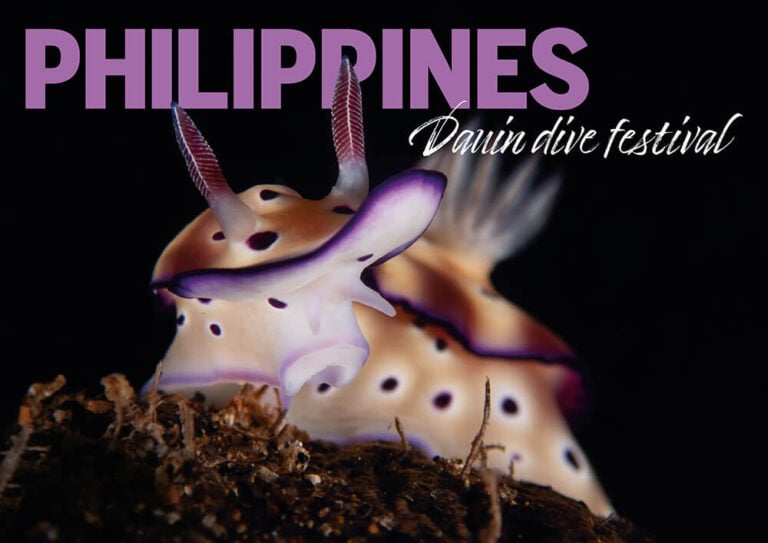
Adrian Stacey was a competitor at the Dauin Dive Festival in 2024, and in 2025 he was invited back to the competition, but this time to act as one of the photo judges.
From Competitor to Judge at the Dauin Dive Festival
In 2024, I travelled to the small town of Dauin, Philippines, to cover the Dive 7 Festival and to participate in the associated photo contest. It was my first time in Dauin, a renowned muck-diving destination, and it was my first time competing in a photo shootout. This time, I was invited back to be a judge by the organisers, NORDA (Negros Oriental Dive Association), which was another first for me!
The Rise of the Dive Dauin Festival
Now known as the Dive Dauin Festival, the event has been running for several years and is supported by the Philippines Department of Tourism, the Local Government Unit (LGU) of Dauin, and the Negros Oriental Provincial Government, which is soon to be renamed the Negros Island Region.
The festival is fast becoming a must-attend event in the Philippines dive calendar and is attracting both local and international photographers; in fact, roughly half the participants were not locals. There has been an impressive increase in participants, which is roughly doubling each year. The 2025 event had 100 eager photographers vying for the honours.
Sponsors and Support Behind the Festival
The main sponsors for the festival were Divevolk, an innovative company that produces underwater touchscreen housings for phones. They were also showcasing their new product, SeaLink, which allows live streaming from underwater, and the Dive Dauin Festival was the first photo contest in the world to be live-streamed!
Another main sponsor was Silver Reef Dive Resort, which hosted the judges, national government officials and other major sponsors. This unique resort, made from repurposed shipping containers, is designed with sustainability in mind.
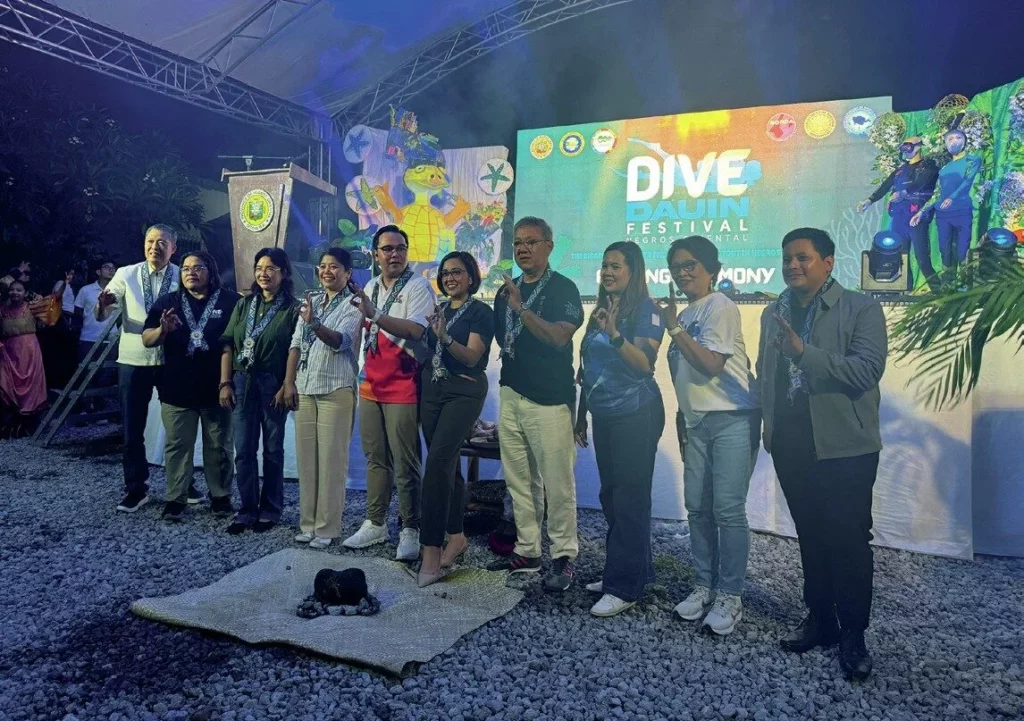
The festival kicks off in style with a welcoming ceremony featuring dancers, a lavish banquet, and speeches from local dignitaries. The closing ceremony and awards were equally spectacular.
How the Underwater Photography Competition Works
Participants have four days to shoot a winning image and are required to submit one photo for each category. Beginners have three categories: Macro, Nudi, and Fish Portrait, while Compact and Open (big cameras) have seven categories to achieve greatness in. These include Macro, Nudibranch, Fish Portrait, Wide Angle, Creative Lighting, Bonfire (night dive in open water) and Marine Behaviour. There was also a video highlights section for budding filmmakers.
Categories, Spotters and Strategy
Several dive resorts from the region host participants; these resorts and the photographers take this competition very seriously. DPVs are often used to save time moving between subjects, and spotters are provided to help find elusive and unusual creatures. Photographers will sometimes ask spotters to find a particular critter. They will also seek their guidance on which image to submit and in which category, the right choice can mean the difference between a winning shot and placing nowhere!
Such is the importance of these unsung heroes of the macro photo contest that the best spotter is also given an award and prize.
Inside the Judging Room
After four days of frenetic shooting, all images must be submitted by 5pm on the final day. The images are then collated into their respective categories, and the judging can begin. The closing ceremony was scheduled for 5pm the following day, and with hundreds of photos to review and winners and runners-up to select for each category, it was clear that it would be a lengthy process.
As a first-time judge, I was not sure what to expect, but after meeting the other judges, it soon became clear that there were no egos on the panel and that this would be an enjoyable and humorous experience.
My fellow judges were Ram Yoro, an experienced photographer from the Anilao region of the Philippines; Boogs Rosales, an accomplished film-maker and photographer from Manila; and Jenny Stock, a skilled photojournalist. The fifth judge was Imran Ahmad, a professional commercial photographer, unfortunately his busy schedule meant he could only join us via video link for the final day’s judging.
For the selection process, we were ushered into a private room with a large screen on which the images were displayed. A technician would then scroll through the images for a category, spending only a few seconds on each. He would then repeat the process, and this time the judges would vote to keep an image if they liked it; if the majority voted yes, then the image would be kept. Some categories had up to 40 images, so we would sometimes need several runs through to whittle it down to around seven to eight images. This is where judges could champion a particular image they felt strongly about, explaining why they thought it should remain in consideration for a top spot!
Ethics, Editing and Image Selection
Photographers submitted an edited JPEG and an unedited RAW file. Once we had a few images left, we would review the RAW files to ensure that the editing had remained within the competition rules. We would also look out for tell-tale signs of interference from a spotter or photographer, such as creatures clearly being harassed or in an unnatural environment or position, these shots would also not be chosen. We would consider the difficulty of the shot, the rarity of the subject, good lighting and composition. Selecting the right image for the correct category also makes a huge difference, and if some images had been correctly categorised, they would have placed even higher or even won! Selecting something different also makes a big difference. While most people shot macro for most categories, we would have liked to see some nice wide-angle shots in the Animal Behaviour or Fish Portrait categories.
Once we had our final few images, each judge would then select their top three based on the criteria outlined in the competition rules and their individual preferences. The scores would then be tallied up, and first, second, and third places were awarded based on the judges’ votes. There were many outstanding images, and choosing a favourite photo is a very subjective matter, but for the most part, we agreed on what we liked. This was fortunate because it took us a total of nine hours, to select the winners.
We even had a working lunch, as we needed to complete our selection process by 4pm so the organisers could prepare for the awards, which were due to start that evening. Although it was a long day of reviewing images, I thoroughly enjoyed the process and found it fascinating. Hearing how the other judges rated the photos and what to look out for in terms of composition and natural habitat was a real eye-opener.
Diving Dauin Beyond the Competition
Thankfully, it was not all work. Before the judging began, while the contestants were taking their images, I was also pleased to discover that we would be able to make numerous dives. As we were not allowed to mingle with the participants, Silver Reef provided us with our own private boat.
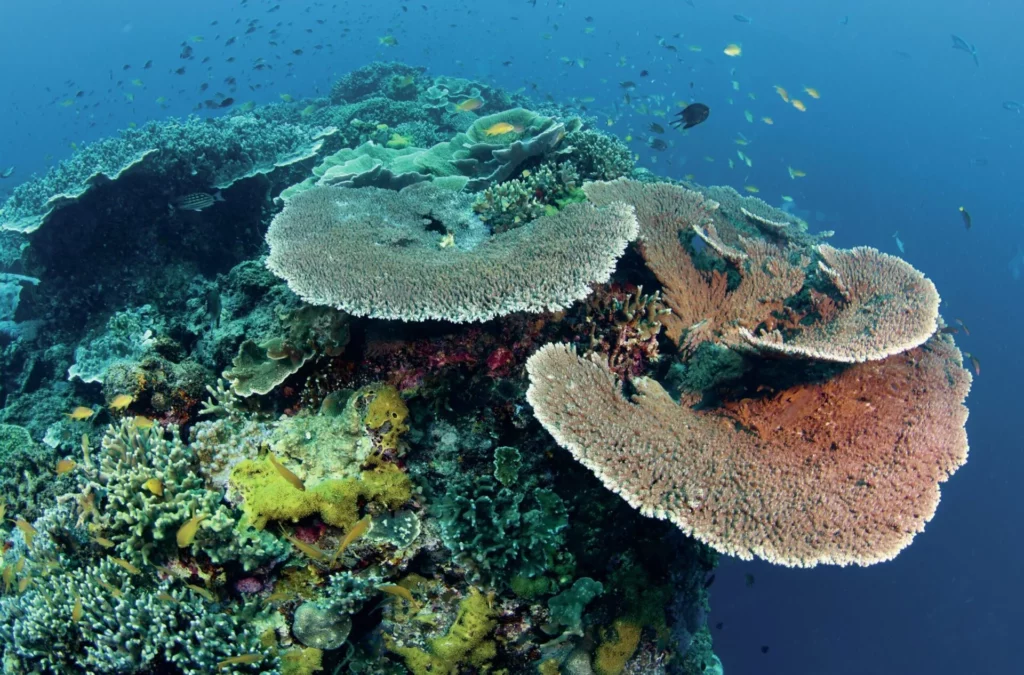
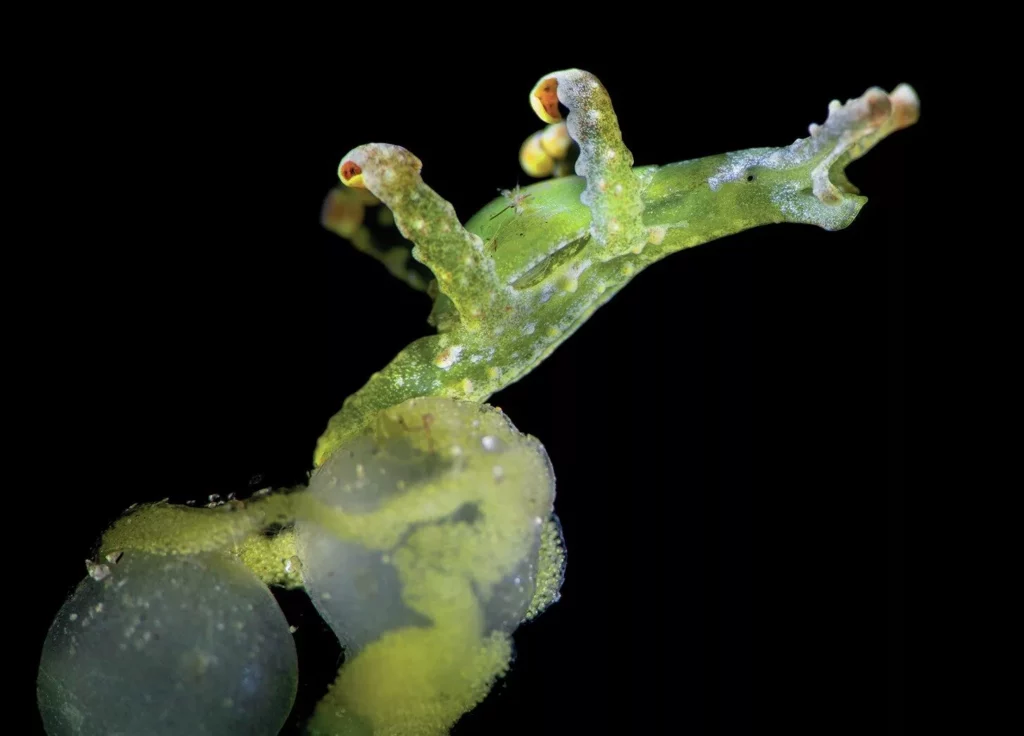
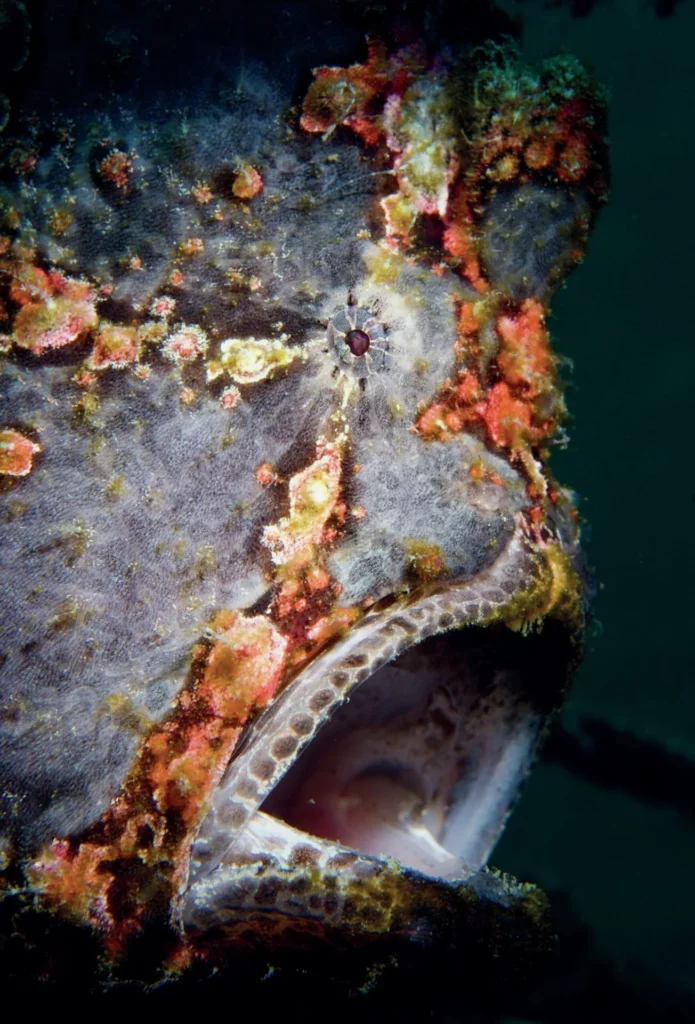
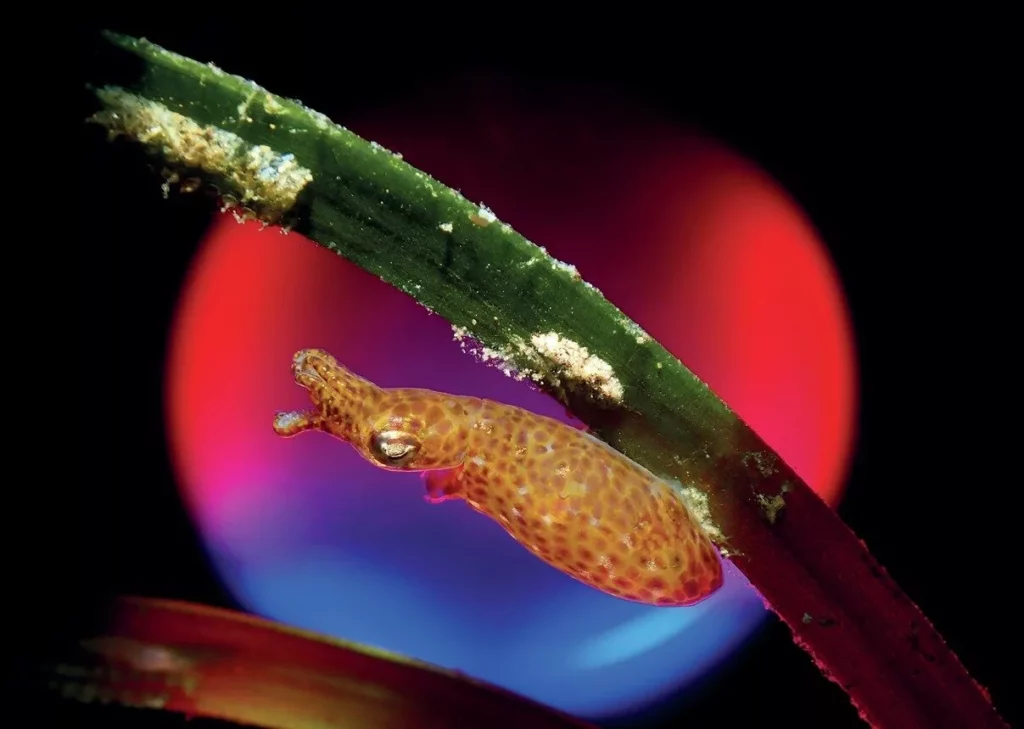
The Dauin coastline stretches for miles and offers over 40 dive sites, which are home to a wealth of sought-after critters. Frog fish, seahorse, flamboyant cuttlefish, tiger shrimps, harlequin shrimps, mantis shrimps, golden gobies, bobtail squid, nudibranch of every description and much more can all be found on the black volcanic slopes and patchy reefs.
Muck Diving, Snoots and Unexpected Mantas
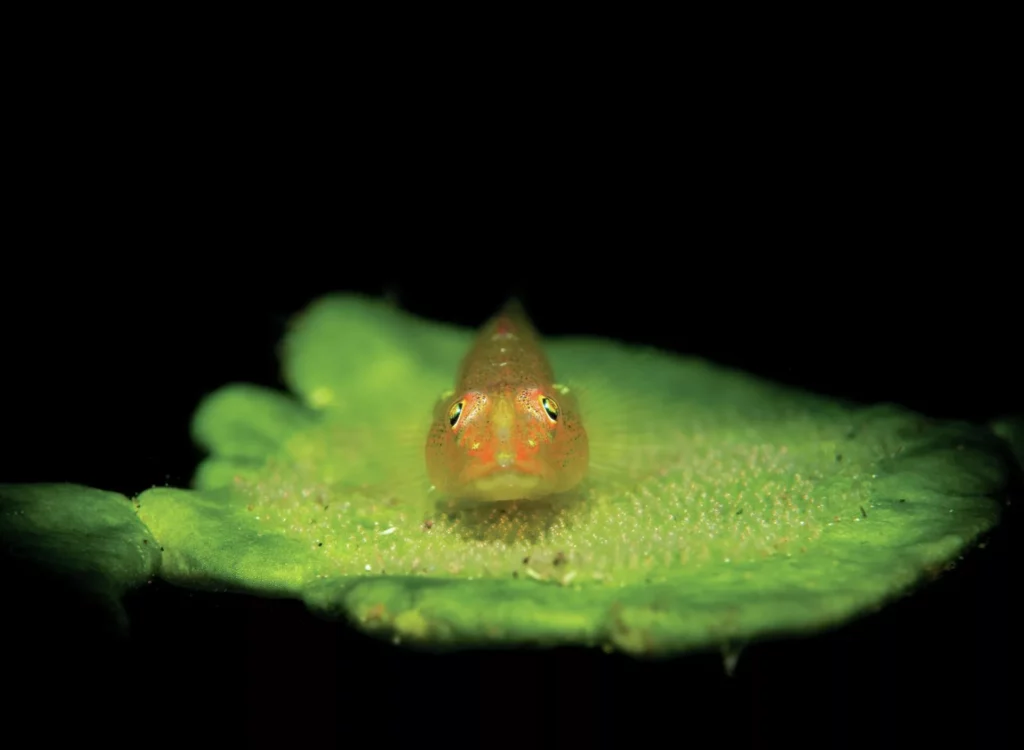
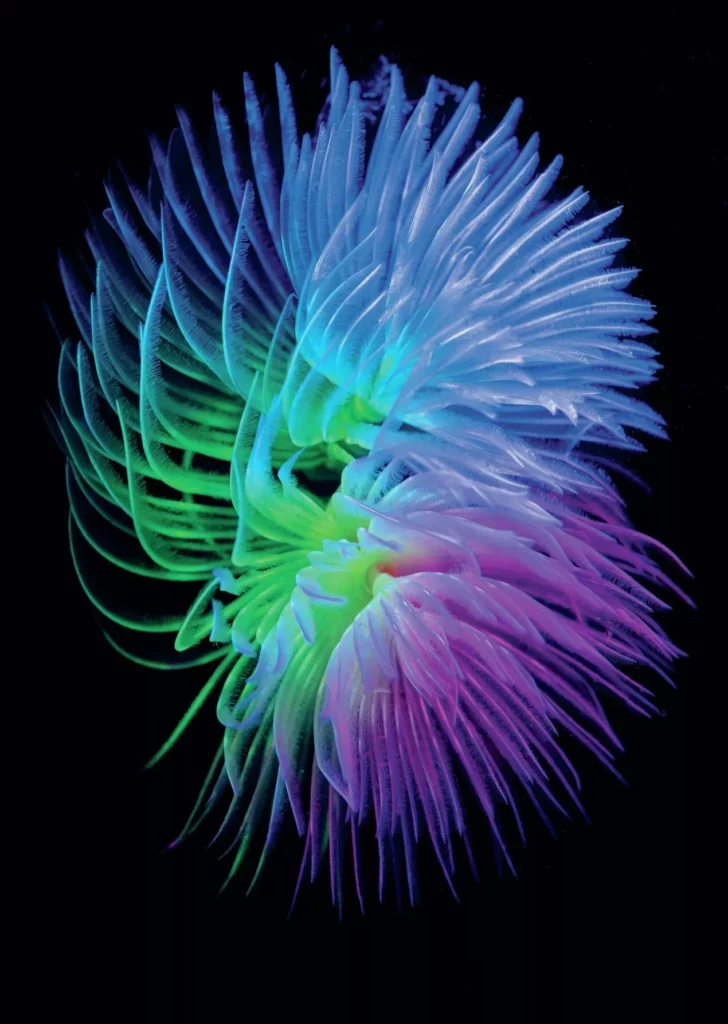
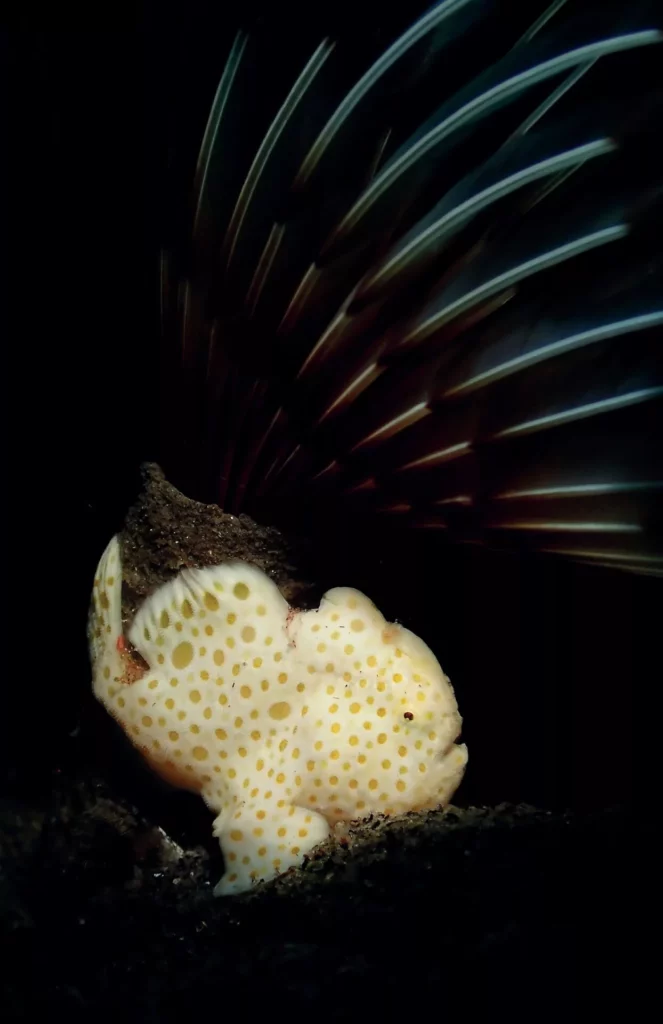
Although I prefer wide-angle photography, it’s good fun finding these often tiny and strange creatures. For this trip, I had a new Kraken Snoot that I was eager to get to grips with. A snoot is a piece of equipment attached to a strobe, which creates a spotlight effect on the subject while leaving the rest of the image in darkness. The results can be dramatic and spectacular, but they are not as easy to use as I had first anticipated. However, after a couple of dives, I began to get the hang of it and started to achieve some pleasing results. I now have a newfound respect for well-snooted images.
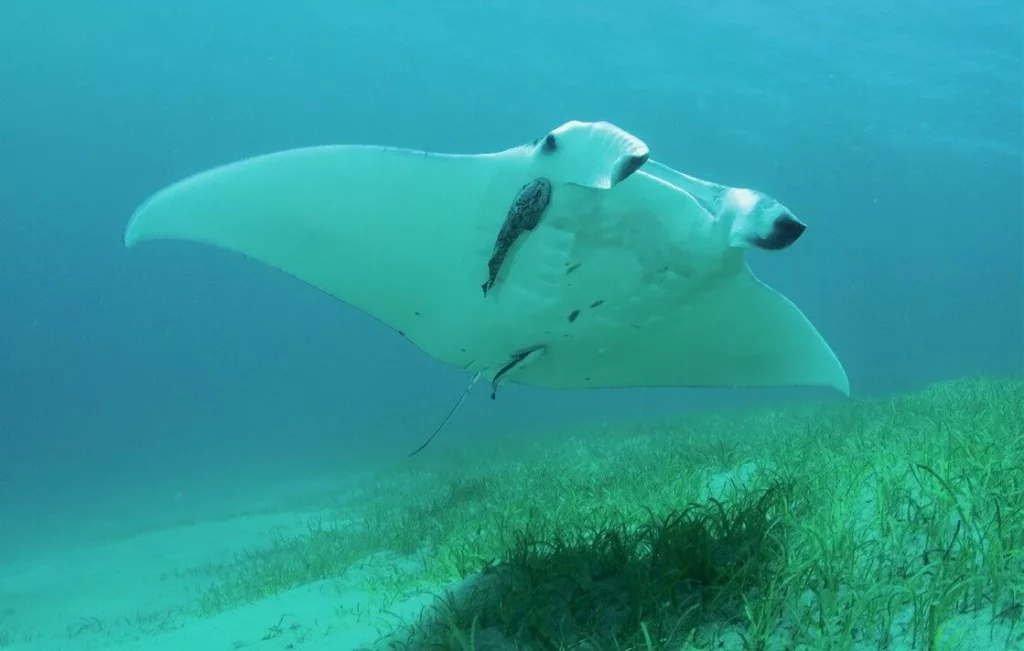
For our first dive, I was all set up to go on a critter hunt when we were informed that a juvenile manta ray was making regular appearances at the dive site we were visiting. This facilitated a quick change of lenses, and it proved to be a good call as the young manta joined us after only a few minutes of entering the water.
Apo Island and Wide-Angle Opportunities
In addition to exploring the critter-infested site of Dauin, we also ventured over to Apo Island. This tiny island boasts some beautiful reefs and serves as a nesting site for green and hawksbill turtles. Here I got the chance to test my phone in the Divevolk housing. I was pleasantly surprised by the results. Once the festival had finished and my judging duties had been fulfilled, I managed to get in one final dive for more practice with my snoot. This was at the Aivy Maes house reef, Cars, a site renowned for frogfish, which are a great practice subject as they tend not to move.
Conservation, Community and the Festival’s Future
Diving is a massive draw for Dauin, which has not only been blessed with outstanding muck diving but also has some great reefs and a huge turtle population at Apo Island. This special blend of macro and wide-angle has been recognised by TIEZA (Tourism Infrastructure Economic Zone Authority), which has donated an eight-seater hyperbaric chamber to the region. The Mayor of Dauin, the Honourable Galicano A Truita, has also donated some of his personal land to house the chamber.
The Dauin Dive Festival next year is poised to be even bigger and better, with workshops planned for both spotters and photographers. There will still be a keen focus on conservation, with beach and underwater clean-ups scheduled, and best practices for photographers and spotters will still be enforced. This festival is an excellent showcase of what can be achieved when local government agencies and the private sector work together. It is great to see the festival go from strength to strength, promoting diving in the region, which benefits both the local communities plus the area’s reefs and the creatures that live on or around them.
Frequently Asked Questions
What is the Dauin Dive Festival?
The Dauin Dive Festival is an annual diving and underwater photography event in the Philippines, combining competitions, conservation and community involvement.
Where is Dauin located?
Dauin is a coastal town in Negros Oriental, Philippines, renowned worldwide for muck diving and rare macro subjects.
Who can enter the Dauin underwater photo competition?
The competition is open to beginners, compact camera users and open-category photographers, including international participants.
What photography categories are included?
Categories range from macro and nudibranchs to wide-angle, creative lighting, night diving and marine behaviour.
Is diving in Dauin suitable for wide-angle photography?
Yes. While famous for muck diving, Dauin also offers excellent reefs and wide-angle opportunities, particularly at Apo Island.
This article was originally published in Scuba Diver Magazine
Subscribe today with promo code DIVE1 — enjoy 12 months for just £1!
