The Wildlife Photographer of the Year is once again an underwater photographer – Canadian Shane Gross, whose The Swarm Of Life won the Wetlands: The Bigger Picture category and overall prize at this year’s prestigious event. The winners were announced live at London’s Natural History Museum last night (8 September).
The marine-conservation photojournalist, who has seen success in the competition before, snorkelled in Cedar Lake on Vancouver Island in British Columbia for several hours through carpets of lily-pads, looking beneath them as a mass of western toad tadpoles swam past. He needed to be careful to prevent any disturbance of the fine layers of silt and algae covering the lakebed.
Western toad tadpoles, a near-threatened species because of habitat destruction and predation, swim up from the safer depths of the lake, dodging predators in their bid to reach the shallows to feed. They grow into toads 4-12 weeks after hatching, but only an estimated 1% survive to adulthood.
(Taken with a Nikon D500 + Tokina fisheye 10-17mm f/3.5–4.5 lens at 11mm, Aquatica housing, two Sea & Sea strobes. 1/200th @ f/13, ISO 640)
The Swarm Of Life was selected from a record-breaking 59,228 entries from 117 countries and territories to win the Wildlife Photographer of the Year competition, which is developed and produced by the Natural History Museum (NHM).
“The jury was captivated by the mix of light, energy and connectivity between the environment and the tadpoles,” said jury chair and editor Kathy Moran of the winning shot. “We were equally excited by the addition of a new species to the Wildlife Photographer of the Year archive.
“Over the last few years, the competition has highlighted environments and species that are often overlooked, yet provoke the same wonder and delight when shared as the more typically photographed wildlife and wild places.”
Underwater images
Of the 18 category winners, four could be said to qualify as underwater images. Each entry was judged anonymously by the international panel of experts for originality, narrative, technical excellence and ethical practice.
The Underwater category itself was won by UK / Australian photographer Matthew Smith’s Under the Waterline, which shows an inquisitive young leopard seal beneath Antarctic ice at Paradise Harbour.

Smith used a specially made extension he had designed for the front of his underwater housing to obtain the split image.
In what was his first encounter with a leopard seal, he watched it make several close passes. “When it looked straight into the lens barrel, I knew I had something good,” he said. For now leopard seals remain widespread and abundant but overfishing, retreating sea-ice and warming waters mean that their main food sources – krill and penguins – are both in decline.
(Taken with a Nikon Z 7 II + 14–30mm f/4 lens, neutral density graduated filter, Aquatica AZ6/7 housing + Matty Smith 12in split-shot dome port, Sea & Sea YS-D3 MKII strobes. 1/200th @ f/11, ISO 640)

Dolphins Of The Forest by Thomas Peschak (Germany / South Africa) won the Photojournalist Story award. It shows an Amazon river dolphin, one of two freshwater dolphin species living in the Amazon and Orinoco basins and the only one to have evolved to explore the seasonally flooded forest habitat.
The endangered cetaceans, also known as botos or pink river dolphins, have a complicated relationship with humans, says Peschak. According to traditional Amazonian beliefs they can take on human form, and are both revered and feared, yet others see them as thieves of fish from nets that deserve killing.
Peschak took his images in areas of Brazil and Colombia where local communities are creating opportunities for tourists to encounter the dolphins, bringing the added complication that when fed by humans they tend to become unhealthy, while younger individuals don’t learn to hunt for themselves.
(Taken with a Nikon Z 9 + 14–30mm f/4 lens @ 16mm. 1/320th @ f/6.3, ISO 1250)

The Serengeti of the Sea by US photographer Sage Ono won the Rising Star Portfolio Award. The image was taken in the giant kelp forests of Monterey Bay National Marine Sanctuary in California.
The tube-snout fish eggs will fade in colour as the embryos develop but Ono caught them sparkling like rubies next to the kelp’s gold, glowing, gas-filled buoyancy aids. The green serrated edges of the kelp fronds completed the simple composition.
(Taken with a Nikon D850 + 60mm f/2.8 lens, Nauticam NA-D850 housing, two Sea & Sea YS-D2J strobes. 1/160th @ f/14, ISO 250)

A fifth watery image, though taken above the surface, was Wetland Wrestle by American photographer Karine Aigner, and triumphed in the Behaviour: Amphibians and Reptiles category. While leading a tour group on the Transpantaneira Highway, Mato Grosso in Brazil she had stopped to photograph some marsh deer when she noticed an odd shape floating in the water.
Through binoculars she recognised that a yellow anaconda was coiling around the snout of a yacaré caiman, and watched as the two struggled, though she said it was hard to know which was the aggressor.
Caimans will eat snakes, while as anacondas get larger they include other reptiles in their diet. On the snake’s back are two tabanids, blood-sucking horseflies that target reptiles.
(Taken with a Sony α1 + 200-600mm f/5.6–6.3 lens. 1/400th @ f/16, ISO 800)
‘Advocates for our planet’
“Wildlife Photographer of the Year’s longevity is a testament to the vital importance and growing appreciation of our natural world,” said NHM director Dr Doug Gurr.
“We are delighted to feature such inspiring images in this year’s portfolio – these are photographs that not only encourage further wildlife conservation efforts, but that spark the creation of real advocates for our planet on a global scale.”
Celebrating its 60th year, the flagship WPotY exhibition featuring the 100 awarded images opens at the museum at the end of this week (Friday, 11 October)
In honour of the anniversary, the exhibition spotlights past Grand Title winners across the competition’s history and includes photographs, trophies and camera technology highlights. It also includes videos showing the impact wildlife photography can have globally alongside insights from jury members, photographers and NHM scientists.
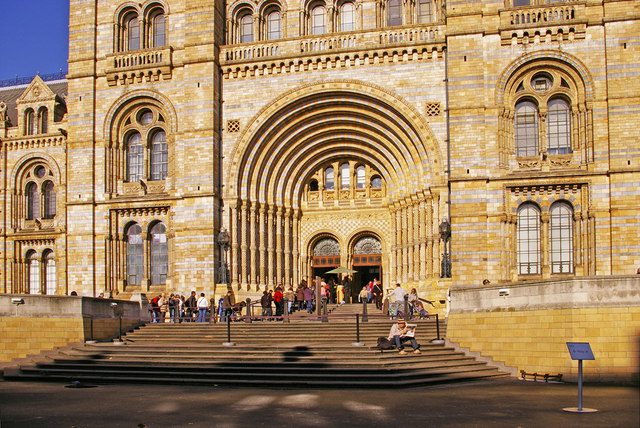
The exhibition remains at the NHM until 29 June next year and will also range across the UK and internationally to Australia, Canada, Denmark, France, Germany, Italy and Switzerland, with more venues to be announced.
It is open daily from 10am to 5.50pm and adult tickets cost from £18, children £11 (off-peak £15.50, and £9.25 respectively. Bookings can be made here.
The Wildlife Photographer of the Year Portfolio 34 book, edited by Keith Wilson, is published today (9 October) and costs £28.
Enter the 61st Wildlife Photographer of the Year competition
The 61st WPotY contest opens for entries on 14 October and closes at 11.30am GMT on 5 December. Photographers can enter up to 25 images for a fee of £30, increasing to £35 in the final week from 28 November.
The fee is waived for adults living in Africa, South-east Asia and Central and South America. Entrants aged 18-26 can enter up to 25 images free, while those aged 17 and under can enter up to 10 free.
Also on Divernet: BALLESTA NAMED WILDLIFE PHOTOGRAPHER OF THE YEAR AGAIN, ICE-DIVER BALLESTA STRIKES AGAIN IN WPOTY ’22, MANATEE MAGIC IN WILDLIFE PHOTOGRAPHER TEASER, POLAR BEAR WINS HEARTS IN PEOPLE’S CHOICE