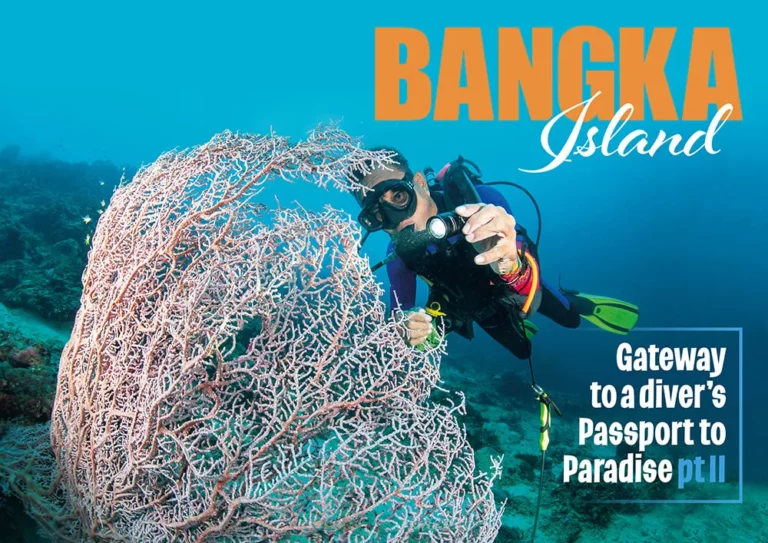
Bangk Island was the next stop for Jayne Jenkins. With Murex Resorts’ Passport to Paradise package, she was thrilled to be heading to her next destination, following her incredible start diving in North Sulawesi at Murex Manado.
This is Part 2 of a three-part exploration of North Sulawesi’s world-class dive destinations by Jayne Jenkins.
Part 1: Murex Manado | Part 2: Bangka Island | Part 3: Lembeh Strait
Just a short boat ride from the city of Manado, Bangka Island, is the small island nestled between North Sulawesi’s mainland and Lihaga Island. Bangka Island (also known by locals as Pulau Bangka) is a small tropical paradise with an unforgettable mix of natural beauty, peace, tranquillity, adventure, and for divers, amazing diving.
Instead of the usual one-and-a-half to two-hour transfer by car and boat, Murex takes travel to a whole new level. Transfers between resorts are done by dive boat, with spectacular dives along the way. It is such an easy and perfect way to travel, plus no missing out on dive days. Just pack your bags in the morning, have breakfast and head out for your boat dives. After your dives, arrive at your new destination with all your luggage already there and a delicious lunch waiting – what could be easier.
Arrival at Murex Bangka: A Tropical Paradise
Pulling up to Bangka Island’s picture-perfect resorts white sand, turquoise water, and hammocks swaying Pulling up to Bangka Island’s picture-perfect resorts white sand, turquoise water, and hammocks swaying under the palms, I felt instantly relaxed. The welcome was so warm and genuine that it felt like coming home.
The resort offers both oceanfront and hillside accommodation, all with spectacular views. I loved spotting bright green tree lizards and colourful birds on the walk back to my room — a true tropical immersion.
The restaurant and bar area is covered but open and all meals are buffet style with plenty of choice. The staff are friendly and helpful, and generally know your favourite drink within the first day.
World-Class Diving and Photography Facilities

The dive storage and gear up area is large and open with fresh shower areas. Like Manado, the daily dives are put up on a board with your boat and guides names so you can choose which dives you want to do. There are generally two dives in the morning and one afternoon dive, with an optional night dive. Apart from the boat dives, the house reef at Bangka is a great dive and for just snorkellers, you can just walk out onto the reef in front of the resort. For photographers there is a brilliant camera room with all your needs for charging, cleaning and storing all your camera gear. The great part of doing the Passport to Paradise is that your dive guide travels with you to each resort, so he has really got to know and understand your diving needs. All the guides there are highly qualified, and some have been with Murex for over 20 years. The guides have such knowledge on the marine life that if you request a certain kind of fish or coral you would like to see, they will generally find it for you. Bernard, our guide, was great at finding frogfish and crocodilefish and thanks to him, I ticked off most of my bucket list.
“Bangka is also the closest of the resorts if you want to visit Tangkoko National Park”
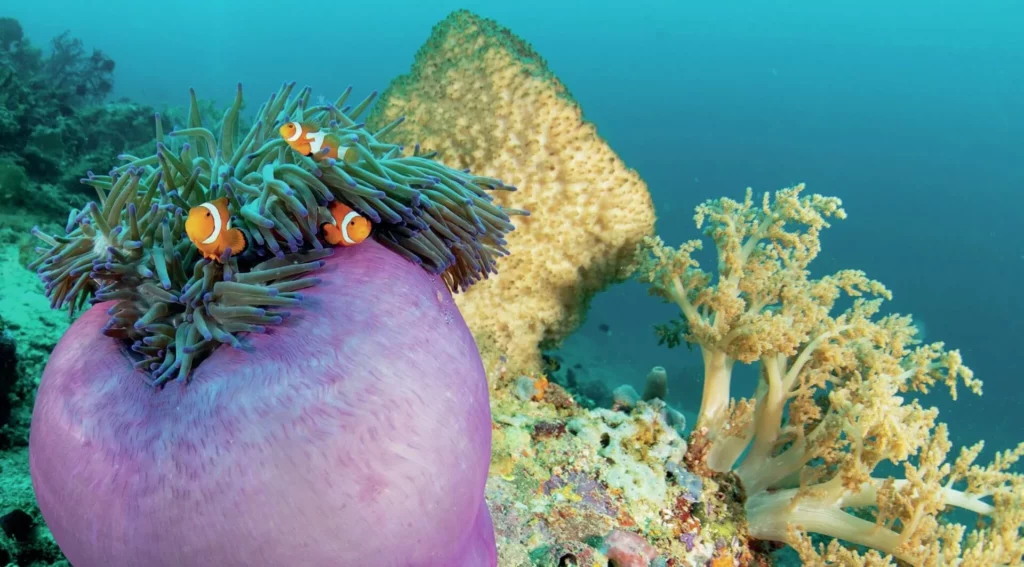
Bangka Island is also part of the renowned Bunaken Marine Park region, making it a world-class destination for scuba divers plus great snorkelling. The diversity of diving with 25 plus spectacular sites all within the hour from the resort is good for all levels of divers. The boats are large and comfortable with towels, plenty of water, tea, coffee and biscuits supplied.
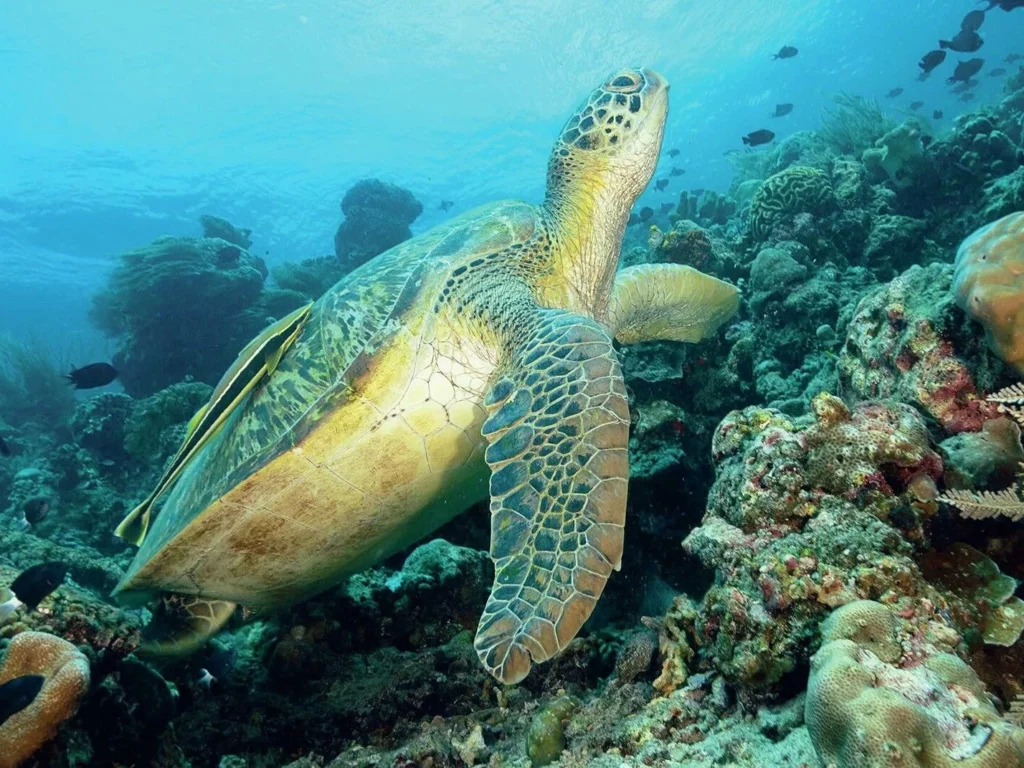
On our dives while traveling between resorts, the terrain became quite different and the last dive called Cha Cha in the Bunaken area had less turtles than we had seen on all our other dives, but there were lots of batfish, sea snakes and the smaller marine life. Our next dive, Tarabitan Bay, closer to Bangka, the waters were clearer and bommies were great and lots of nudibranchs, but the highlight for me was a giant yellow frogfish. It was great to experience two totally different styles of dive sites.
Bangka Island Dive Site Highlights
During our stay our dive sites varied from white sandy bottoms, rock pinnacles, and jungles of soft corals to sloping reefs which included macro and wide angle. Some of the dive highlights for me were:-
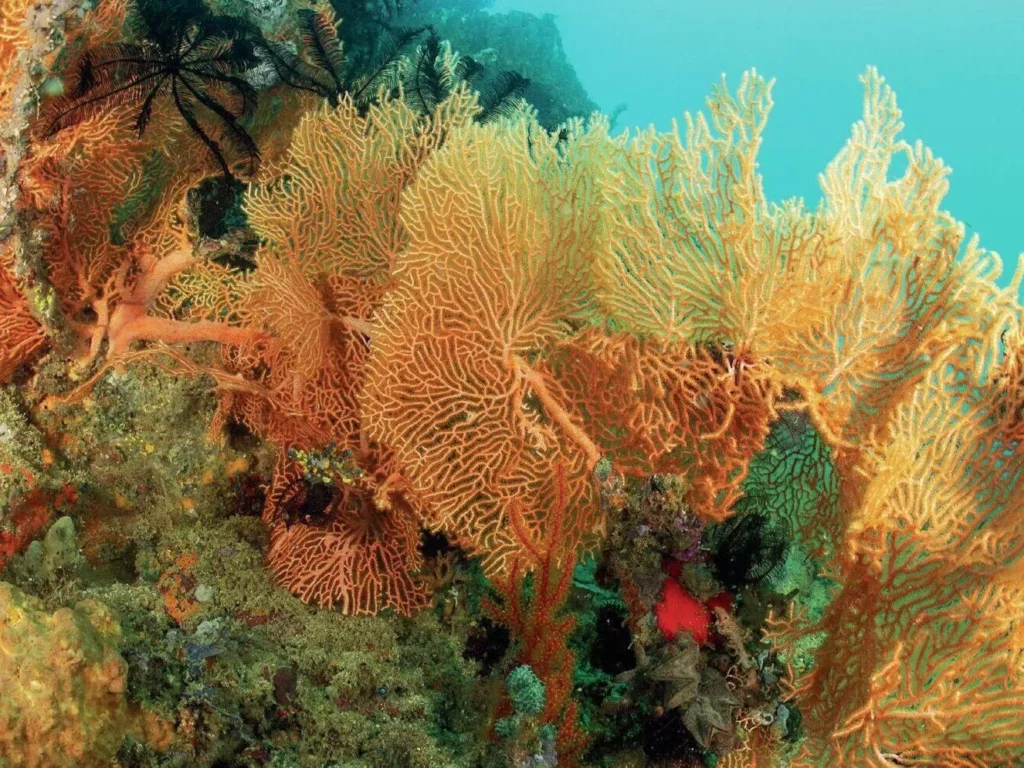
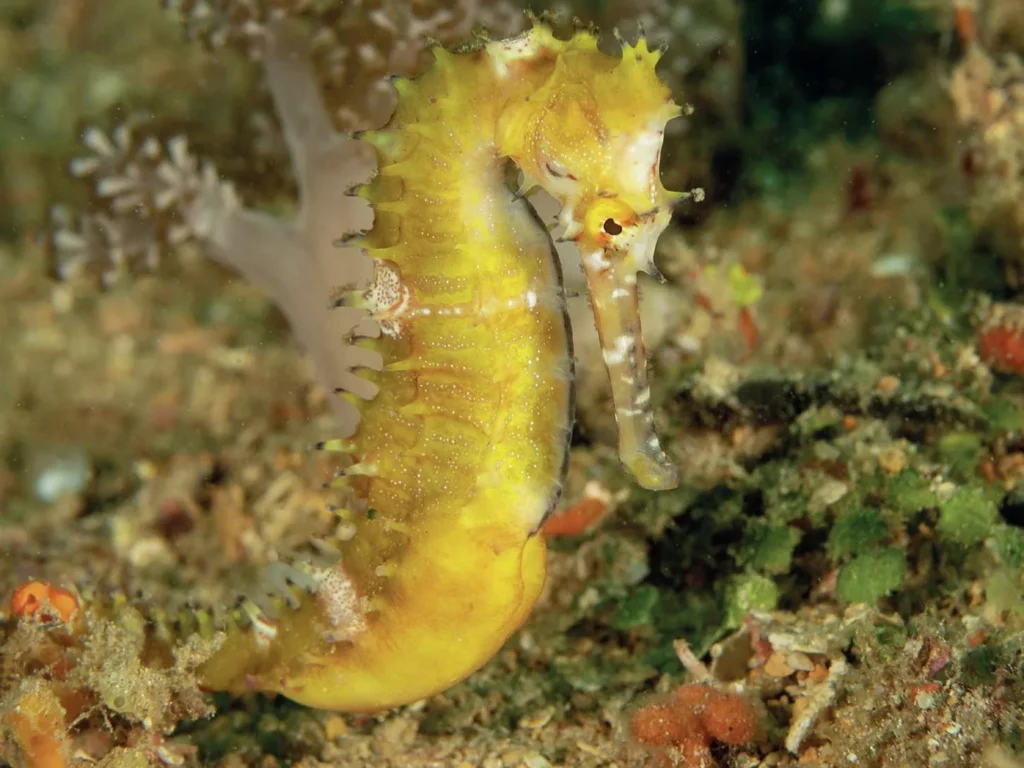
- Busabora 2 – a giant black frogfish, morays, ghost pipefish, puffers, and vibrant gorgonian fans hiding pygmy seahorses.
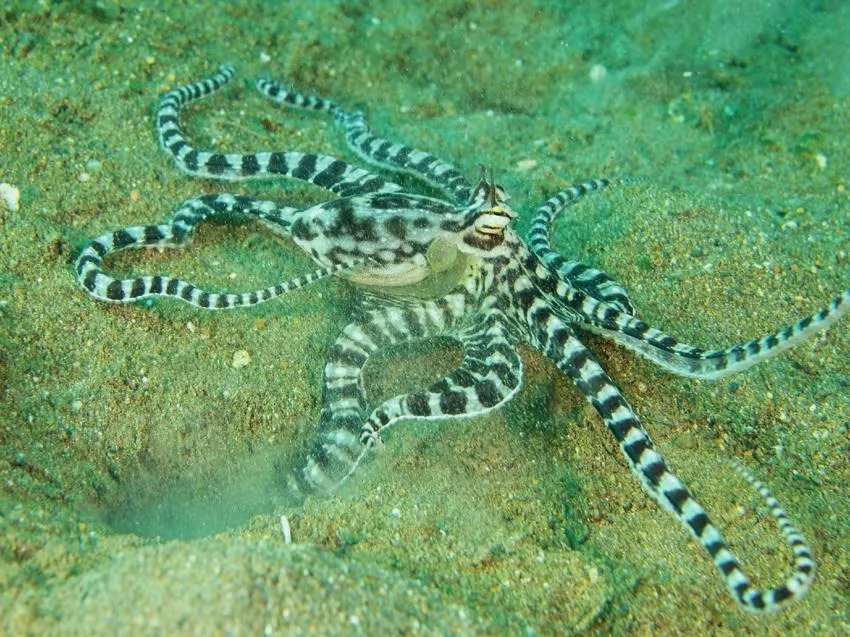
- Kuala Sipi – hairy frogfish, ribbon eels, robust ghost pipefish, and the mesmerising wonderpus octopus.
- Batu Mandi – home to peacock mantis shrimp, octopus, and colourful scorpionfish.
- Sampiri 3 – thriving corals and macro life galore, including pygmy pipehorses, seahorses, and black ribbon eels.
- Batu Belah – my favourite macro site, packed with ornate ghost pipefish, leafy scorpionfish, and white-eyed morays.
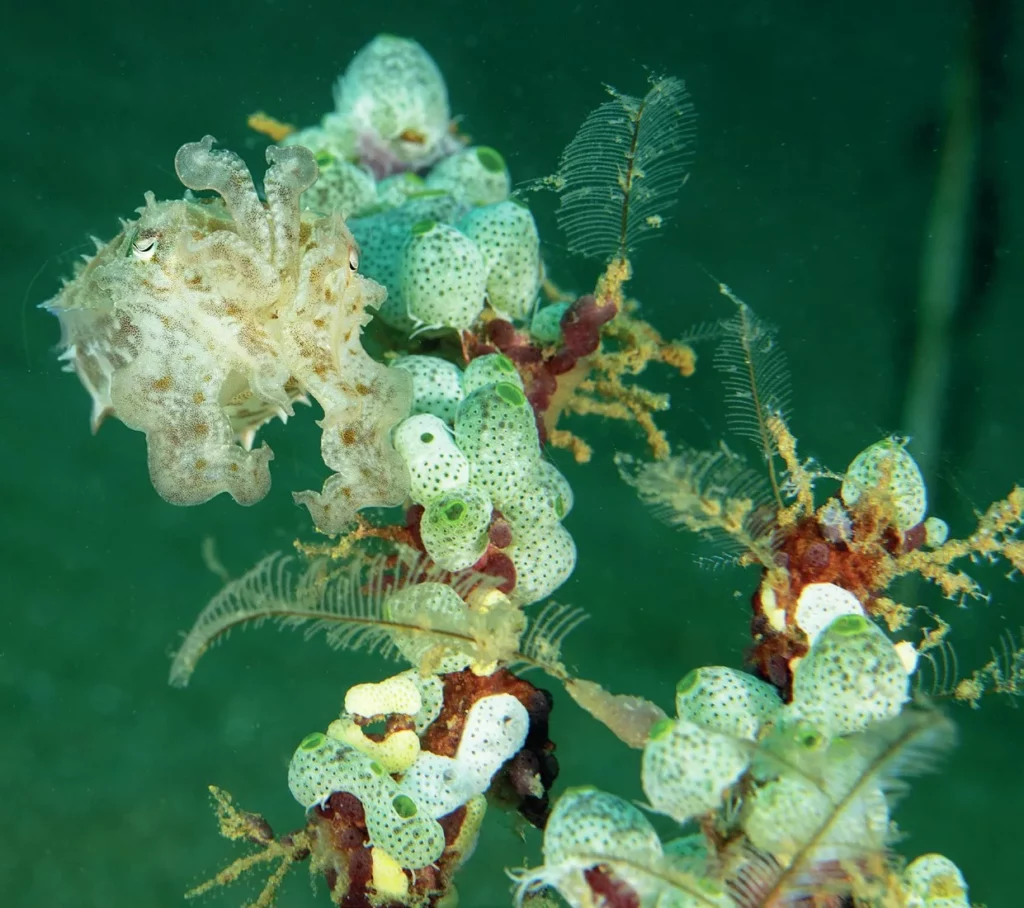


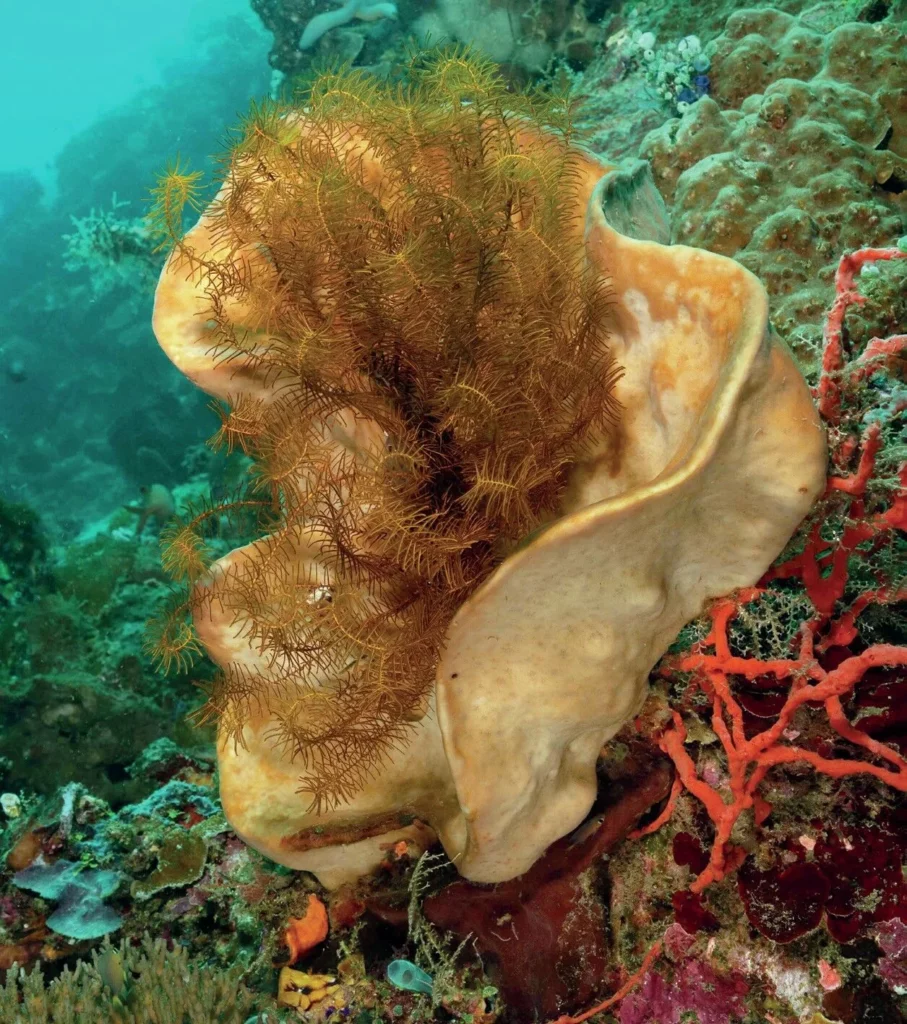
Every dive was a photographer’s playground — from sweeping coral gardens to intricate macro life, it’s impossible to run out of subjects here.
If you can tear yourself away from the underwater world, there are some great walks through local villages and forest trails. Also don’t forget after a long day of diving, nothing beats a relaxing massage with the sound of the ocean as your soundtrack.
Topside Adventures: Exploring Tangkoko National Park
Bangka is also the closest of the resorts if you want to visit Tangkoko National Park, situated at the base of Dua Saudara Mountain. Located on the island of Sulawesi, the Tangkoko Nature Reserve can be found on the very northeastern point of the island. The reserve protects 8,700 hectares of lowland rainforest with more than 100 species of mammal and over 200 different bird species being recorded here. Most of these species are endemic – not just to Indonesia, but to Sulawesi itself.
Arguably the most-famous resident in Tangkoko is the crested black macaque. This is the most-endangered species of macaque on Sulawesi out of the seven species that are found on the island. The name of this macaque comes from the distinctive crest of hair found on their head and they are social primates who can be seen in groups of up to 100 individuals. After walking for about 20 minutes or so we were lucky to come across a few groups of different-aged crested black macaque from baby to the larger males. They have the most amazing eyes and a punk haircut.
The spectral tarsier can also be found in the Tangkoko Nature Reserve and are another species endemic to Sulawesi. They are tiny (their head and body together measure 10-15cm, and they weigh only 80-100g) and can easily fit in the palm of a hand. Our guide found two and the stand-out character of them is their eyes and ears are huge for such a tiny body. These tarsiers are nocturnal, hunting for insects such as katydids (long-horned grasshoppers), crickets, and cockroaches. They use their highly sensitive eyes and mobile ears to detect their prey. Once they locate it, they pounce on it with their grasping hands.
When visiting the nature reserve, bring plenty of water and wear lots of mozzie repellent.
The best time to visit Bangka Island is between May and October, when the seas are calmer and visibility at its best. The Tangkoko Nature Reserve can be visited year-round and is accessible from all Murex Resorts.

Eco-Friendly Diving and Sustainability at Murex
Like all Murex resorts, Murex Bangka, are deeply committed to sustainability and protecting the natural beauty of our island. Our resort runs partially on solar energy from 38 panels, providing 24-hour electricity while reducing our carbon footprint. Waste is managed responsibly through on-site sorting, recycling with their NGO partner No Trash Triangle Initiative (NTTI) and composting all food waste. They also collect rainwater to reduce dependence on external sources and are working toward fully supplying the resort through rainwater catchment. Every step taken brings them closer to operating in harmony with the environment, so your stay helps support a greener future for Bangka Island.
Bangka Island offers the perfect blend of world-class diving, warm hospitality, and untouched natural beauty. Whether you’re chasing rare critters, capturing the perfect photo, or simply soaking up island life, Bangka delivers an unforgettable dive experience — and with Murex’s Passport to Paradise, the journey itself becomes part of the adventure.
Looking for the next stop? Read the final chapter of Jayne’s journey in Gateway to a diver’s Passport to Paradise pt III: Lembeh Strait , where she heads to the ultimate muck-diving Mecca to wrap up her incredible North Sulawesi adventure.
FAQs
What is the Murex Passport to Paradise package?
The Passport to Paradise is a seamless diving package by Murex Resorts that allows scuba divers to explore three distinct diving destinations in North Sulawesi: Manado, Bangka Island, and Lembeh Strait. Transfers between the resorts are conducted via dive boats, ensuring no dive days are missed during transit.
What kind of marine life can you see while diving Bangka Island?
Bangka Island offers incredible marine biodiversity, ranging from massive pelagics to rare macro critters. Divers regularly spot giant and hairy frogfish, wonderpus octopuses, ghost pipefish, pygmy seahorses, ribbon eels, sea turtles, and fields of vibrant soft corals.
When is the best time of year to visit and dive Bangka Island?
The optimal time to visit Bangka Island is during the dry season between May and October. During these months, the seas are at their calmest, underwater visibility is at its peak, and weather conditions are ideal for both diving and boat transfers.
Can you visit Tangkoko National Park from Murex Bangka?
Yes, Murex Bangka is the closest resort base for taking a day trip tour to Tangkoko National Park. Located on the northeastern tip of Sulawesi, the reserve is highly accessible and allows visitors to see rare, endemic wildlife in the rainforest.
What endemic wildlife species can be found in Tangkoko Nature Reserve?
Tangkoko is world-famous for protecting the critically endangered crested black macaque, known for its social groups and distinctive hair crests. Visitors can also spot the nocturnal spectral tarsier—one of the world’s smallest primates—as well as over 200 bird species.
This article was originally published in Scuba Diver Magazine
Subscribe today with promo code DIVE1 — enjoy 12 months for just £1!
