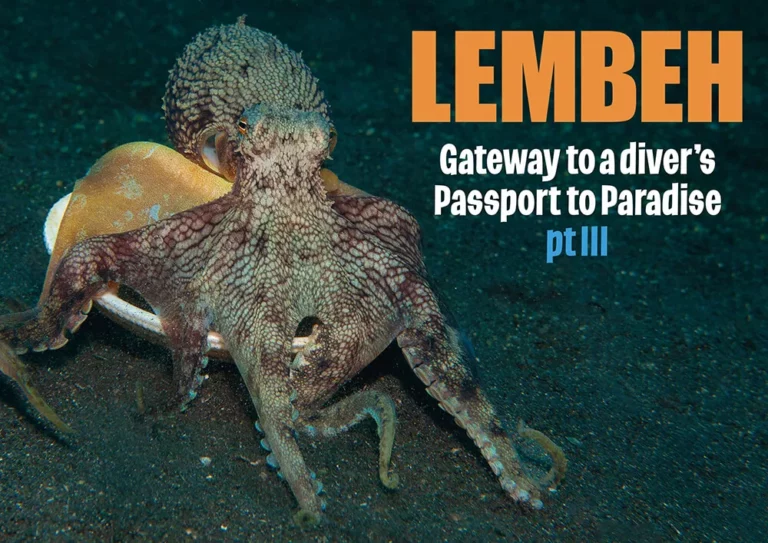
Jayne Jenkins rounds out her Passport to Paradise three-location trip with Murex Resorts as she experiences the ultimate muck diving in Lembeh Strait. Photographs by Jayne Jenkins
This is Part 3 of a three-part exploration of North Sulawesi’s world-class dive destinations by Jayne Jenkins.
Part 1: Murex Manado | Part 2: Bangka Island | Part 3: Lembeh Strait
Lembeh Strait is off the northeastern tip of Sulawesi, Indonesia, and this narrow stretch of water may look like an ordinary dive site, but beneath the surface lies a place full of macro magic, a place where the ordinary transforms into the extraordinary.
Known globally as the ‘Critter Capital of the World’, Lembeh Strait is a macro photographer’s paradise. I was excited to dive Lembeh as my first time had been in 2011 and very lucky to have been with Valerie Taylor. We had amazing dives and I was left with wonderful memories and a want to keep returning. It had taken a while, but well worth the wait.
Seamless Island Transfers: The Passport to Paradise Itinerary
This was the last destination of our Passport to Paradise (aptly named), and the transfer from Bangka to Lembeh was once again a no-fuss affair – just leave packed clothing bags in your room, have dive gear and camera ready to dive, enjoy breakfast and head out for the two dives enroute. When you arrive, everything is there ready and waiting for you.
When booked on the Passport to Paradise with Murex Resorts experiencing three destinations is no hassle (it is not something I would normally do on a trip), the ease of transfers is brilliant and as usual, you get your same dive guide to join you. To experience three such beautiful locations with such different diving is fantastic. Lembeh sector accommodation is at Lembeh Resort, a five-star facility that fits perfectly with itinerary. Like all Murex Resorts, they are committed to sustainable tourism practices.
Did You Know?
Muck diving in the Lembeh Strait, considered the muck-diving capital of the world, involves searching for rare and unusual marine life in dark, volcanic sand rather than on coral reefs. The strait offers a unique, slow-paced diving experience perfect for macro photographers, where divers hunt for critters like frogfish, seahorses, nudibranchs, and various octopus in the silt-covered seabed.
Entering the Critter Capital: What to Expect
Nearing Lembeh by boat, it doesn’t look much like a normal dive site, just a narrow channel of calm sea between the mainland and the lush, surrounds of Lembeh Island. Don’t be fooled, as the strait’s sheltered waters, volcanic substrate, and steady currents create an ideal environment and homes for small, bottom-dwelling creatures to thrive. This is what helps give such weird and wonderful marine life to Lembeh.
World-Class Photography Support at Lembeh Resort
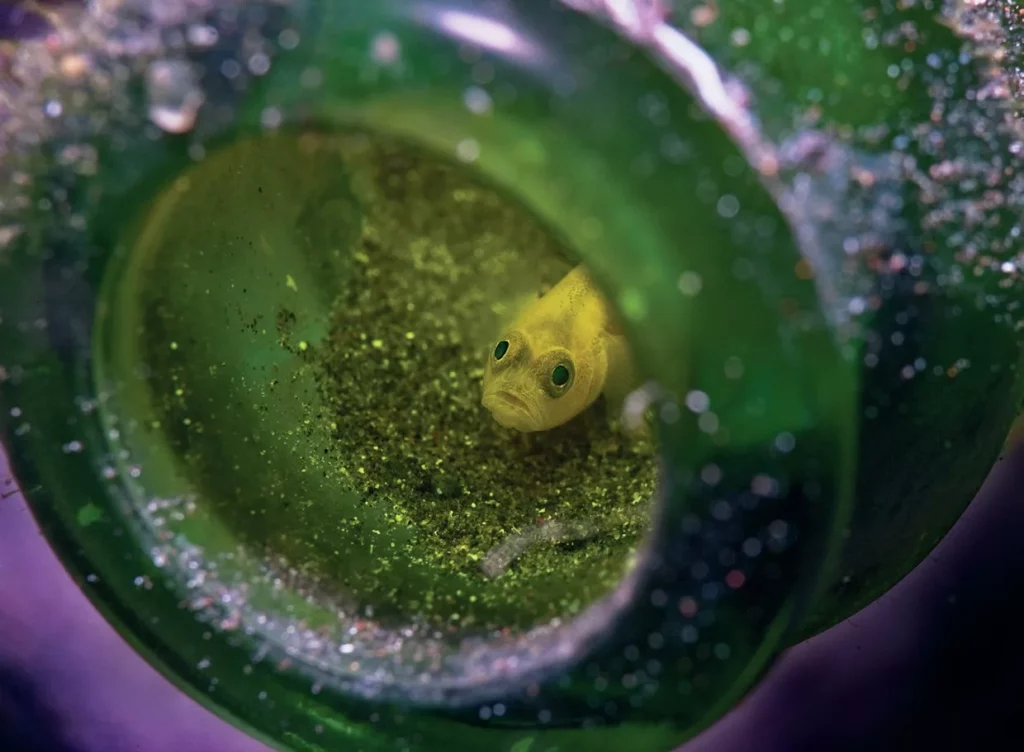
Lembeh Resort is in a class of its own for macro underwater photography. The calm conditions and guides who are local experts having spent decades learning the behaviours and micro-habitats of these local species make it a dream. Their excitement is like it’s the first time to spot either a pygmy seahorse or a coconut octopus, giving so much joy and enthusiasm.
Your well-trained guides know not only all the marine life species and behaviour but the dive sites (about 70 of them) like the back of their hands. Private guides are a great way to explore Lembeh if it is your first time, especially with a camera! It is an ideal way to polish up on your photographic skills. The resorts dive facilities include a dedicated camera room with charging stations and rinse tanks.
It is also home to the first Backscatter Authorized Photo Centre, which can offer hire gear including cameras, housings, lenses, and strobes plus carry out repairs and provide spare parts. There are also numerous photography and videography courses on offer, from entry level to advanced photography and video production. What more can a diver or photographer ask for?
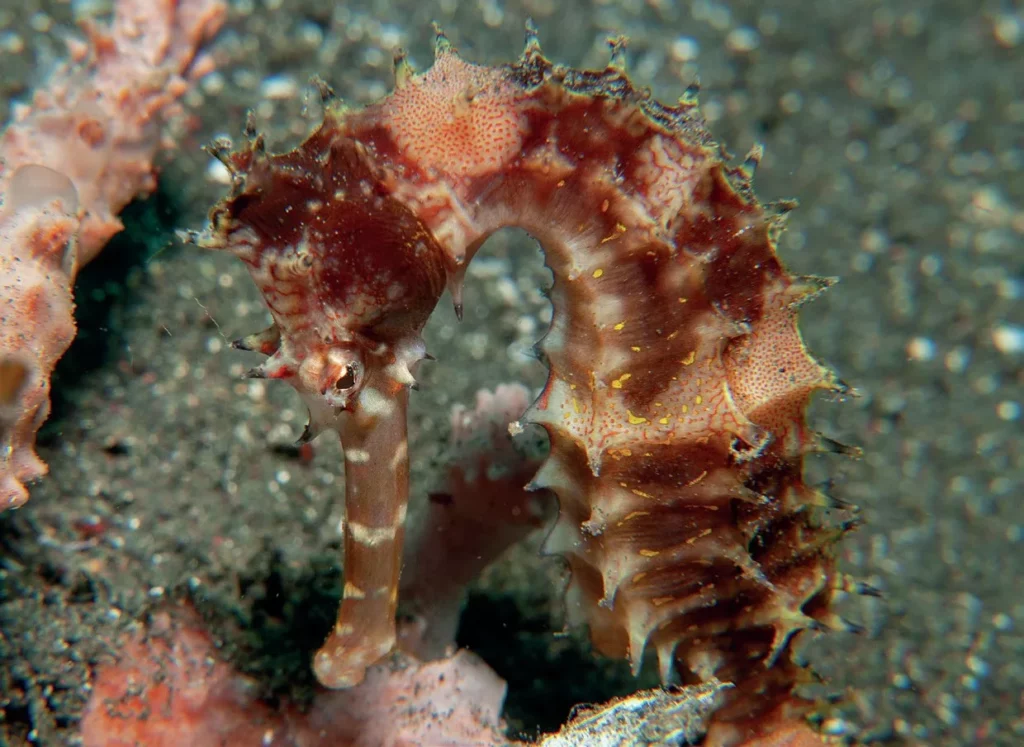
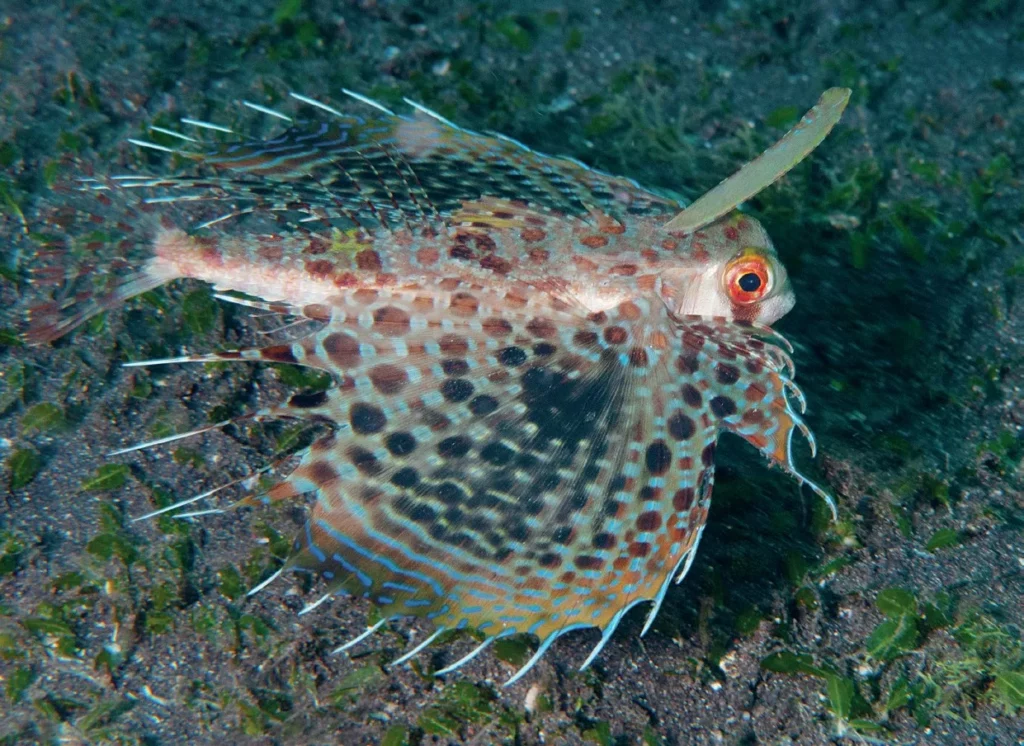
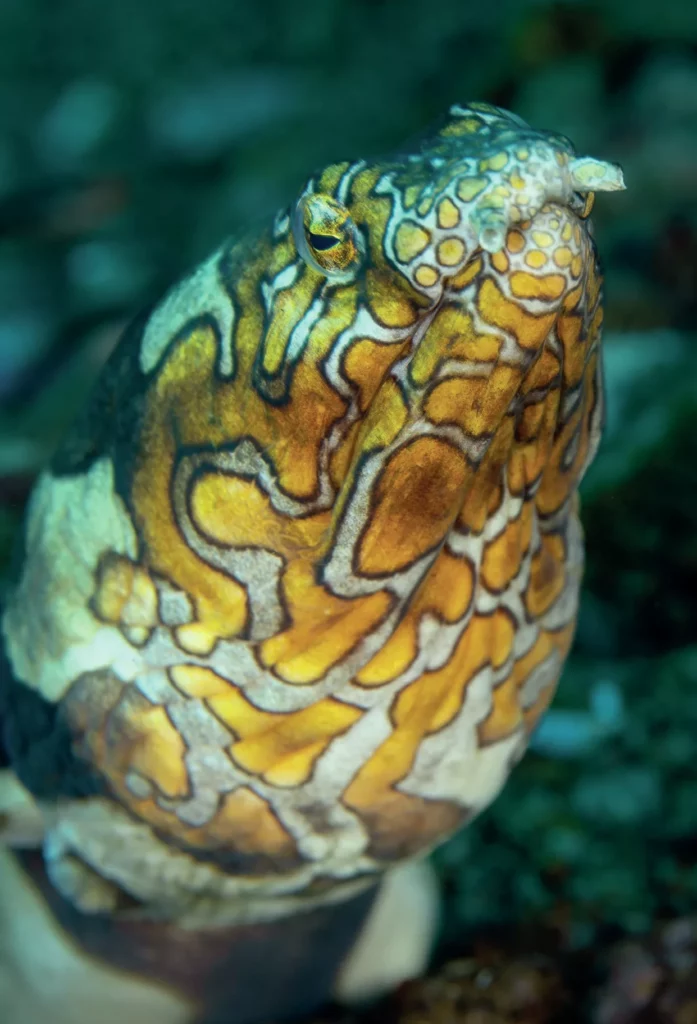
For macro photographers and critter lovers, Lembeh Strait is world class. Each dive site is a reminder of the wonders hidden below the surface of the ocean. It is here that the marine life plays tricks with you, watching wonderful camouflage techniques used for hiding from prey along the sand or in the smallest places. Admiring the way the marine life can mimic other creatures and the bright colours of some that warn predators away. The black sand slopes are alive with life.
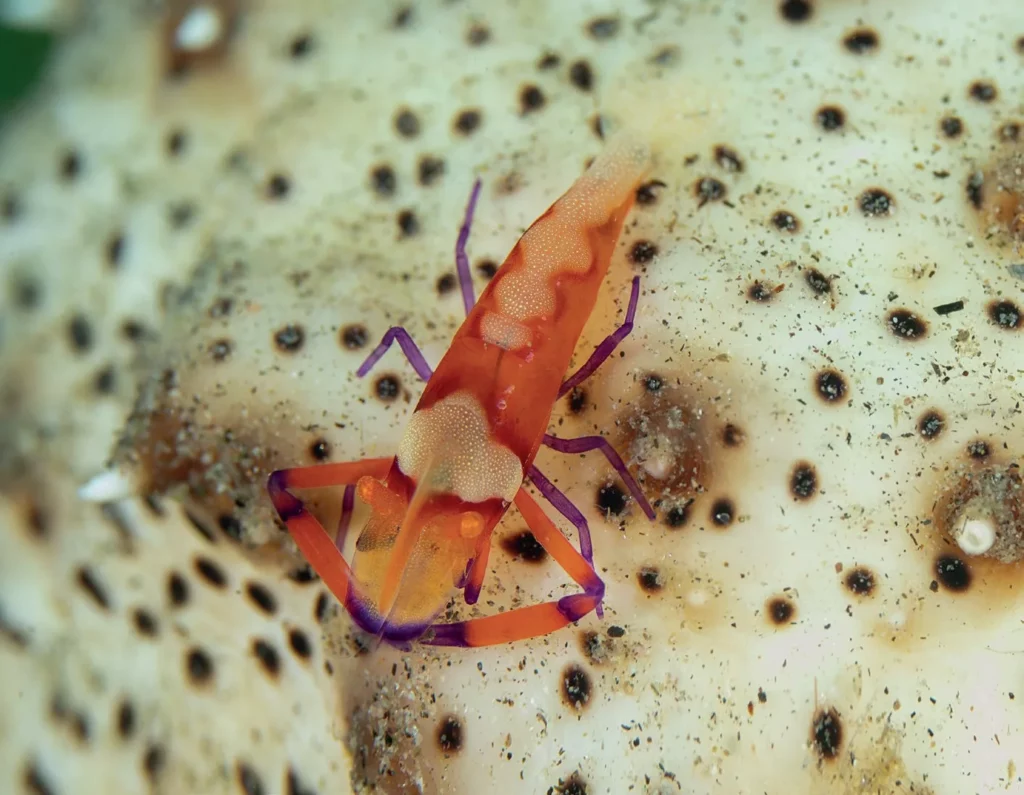
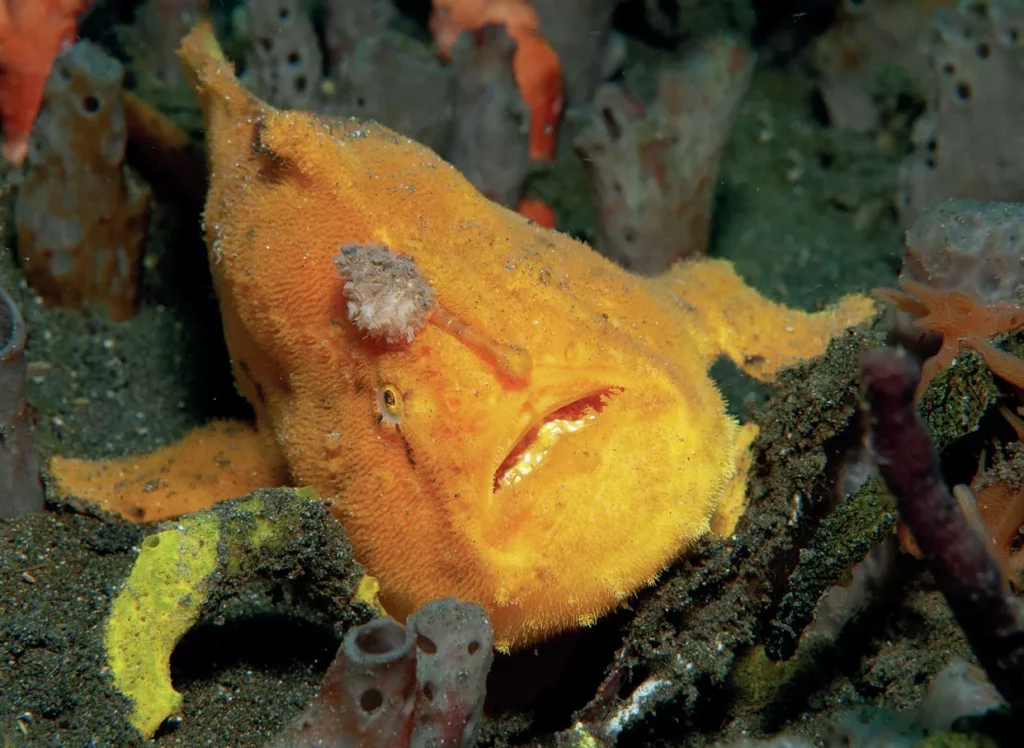
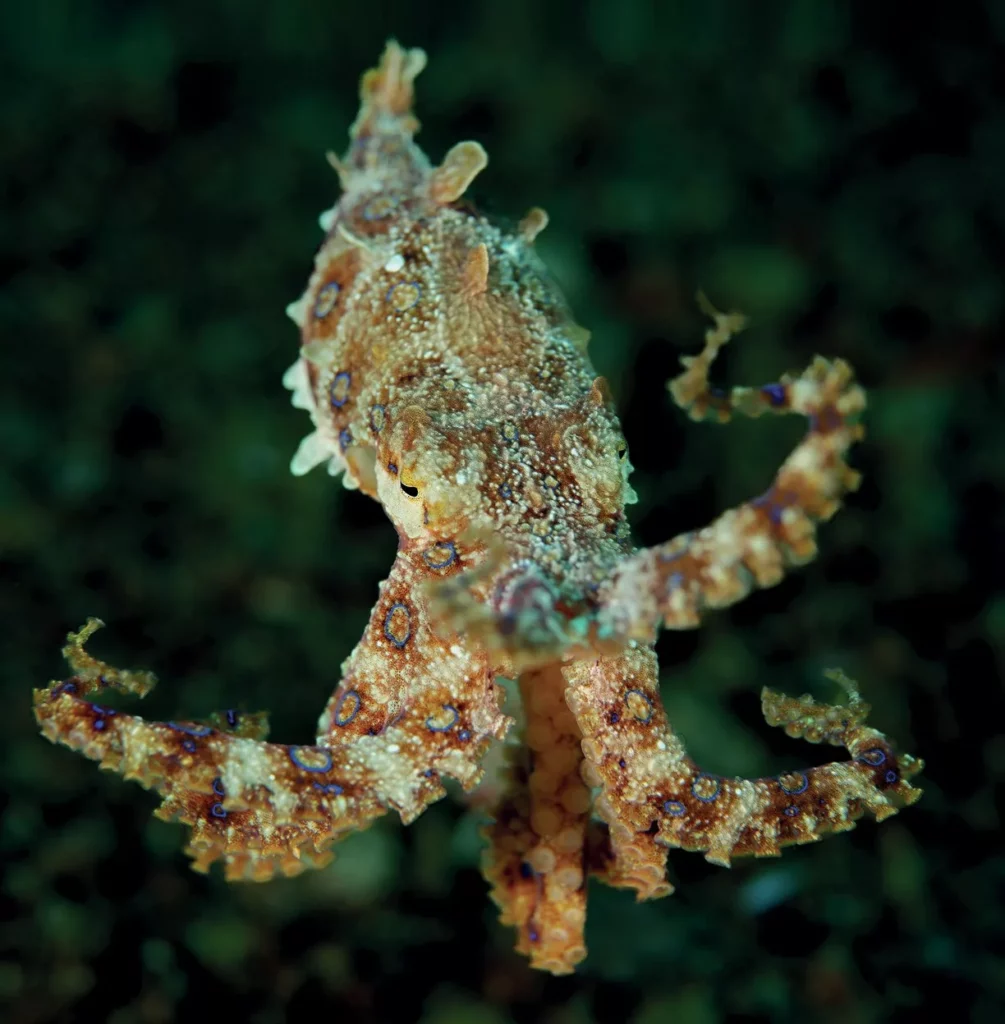
No matter what time of day and evening there is always so much happening. So many frogfish, some hairy, some of various colours, different species of ghost pipefish, octopus in shells, blue-ringed octopus, tiny but dazzling, pulsing with electric warning rings, a mimic octopus impersonating a flounder, flamboyant cuttlefish flashing displaying their beautiful colours. Even smaller life like a nudibranch so vibrantly coloured it looks hand-painted, tiny crabs and shrimps come into view once you learn what to look for. My first descent into Lembeh was like descending into another planet.
“Pygmy seahorse lovers will be delighted, as these tiny creatures can often be found nestled deep inside gorgonians, and the guides are experts at locating them”

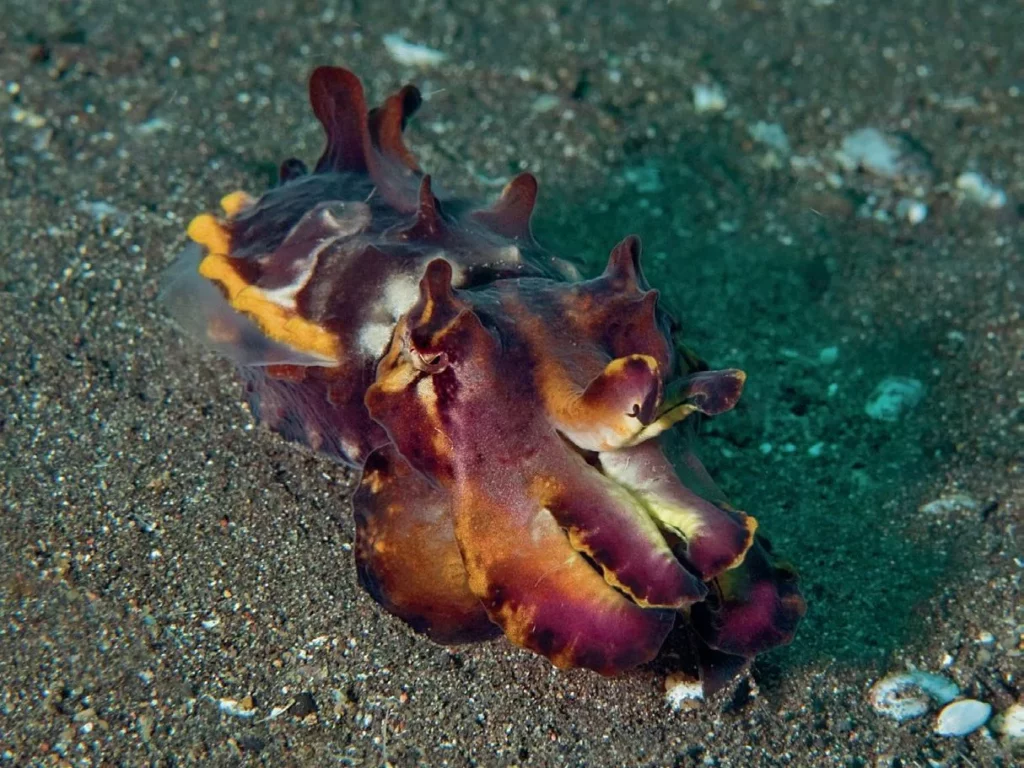
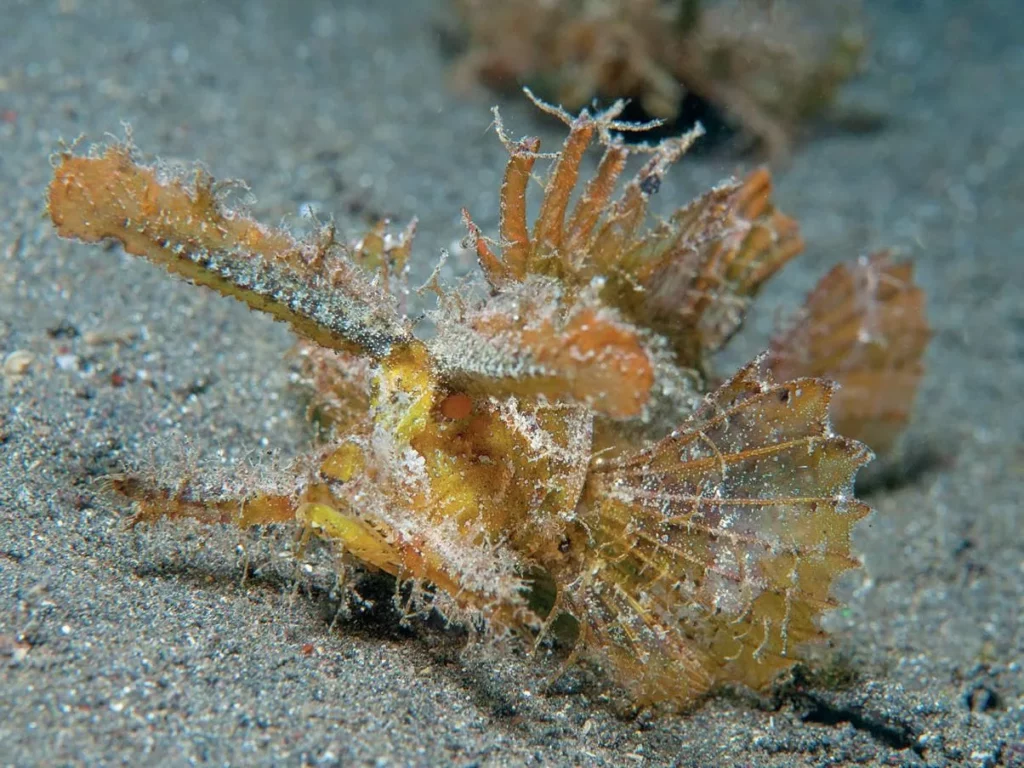
The water is clear but the black sand bottom which gives it mystery, stretches out broken only by the occasional patch of sponge or coral rubble. It’s not the bright coral garden many expect from tropical diving, but within moments, the magic begins to come alive.
Night dives in Lembeh are legendary. Descending into darkness, the beams of torch light highlight the night critters coming out like hunting lionfish, decorator crabs or a scorpionfish. There are also dusk dives for mandarinfish so something for everyone. There is so much to see, every dive brings something new, time just seems to fly by, and diving here has its own unhurried pace with most dive sites just a short boat ride from the resort, so between dives there’s time to relax. It’s about slowing down, tuning in, and letting the ocean show you her secrets one by one.
Beyond the Muck: Beautiful Coral Reefs and Land Excursions
While Lembeh is best known for its muck diving, it isn’t all about the small stuff. The region also boasts beautiful coral reef dives, home to vibrant hard and soft corals, sea fans, and reef fish. Pygmy seahorse lovers will be delighted, as these tiny creatures can often be found nestled deep inside gorgonians, and the guides are experts at locating them.
After a day of amazing diving, you need a great place to refuel and rest. The resort’s luxury cottages are a spacious sanctuary, hidden away by tropical gardens connecting you with nature and views of the ocean and some of the best sunsets. Like all resorts the staff are friendly and welcoming and there for every need.
On your last day before flying if you have not already done so, Tangkoko National Park, home to rare wildlife such as the black-crested macaque and the tiny spectral tarsier, is an easy trip from Lembeh, or visit on your return to Manado.
Like Murex Resorts, Lembeh Resort is committed to keeping the beautiful resort clean and environmentally conscious. At every step, they endeavour to tread lightly on the island by reducing emissions, minimizing our use of plastic, conserving water, and using renewable energy sources whenever possible. Thy have established the Lembeh Foundation to raise environmental awareness, empower local communities, and create lasting, meaningful impact for people and the planet. They also create employment opportunities for local people and continue to nurture their professional growth through regular training and skills development.
Did You Know?
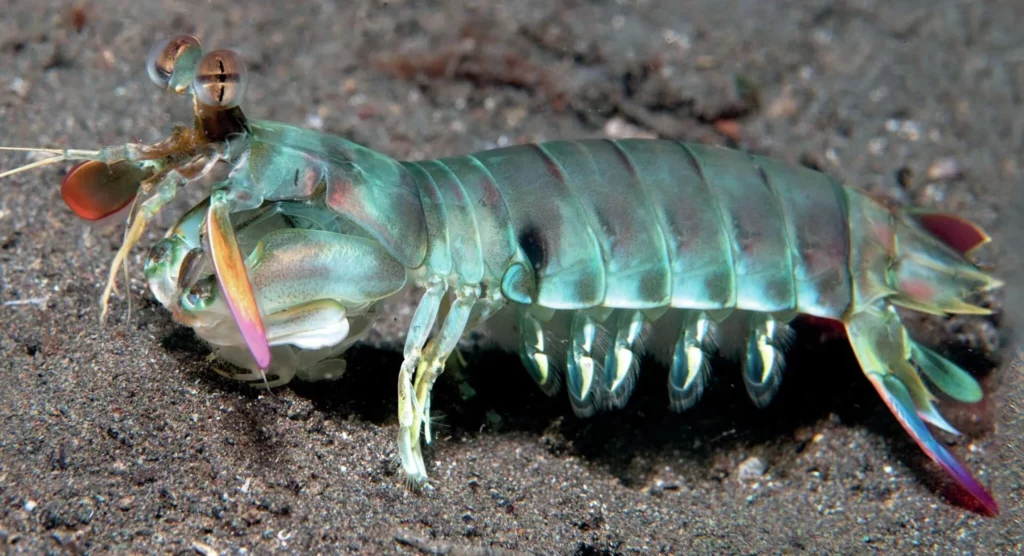
Contrary to their name, mantis shrimp are neither shrimp nor mantises. They are classified as stomatopod crustaceans and are a distant relative of the shrimp. While the peacock and zebra mantis shrimp are the most common species spotted by divers, there are over 450 different species varying in size and colour.
The Passport to Paradise can be reversed and start at Lembeh, finishing at Bunaken. Check out the website for more details: www.murexresorts.com
Lembeh isn’t just a destination – it’s an experience that transforms the way you see the ocean. From the tiniest critters hidden in black sand to the dedicated people who protect and share this extraordinary place, Lembeh truly earns its reputation as a Passport to Paradise.
” While Lembeh is best known for its muck diving, it isn’t all about the small stuff. The region also boasts beautiful coral reef dives “
FAQs
What makes diving in Lembeh Strait so famous?
Lembeh Strait is widely recognized as the “Critter Capital of the World.” Unlike traditional coral reefs, its volcanic black-sand slopes host an unparalleled concentration of rare, bizarre, and unique macro marine life, making it a bucket-list destination for underwater photographers and macro enthusiasts.
What kind of marine life can you see in Lembeh Strait?
What is the “Passport to Paradise” dive experience?
The Passport to Paradise is a seamless diving journey across North Sulawesi created by Murex Resorts and Lembeh Resort. It allows divers to explore three distinct underwater ecosystems—Manado (Bunaken’s walls), Bangka Island (soft coral pinnacles), and Lembeh Strait (muck diving)—with boat-diving transfers between resorts so no diving days are wasted.
Is the Lembeh Strait suitable for beginner divers?
Yes, while it is a haven for seasoned underwater photographers, many dive sites in the strait feature gentle slopes, minimal current, and shallow depths. However, excellent buoyancy control is essential to avoid kicking up the fine black volcanic sand and disturbing the critters.
When is the best time to dive in Lembeh Strait?
Diving in Lembeh Strait is excellent year-round. However, for the highest concentration of rare critters, the dry season from July to October often brings cooler waters, which many macro species prefer.
This article was originally published in Scuba Diver Magazine
Subscribe today with promo code DIVE1 — enjoy 12 months for just £1!
