Centuries-old allegations of deceitful practices on the part of West African traders have been cast in doubt by cutting-edge analysis of gold recovered by scuba divers from an early 18th-century pirate shipwreck.
The wreck was the Whydah Gally, which sank off Cape Cod in Massachusetts more than 300 years ago. It was found by archaeological diver Barry Clifford under 1.5m of sand at a depth of only 4m in 1984.
For more than a thousand years, West African gold ranked among the world’s most coveted commodities. Akan gold-miners, primarily in what is now Ghana and Ivory Coast, dominated production from the 15th to the 19th centuries, extracting the precious metal through alluvial panning and dangerous shallow-shaft mining.
However, from the 17th century European traders started claiming that the gold sold by Akan merchants was heavily adulterated with baser metals such as silver or copper. The allegations spread and became widely believed.
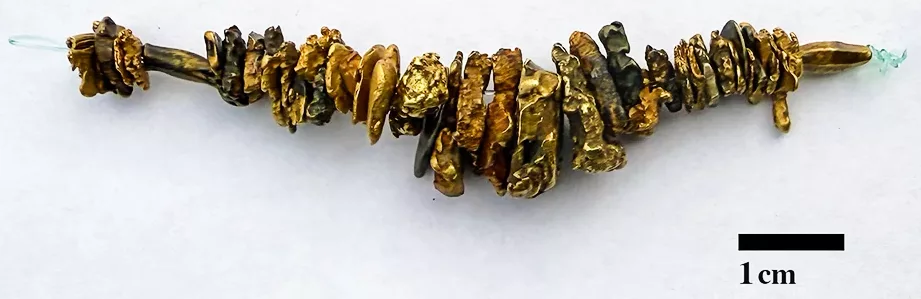
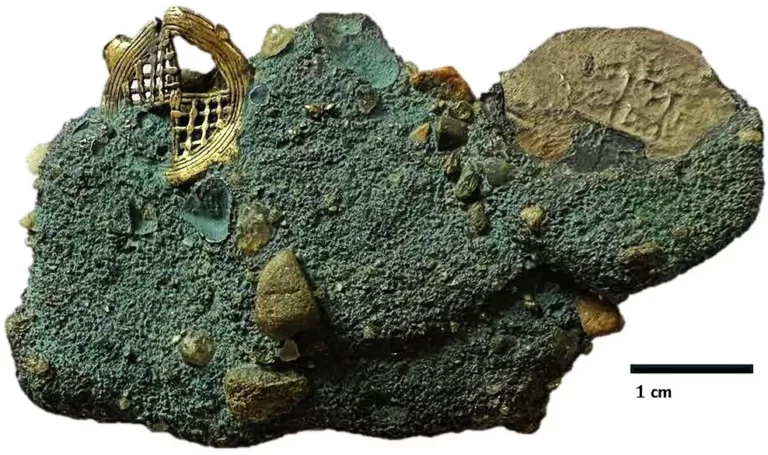
Now researchers have examined a selected 27 gold items that were recovered from the wreck, using a sophisticated combination of portable X-ray fluorescence and scanning electron microscopy, according to the Whydah Pirate Museum in Massachusetts – and have come up with what they say is the first scientific data to dispel those claims of fraud.
The advantage of studying Whydah gold is that its date is incontrovertible because the sinking was on record. And by and large the gold was found to be legitimate, according to the researchers, with no apparent attempt having been mde to deceive buyers.
The relatively high silver content seems merely to reflect how gold is known to emerge from the natural deposits in what is now Ghana’s Ashanti Gold Belt, while small traces of copper found in cast artefacts are thought to have been no more than would have been used in standard goldsmithing processes.
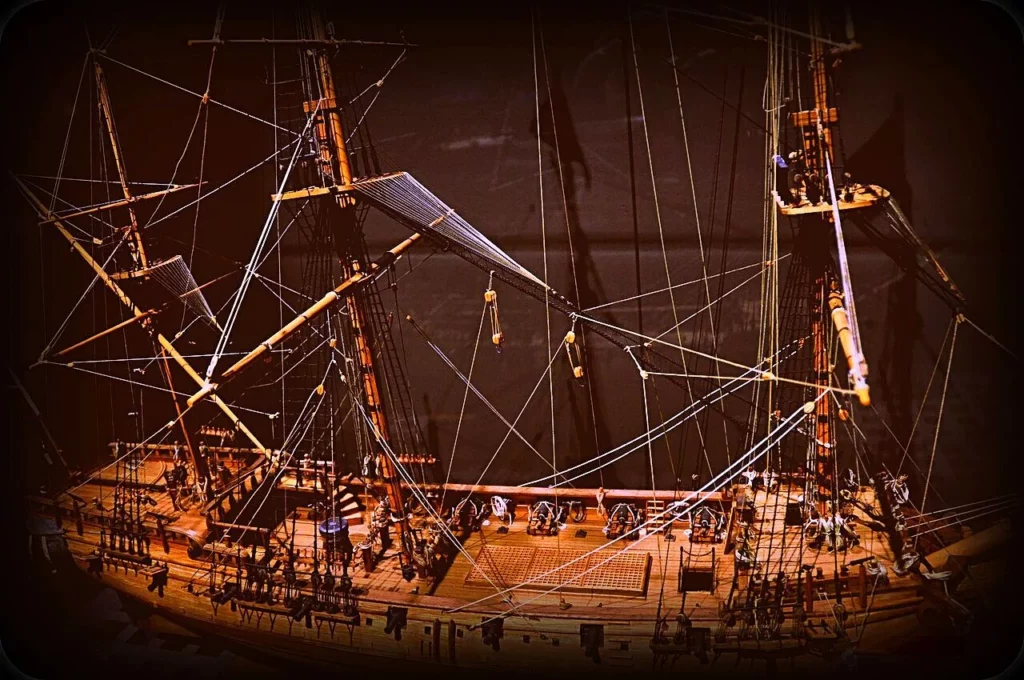
The Whydah Gally
Built as a passenger, cargo and slave ship in England in 1715, the Whydah Gally had sailed the following year to collect goods to trade in the Caribbean from what is now Ghana. In the Bahamas it was captured by the British pirate captain Samuel ‘Black Sam’ Bellamy, who made it his flagship.
The vessel capsized in a storm on 26 April, 1717 near Marconi Beach in Wellfleet, Massachusetts, with the loss of Black Sam and most of his crew. Clifford found the wreck using a “treasure-map” made in the year of the sinking.

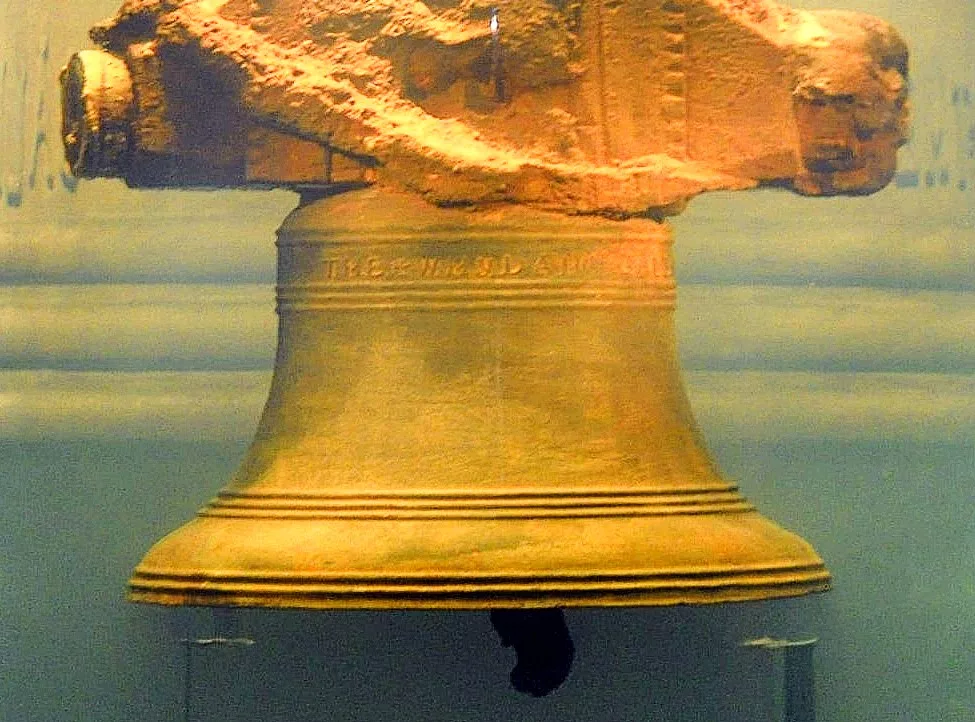
Extensive underwater archaeology subsequently saw more than 200,000 individual items recovered from the site, including the ship’s bell – the inscription on which established the Whydah Gally as the first-ever pirate shipwreck to be authenticated.
Clifford, as owner of the wreck, went on to open the Whydah Pirate Museum and later the Real Pirates museum, both in Massachusetts, and among his team’s finds were the 300 Akan gold pieces that formed the basis for the recent research.
Extracted from iron concretions and examined in detail were eight fragments of artefacts cast using the lost-wax technique, along with 15 unworked nuggets and four pieces of uncertain origin.
The allegations of fraud are now thought have emerged from speculation and rumour based on European colonial self-interest and distrust of the emerging wave of African merchants. The study, of which Clifford’s son Brandon is a co-author, has just been published in the journal npj Heritage Science.
Also on Divernet: Pirate bones found on Cape Cod shipwreck, Blackbeard meant to run ship aground, What pirates liked to read