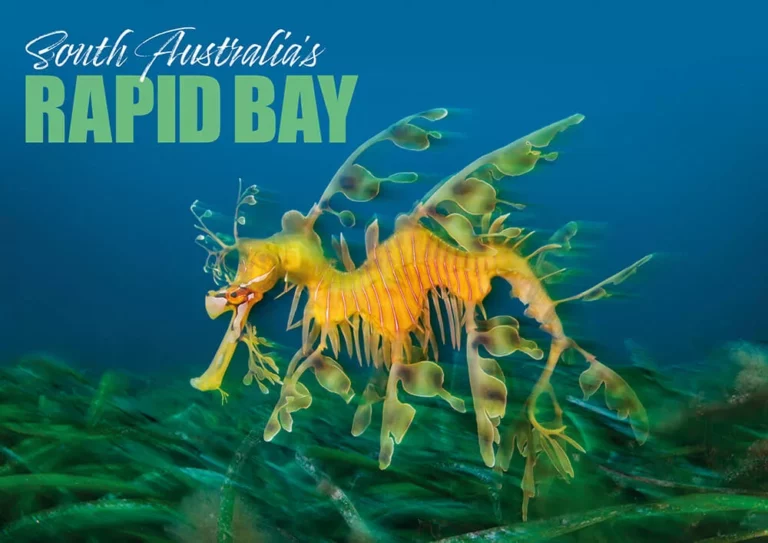
South Australia is one of Talia Greis’ favourite destinations to visit, and it’s not because of the beautiful rolling hills, stellar wine regions or the breathtaking sunset views over the Fleurieu Peninsula – it’s because it holds the key to a world-class dive site known as Rapid Bay. Photographs by Talia Greis
Rapid Bay boasts a thriving underwater ecosystem that attracts the beautiful and elusive leafy seadragon, but this beloved dive site teeters on the precipice of being lost to the sea, as divers and local business’ fight to keep the jetty afloat following the devastating impact of a storm.
History
Located on the Fleurieu Peninsula (about an hour from Adelaide), Rapid Bay is a monstrous jetty that stretches out over 488 metres into the middle of the ocean. This historic landmark, built in 1942 to support limestone mining operations, has long since been abandoned and closed to fishermen and pedestrians. Today, it stands as a monumental dive site, renowned for its thriving population of leafy seadragons. In response to the need for a more-modern and efficient structure, the construction of the ‘new’ Rapid Bay jetty was built side by side to its older cousin.
“They may look big, bright and golden in all the photos you’ve seen, but without strobes to make them shine, they’re just going to look like the inexhaustible amount of kelp floating around the jetty”
Today it serves as the platform for fishermen and determined divers who make the 240-metre trek to the end in order to swim out to the historic Old Jetty. However, and I can’t stress this enough, the thriving underwater ecosystem that awaits is well worth the struggle.
The Old Pier of Rapid Bay
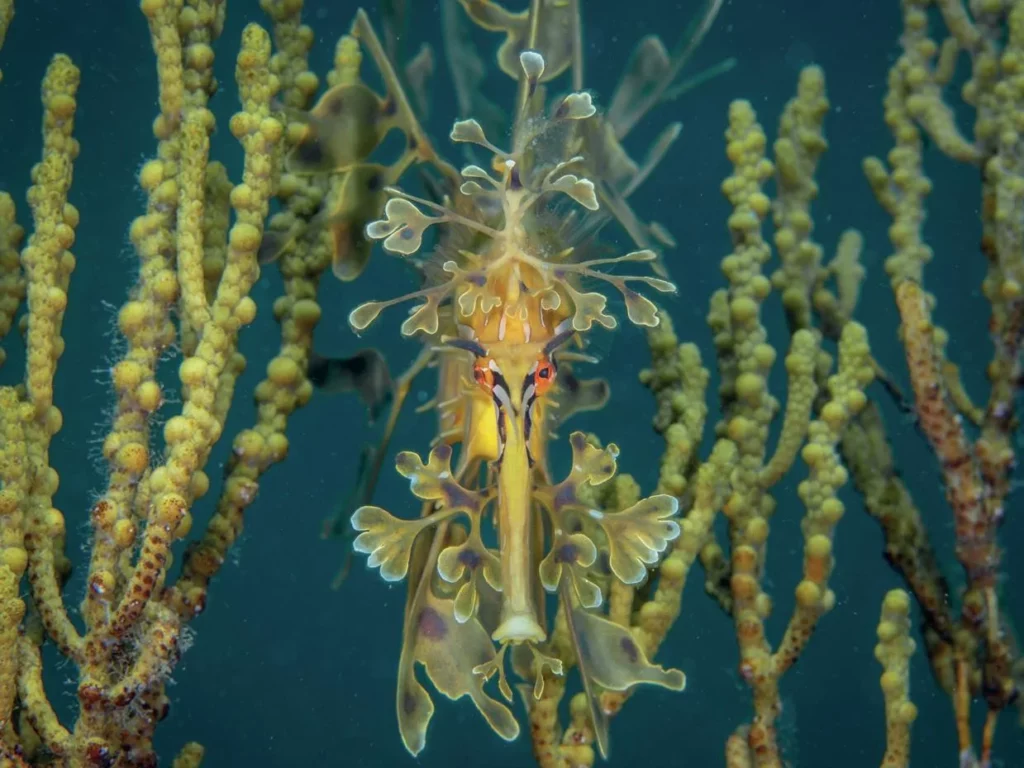
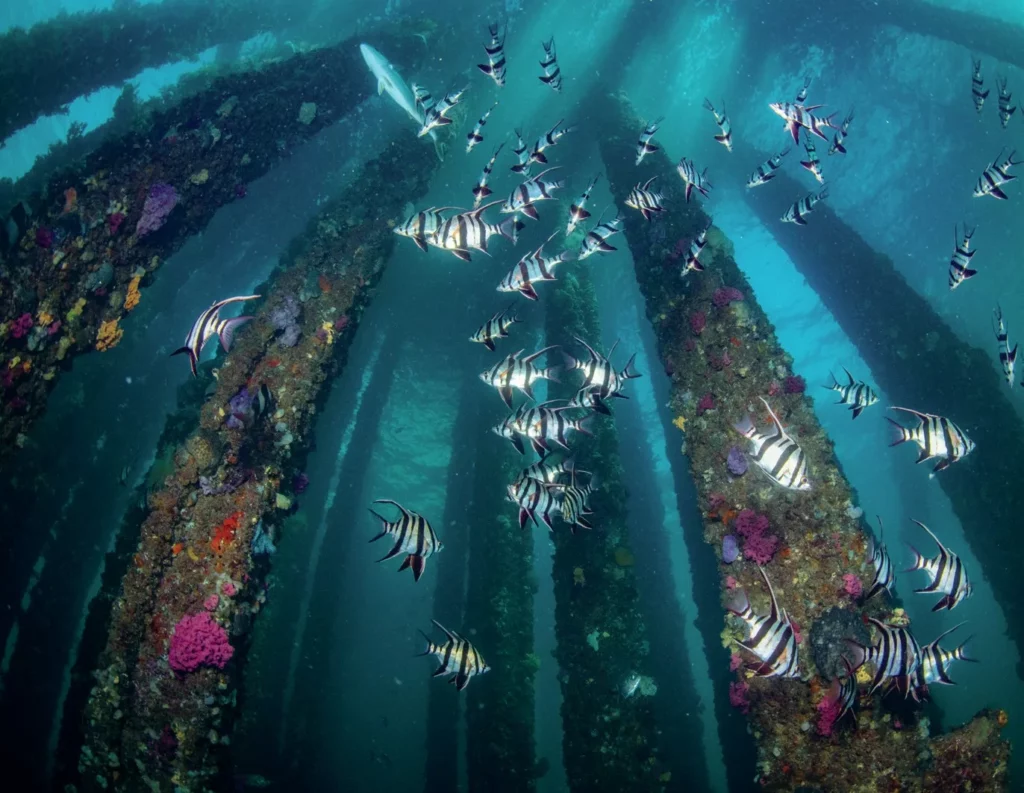
After the long trek down the new jetty, swimming over to the old jetty, and a hefty surface swim past the split pylons, the descent into Rapid Bay’s dive site is surreal. In fact, it’s so overwhelming you don’t know where to start – high towering pylons decorated with coral growth, fallen debris and artificial reefs, schooling fish and odd bottom dwellers in and around every hidden corner. It’s hard to not get side tracked on the long journey down the jetty, but I’ve often found that the real magic sets in at the T-section at the end. If you haven’t gotten too distracted and make it to this part of the dive with enough gas, the hunt can begin for the elusive leafy seadragon, which I’ve found to be (without doubt) the most-camouflaged and enveloped creature I have ever seen. But man, are they beautiful!
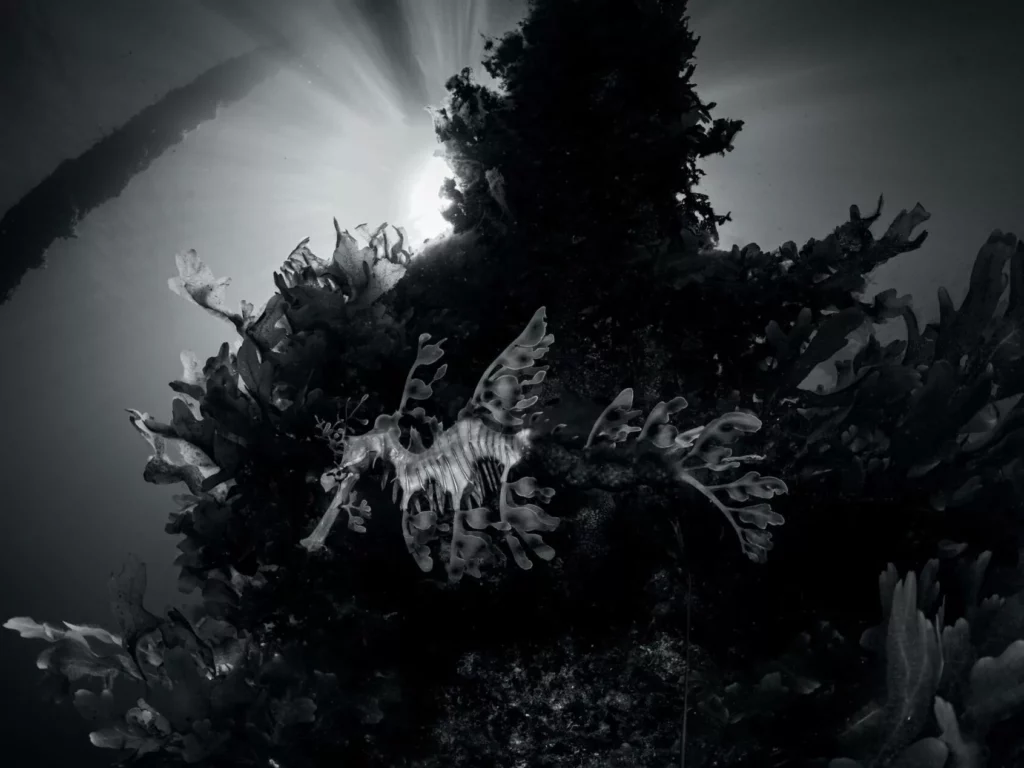
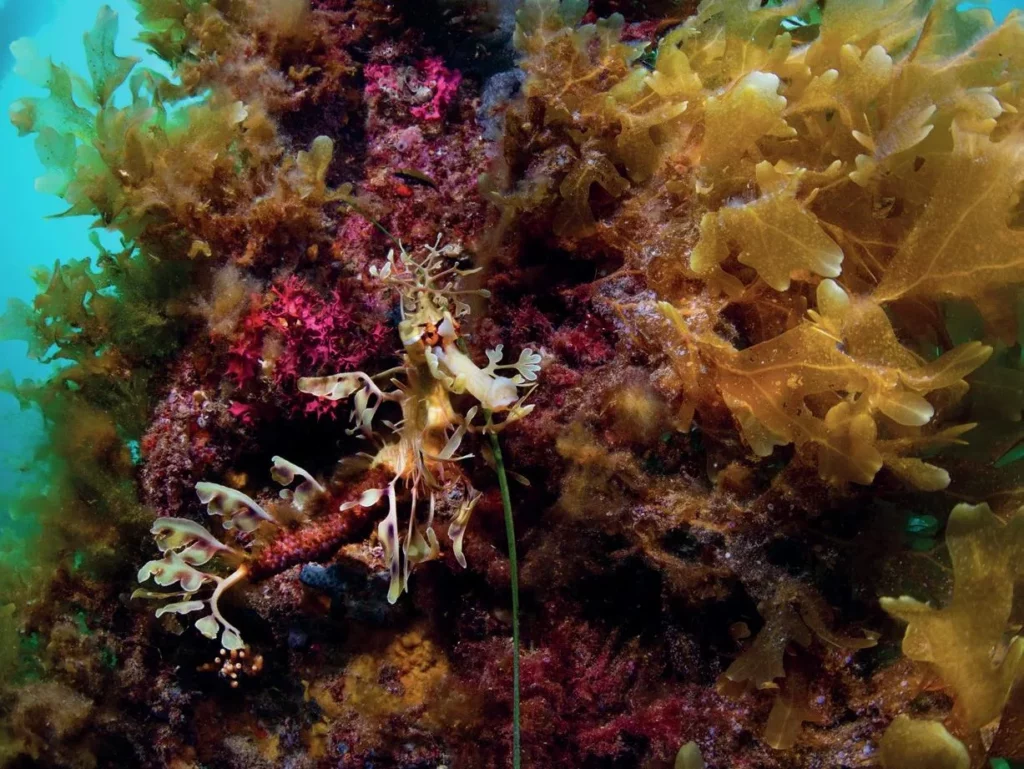
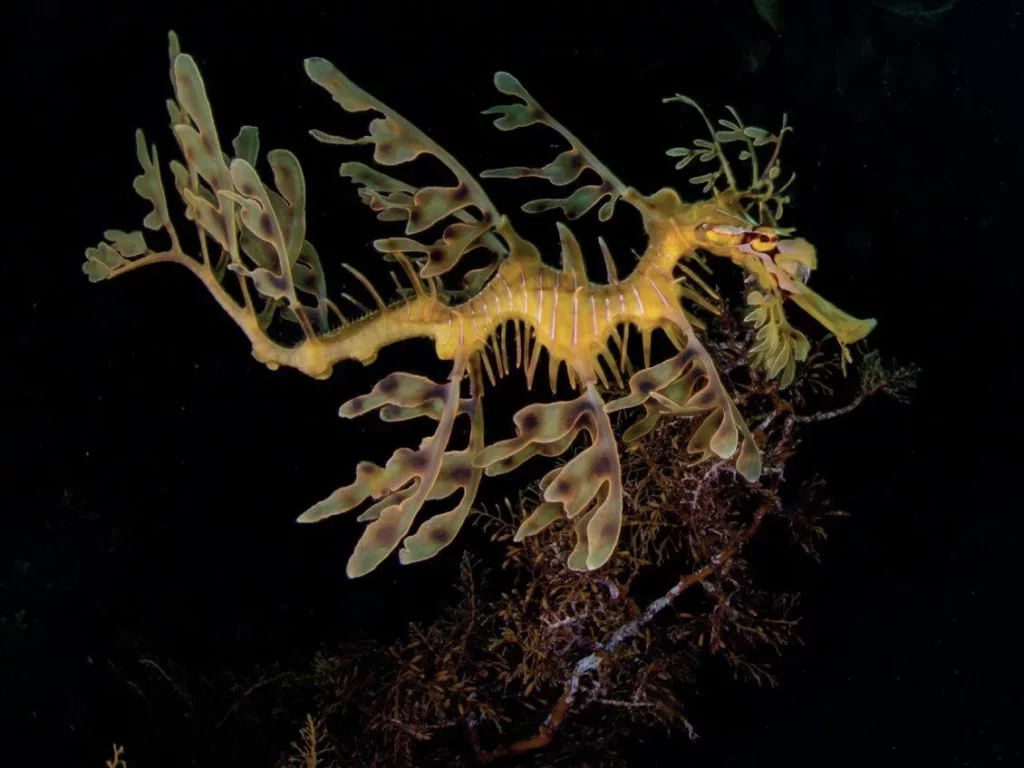
Their location shifts with the seasons as the leafies settle into their preferred spots, but I’ve often found that taking a left at the T-section is almost always a sure bet Because leafy seadragons are so good at staying hidden, the best way to cover the grounds of the 240-metre T-section is to zig zag up and down the pylons, slowly making your way down to the end of the left side, keeping a clear visual picture of what they look like in your head. They may look big, bright and golden in all the photos you’ve seen, but without strobes to make them shine, they’re just going to look like the inexhaustible amount of kelp floating around the jetty. Because they’re exceptionally poor swimmers, they usually cling to the pylons for shelter -especially in surgy conditions – and remain relatively close to the ocean floor.
Did You Know?
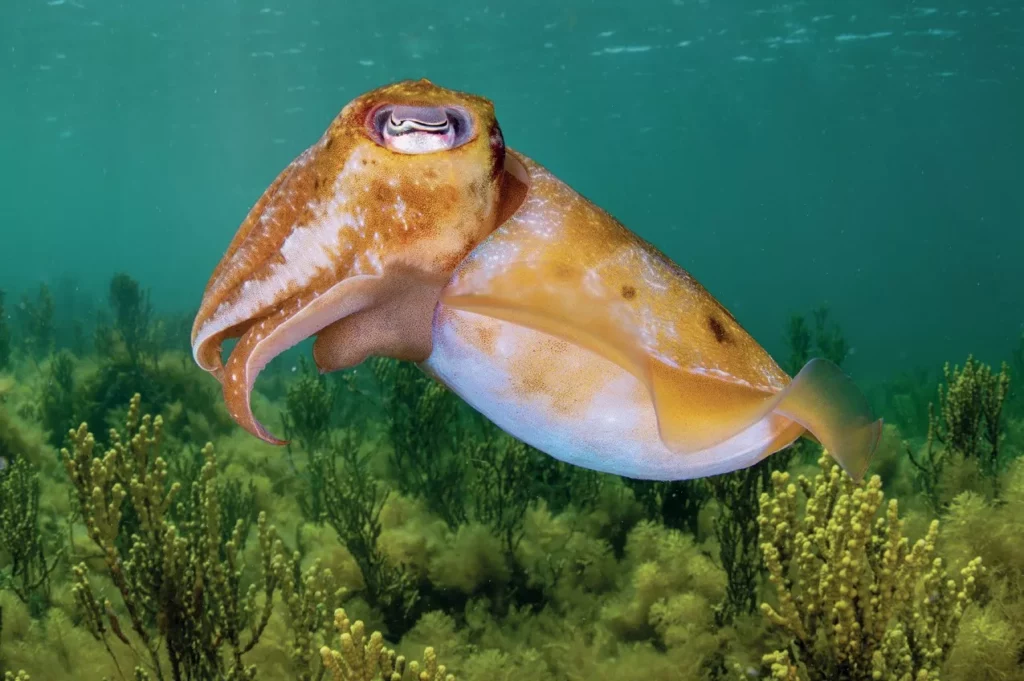
Although the main point of focus for Rapid Bay is leafy seadragons, an entire world of underwater magic can be discovered at every hidden corner. Schooling old wives, southern blue devil fish, nudibranchs, cuttlefish, smooth rays, octopus, and even the occasional seal or dolphin. Time allocation is paramount in order to make the most of your dive.
Leafy seadragons
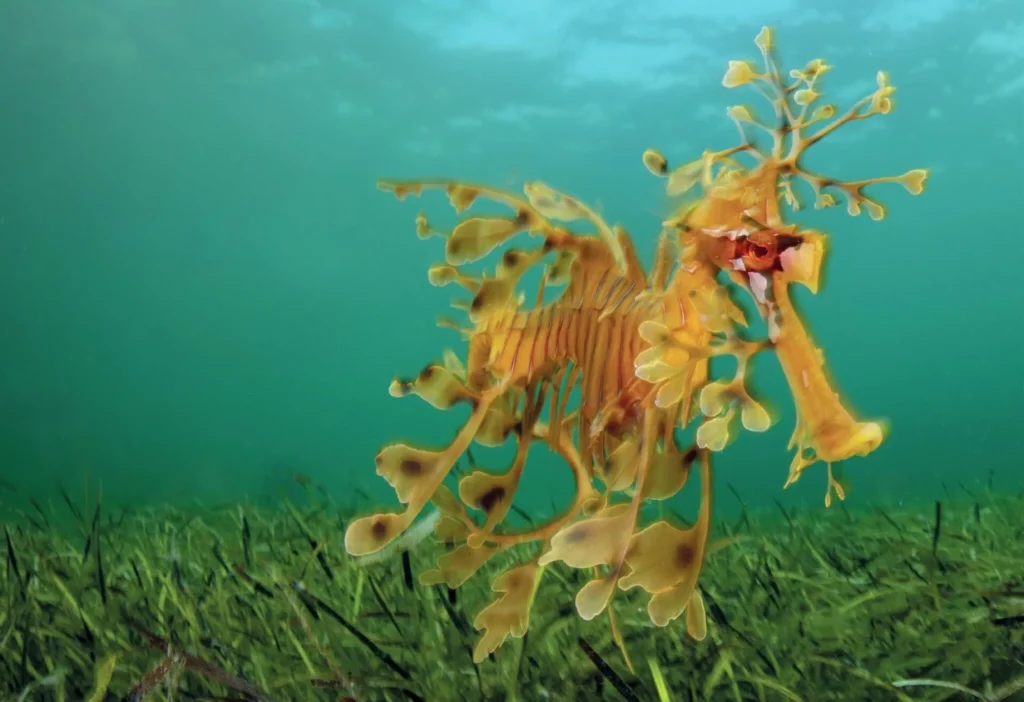
What a lot of people don’t know about leafy seadragons is their vulnerability in the face of stressful situations. These beautiful creatures have delicate swim bladders which help to control their buoyancy, but like other marine creatures, rapid changes in depth can cause an expansion of gases in their bladder which can be incredibly harmful and sometimes fatal. Upon approaching, admiring, or photographing them, it’s extremely important to be mindful and aware of their movements – if they start to rise, it’s time to retreat and give them some space. Buoyancy and good diving etiquette is also extremely important at this particular site – being masters of camouflage serves these creatures well in the face of underwater predators, but can be a curse in the face of ‘lawn mower’ divers kicking up the substrate.

Did You Know?
Given the sheer grandeur of this site, it’s important to come prepared and ready for anything. Being mindful of gas consumption and knowing when to turn around is essential as it is a long swim back to the starting point. No one likes a drawn-out surface swim.
“Upon approaching, admiring, or photographing them, it’s extremely important to be mindful and aware of their movements – if they start to rise, it’s time to retreat and give them some space”
The future of Rapid Bay
In June 2025, a 20-metre exclusion zone was placed around the old jetty after it was hit by a monstrous storm, which rendered the structure unsafe. This was a devastating blow to local business owners like Peter Corrigon from Sea Dragon Dive Lodge, who was already suffering due to the state’s algal bloom. Now the future of Rapid Bay is in the government’s hands, who initially claimed they lacked the funds to repair the jetty, abandoning the prospect of any future diving in the area.
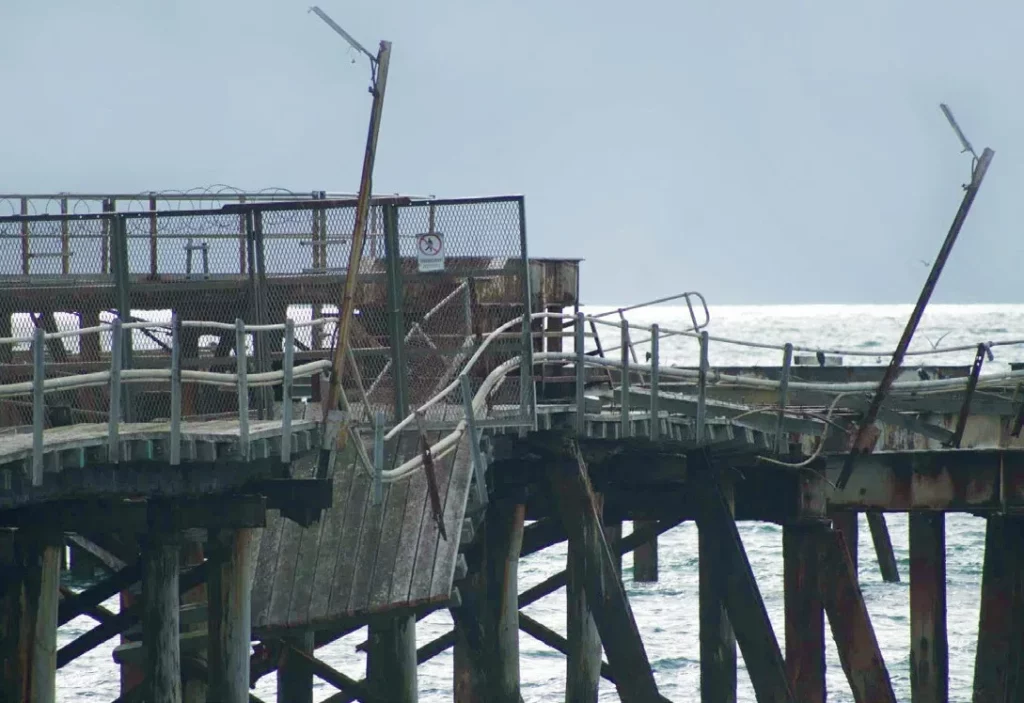
However, divers and tourism operators like Pete are fighting to keep the dream alive, remaining positive for a good outcome by lobbying the South Australian Government to reduce or remove the exclusion zone all together. A decision is set to be made at the end of this year, so stay tuned – if the exclusion remains, this national treasure may soon become a distant memory for those fortunate enough to have experienced it. As divers, we all have those special places close to our heart that keep us coming back. For years I’d make my journey through the rolling hills of the peninsula to experience Rapid Bay and its leafy wonderland. And although I’m grateful for the memories captured through my lens, I’m also saddened by its closure and undetermined future. If you’d like to take action and see the pier reopen, hop online at: www.change.org/p/restore-water-access-to-the-old-rapid-bay-jetty in order to sign a petition to order to restore in water access to the beloved Australian dive site.
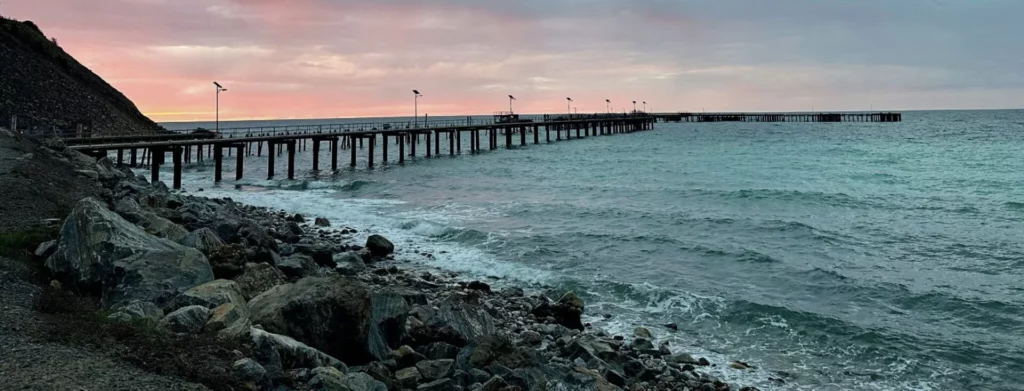
Four hundred metres out at the end of the pier, you truly feel at the mercy of the ocean, which can often strike up an almost-eerie and ominous ambiance. And sometimes for good reason. I once had a breathtaking encounter with a school of 50-plus kingfish jetting through the water at full speed, about ten metres off the pier and heading into open water. I couldn’t help but wonder if they’re hunting or being hunted. Later that day a fisherman reported having seen a great white shark at that exact location chasing kingfish.
This is, after all, a very sharky part of the world. Still, if you can summon the courage to venture away from the jetty and into the beautiful seagrass gardens surrounding it, you’ll be rewarded with countless opportunities to spot leafies drifting gracefully among the blades.
For a deeper look at the incredible biodiversity found in this region, check out our ultimate South Australia dive guide.
FAQs
Why is South Australia’s Rapid Bay considered a world-class dive site?
The site is globally renowned for its thriving marine ecosystem, particularly because it serves as a reliable hotspot for the rare and highly camouflaged leafy seadragon. The towering old jetty pylons are covered in vibrant soft corals and support massive schools of temperate fish.
Where is the Rapid Bay dive site located?
Rapid Bay is situated on the spectacular Fleurieu Peninsula, approximately a one-hour drive south of Adelaide, South Australia.
What is the current status of the old Rapid Bay jetty for divers?
Following a devastating storm in June 2025, a 20-metre exclusion zone was placed around the historic old jetty structure due to safety concerns. Local divers and tourism business owners are actively campaigning to remove or reduce this restriction to restore full water access.
How do you find leafy seadragons when diving at Rapid Bay?
Because they perfectly mimic surrounding kelp and floating debris, finding them requires patience. Divers should swim out to the T-section of the jetty, take a left, and move in a slow zig-zag pattern up and down the pylons close to the ocean floor where they seek shelter.
What diving etiquette should be followed near leafy seadragons?
Leafy seadragons are highly fragile and vulnerable to stress. Divers must maintain excellent buoyancy to avoid kicking up the substrate, use natural light where possible, and back away immediately if the creature begins to rise vertically, which indicates a dangerous stress response.
This article was originally published in Scuba Diver Magazine
Subscribe today with promo code DIVE1 — enjoy 12 months for just £1!
