Diving archaeologists believe they have finally established the identity of an Indian Ocean shipwreck – and it looks to have been the victim of one of the richest pirate plunderings of all time.
On 8 April, 1721, Portuguese armed galleon the Nossa Senhora do Cabo, which had started life as a Dutch man-o’-war, was captured near the island of Réunion. A severe storm had left it stranded and vulnerable to attack, with the loss of its masts and some two-thirds of its 72 cannon.

The last people its crew would have wanted to encounter at that point were the notorious French pirate Olivier “The Buzzard” Levasseur and his English counterpart John Taylor.
The ship had been sailing around Africa home to Lisbon from the Portuguese port of Goa in India, carrying gold and silver bars and coins, gemstones, Chinese porcelain, textiles and religious art – valued at today’s prices at more than £100 million.
Also onboard were 200 enslaved Mozambicans – 60 if whom died when the ship was taken – the outgoing Portuguese viceroy, who would later be released in return for a ransom, and the Archbishop of Goa, whose fate is unknown.
The pirates sailed more than 600km south to Madagascar with the Nossa Senhora do Cabo in tow to divide their booty at the secluded pirate-island hideaway of Sainte-Marie, now known as Nosy Boraha, off Madagascar’s east coast.
Levasseur refitted the ship there, renaming it Victorieux, but he and Taylor later parted ways following a dispute, and the Buzzard burnt and scuttled the ship close to the island.
Diving difficulties
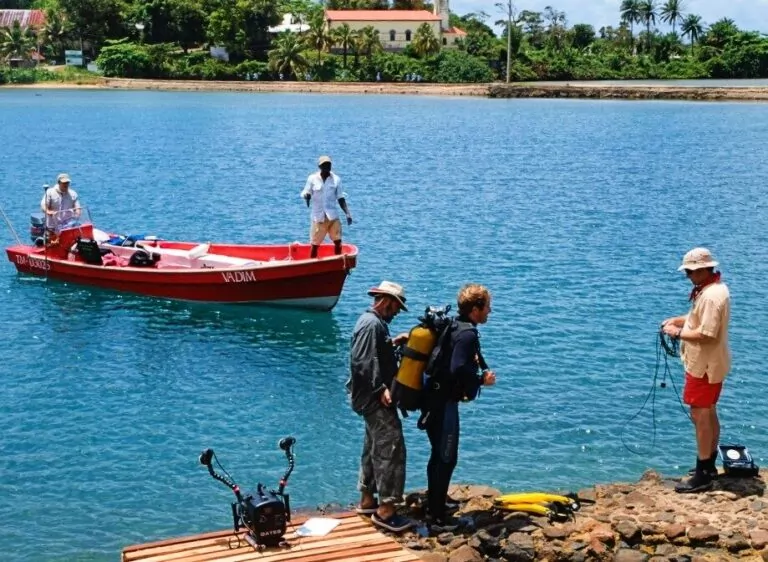
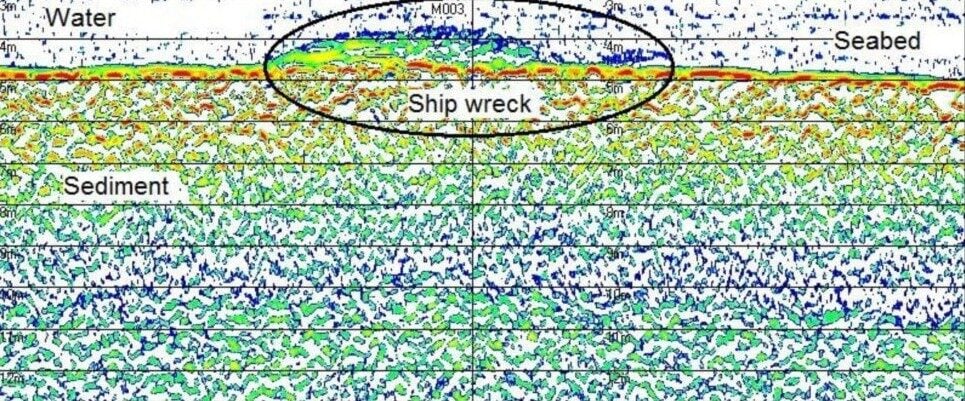
The Massachusetts-based Centre for Historic Shipwreck Preservation (CHSP) has been investigating this and other wreck-sites off Nosy Boraha since 1999, though their excavation work has been hampered by the thick layers of sand and silt that have now all but enveloped the wreck-site.

“After spending years diving at these sites, the biggest challenge initially was the remoteness of the area,” CHSP co-founder and director Brandon Clifford told Divernet. “We had to ship in everything, from compressors and lead to cylinders and other gear.
“Interestingly, some of our old equipment that we left behind actually helped to establish a local dive-centre.
“Environmental factors can also be difficult. As in many harbours, visibility drops quickly after rain. The bottom is muddy, so it’s important to keep the water-column clear while working.

“There’s also a fair amount of freighter traffic travelling between mainland Madagascar and Sainte Marie. Modern ships still dock in the very same spot where pirates once careened their vessels.”
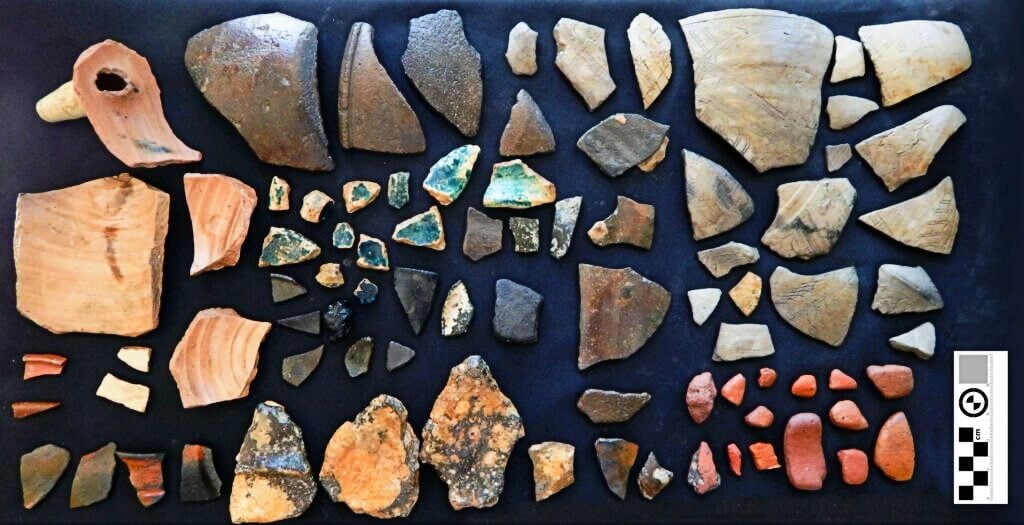
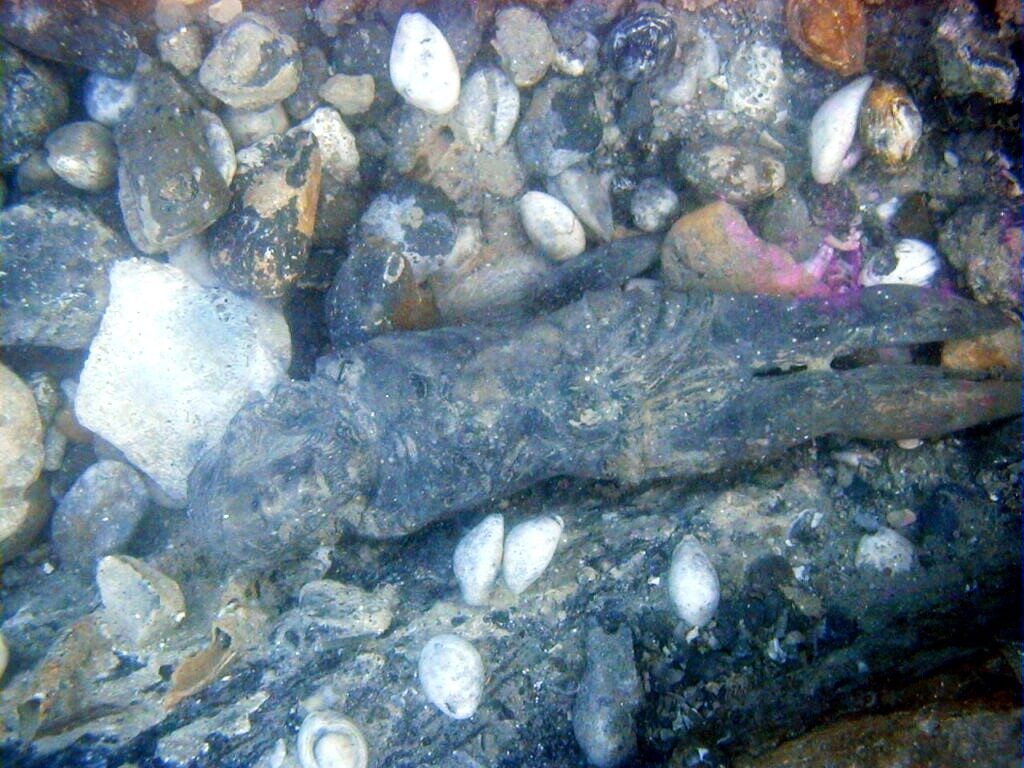
Clifford and Mark Agostini, co-author of a new report on the shipwreck, now believe that the amount of marine archaeological evidence they have amassed, including structural analysis and some 3,300 recovered artefacts and fragments, combined with primary-source accounts of pirate activity, have built an overwhelming case for the ship to have been the Nossa Senhora do Cabo.

Fitting the description
Distinctive Portuguese East Indiaman features such as double futtocks (curved timbers forming the lower part of a ship’s rib), crossbeams and timber joints all fit the ship’s description, as do the wreck’s 30 x 10m dimensions.
The vessel was built using a combination of hardwoods such as teak and oak, fastened using copper-alloy nails with round heads and square shafts, all consistent with ocean-going Portuguese craft of the period.
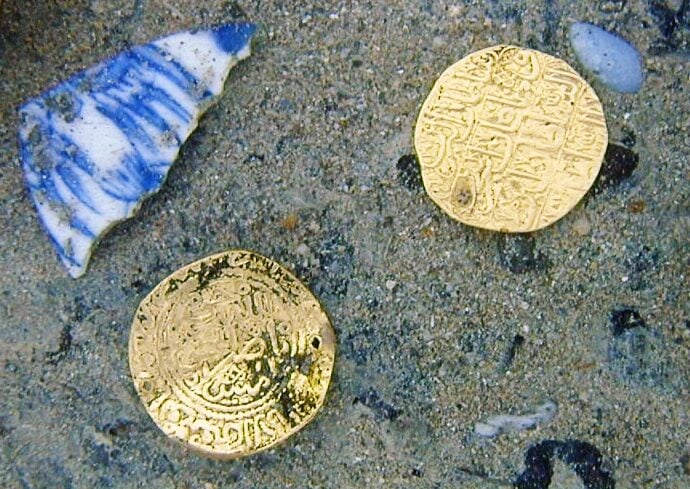
Most of the treasures would have been dispersed, making the pirates rich men, but the divers have found a number of Catholic timber and ivory sacred items, as well as ceramics, coins and small items that would not have been valued at the time.
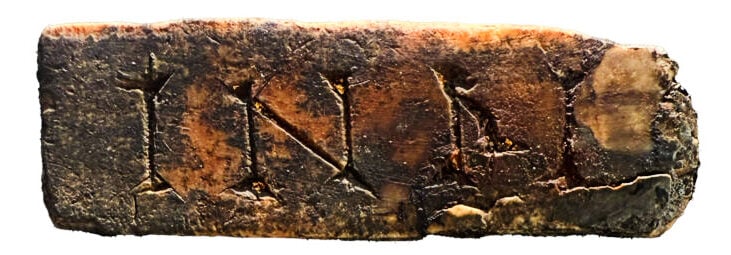
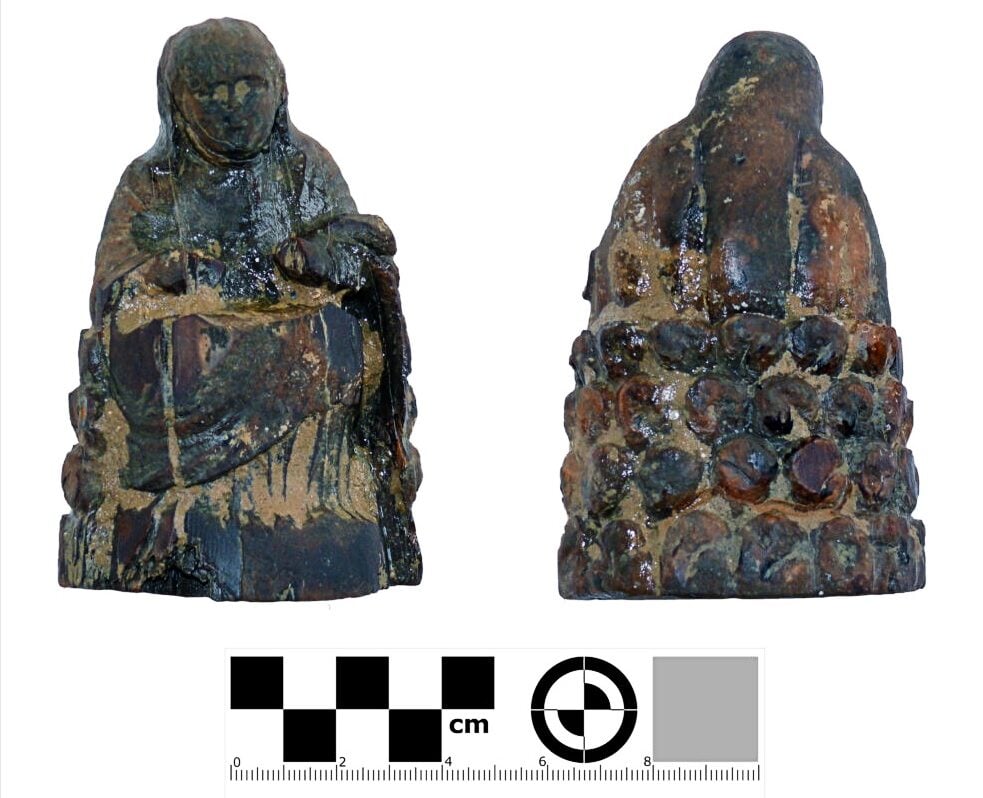
Definitive hull inscriptions, gun engravings or nameplates have eluded the divers but they still plan to undertake timber dating, which is challenging with the types of timber used. They are also keen to find any evidence of the bridge known to have been modified by Levasseur when he refitted the ship.
Clifford and Agostini believe that as many as 10 pirate or commandeered ships were scuttled or wrecked near Sainte Marie during the “Golden Age of Piracy” (1650–1725), with at least four other accessible sites waiting to be explored.
They also say that if their identification of the Nossa Senhora do Cabo holds, “the implications are substantial”.
“This would represent a unique archaeologically confirmed pirate-captured treasure ship from the Golden Age of Piracy, and a rare case where religious cargo from the Portuguese empire that is physically documented in the Indian Ocean aided in such an identification,” the archaeological divers state in their study, which can be found on the Centre for Historic Shipwreck Preservation’s website.
Also on Divernet: SOLVED: BLACKBEARD’S SHIPWRECK COAL MYSTERY, PIRATE BONES FOUND ON CAPE COD SHIPWRECK, BLACKBEARD MEANT TO RUN SHIP AGROUND, WHAT PIRATES LIKED TO READ