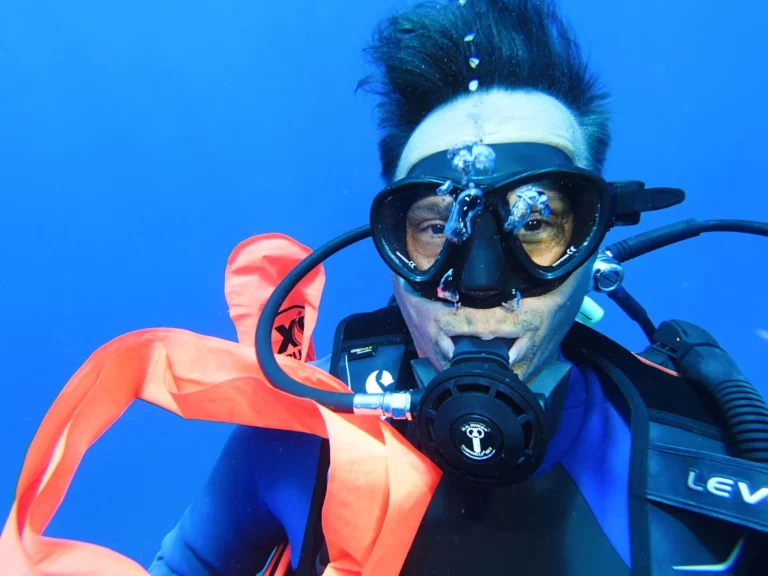
JOHN CHRISTOPHER FINE gets some special dives in with ex-military personnel
When two of my uncles returned from World War Two, their attitudes differed. The US Army veteran couldn’t wait to take off his uniform, bundle everything up and dump it in the trash. The US Navy veteran kept everything.
Many years later, he gave me his uniforms. His jumper fitted me perfectly, though we enjoyed a good laugh when he tried to put it on.
Military service is complex, especially during wartime. Every person reacts differently to the trauma of combat. Non-combatants who approach military service as a career have differing experiences but can learn amazing skills, many of them valid and important when they return to civilian life.
No matter the nation to which a service person belongs military service, compulsory or voluntary, leaves its mark forever. Military discipline is inculcated in behaviour patterns. Wounded veterans bear scars and disabilities forever. Psychological scars can prove even more difficult to heal.
Diving heals. Ocean creatures offer weal. Injuries heal, mental states improve and a sense of good and peacefulness offers the bounty of hope for those who have served in distressing situations. Stress and tension is washed away with the oceans’ healing balm.
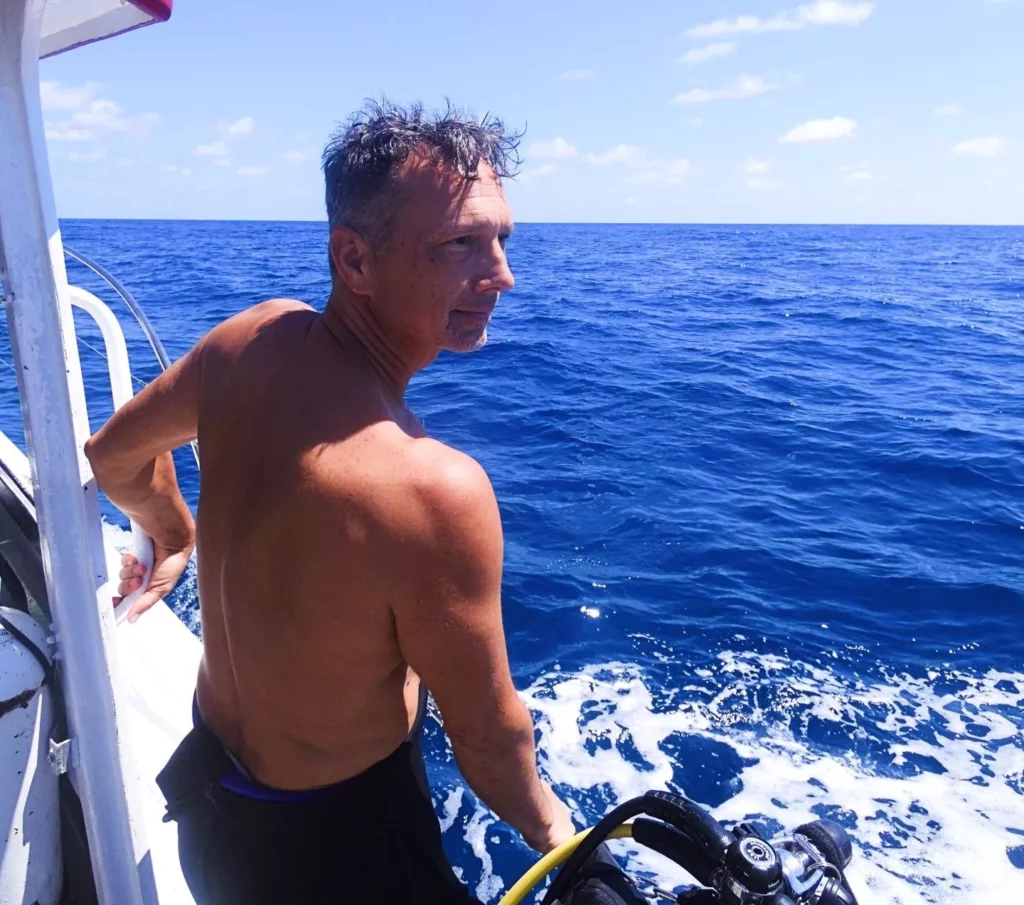
If this sounds maudlin to some, they have perhaps not enjoyed the personal satisfaction of taking a veteran or service-member diving. Over a long spell I have trained many divers and guided many more in the USA and elsewhere around the world.
Bow Gun Wreck
On the island of Truk in Micronesia long ago I was filming and taking underwater pictures for a book about Japanese shipwrecks, remnants of American air bombardments in 1944. A US Navy veteran stopped me on shore as I finished work for the day. He told me that he had been in the task force that attacked Truk Lagoon, and wanted to know what I saw below.
I asked him if he’d like to look for himself. “No, I can’t dive,” the war veteran said. “I’m too old now and in no condition…”
This didn’t stop me. I assured him that the next day I’d get him a dive-mask and life-jacket and take him out to a shallow site we called the Bow Gun Wreck.
It happened. All he had to do was lie on his stomach and look down. That one experience raised his spirits, he said, and provided an unforgettable moment. It returned to him emotions he had felt during those perilous days of combat; it also brought peace and resolve to his mind.
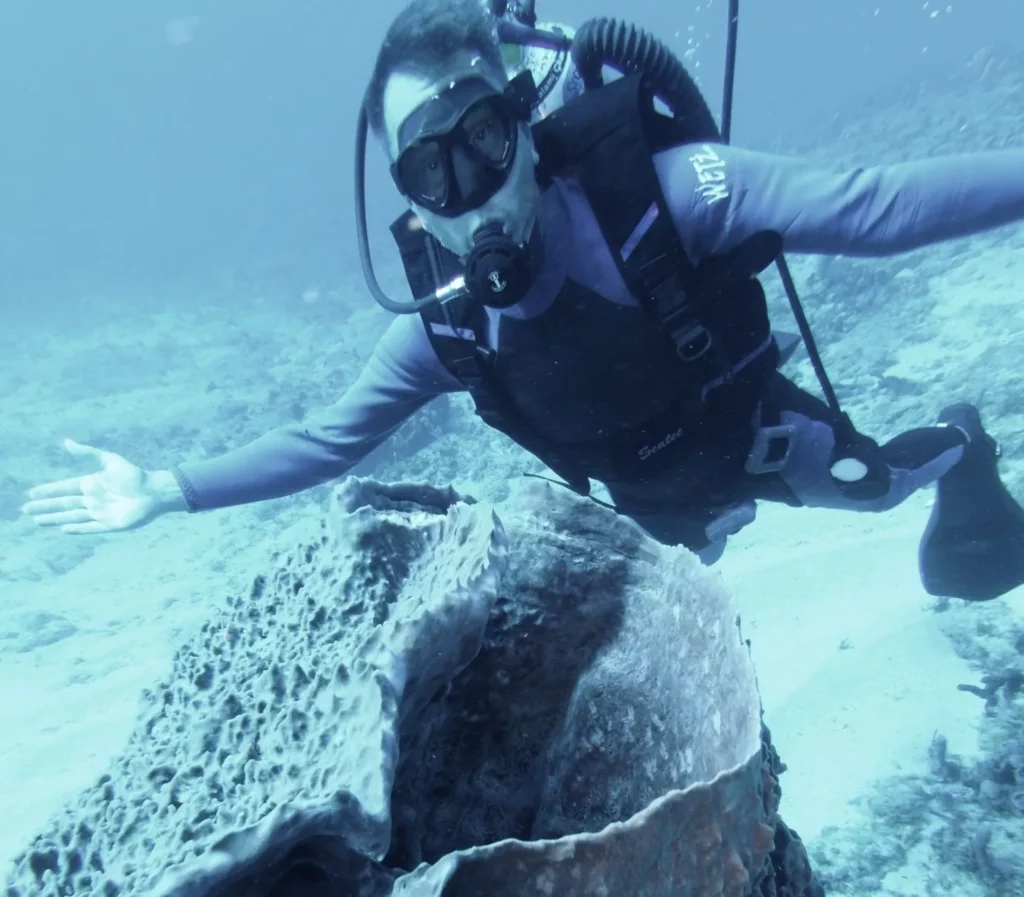
Card of experiences
I write this as I return from taking a US Navy Explosive Ordnance Disposal (EOD) diver out aboard Kyalami, a dive-boat that operates out of Jupiter in Florida. It had been years since this veteran had last been diving. Gale Smith had just seen his teenaged daughter certified and now looked forward to diving with her in future.
Despite his naval experience in years past, this would be his first exploration in a civilian setting in a very long time. Diving is not like riding a bicycle. Getting back into open-sea diving requires re-establishing mental criteria instilled in training but often forgotten over time.
This former combat-trained diver didn’t want to be babied. In some there is even resistance to civilian instructor supervision. Of course his card of experiences was full, but there is always that something, not necessarily trepidation, but a process of recovering that same confidence level that practised divers take for granted.
There were nurse sharks, Goliath grouper, a large lemon shark, tropical fish, corals and warm, clear ocean water. We drifted along at 24m and topped the reef at 21m as this veteran returned to a place of comfort and peace.
The crew and divemasters made him feel welcome, using the same care and briefings that are part of their routine aboard a comfortable, well-designed dive-boat. Instant security.
In the Florida Keys a group of veterans came together for clean-up dive-trips sponsored by a supermarket. Key Dives staff welcomed them, offered any rental equipment needed at no cost and ensured that the small group would have everything they needed for successful and, in this case, productive dives.
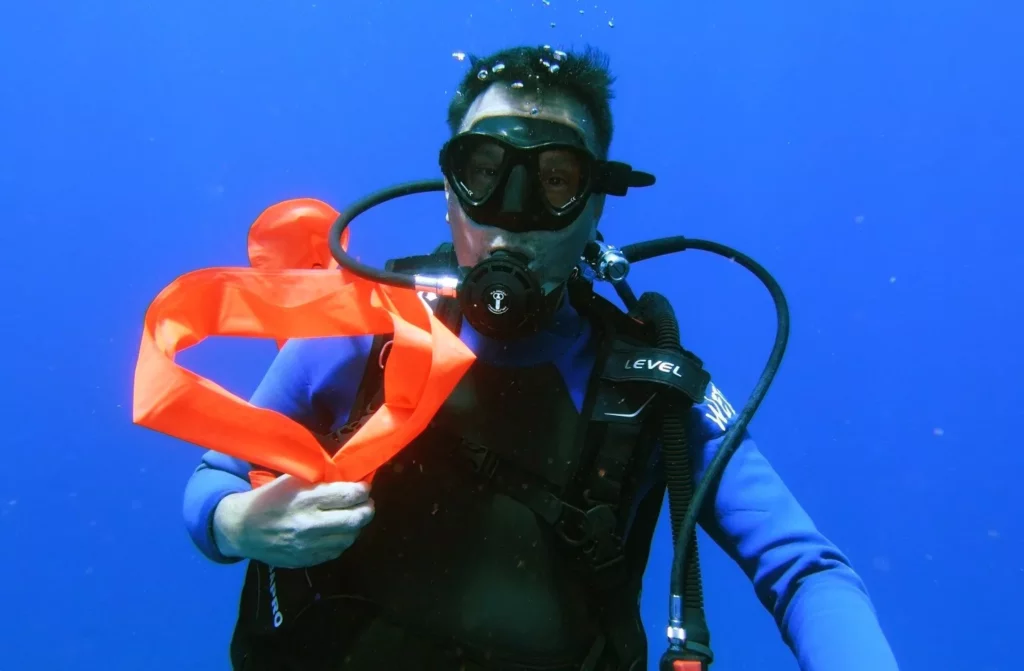
Cleaning debris from coral reefs gave satisfaction and purpose to these veterans, as well as enjoyable dives.
Unlimited sources
For US dive operators and stores, military and veteran groups offer unlimited sources for a customer base. The military provide funding for post-service training, and a veteran who wishes to train as a dive professional has access to military scholarships.
Sponsorships are available. Many operators provide all that is necessary to see that those with disabilities are able to dive and there are specialist scuba organisations that offer their services through volunteers and instructors specially trained for adaptive scuba.
Instructors feel a sense of great accomplishment getting both active military and veterans diving for pleasure. It’s more than just recognising the sacrifice of service people who faced critical combat situations – it’s the ocean realm that heals.