CITES listings for endangered sharks and rays appear to be improving trade and fisheries management at “a rate and scale previously unseen”, according to a new independent study.
Led by Florida International University, the Wildlife Conservation Society (WCS) and partners, the study published in Marine Policy reveals encouraging progress in implementing international trade protections under CITES (Convention on International Trade in Endangered Species of Wild Fauna & Flora) – though it also highlights the areas in urgent need of improvement to safeguard the most threatened species.
Also read: TV review: SHARK! Celebrity Infested Waters

The increased momentum towards protection is said to have occurred particularly in biodiverse regions such as the global tropics. 48% of nations signed up to CITES were found to have carried out regulatory reforms to implement the listings. These ranged from total prohibition on the harvest and trade of all species to species-specific national protection and science-based quotas.
Also read: Divers, get behind saving the mantas!
Continuing areas of concern included mobula rays, listed on CITES Appendix II in 2016 and still widely traded for their gill-plates. Many countries exporting mobula products still lack the science-based assessments required under CITES, raising concerns about sustainability.
Whale sharks now have stronger protection, according to the study, though gaps remained in monitoring live capture and trade for aquariums in some countries. And oceanic whitetip sharks, while among the most protected species, still have their fins traded illegally and at unsustainable levels.

Persistent challenges
The researchers analysed national implementation across 183 parties to CITES. Indonesia, one of the biggest shark-product exporters, had invested strongly in species-identification tools and regulatory frameworks, while Mozambique had also emerged as a leader by implementing national legislation, improving enforcement capacity and taking tangible steps to reduce illegal trade.
Before CITES listings, new “bright spots” such as Bangladesh, Colombia, Hong Kong SAR, India and Peru were said to have had little or no shark-management in place, while Gabon was said to have shown strong political will to bring about law reforms.
However, other countries including Mauritania, Mexico, Namibia, Oman and Trinidad & Tobago that had made formal CITES commitments “faced persistent challenges” in enforcement and traceability.
“The good news is, we know what next steps we need to take now,” commented Luke Warwick, Wildlife Conservation Society director of shark and ray conservation.
“This study demonstrates that CITES shark and ray listings have created genuine momentum and, with the right support, we can ensure that these international rules result in the measures we need at a national level to properly protect some of the ocean’s most iconic and imperilled species.”
However Shark Conservation Fund executive director Lee Crockett warned that “recent science shows that 37% of all shark and ray species are threatened, a figure that climbs to more than 70% for species commonly found in international trade.
“With pelagic shark populations down more than 70% over the past half-century, and reef sharks functionally extinct on one in five coral reefs surveyed, a tipping point is near,” he said.

Critical next steps included scaling up species-identification tools at ports, increasing training for customs officers, improving data-collection on trade volumes and sources, and fostering cross-border collaboration among fisheries and wildlife agencies.
CoP 20 proposals
Meanwhile CITES has published proposals to further protect the most threatened shark and ray species, describing some including whale sharks, oceanic whitetips, wedgefish and manta rays as “freefalling toward extinction”.
The proposals reflect the fact that sustainable trade is not considered feasible for such species, their unique biological characteristics requiring the sort of high-level protection now afforded to whales and turtles.
Countries meeting at the CITES CoP20 event in Samarkand, Uzbekistan in November will be asked to consider listing whale sharks, oceanic whitetips and manta and devil rays on CITES Appendix I, which affords its strongest protection by prohibiting commercial trade.
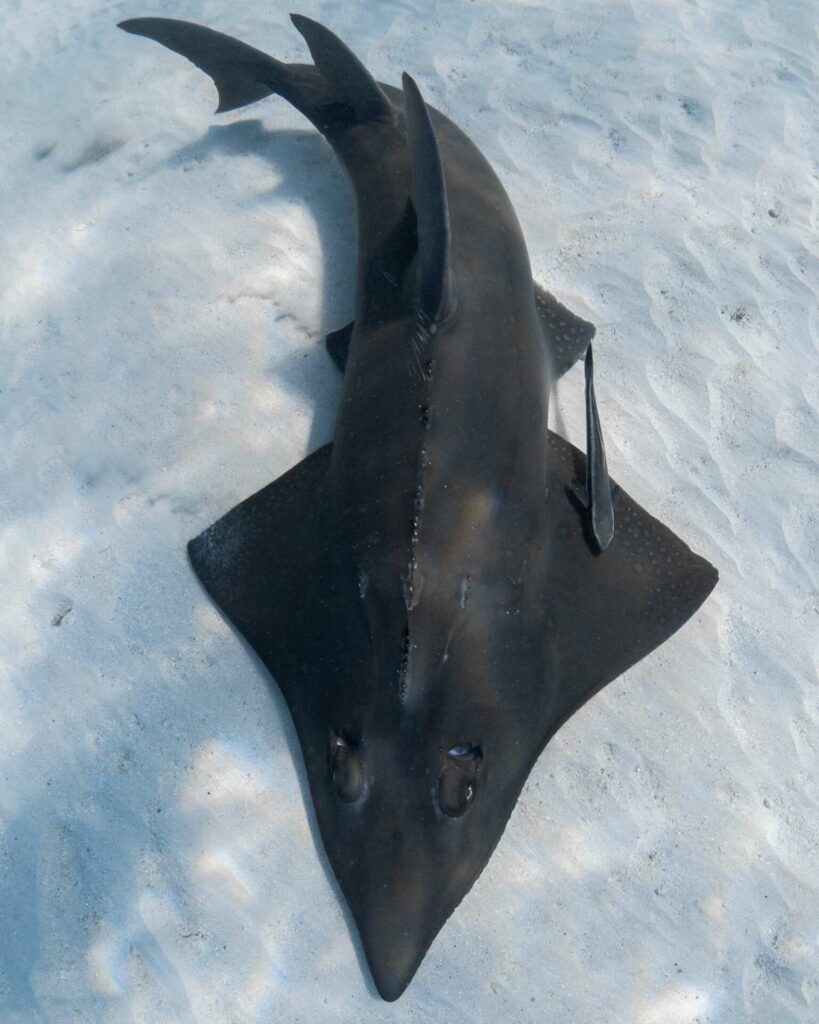
Temporary trade prohibitions via zero-quota proposals are also being tabled for Critically Endangered wedgefish and guitarfish rays, which WCS says would have the same impact as an Appendix I listing.
The new listings would help to close enforcement gaps, stop illegal trade and allow governments and communities to safeguard keystone marine species from over-exploitation and export.
Two additional proposals seek to offer CITES Appendix II-level protection to shark and ray species now traded less for their fins than for oil and meat.
“Over the last decade CITES action has focused on the shark-fin trade, and with 90% of that trade now regulated, focus must shift to other drivers of shark overfishing,” insists WCS, which has praised the leadership of Panama, Ecuador, Brazil, Senegal, Benin, the EU and the UK in leading the new proposals.
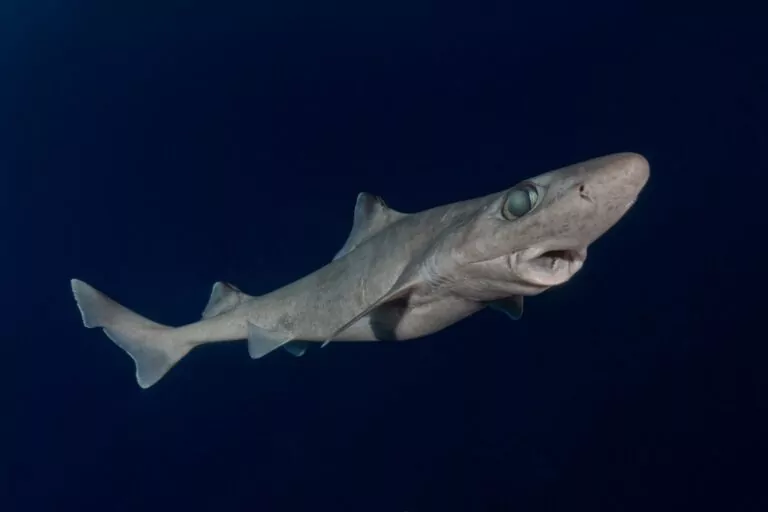
These proposals call for increased protection for slow-growing deepwater gulper sharks, to ensure that continued trade in their valuable liver oil as used in high-end cosmetics, is legal and sustainable; and for smooth-hound sharks, overfished and traded internationally for their meat.
Altogether more than 70 shark and rays species are proposed for CITES listing action at CoP 20, with more than 50 governments having added their names to seven listing proposals.
Also on Divernet: CHINA SWIMS AGAINST TIDE TO CONFINE THE MOST ORCAS, REEF SHARKS IN GREATER DANGER THAN EXPECTED, MAKO BREAKTHROUGH: MORE GOOD NEWS FOR SHARKS, DIVER PRESSURE HELPS REACH SHARK ’TURNING POINT’