Born and raised in Los Angeles, Ryan Chen grew up committed to combining his education with physical activity, whether winter sports or the martial art of kendo – the one that uses bamboo swords and protective armour. The black-belt competed at national level in the USA and in Japan.
He met his future business partner Kent Yoshimura at University of California San Diego when he was 19 in 2009, and they became firm friends. That was also the year Chen sustained a devastating spinal-cord injury in a snowboarding incident, leaving him paralysed from the waist down.
Also read: Fiji dive-trip at stake in PADI Master challenge
He went on to graduate in both economics and chemistry but he could not abandon his accustomed active lifestyle, and turned to parasports. He trained in wheelchair racing and became part of the US Paralympic team, while Yoshimura was becoming part of Japan’s Olympic Judo team.
Then, in 2013, the two friends discovered scuba diving. “I realised I had only one life to live and, despite my paralysis, there was still a vast world to explore,” he says. “I’ve always had a sense of adventure, and scuba diving offered me a unique way to travel, discover and experience nature in its purest form.
“Kent and I got certified together. I had seen a Groupon discount, and Kent was my best friend who always said yes to everything. Within two weeks we were certified PADI divers!”
Which is good going. The friends’ certifications were earned that April at LA’s Venice Beach, and Advanced Diver certification quickly followed.
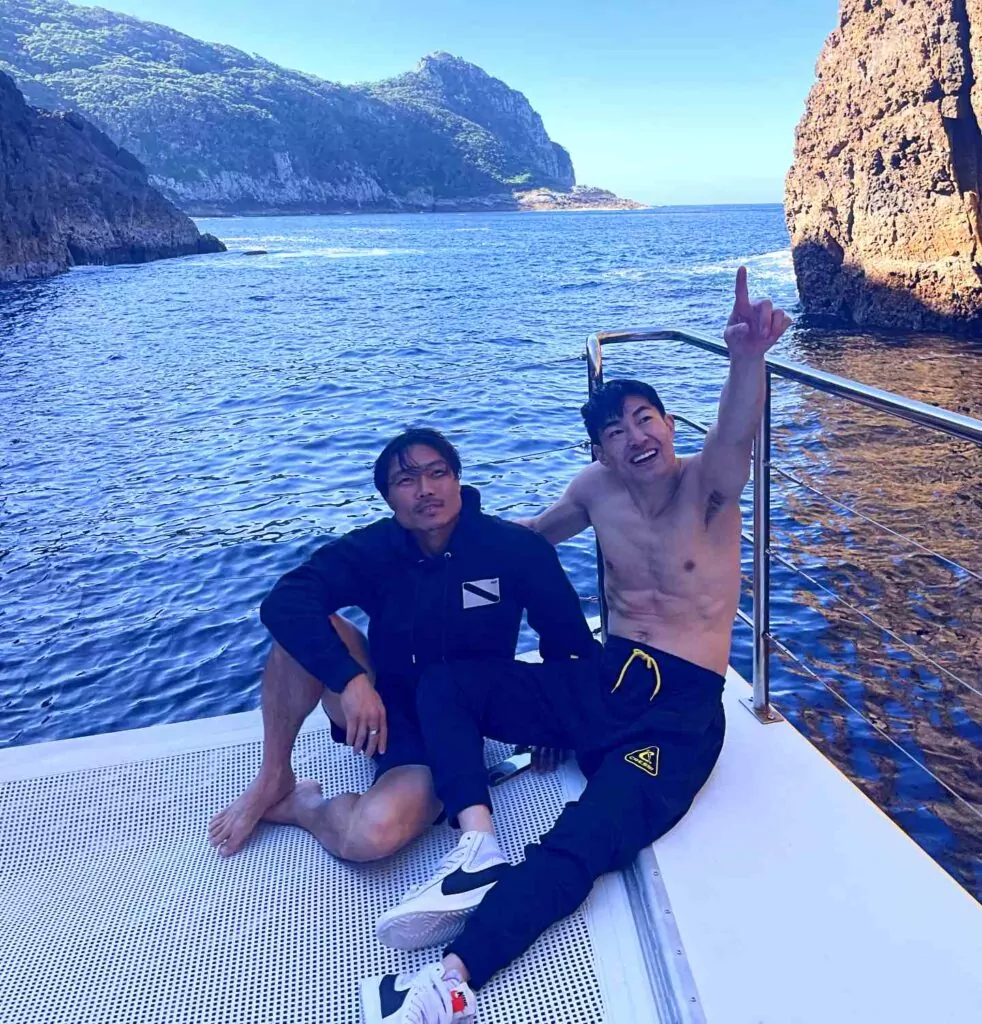
This was before PADI had formalised the adaptive diver training it offers today, though what adaptations were available at the time seem to have been more than adequate for Chen’s needs. “I think I was both excited and nervous the first time but, once we were in the water and had done all the training, I felt very comfortable.
“The coolest feeling in the world is taking that first breath under water. You feel like you have a superpower. It was better than I expected. Also, I suffer from extreme nerve pain from my paralysis, and being under water and breathing is almost meditative – the times I am diving, I feel weightless and in no pain.”
Confident in the water
When asked about the most difficult aspects to master, Chen says: “Taking your mask off under water and clearing it. I think after about 10 dives I started to feel confident in the water.” The instructors he describes as having been “super-empathetic. I think in general scuba instructors have to love what they do.”
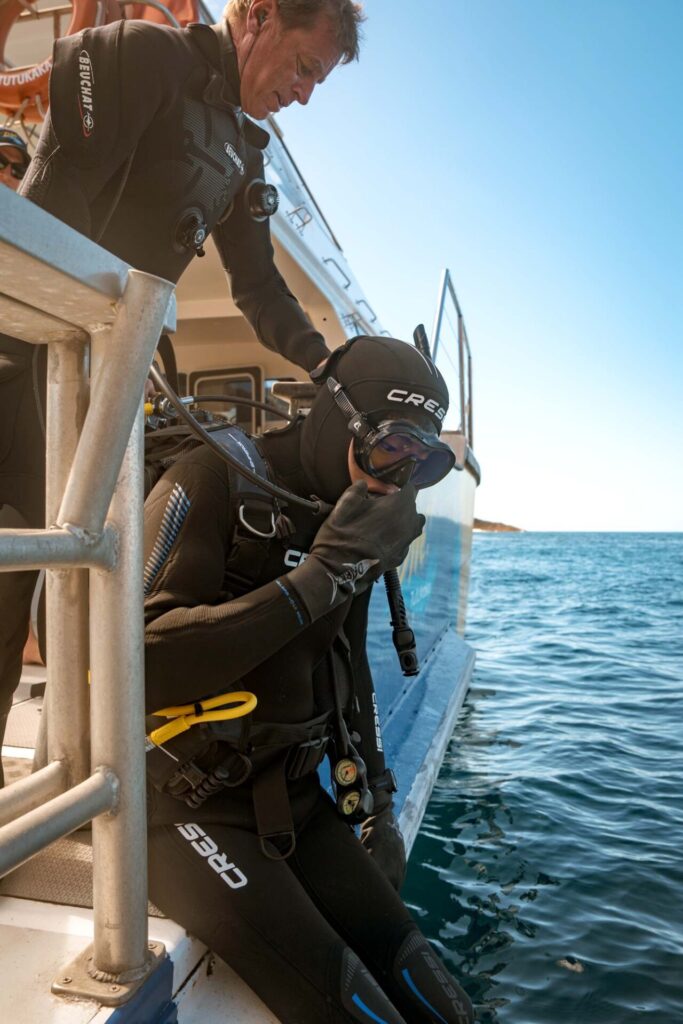
The first open-water dive had been at Catalina Island in southern California: “Beautiful kelp forests, and that set us up – between Kent and I we’ve gotten to dive in many places around the world, from New Zealand to Japan to Thailand to the Caribbean.”
Favourite places to date have been Hawaii and New Zealand and the cenotes of Mexico, while on the bucket-list are Tahiti and Indonesia. Nowhere is off limits, and the buddies try to dive as part of their frequent business travels “and squeeze in diving wherever we can!”
In the course of those travels they do seem by Chen’s account to have wandered a rainbow path, reporting no obstacles encountered at dive locations as long as sound forward-planning is applied, with pains taken to research and contact the most suitable dive shop for each area. They have always been made to feel welcome and report no negative experiences.
It was soon after becoming divers that Chen and Yoshimura came up with a green-tea-type, caffeine-laced product called NeuroGum, followed by NeuroMints. The “wellness” confectionary provided, they felt, a healthy way to maintain energy levels.
The products were crowdfunded, scored on Shark Tank (the USA’s Dragons Den) and started attracting bigger investors. Today they are in some 12,000 stores as well as available online.
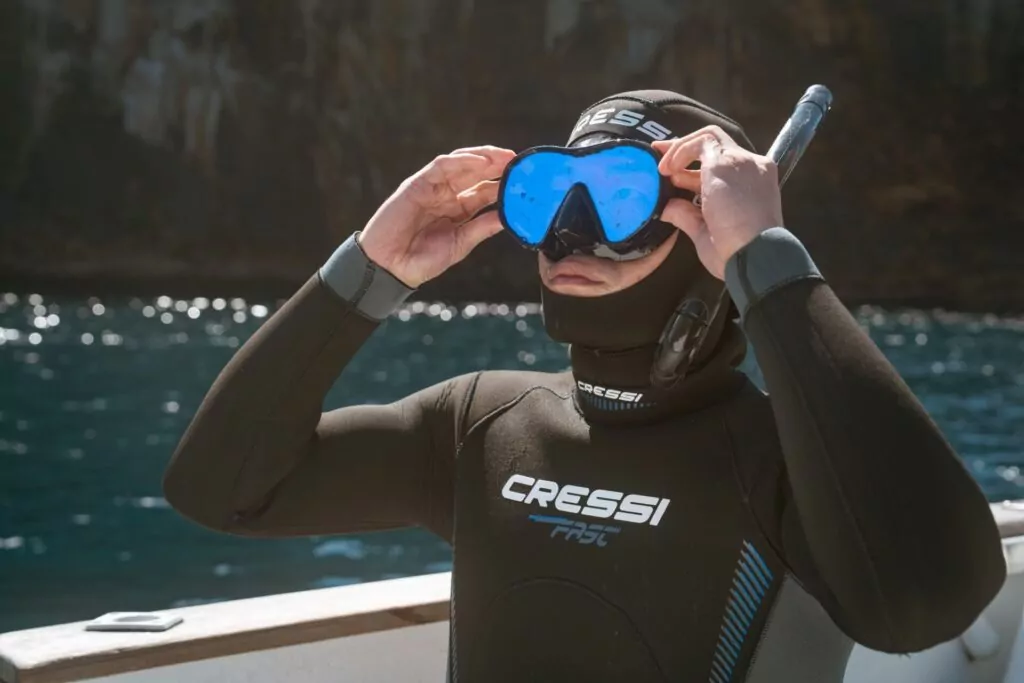
Chen is the company’s CFO to Yoshimura’s CEO, and he has also become an avid investor, often in food products. He was named to the elite Forbes 30 Under 30 list in 2019.
Scuba therapy
What has surprised Chen about scuba diving is just how therapeutic it is. “We were diving in New Zealand as part of our PADI partnership and we saw some amazing wildlife. That’s when the dive master, Caroline, said: ‘The ocean has no fences’ and I thought that was really cool. You truly get to see wildlife in its true habitat. Not in an aquarium or in a zoo but their real home.”
Such experiences have nurtured Chen’s interest in the environment. “My interest in conservation grew significantly during my journey as a co-founder of Neuro. Working closely with supply-chains gave me first-hand insight into the environmental impact of production and waste. This understanding deepened my awareness of the urgent need for sustainability.
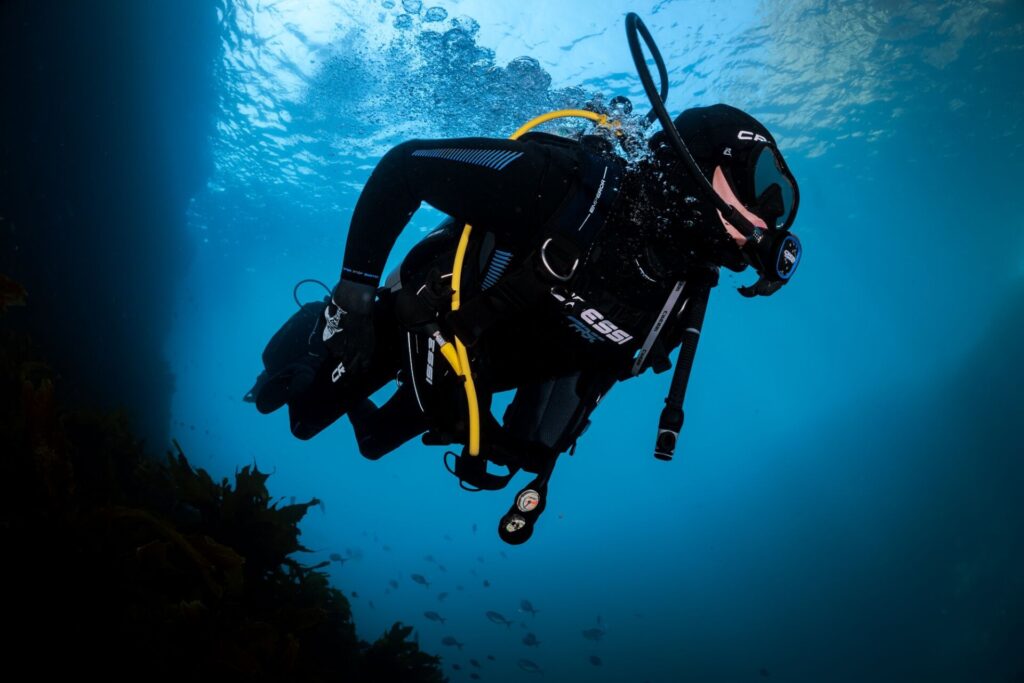
“I’ve come to realise that we are at a critical juncture for humanity – one where we must take decisive action to reduce waste, protect ecosystems and create a more sustainable future for everyone and everything on this planet.”
These concerns led to today’s relationship with the charity PADI AWARE. “It’s been the absolute best partnership! We came up with the idea of Neuro functional gum and mints while scuba diving back in 2013. Fast forward to having this partnership, and donating to ocean conservation has been a dream come true.”
The link means that 20% of proceeds from sales of limited-edition, ocean-themed and co-branded tins of Neuro go to the PADI Aware Foundation.
What does Ryan Chen most enjoy about diving now? “I think to be in the present. We live in a fast-paced world, with so many distractions with technology. Diving allows you to focus on the now and appreciate mother nature.
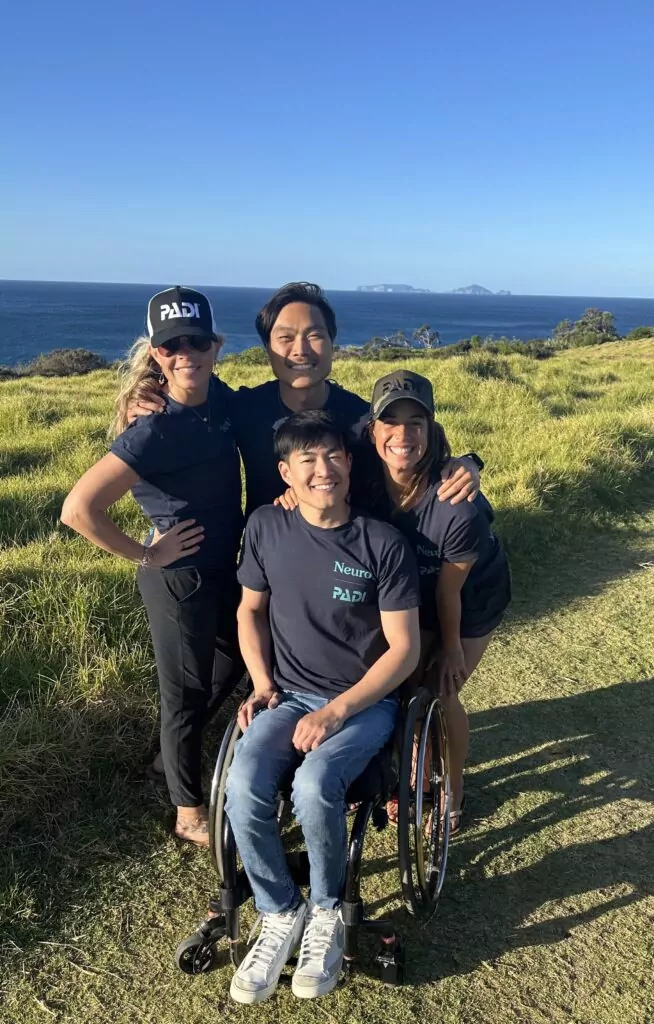
“Scuba diving has been transformative for me, both emotionally and socially, especially after my spinal cord injury. It became a powerful tool for healing, allowing me to reconnect with a sense of adventure and explore the world in a new way.
“What makes it even more special is sharing the experience with my best friend and introducing it to others. I’ve helped certify many people, including my girlfriend and close friends, creating unforgettable memories together.
“Scuba diving has also been a source of inspiration—it played a pivotal role in sparking the idea for NeuroGum. It’s more than just a recreational activity; it’s a cornerstone of my personal and professional journey.”
Young The Giant
For PADI’s Adaptive Scuba Week (below) the training agency’s members and AmbassaDivers have been asked to make the effort to nominate others they would like to see take up diving. “I’m referring the members of the band Young the Giant to get their PADI Scuba Diving certification,” says Chen.
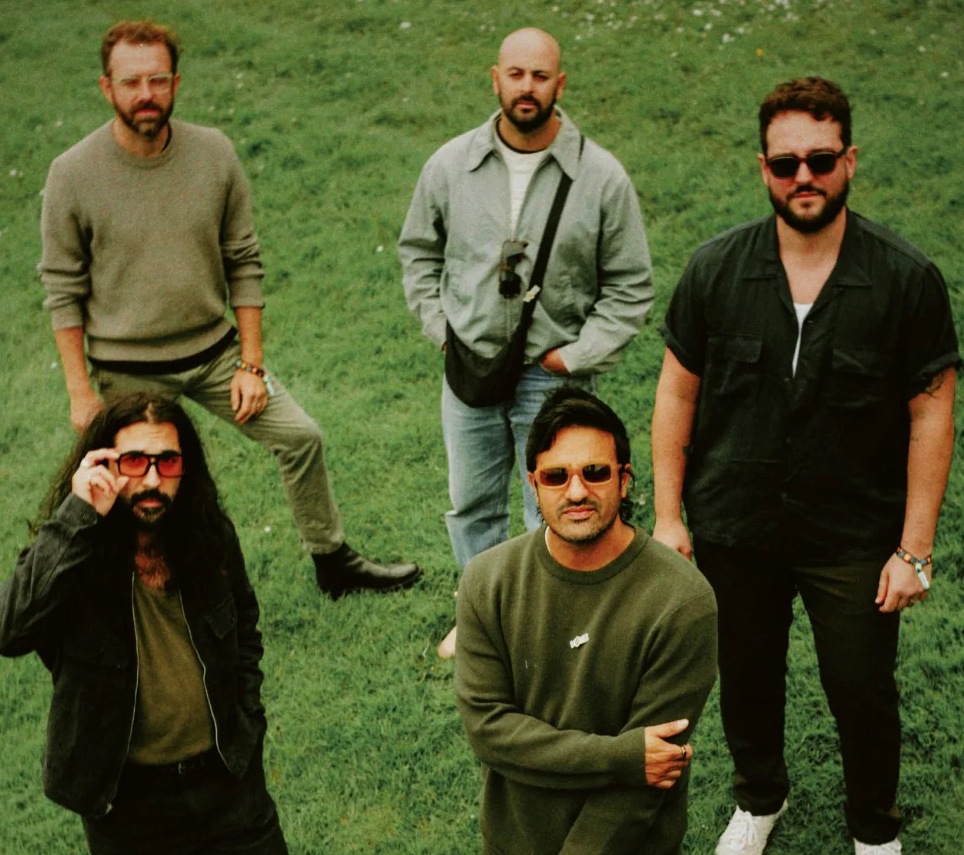
The California alternative rock band are celebrating 20 years in the business and he has been following them since 2011. There is an unusual photograph of him crowdsurfing in his wheelchair as they play at a rock festival.
“We’ve just released our special edition Neuro tin with them, which celebrates their sophomore album Mind Over Matter [from 2013]. The album is about mental health and overcoming obstacles – which is exactly what scuba diving helped me do.
“I want them to experience the clarity and calmness you experience under water first-hand, as I know the sport of scuba diving will inspire them in the same way that their music has inspired me.”
“Scuba diving offers a sense of weightlessness that is one of the closest experiences to the feeling of being in outer space. When you’re under water, the buoyancy created by the water supports your body, making you feel like you’re floating effortlessly.
“I think and hope that adaptive diving becomes more and more accessible to more people. I hope there are more grants out there to get more people in the water.”
PADI Adaptive Diving Week
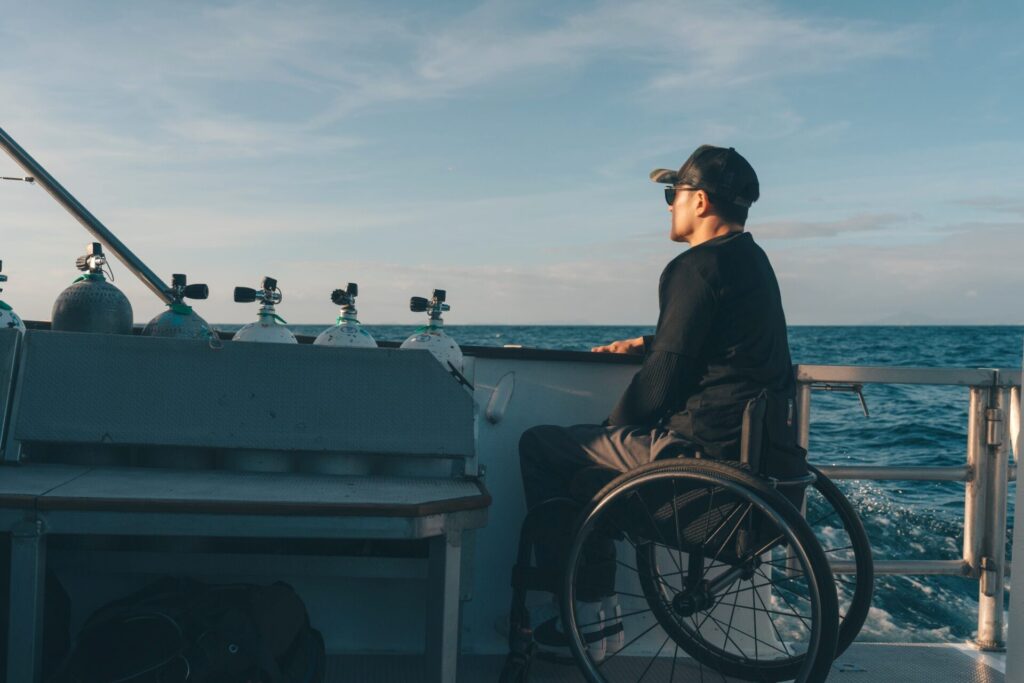
PADI’s inaugural Adaptive Diving Week runs through to 7 December and coincides with today’s UN International Day Of Persons With Disabilities (3 December).
Many accessibility issues for divers with disabilities have been quietly addressed by a number of bodies in recent years. The training agency had developed two adaptive diving courses for instructors when in 2017 it introduced its Adaptive Techniques Adaptive Techniques speciality to make scuba and freediving training more accessible. This course is linked to the Adaptive Support Diver programme for divers who want to assist buddies with disabilities.
Last year PADI came up with its Adaptive Services Facility accreditation for dive-centres and resorts that can demonstrate excellence in providing adaptive services and infrastructure. They need to have staff trained in the appropriate diving techniques, offer specialist diver training and ensure accessibility throughout premises and on boats. There are already more than 50 of these facilities.
The week is intended to celebrate the stories of divers like Ryan Chen who have overcome challenges to explore the ocean, and the dive professionals who have made those experiences possible. Though if Chen faced challenges to getting under water, he certainly makes light of them!